Paint & Painting Supplies

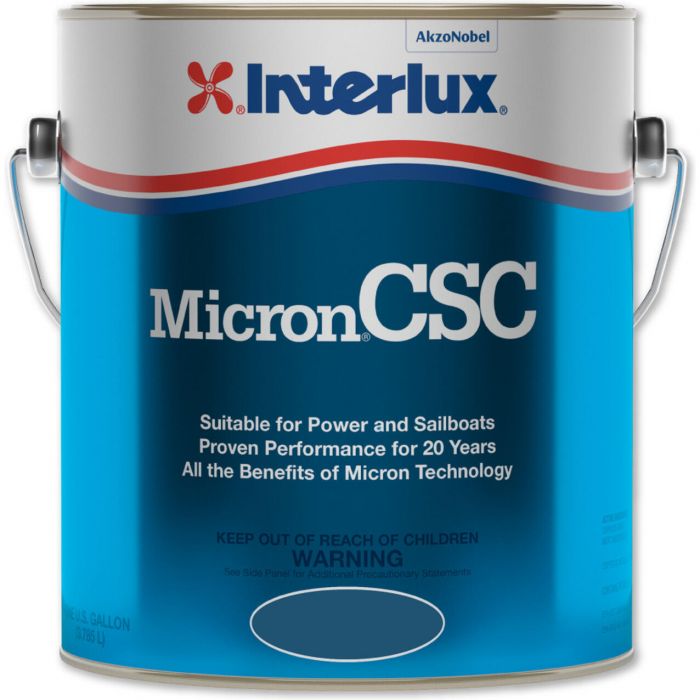
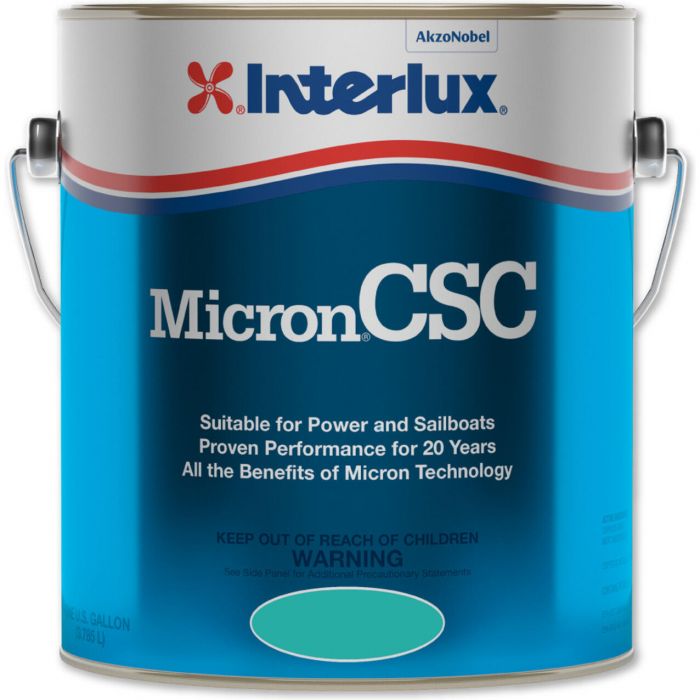
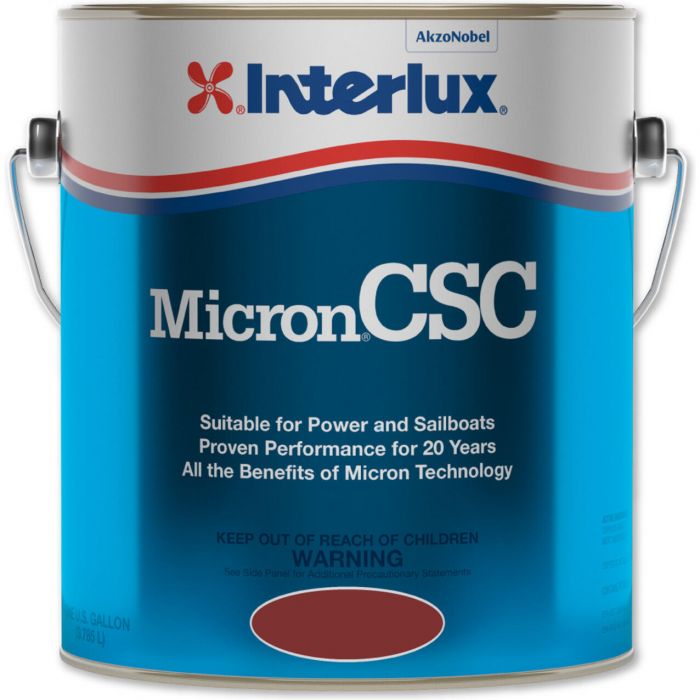
  1. Interlux Micron CSC Antifouling Bottom Paint

    $98.99 - $309.99
    68
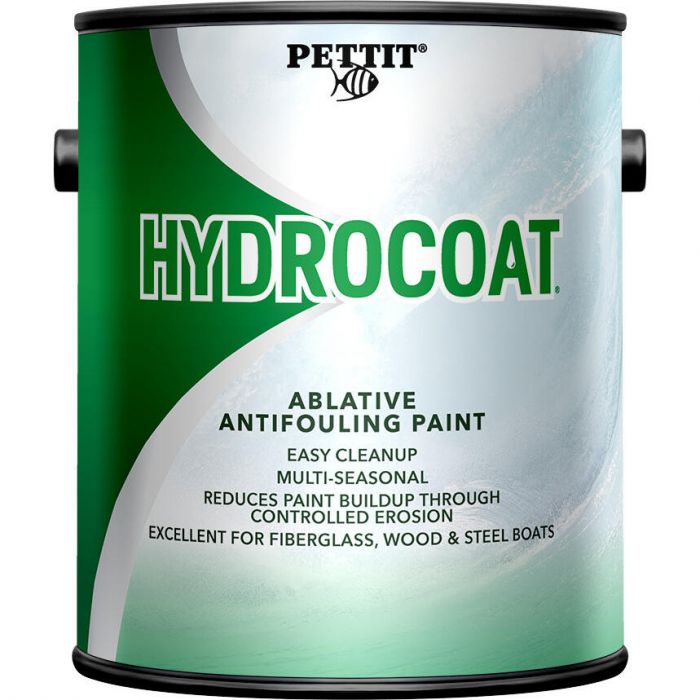
  2. Pettit Hydrocoat Antifouling Bottom Paint

    See price in cart
    50
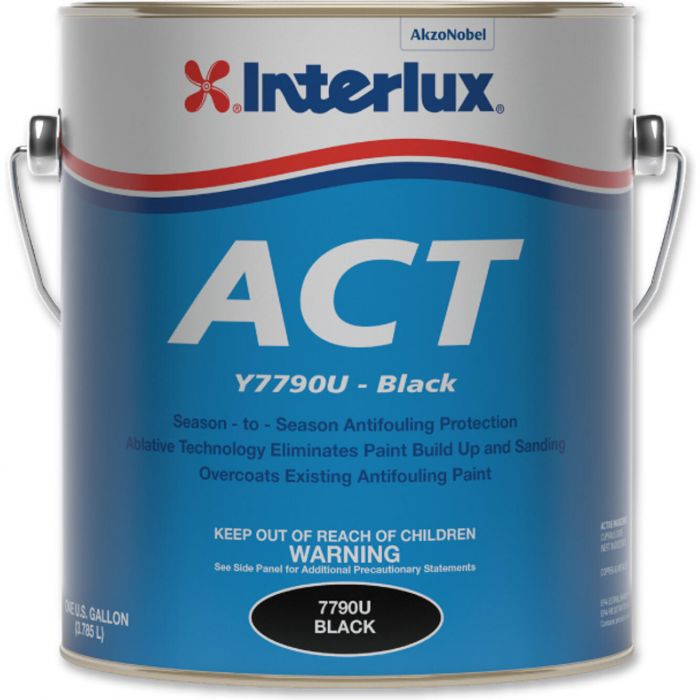
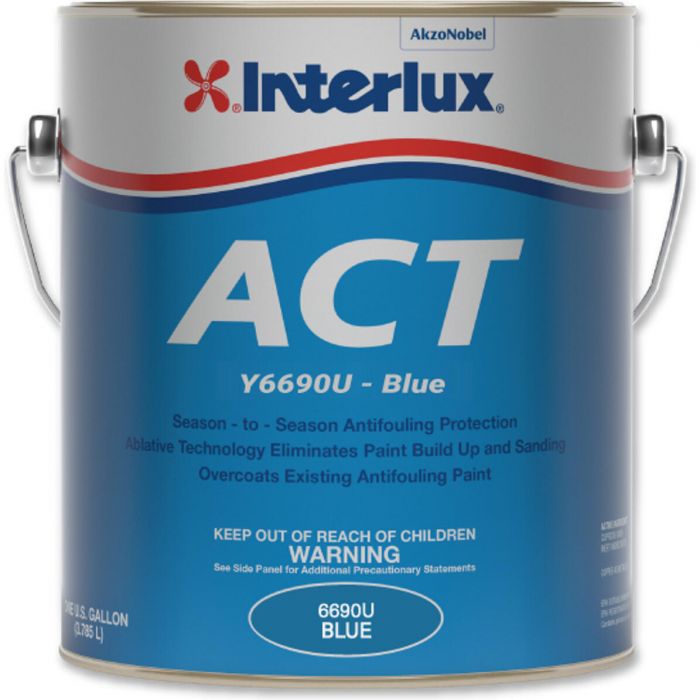
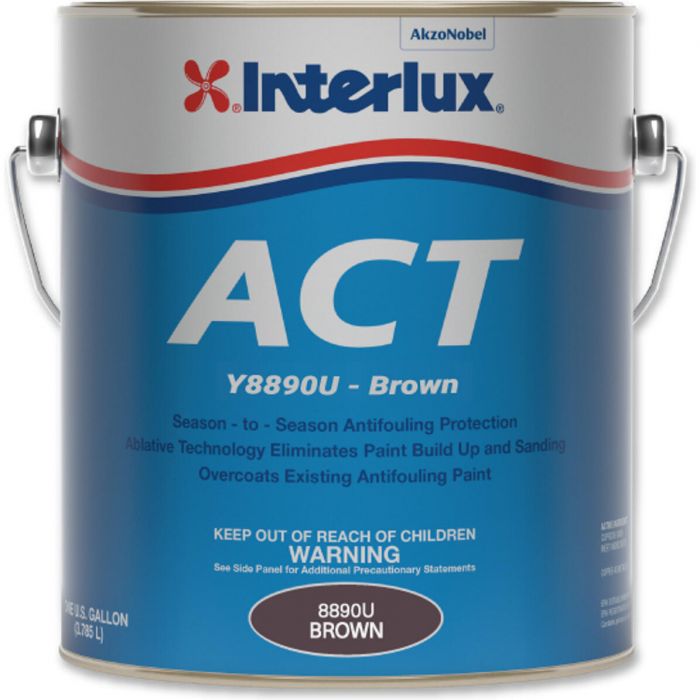
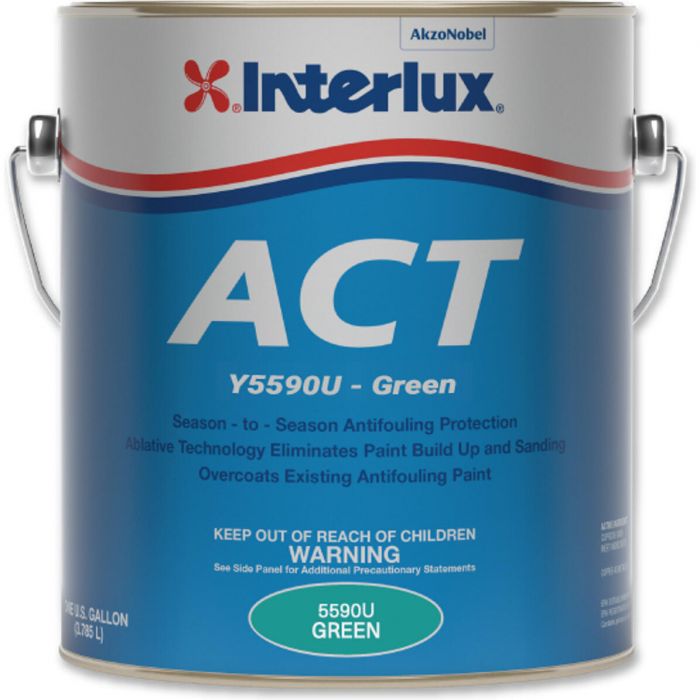
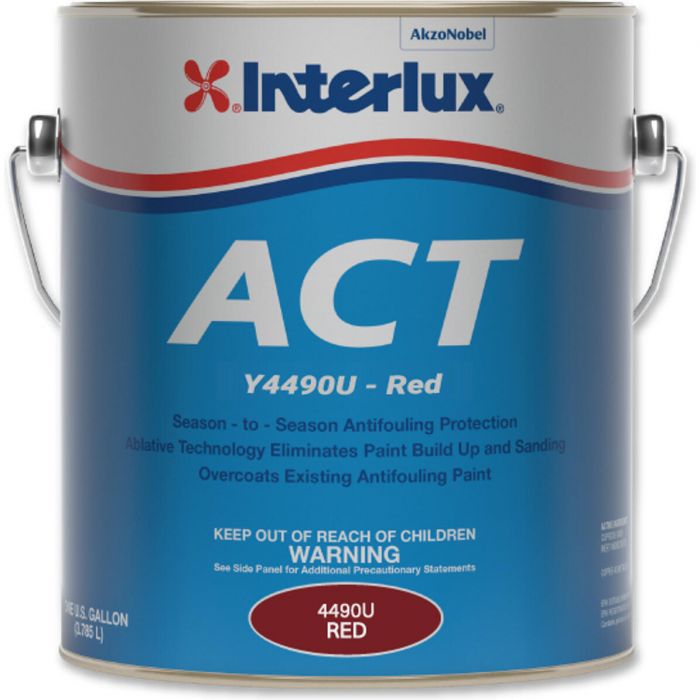
  3. Interlux ACT Antifouling Bottom Paint

    $59.99 - $181.99
    37
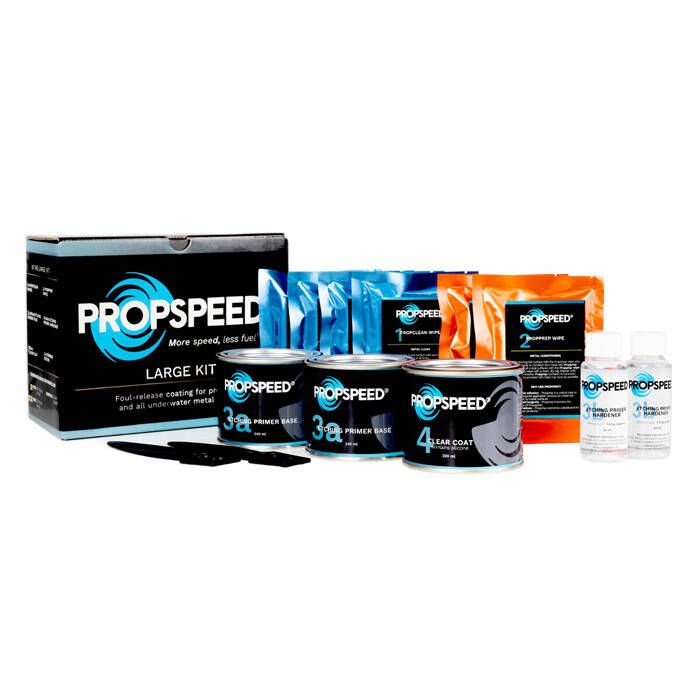
  4. Propspeed Propeller and Running Gear Coating System

    $211.99 - $452.99
    11
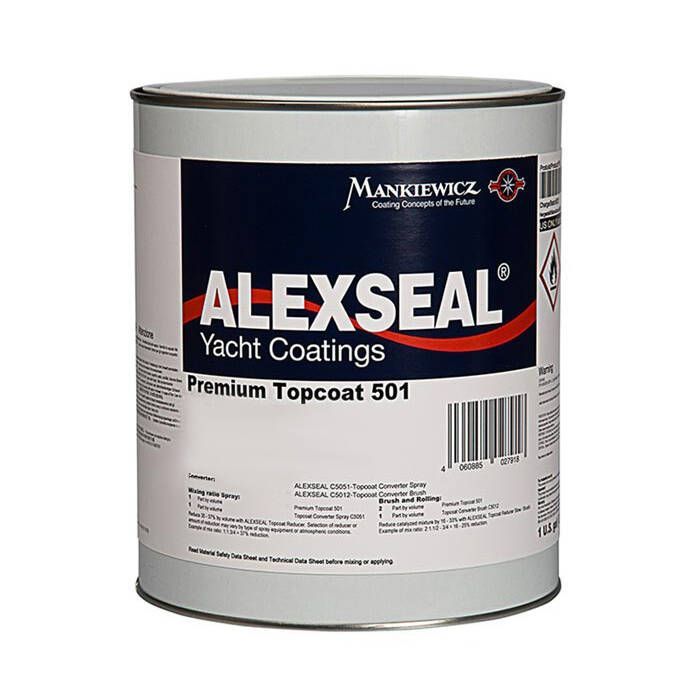
  5. Alexseal 501 Premium Topcoat

    $119.99 - $504.99
    19
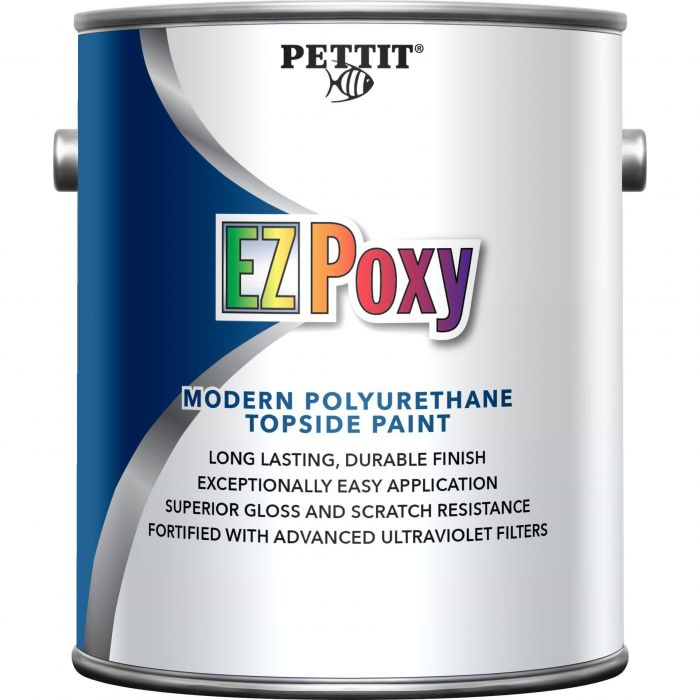
  6. Pettit EZPoxy Topside Paint

    $22.99 - $163.99
    21
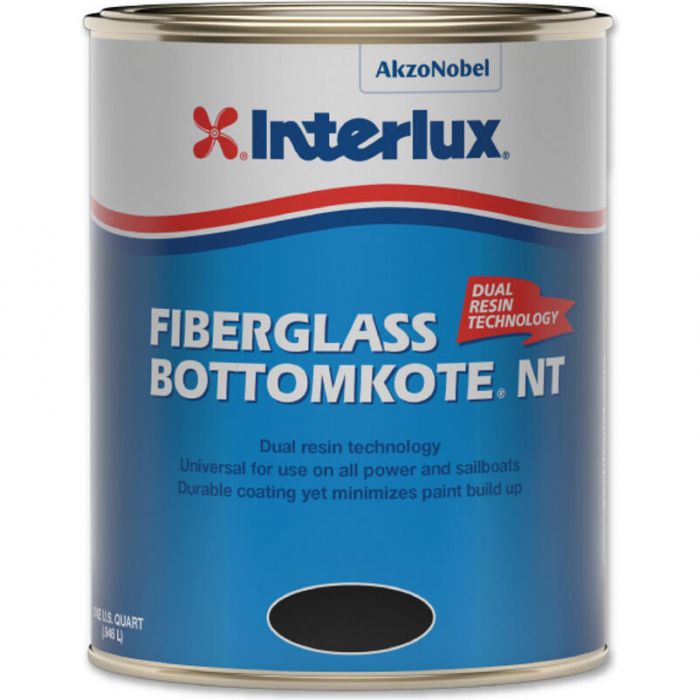
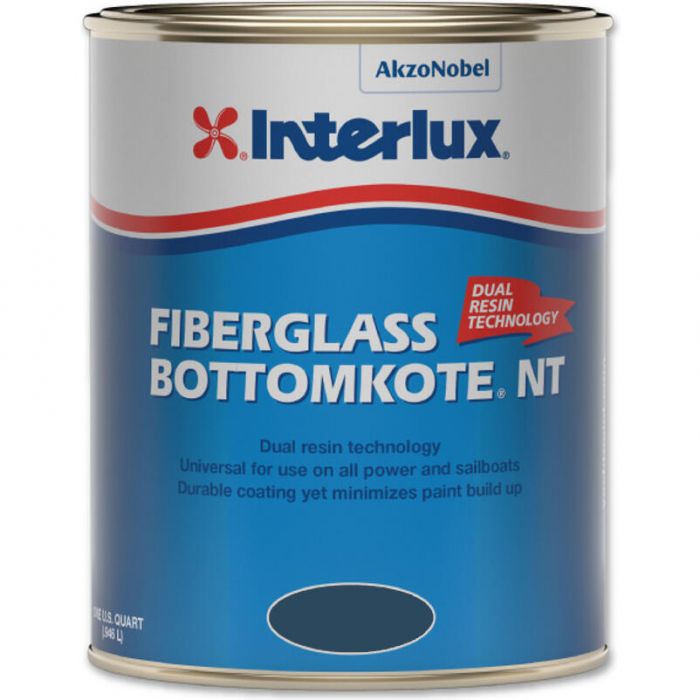
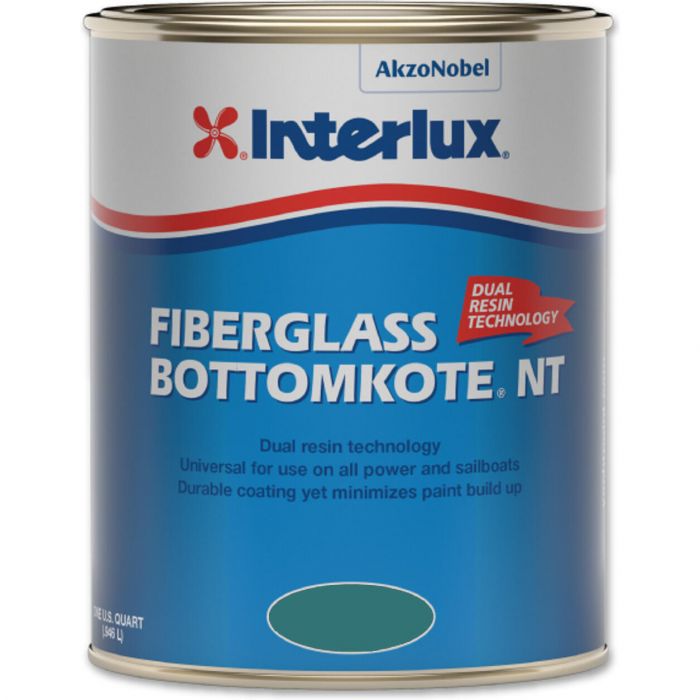
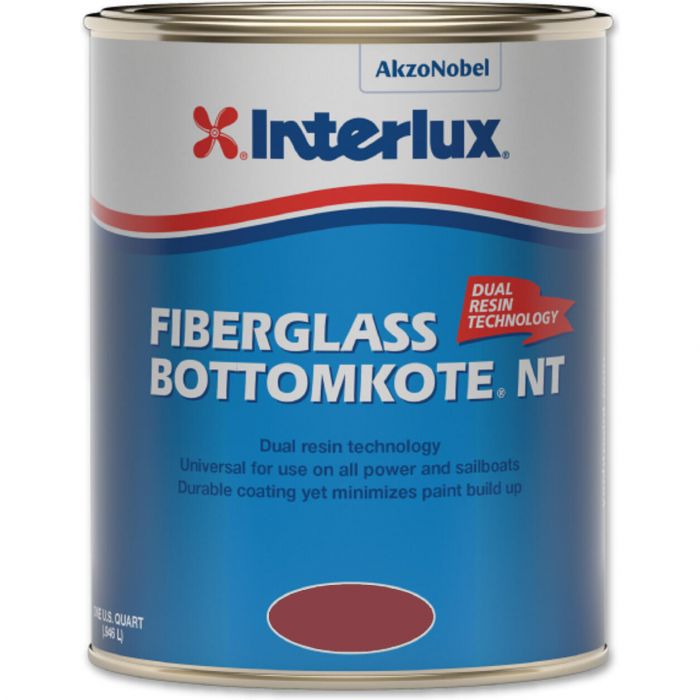
  7. Interlux Fiberglass Bottomkote NT Antifouling Paint

    $48.99 - $135.99
    44
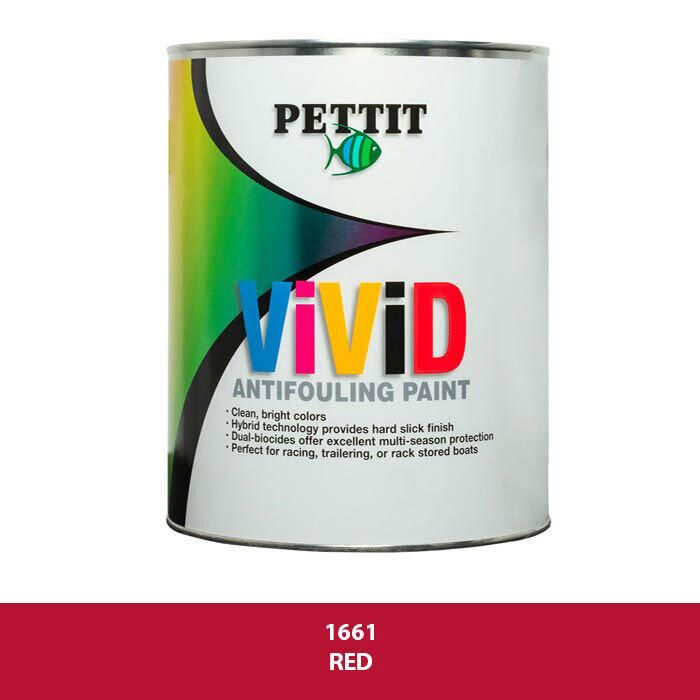
  8. Pettit Vivid Antifouling Paint

    See price in cart
    20
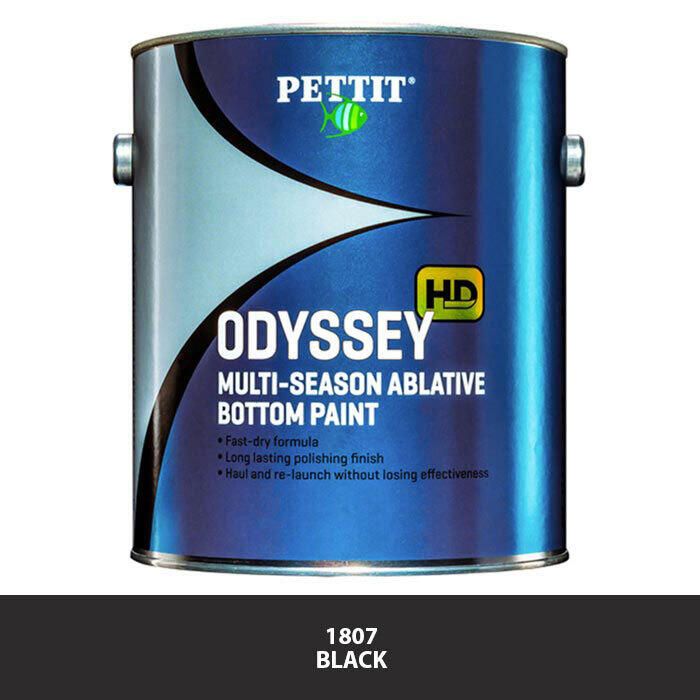
  9. Pettit Odyssey HD Ablative Antifouling Bottom Paint

    See price in cart
    11
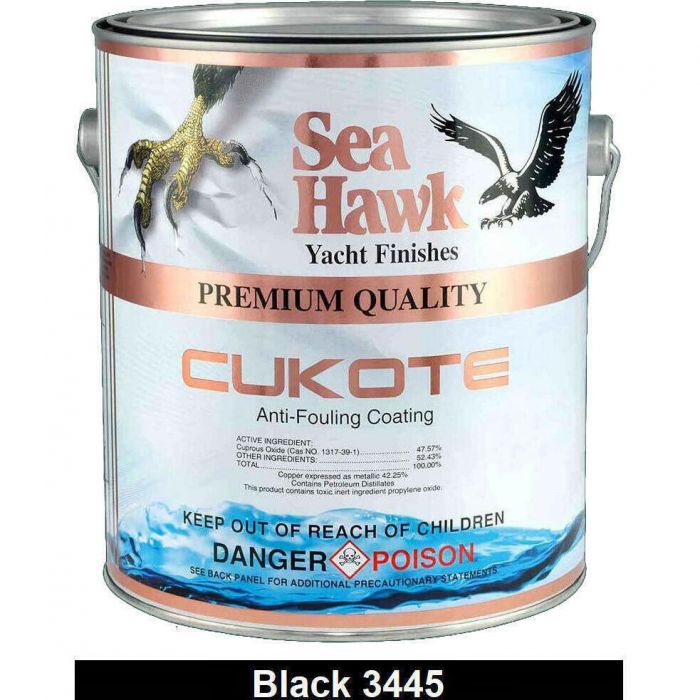
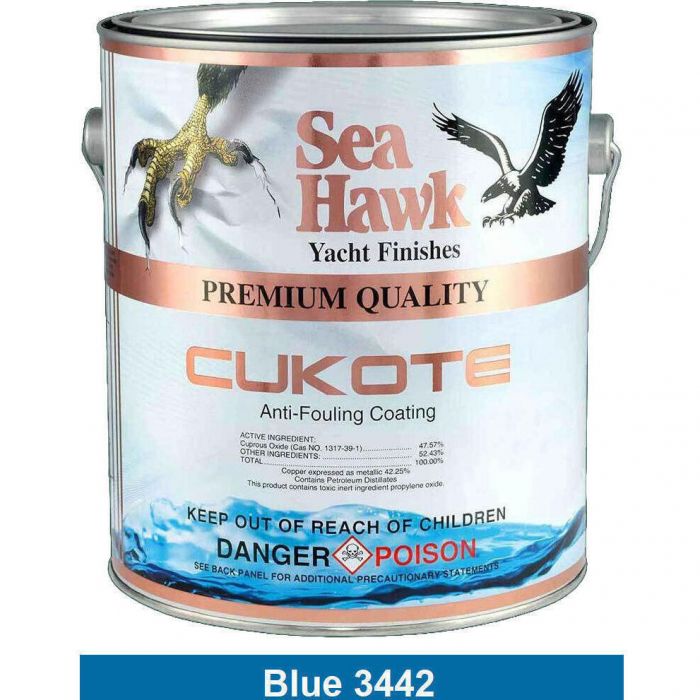
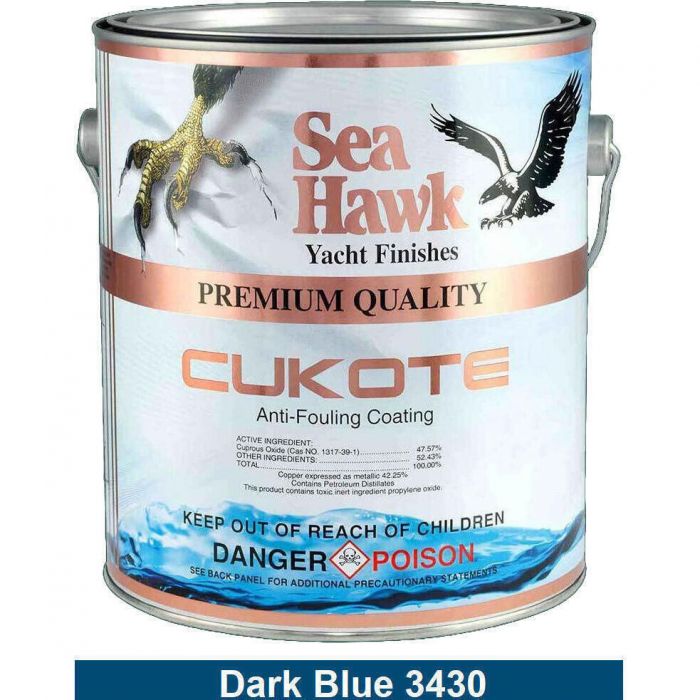
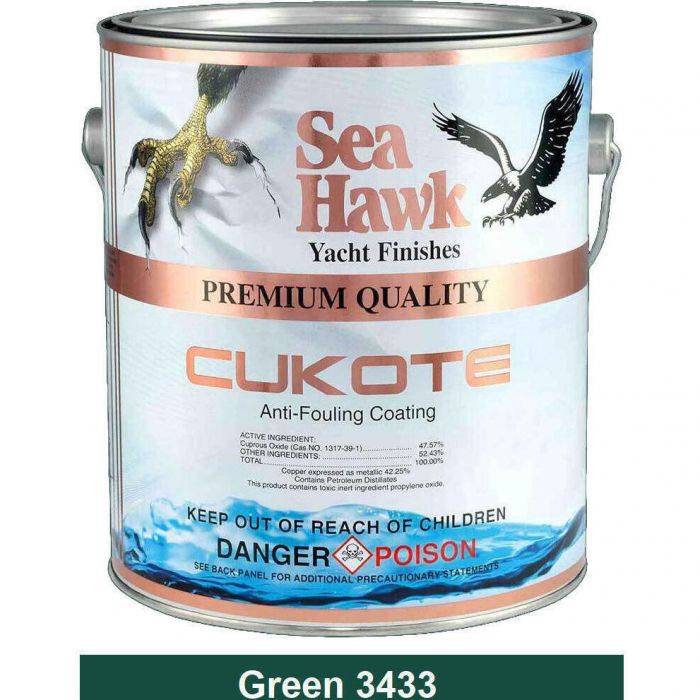
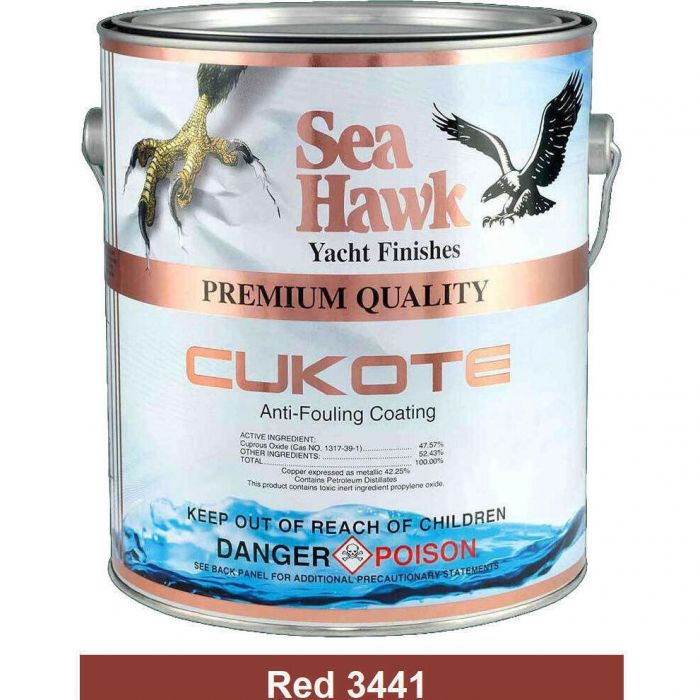
  10. Sea Hawk Cukote Antifouling Bottom Paint

    $90.99 - $265.99
    38
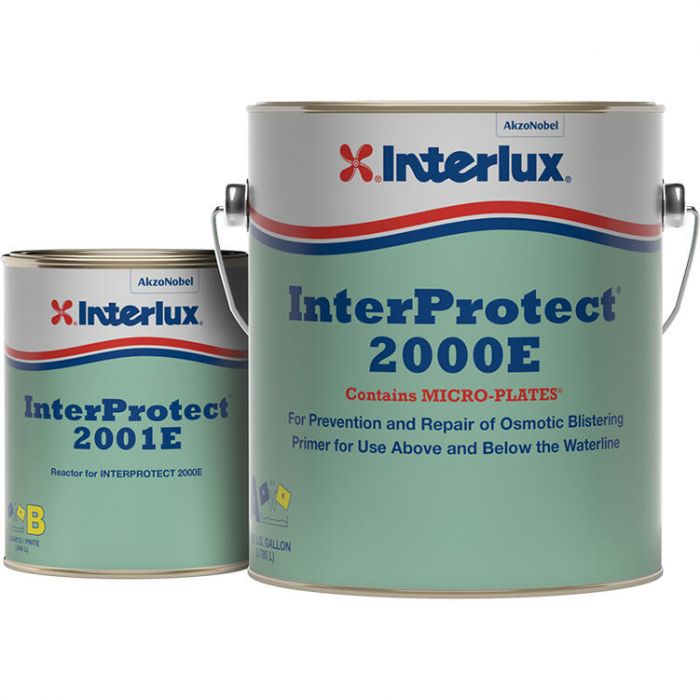
  11. Interlux InterProtect 2000E Primer Kit

    $48.71 - $134.99
    13
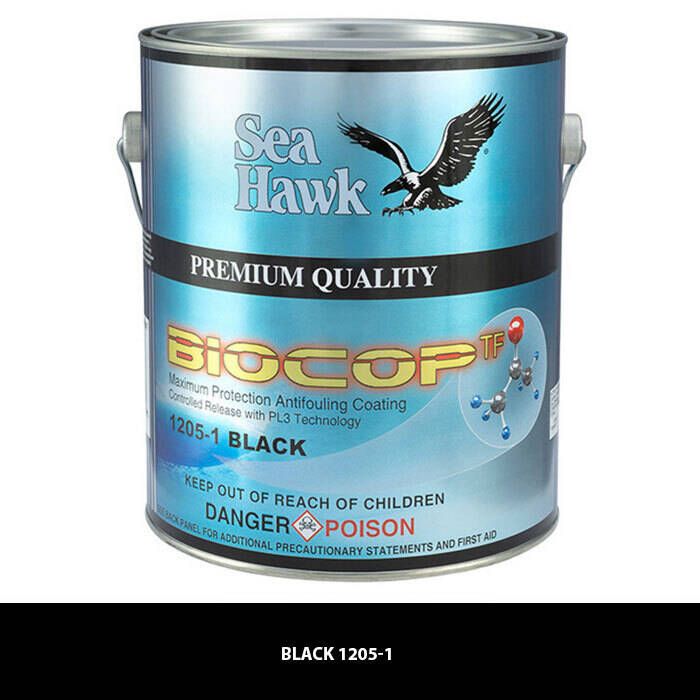
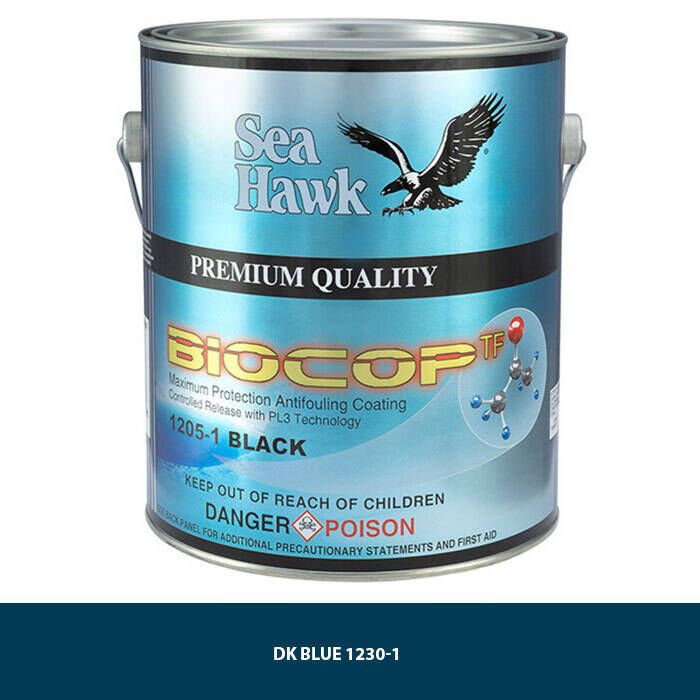
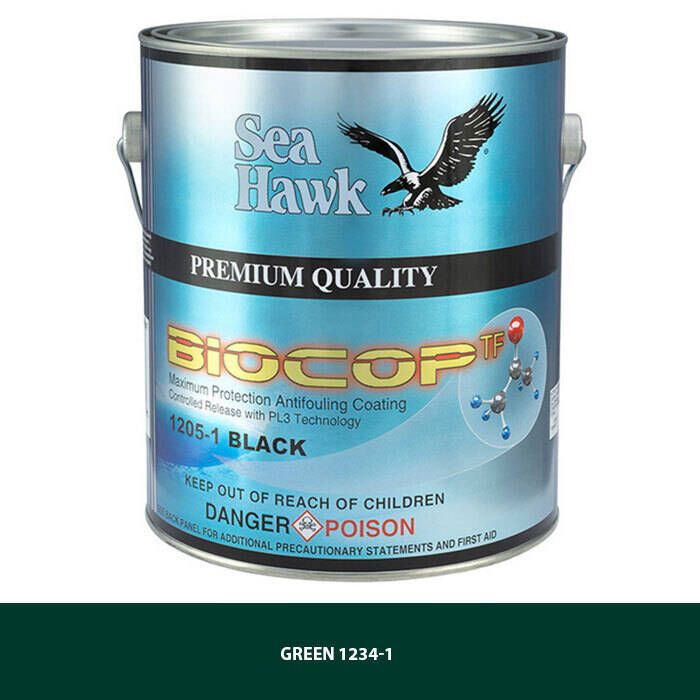
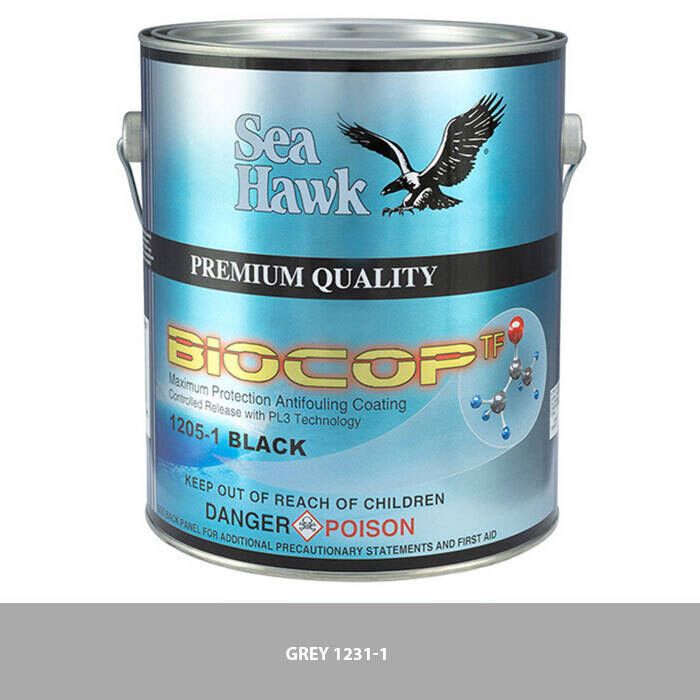
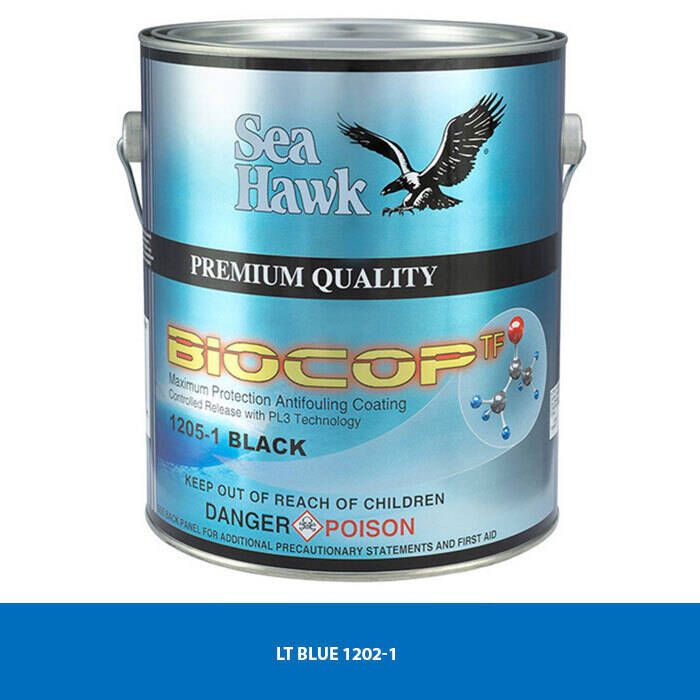
  12. Sea Hawk Biocop TF Dual Biocide Antifouling Bottom Paint

    $338.99 - $348.99
    15
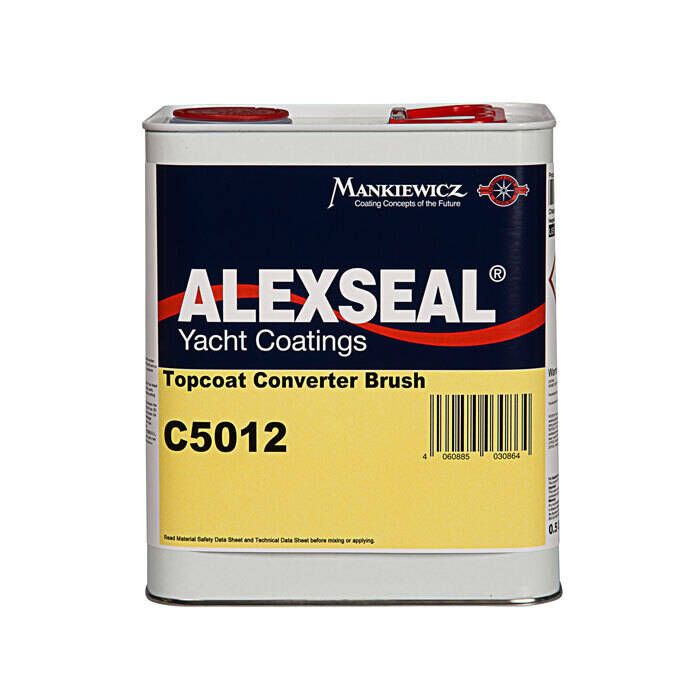
  13. Alexseal Topcoat Converter Brush

    $83.99 - $282.99
    8
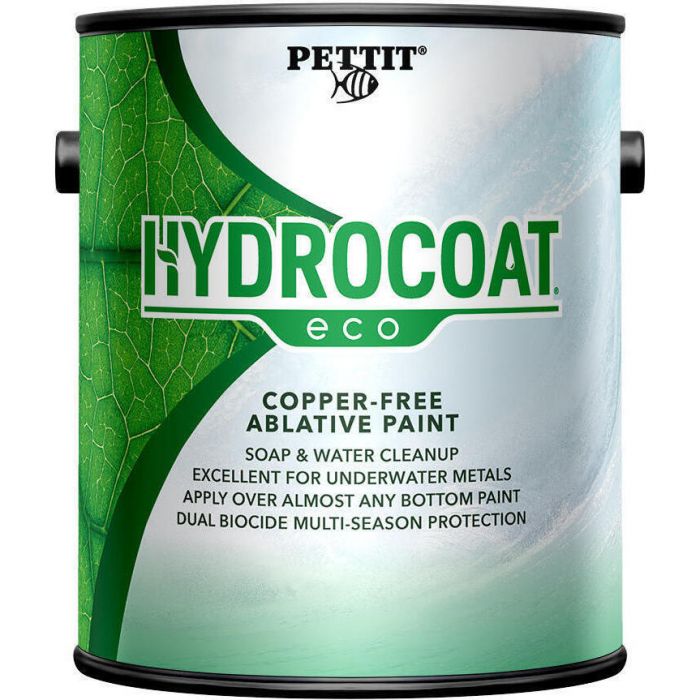
  14. Pettit Hydrocoat Eco Antifouling Bottom Paint

    $121.99 - $359.00
    21
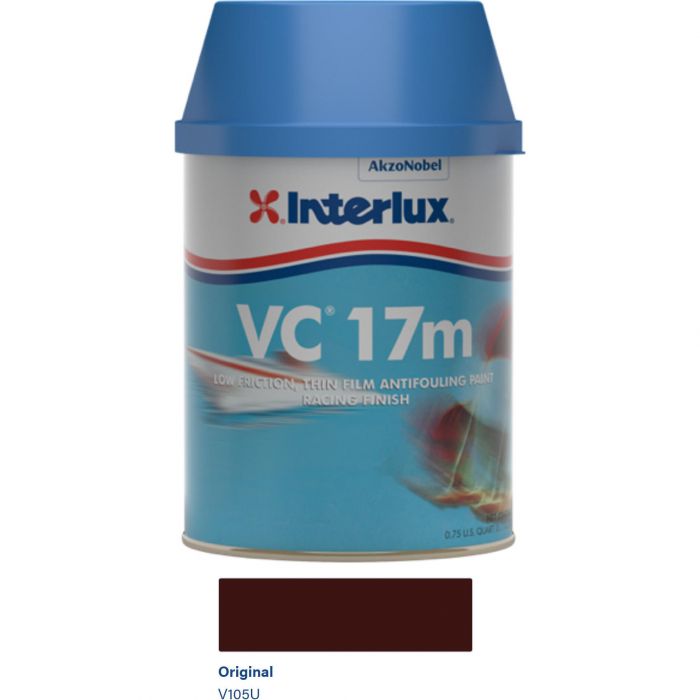
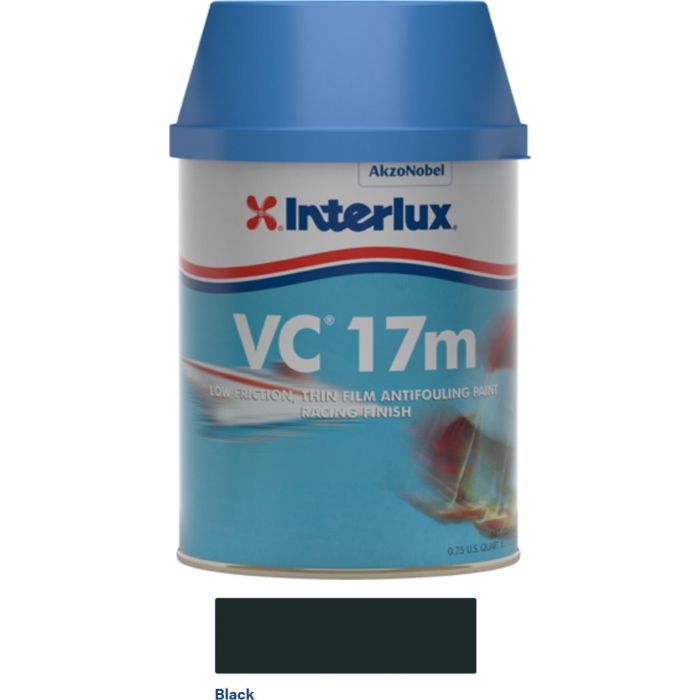
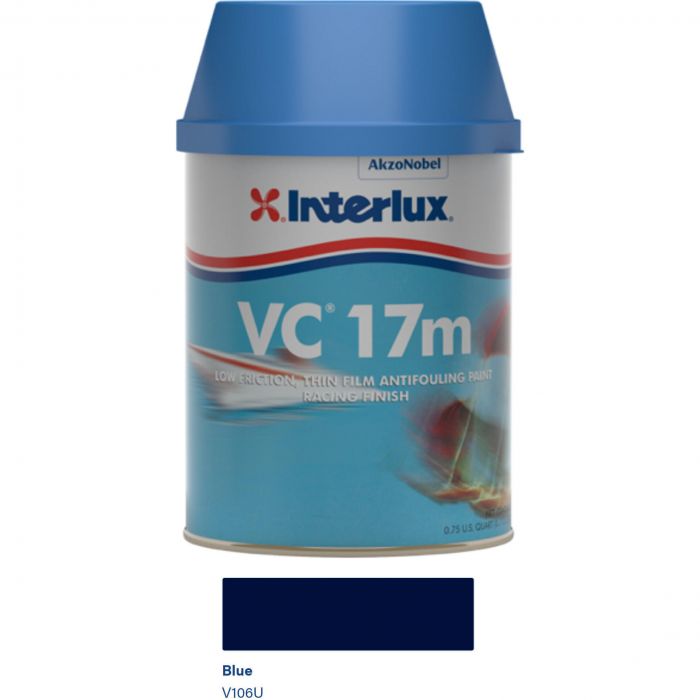
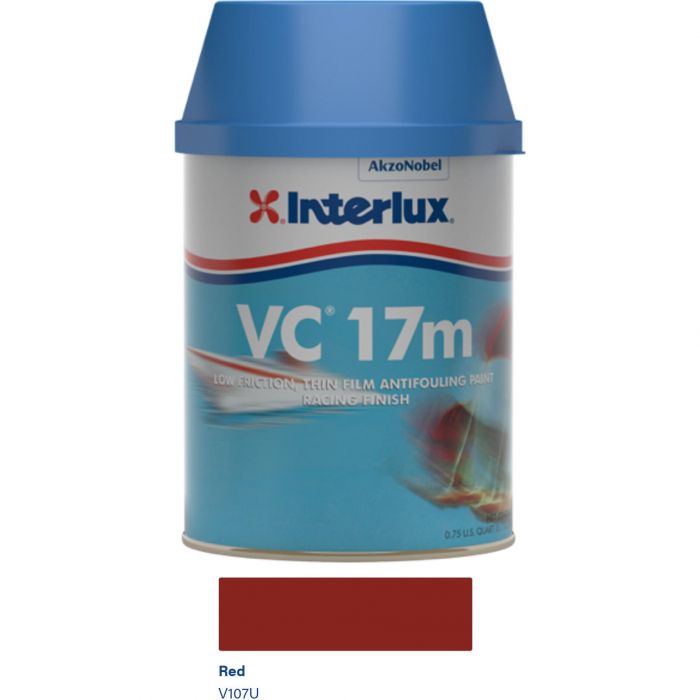
  15. Interlux VC-17M Thin Film Antifouling Bottom Paint

    $96.99 - $101.99
    40
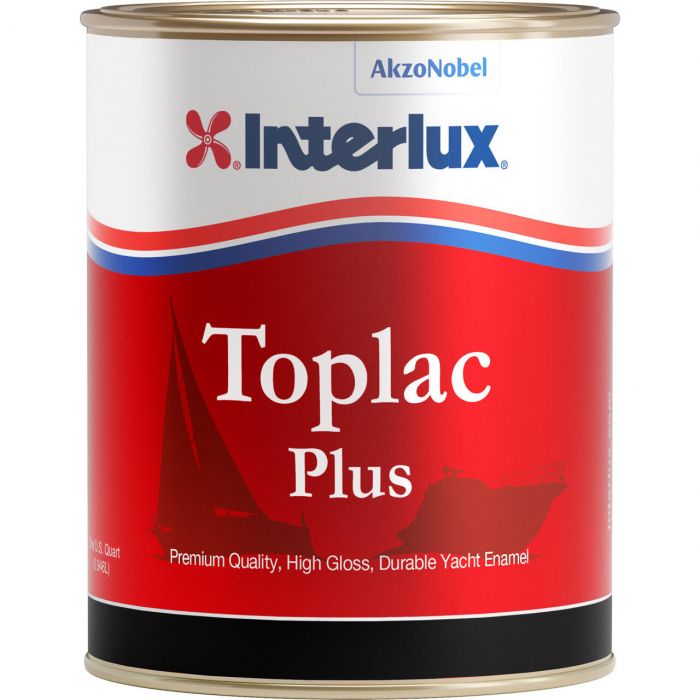
  16. Interlux Toplac Plus Topside Paint

    $64.99 - $197.99
    32
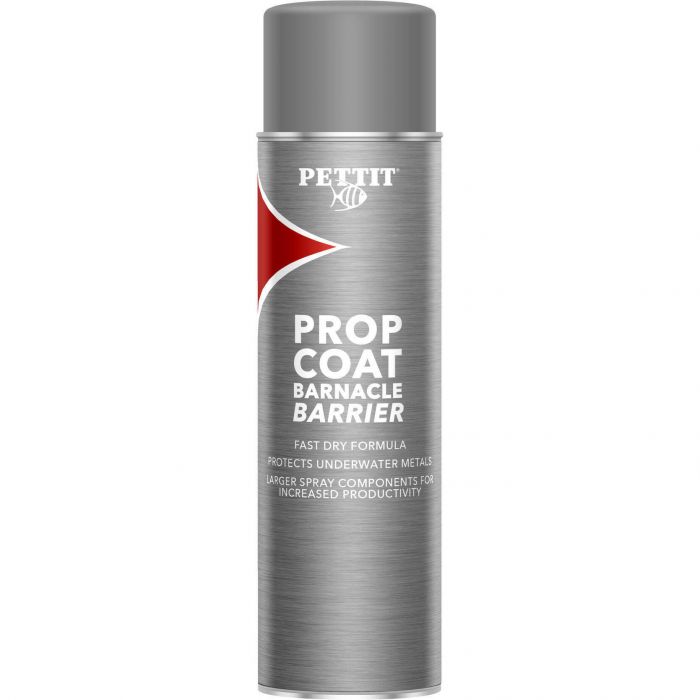
  17. Pettit Aerosol Prop Coat Barnacle Barrier Grey - 20 oz - 1792

    $34.99
    18
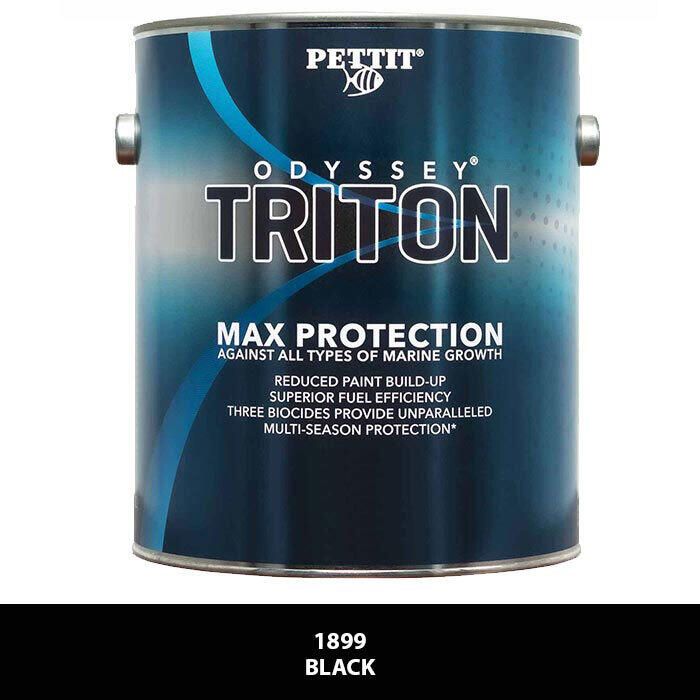
  18. Pettit Odyssey Triton Antifouling Paint

    $459.00 - $1,134.99
    3
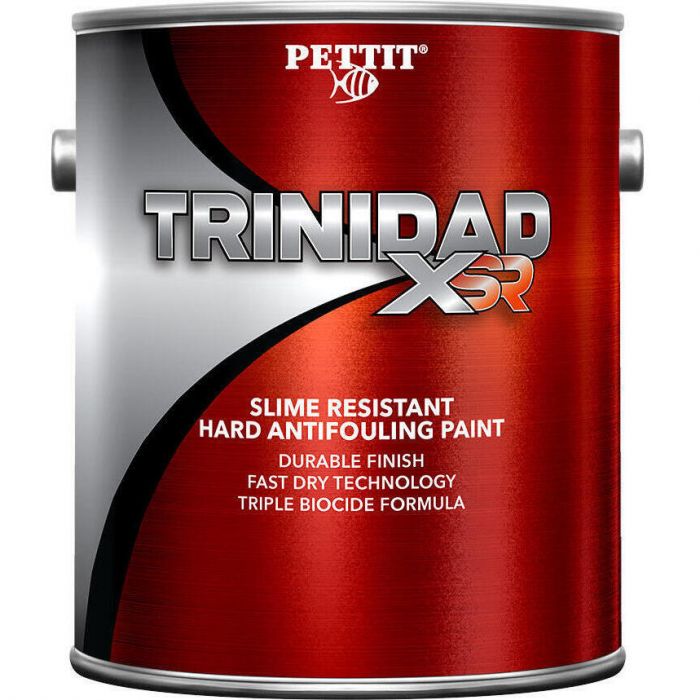
  19. Pettit Trinidad XSR Triple Biocide Hard Antifouling Paint

    $469.00 - $1,151.99
    8
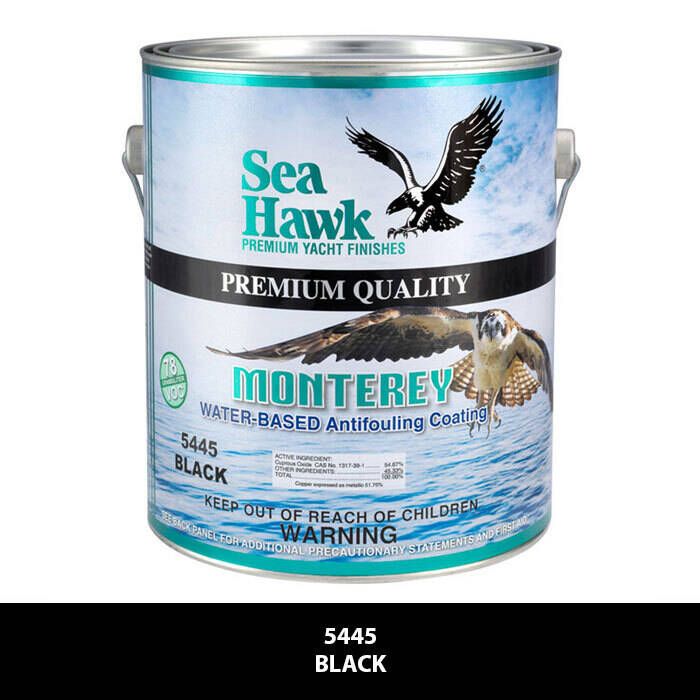
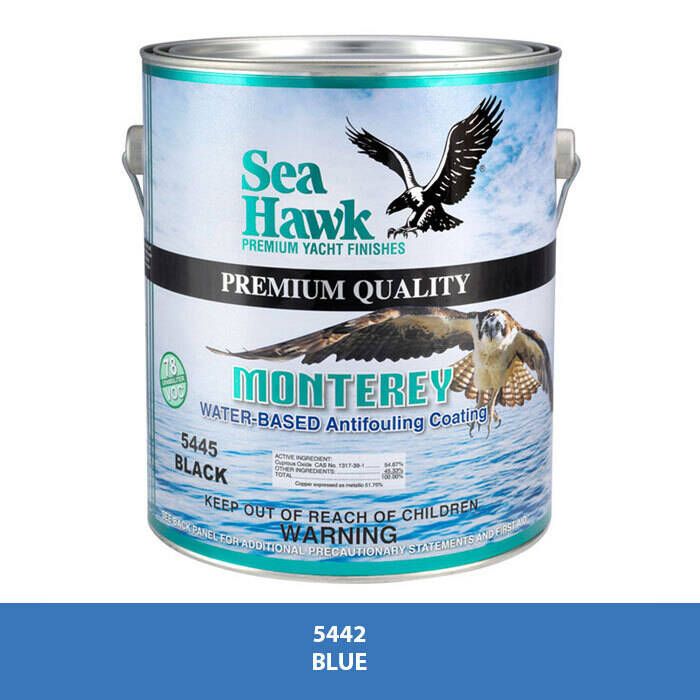
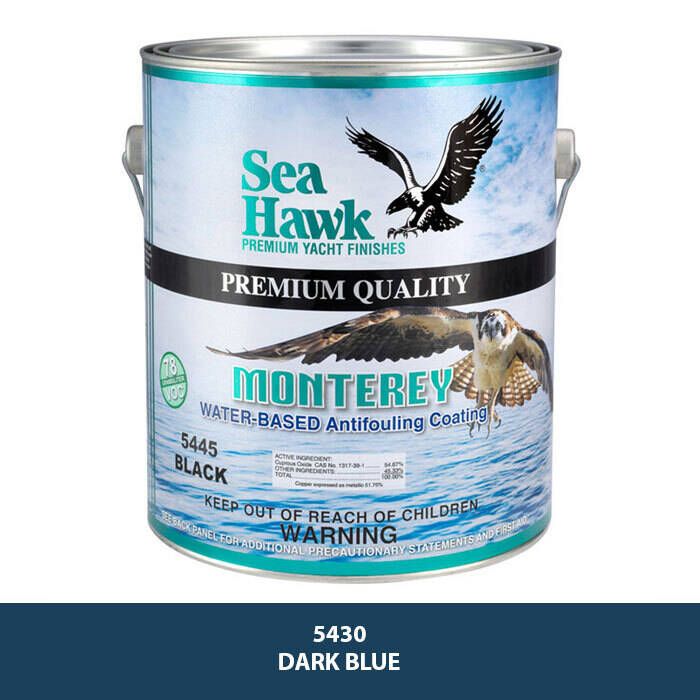
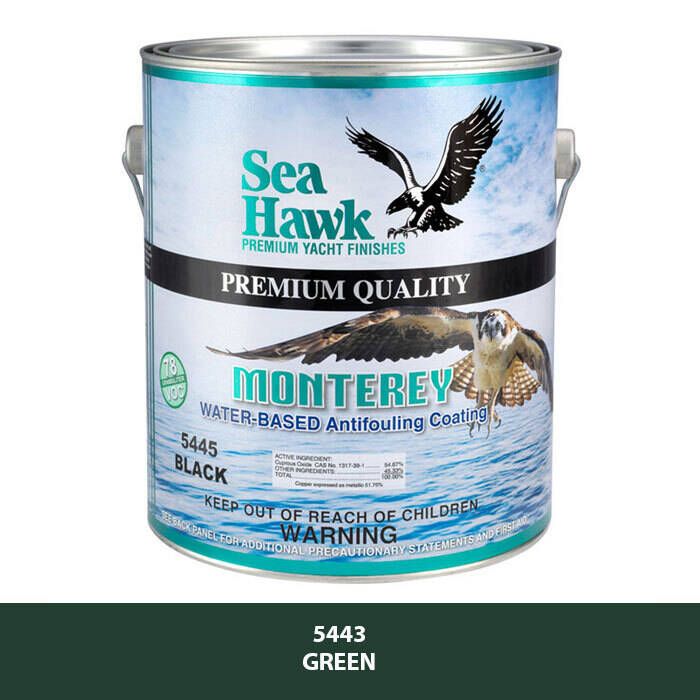
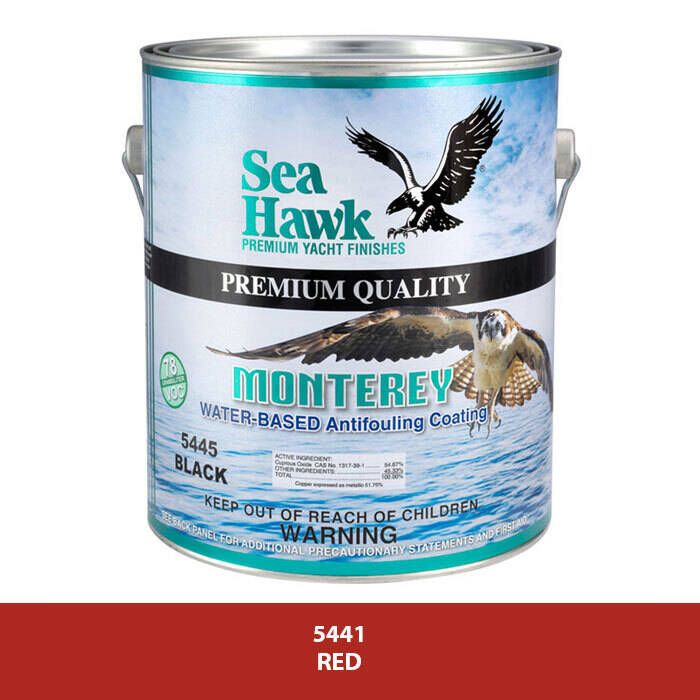
  20. Sea Hawk Monterey Water Based Antifouling Bottom Paint

    $58.99 - $188.99
    17
  21. Interlux VC Offshore Antifouling Bottom Paint

    $413.99
    6
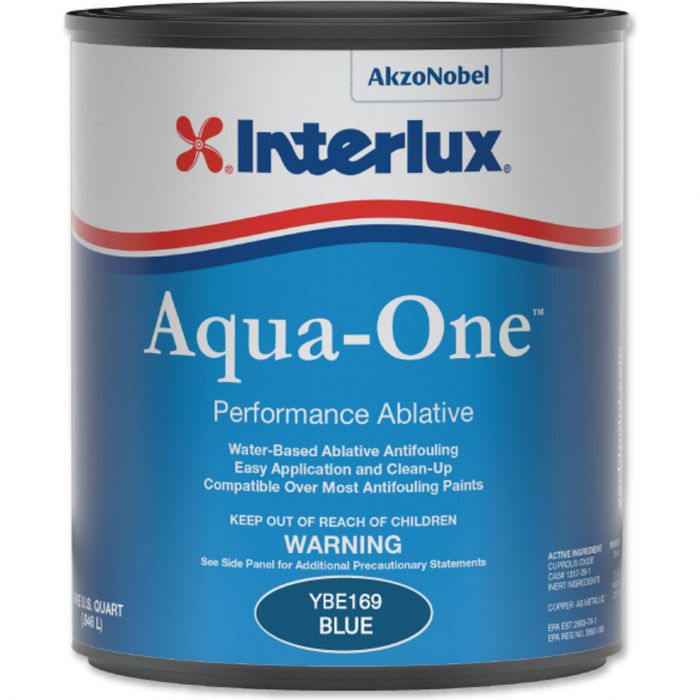
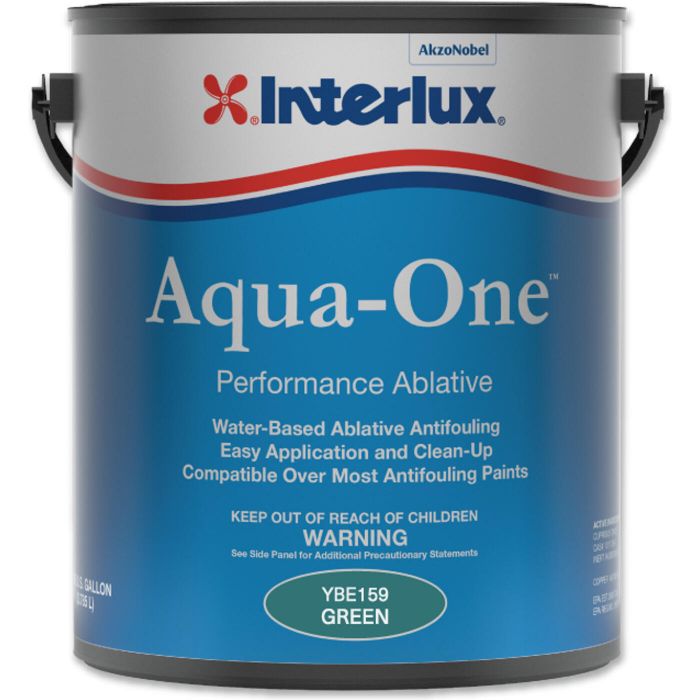
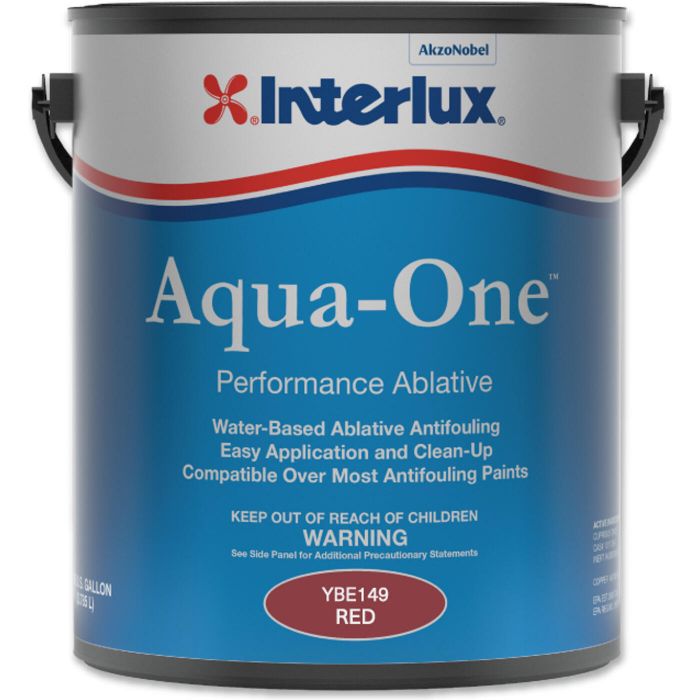
  22. Interlux Aqua One Antifouling Bottom Paint

    $51.99 - $406.99
    13
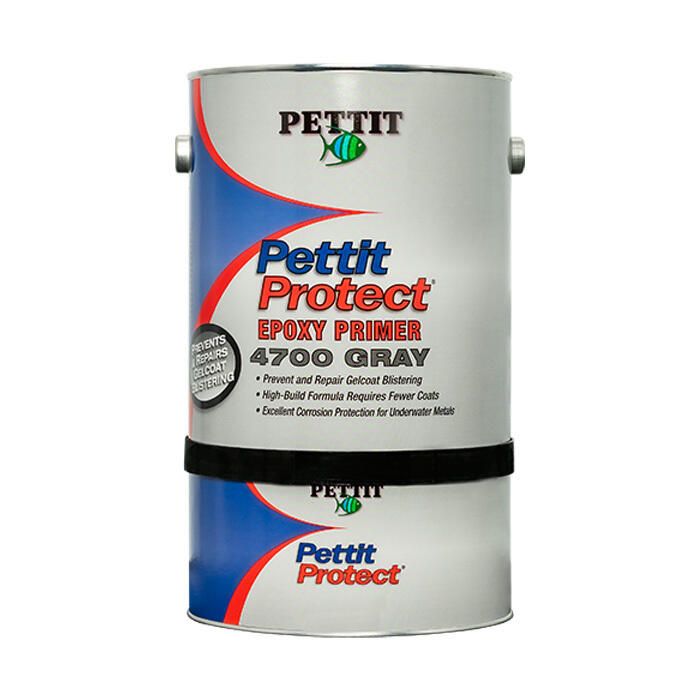
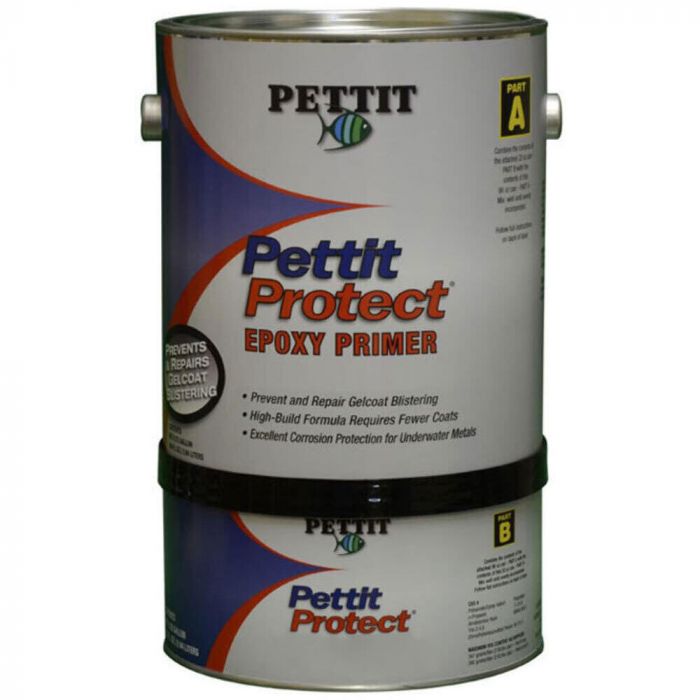
  23. Pettit Protect Epoxy Primer

    $56.99 - $149.00
    11
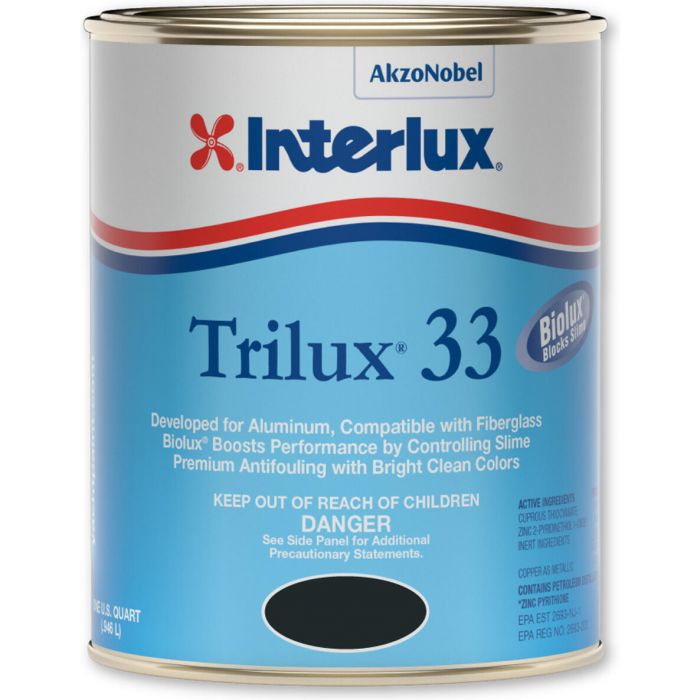
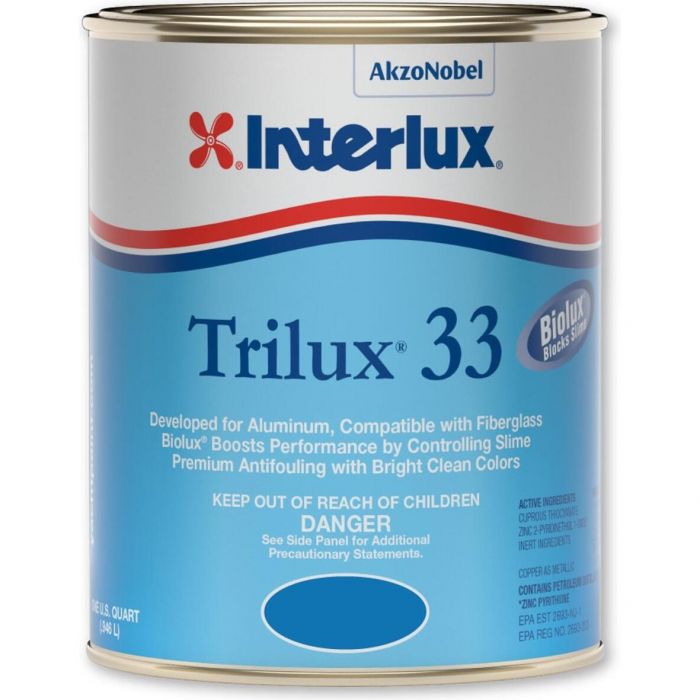
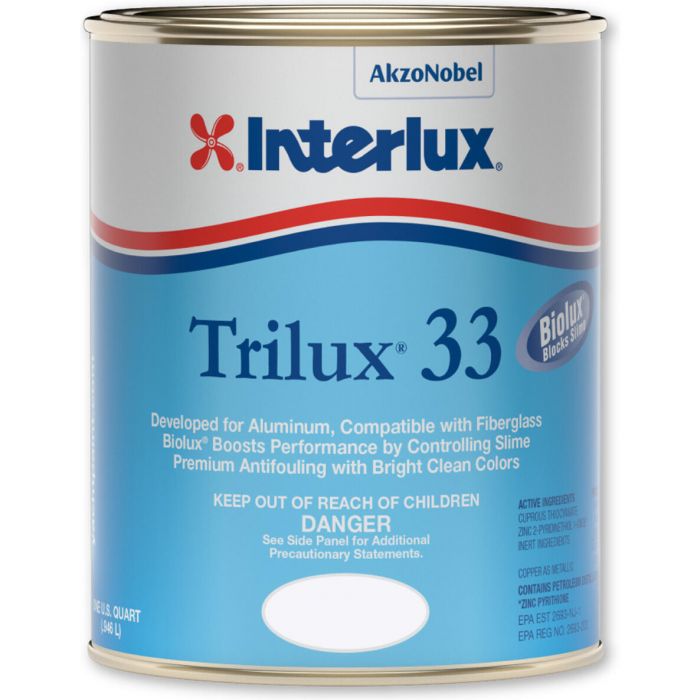
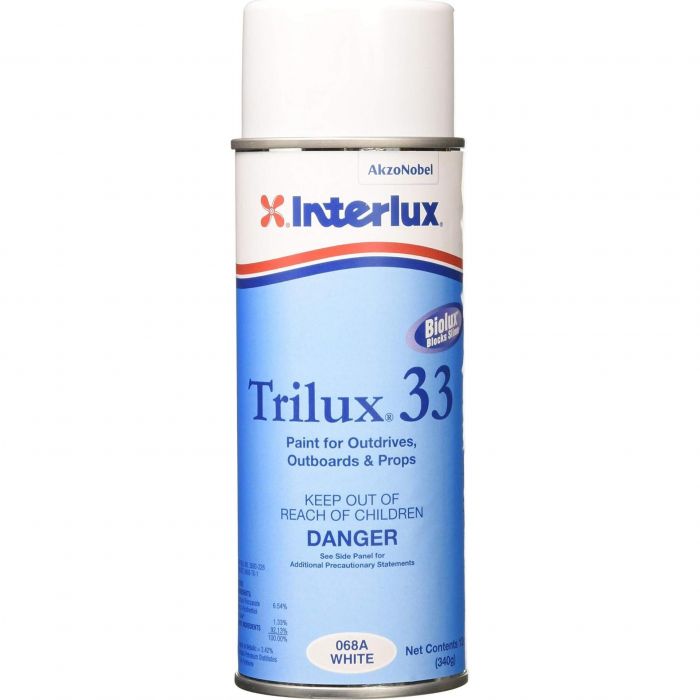
  24. Interlux Trilux 33 Antifouling Paint

    $65.99 - $336.99
    11
  25. SEMCO Teak Sealer

    $39.99 - $112.99
    24
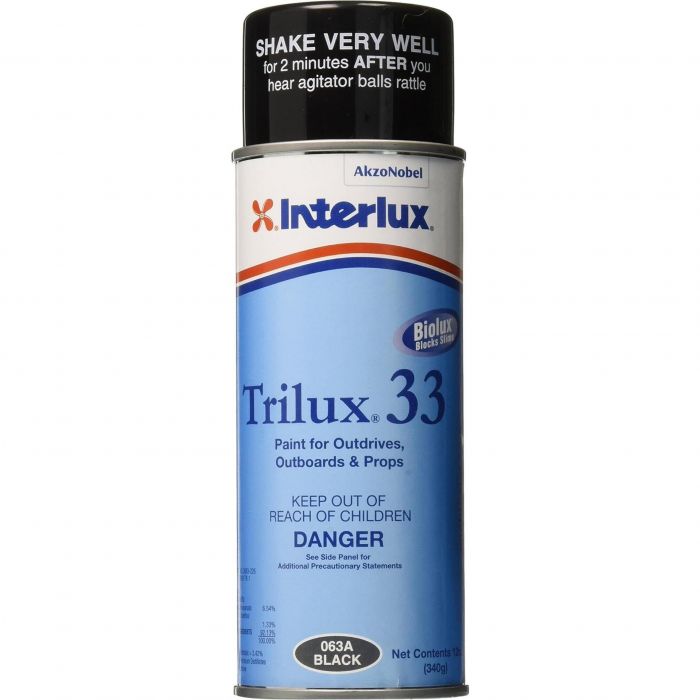
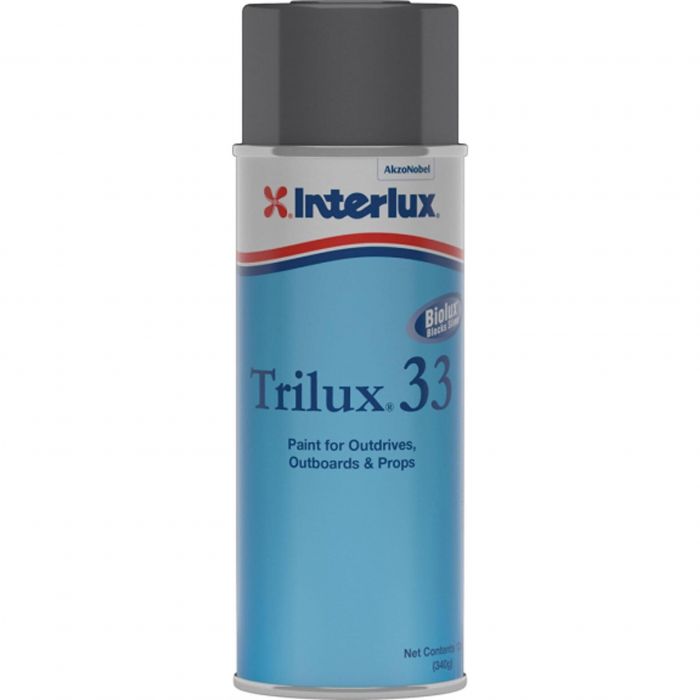
  26. Interlux Trilux 33 Aerosol Antifouling Paint

    $42.99 - $43.99
    11
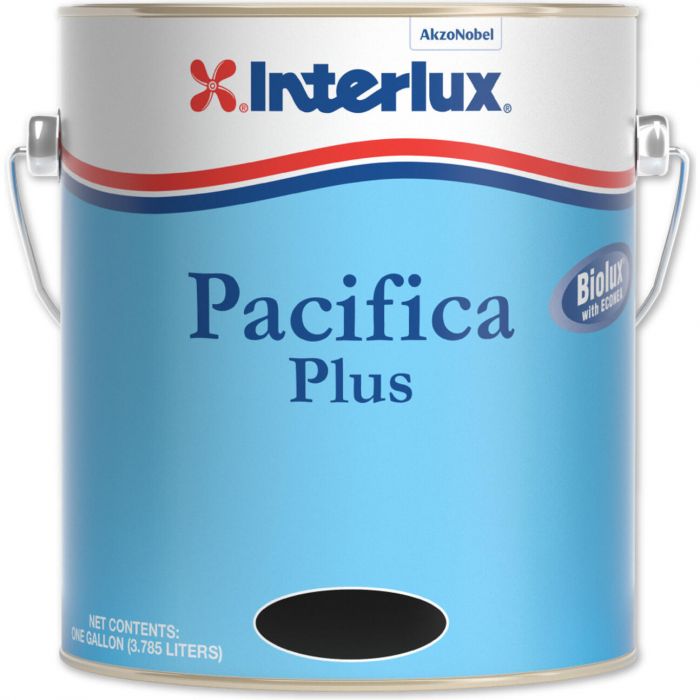
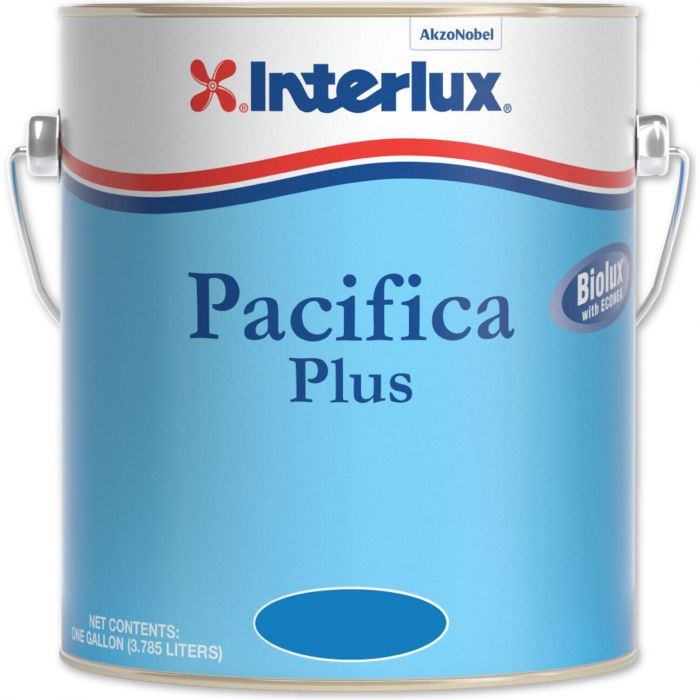
  27. Interlux Pacifica Plus Copper-Free Antifouling Paint

    $48.99 - $256.99
    8
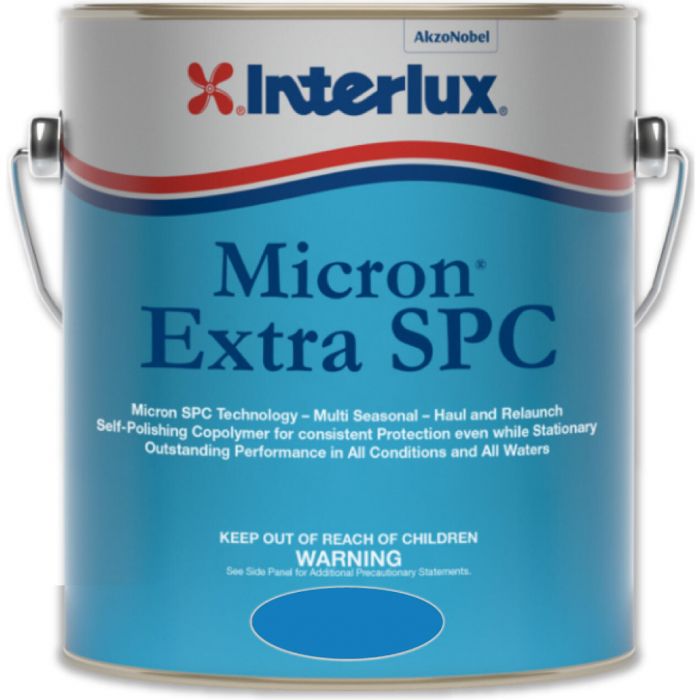
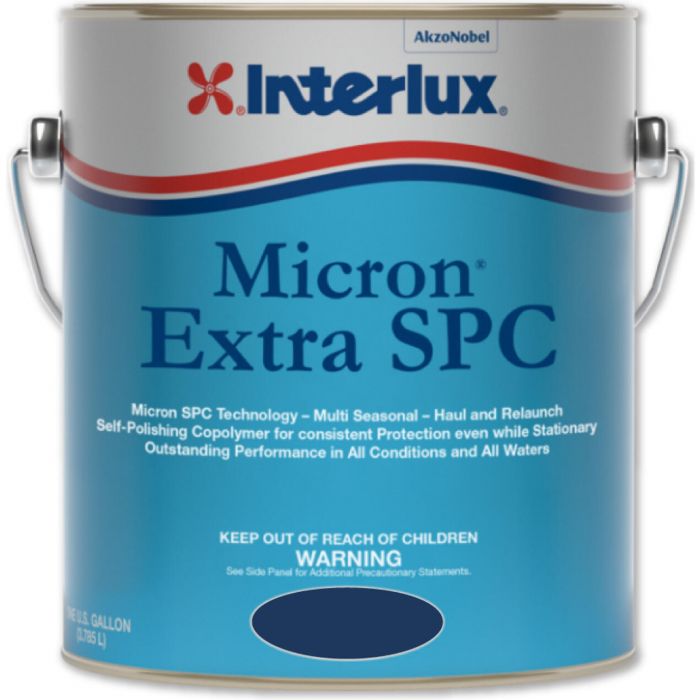
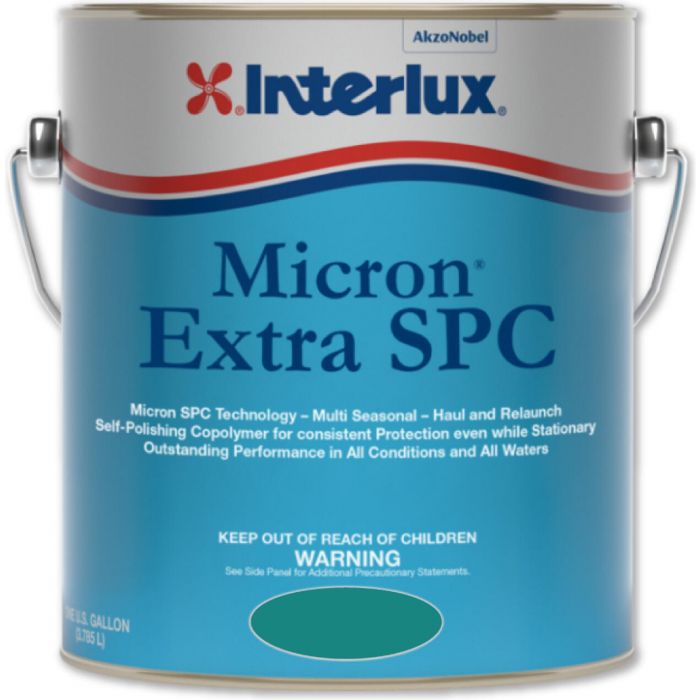
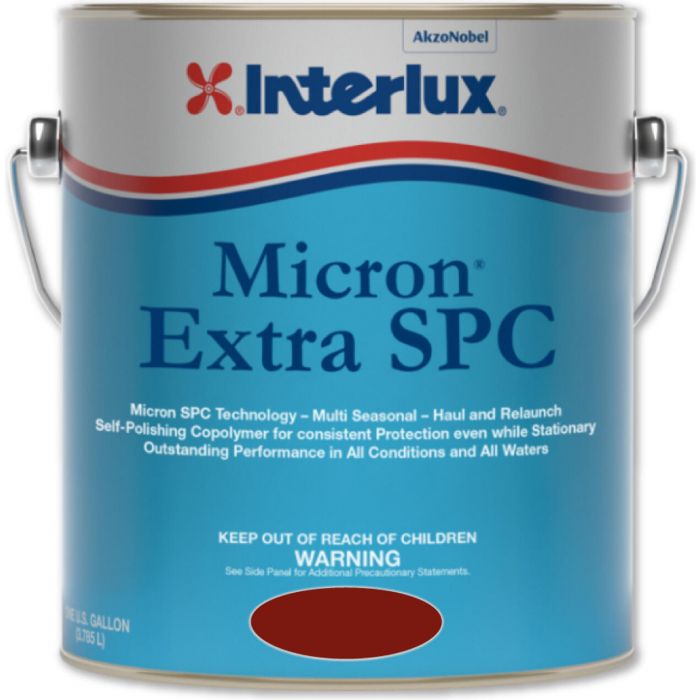
  28. Interlux Micron Extra SPC Antifouling Bottom Paint

    $143.61 - $348.99
    14
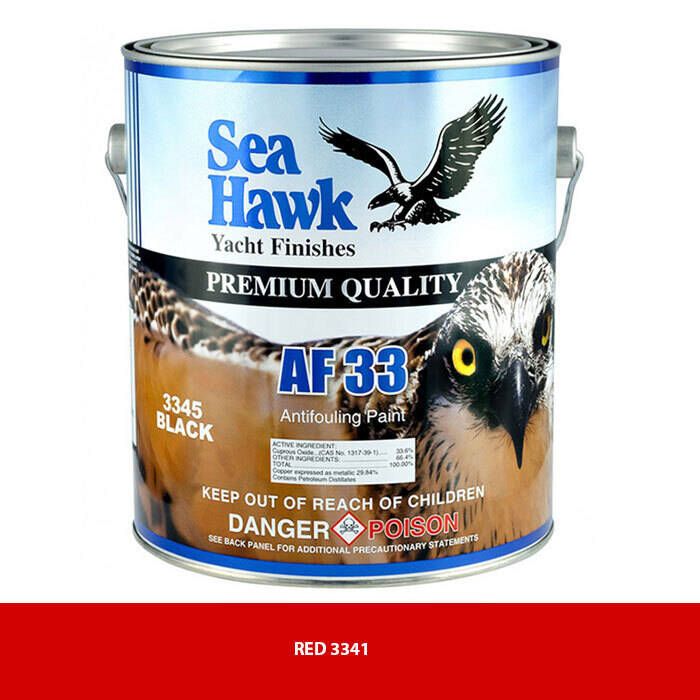
  29. Sea Hawk AF-33 Antifouling Bottom Paint

    $54.99 - $174.99
    13
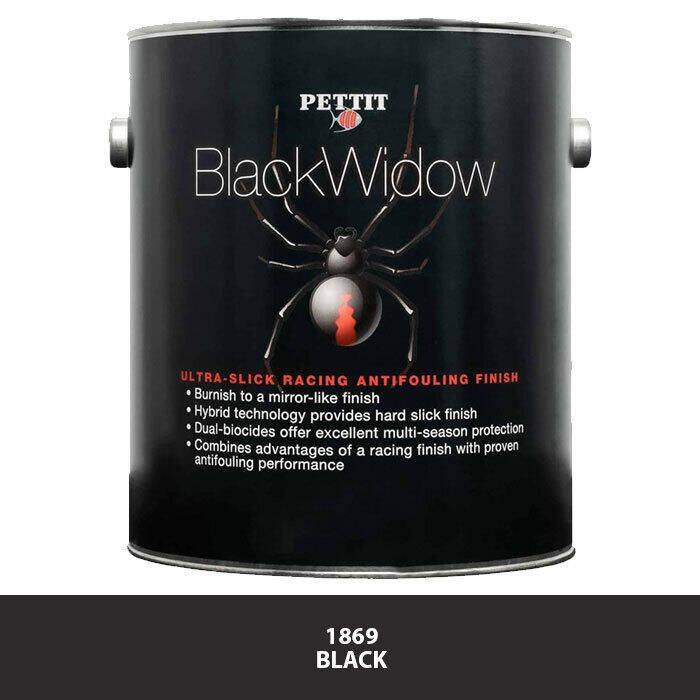
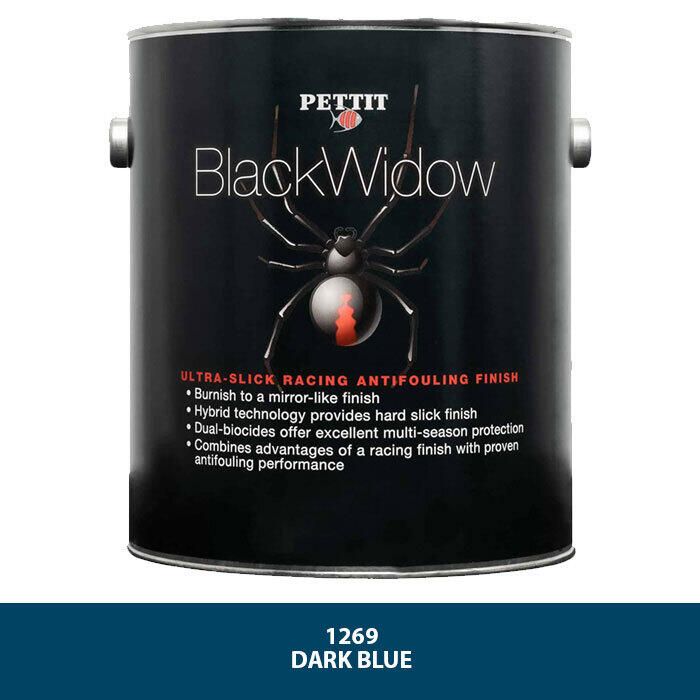
  30. Pettit Black Widow Antifouling Racing Paint

    $409.00
    2
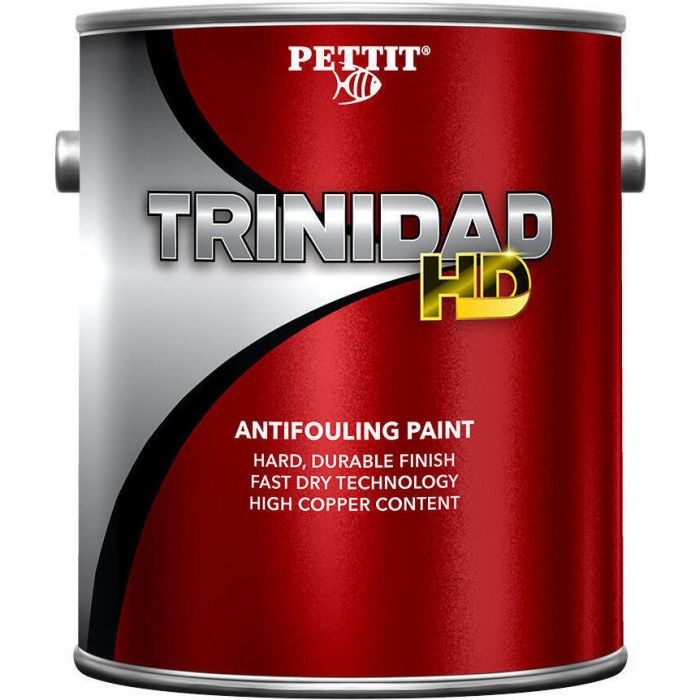
  31. Pettit Trinidad HD Antifouling Bottom Paint

    See price in cart
    7
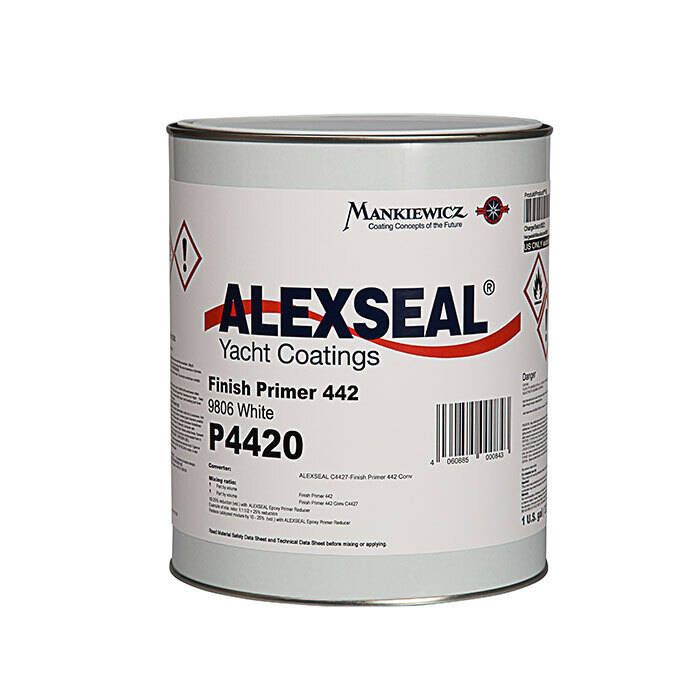
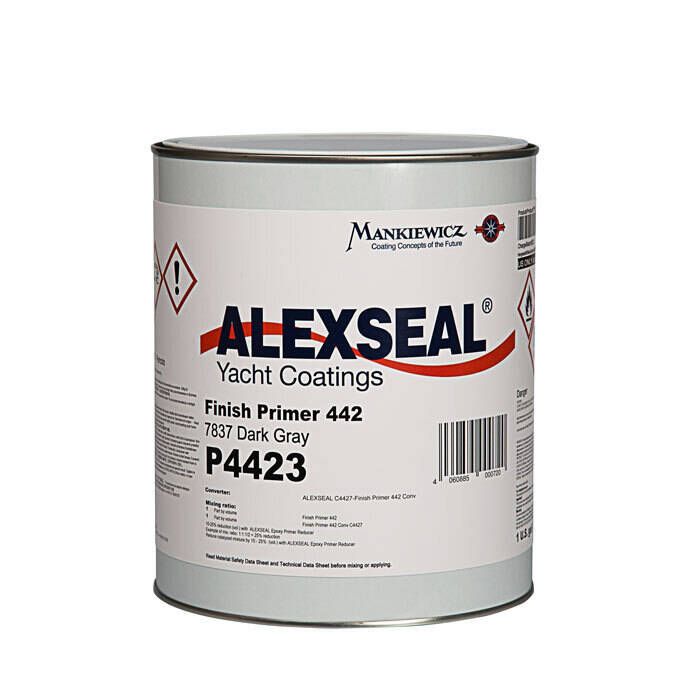
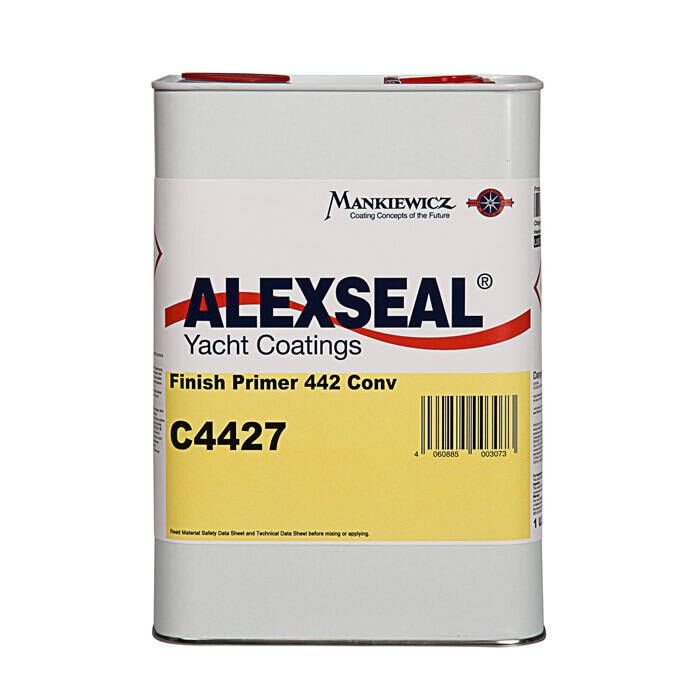
  32. Alexseal Finish Primer 442

    $61.99 - $166.99
    2
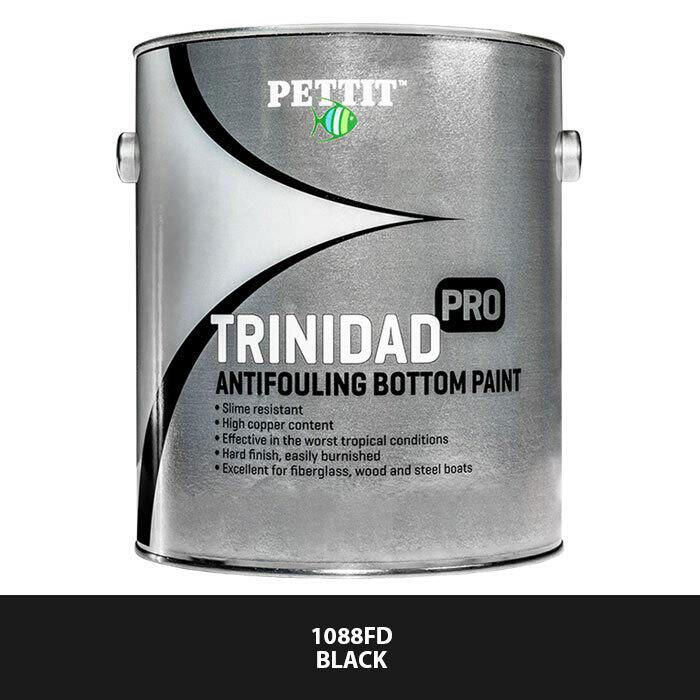
  33. Pettit Trinidad Pro Antifouling Bottom Paint

    $388.99
    5
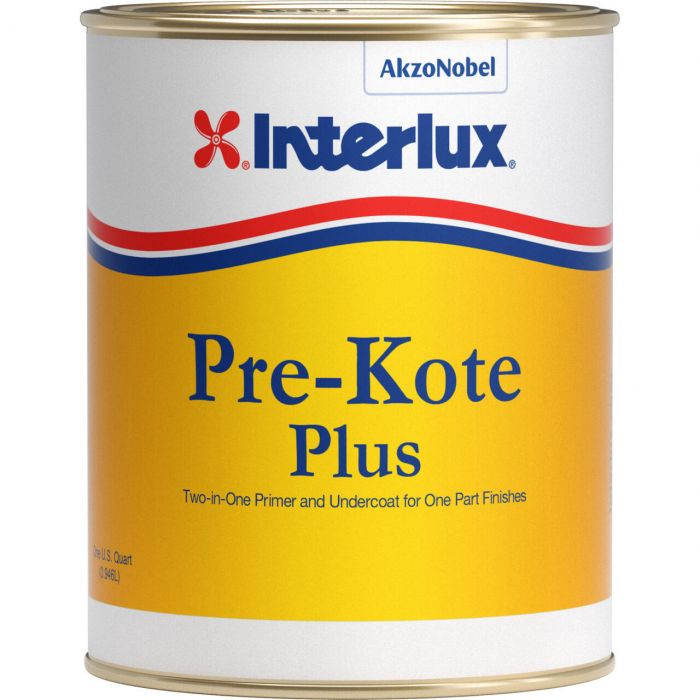
  34. Interlux Pre-Kote Plus Primer

    $47.99 - $159.99
    5
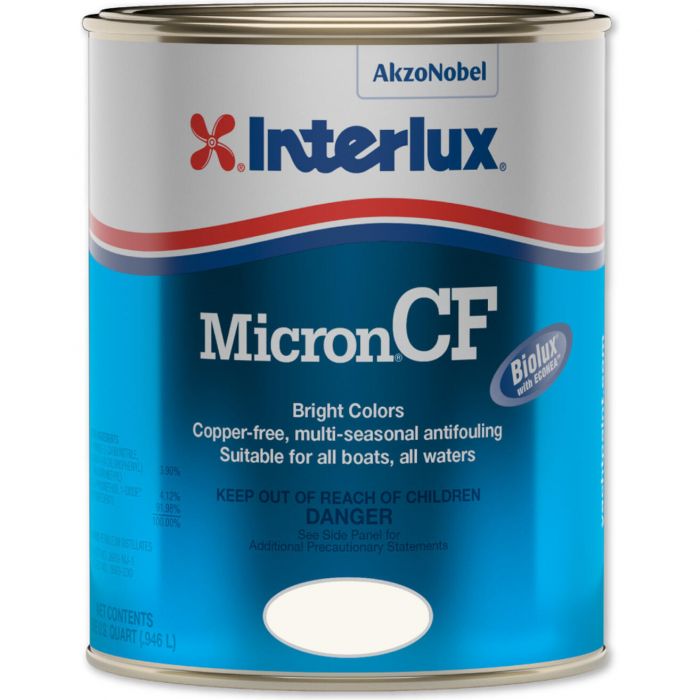
  35. Interlux Micron CF Antifouling Bottom Paint

    $108.99 - $327.99
    5
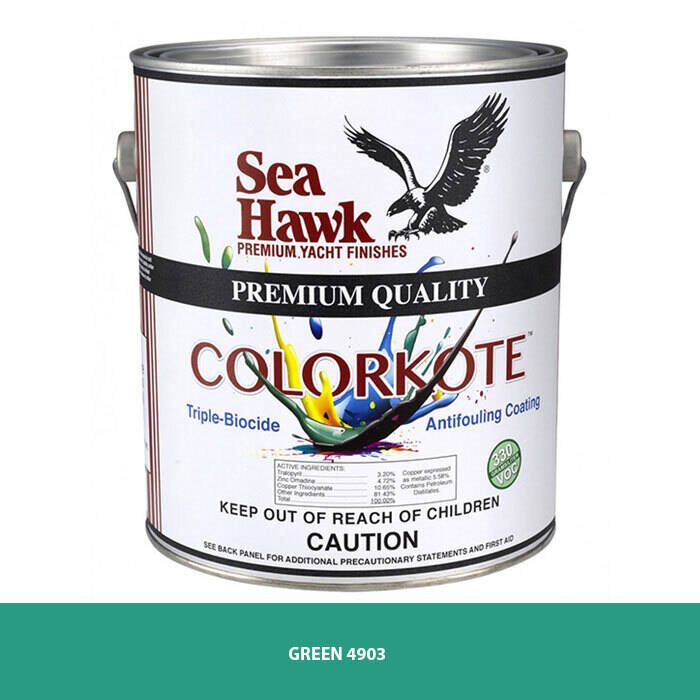
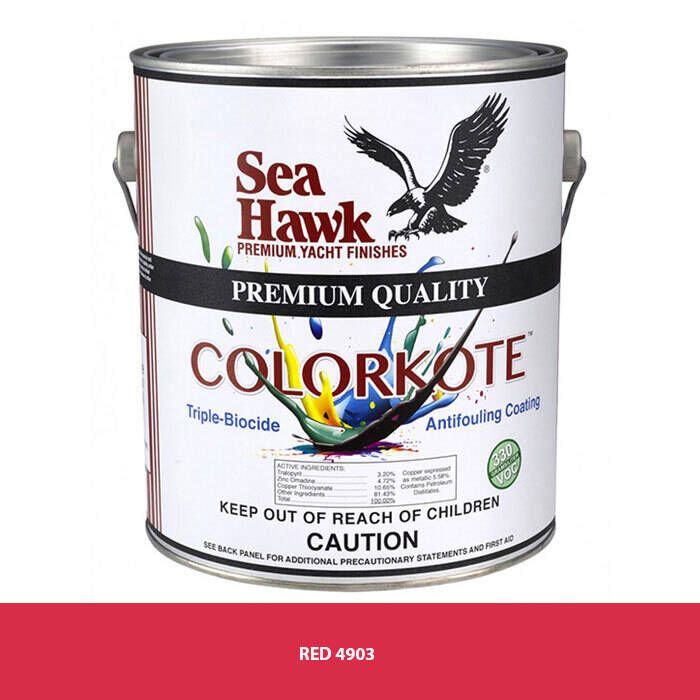
  36. Sea Hawk ColorKote Vibrant Antifouling Bottom Paint

    $106.99 - $308.99
    6
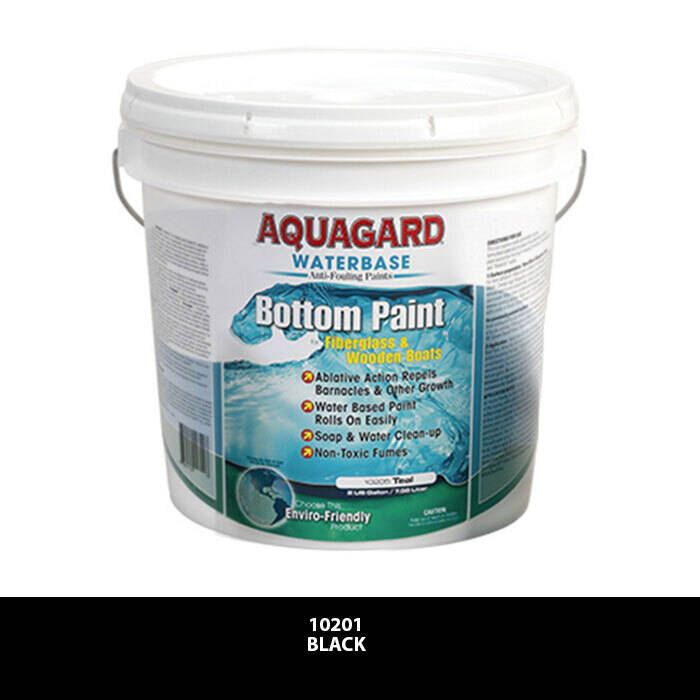
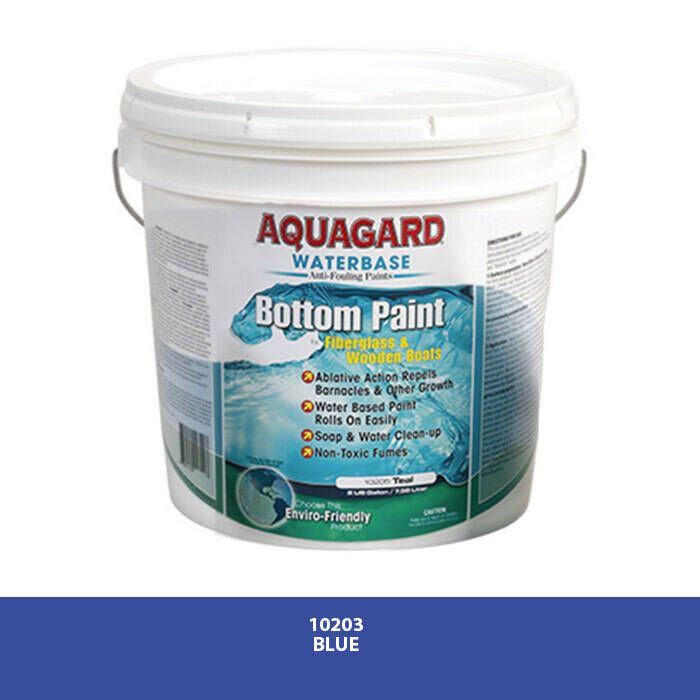
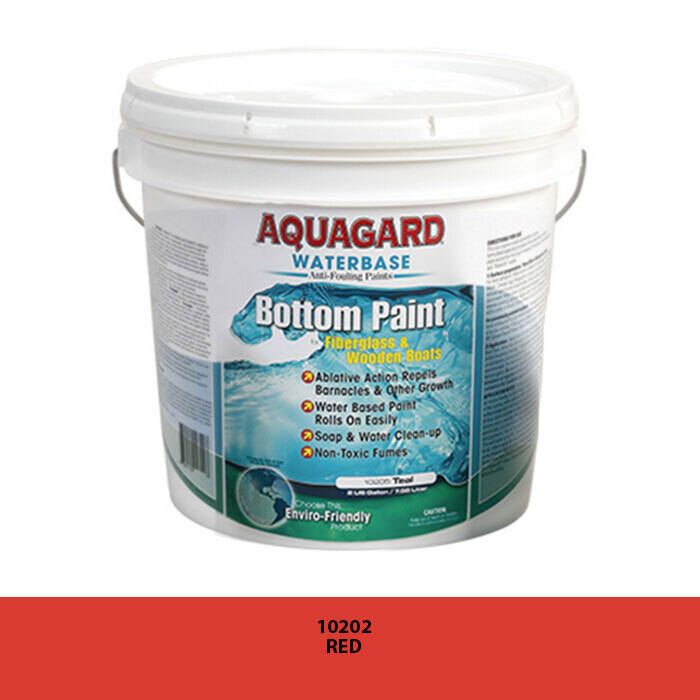
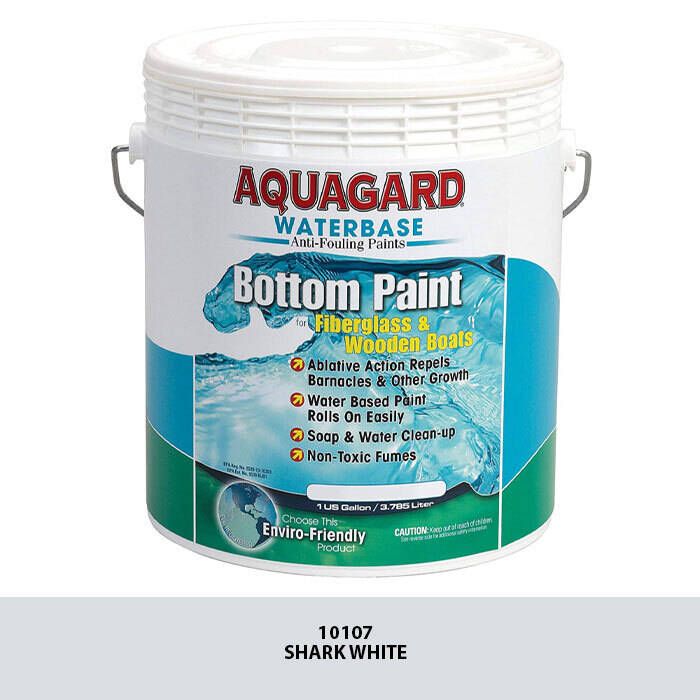
  37. Aquagard Antifouling Bottom Paint

    $46.99 - $258.99
    15
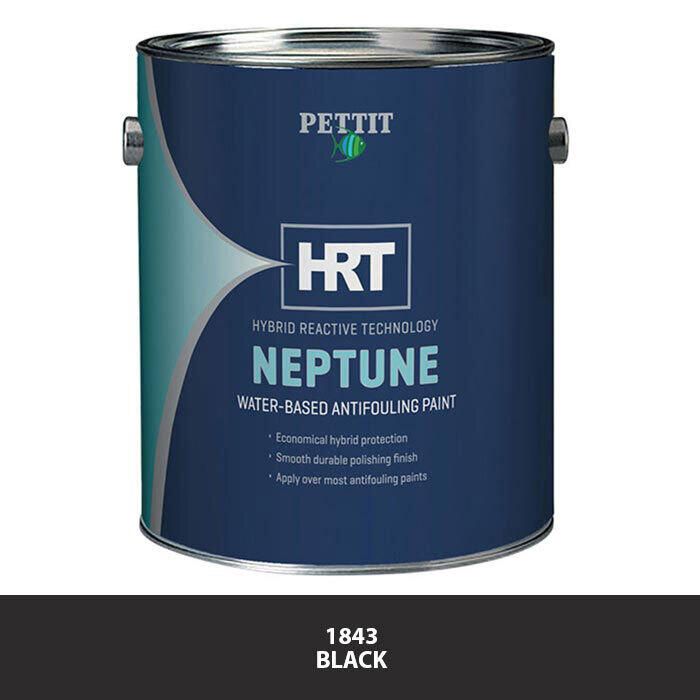
  38. Pettit Neptune HRT Water-Based Antifouling Bottom Paint

    $43.99 - $145.00
    13
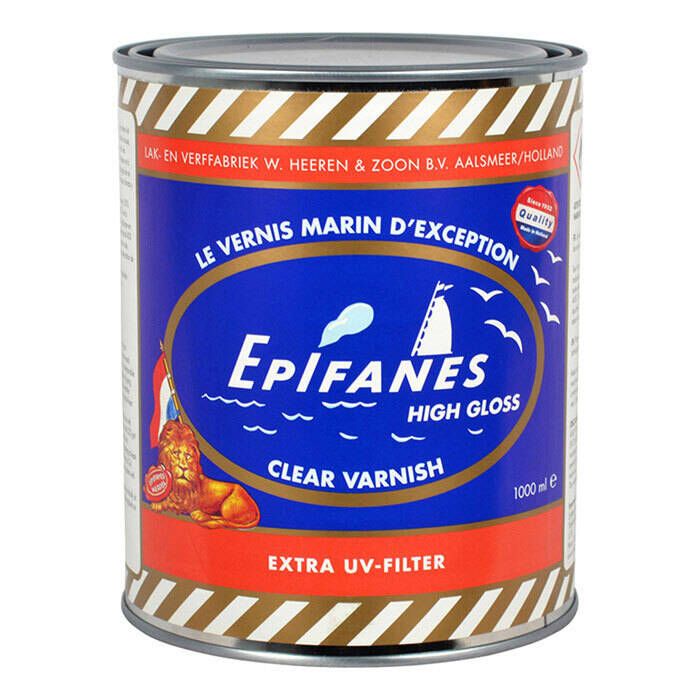
  39. Epifanes Clear Varnish

    $19.56 - $211.99
    14
  40. Alexseal Finish Primer 442 Converter

    $62.99 - $166.99
    2
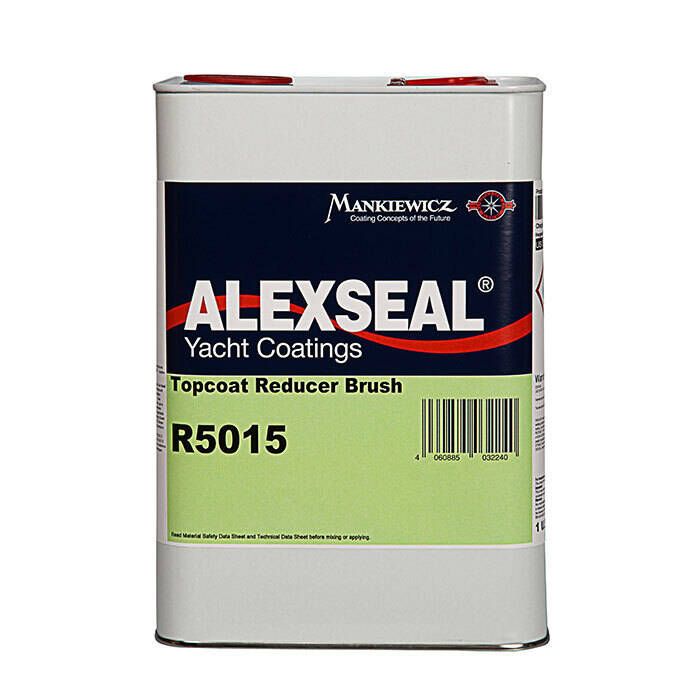
  41. Alexseal R5015 Topcoat Reducer Brush

    $45.99 - $101.99
    5
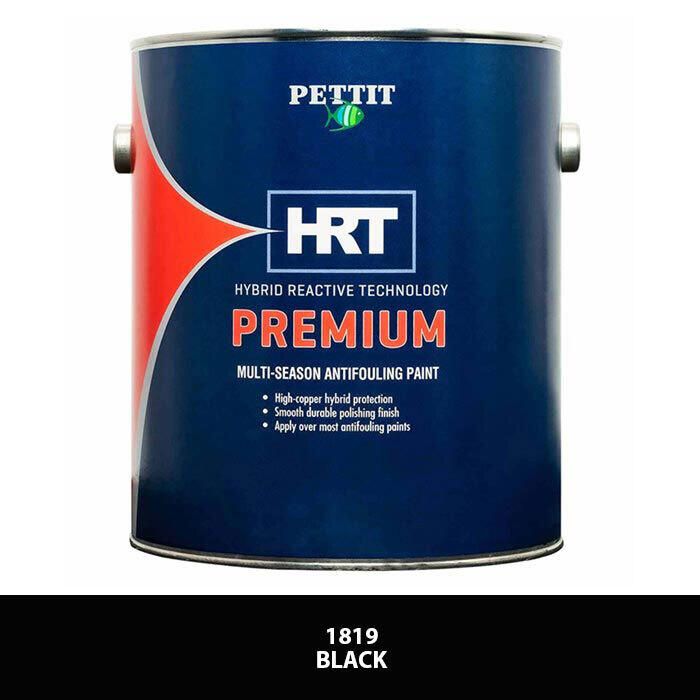
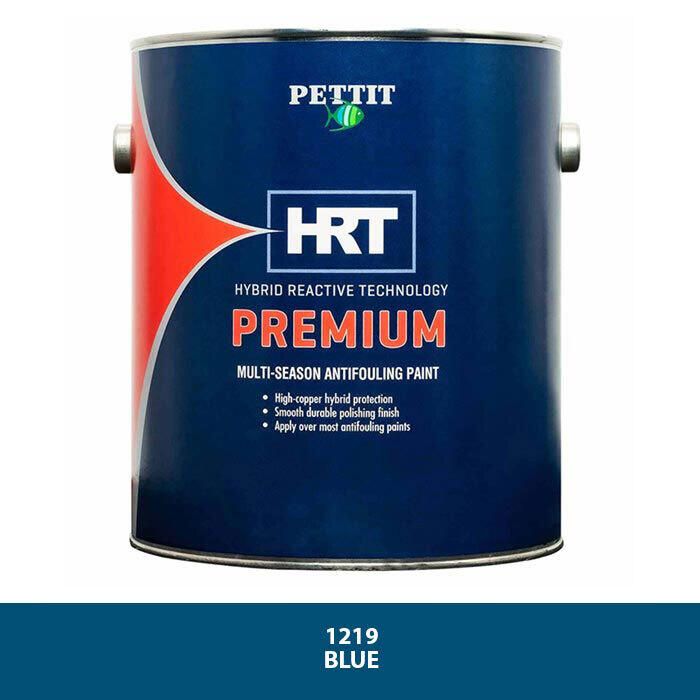
  42. Pettit Premium HRT Multi-Season High Copper Antifouling

    $184.00
    4
  43. Pettit Prop Coat Barnacle Barrier Zinc Protection - Grey - 1792Q

    $108.99
    8
  44. Pettit Antifouling Bottom Paint for Inflatable Boats - Black - 1841Q

    $59.99
    9
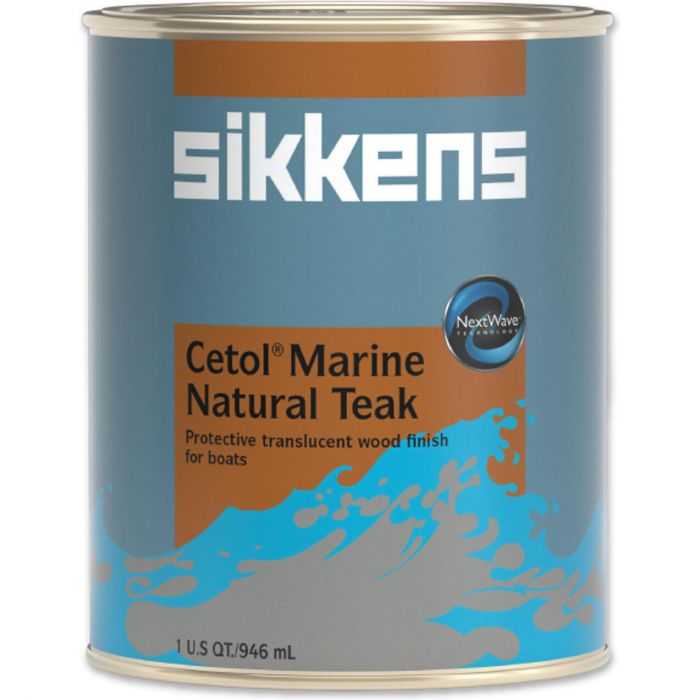
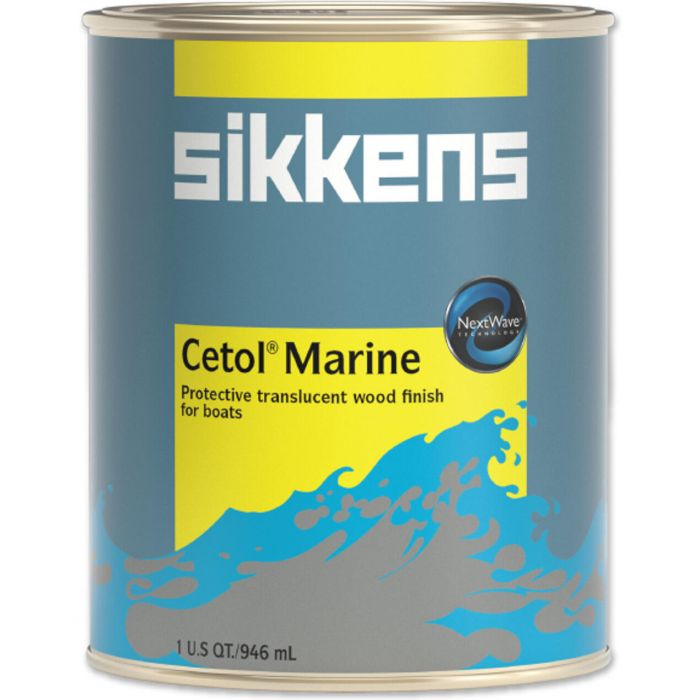
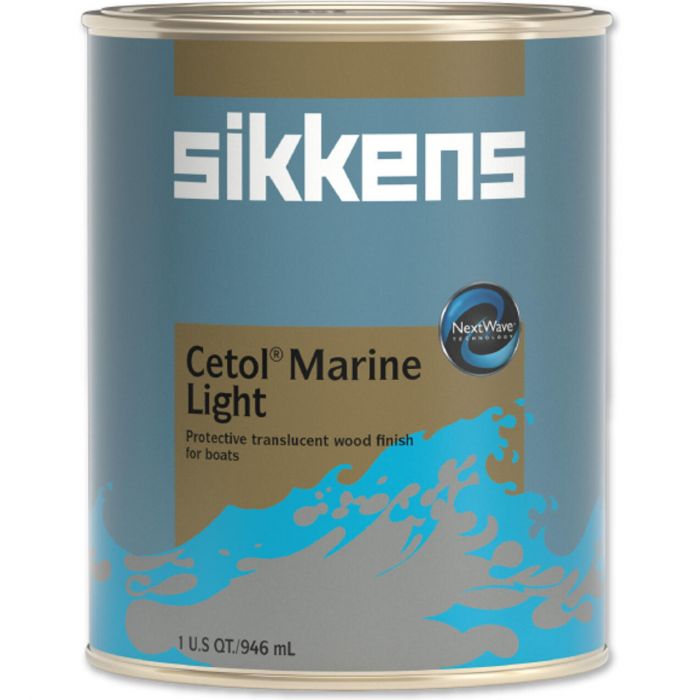
  45. Interlux Sikkens Cetol Marine Wood Finish

    $41.34 - $150.99
    24
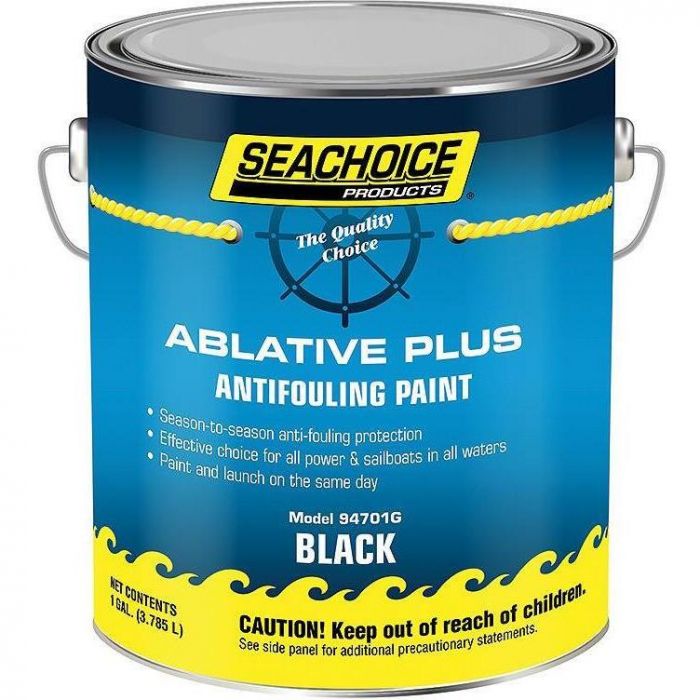
  46. Seachoice Ablative Plus Premium Antifouling Paint

    $104.99 - $106.99
    2
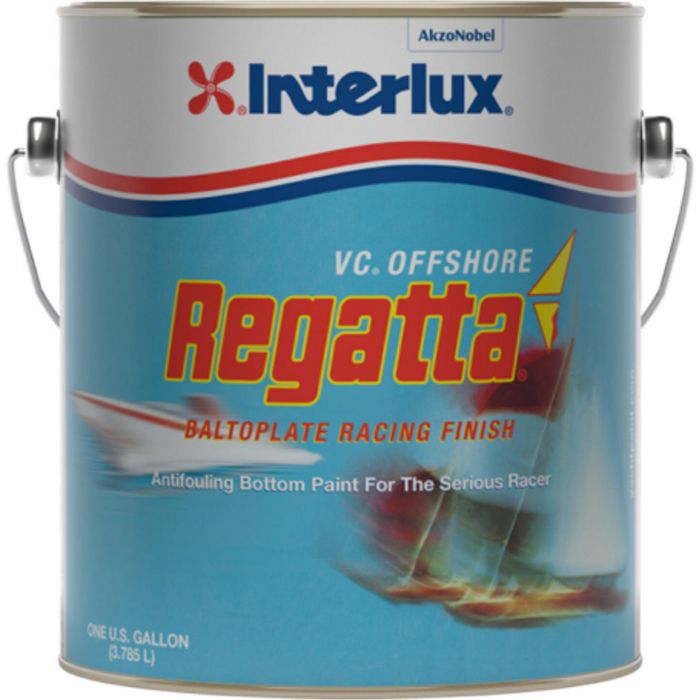
  47. Interlux VC Offshore Regatta Baltoplate Antifouling Bottom Paint - Grey - R3950/1

    $419.99
    3
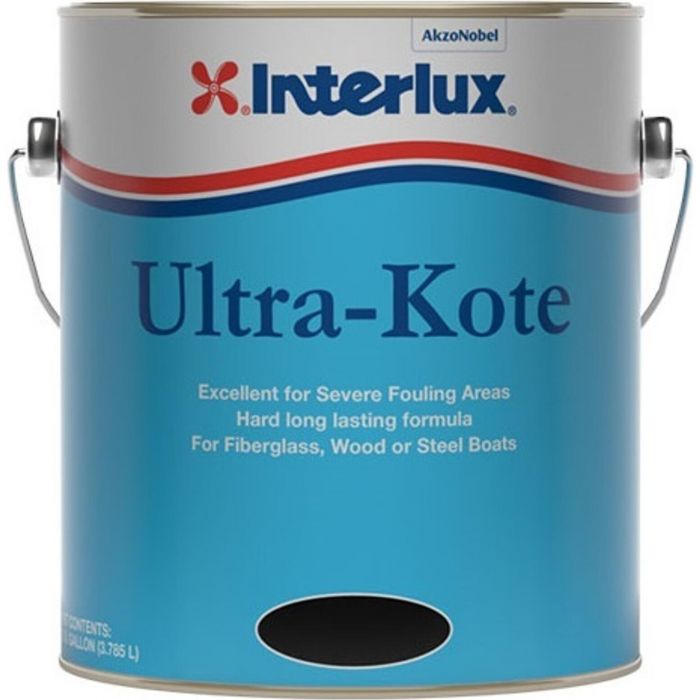
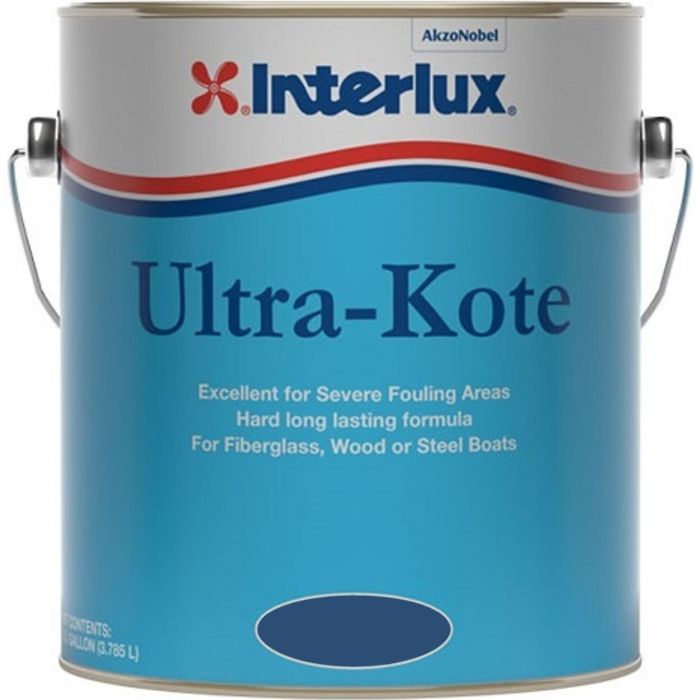
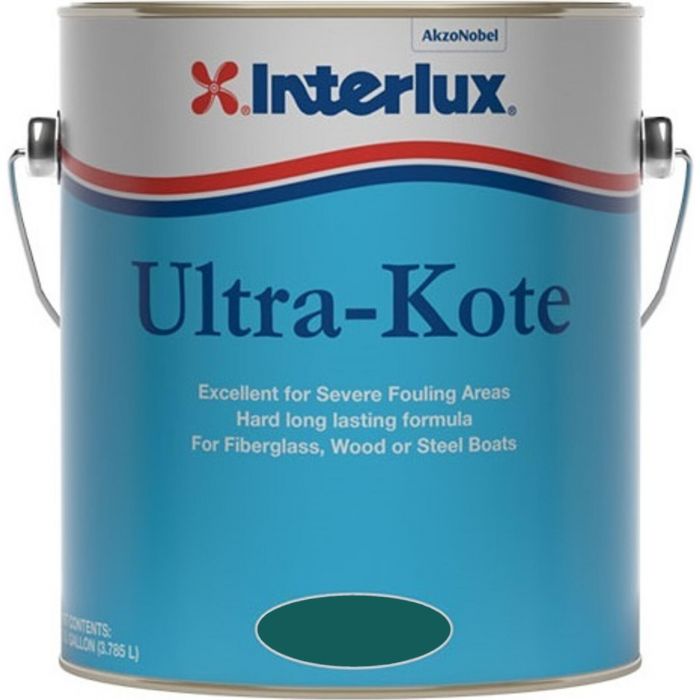
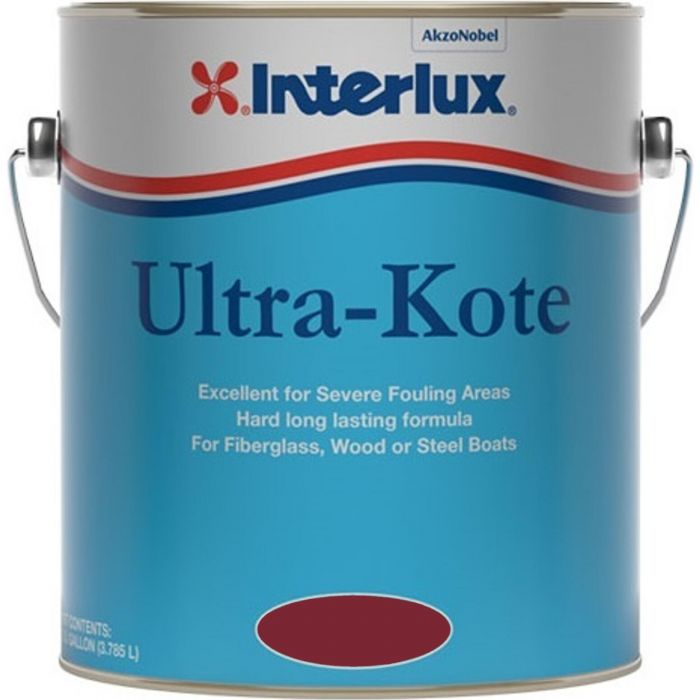
  48. Interlux Ultra-Kote Antifouling Bottom Paint

    $187.99
    1
 
1 / 8Next

About Paint & Painting Supplies

FAQ - Defender - Paints

Where can I buy boat paint?

You can buy boat paint at various marine supply stores, home improvement centers, and online retailers like Defender.com. It's essential to choose a reputable source that specializes in marine products to ensure you're getting quality paint specifically designed for the harsh conditions of the water. When selecting boat paint, consider the type of finish you need-whether it's anti-fouling, topside, or bottom paint. Always check the product specifications to ensure compatibility with your boat's material and intended use, and don't hesitate to ask for advice from experts if you're unsure.

What paint is best to use on fiberglass boat?

When it comes to painting fiberglass boats, you want a paint that can withstand the harsh marine environment while providing a durable finish. Two excellent options are polyurethane paints and epoxy-based paints; both offer strong adhesion and resistance to UV rays, water, and chemicals. Before you start painting, make sure to properly prepare the surface by cleaning, sanding, and priming as needed. This prep work is crucial for ensuring the paint adheres well and lasts longer, so don't skip it if you want your boat looking sharp and protected for years to come.

What is the best paint for an aluminum boat?

When it comes to painting an aluminum boat, the best choice is a high-quality marine-grade paint specifically designed for metal surfaces. Look for products that are formulated to resist corrosion and UV damage, such as epoxy or polyurethane paints, which provide a tough, durable finish that can withstand the harsh marine environment. Before you start painting, make sure to properly prepare the surface by cleaning it thoroughly and removing any oxidation. A good primer is essential for aluminum; choose a zinc chromate or self-etching primer to ensure proper adhesion and longevity of the topcoat. With the right materials and prep work, you'll have a finish that not only looks great but also protects your investment for years to come.

How to paint an fiberglass boat?

Painting a fiberglass boat requires careful preparation to ensure a smooth and durable finish. Start by thoroughly cleaning the surface with soap and water, then sand it down to remove any old paint, oxidation, or imperfections. Use a medium-grit sandpaper to scuff the surface, followed by a fine-grit paper for a smooth finish. Once the surface is prepped, apply a marine-grade primer designed for fiberglass to promote adhesion. After the primer dries, choose a high-quality marine paint that suits your boat's needs, whether it's for aesthetics or protection. Use a roller for larger areas and a brush for edges and details, applying thin, even coats and allowing proper drying time between applications.

How to paint an aluminium boat?

Painting an aluminum boat requires careful preparation to ensure a long-lasting finish. Start by thoroughly cleaning the surface with a mild detergent and water, then rinse and let it dry completely. Next, use sandpaper or a grinder to remove any oxidation and create a rough surface for the paint to adhere to. After prepping, apply a high-quality marine primer specifically designed for aluminum, allowing it to cure as per the manufacturer's instructions. Once the primer is dry, choose a marine-grade paint that suits your needs-either spray or roll it on in thin, even coats. Don't forget to let each coat dry before applying the next, and finish with a clear coat for added protection against the elements.

How much does it cost to paint a boat?

The cost to paint a boat can vary significantly based on the size of the vessel, the type of paint used, and whether you're doing it yourself or hiring a professional. For a small boat, you might spend around $100 to $500 for materials if you're tackling the job yourself, while larger boats can run into the thousands, especially if you opt for high-quality marine paint and professional labor. If you decide to hire a pro, expect to pay anywhere from $1,500 to $5,000 or more, depending on the boat's size and condition. Keep in mind that preparation work, like sanding and priming, can add to the overall cost, so factor that into your budget when planning your project.

How much is boat paint?

The cost of boat paint can vary widely depending on the type, brand, and quality you choose. Generally, you can expect to pay anywhere from $30 to $150 per gallon for standard marine paint, with specialty paints or high-performance options costing even more. When budgeting for boat paint, don't forget to factor in additional materials like primers, brushes, rollers, and protective gear. A good paint job requires preparation and the right tools, so it's worth investing in quality products to ensure your boat looks great and is protected from the elements.

How much surface area can one gallon cover?

One gallon of paint or coating typically covers about 350 to 400 square feet, depending on the material and application method. However, if you're working with a textured surface or applying multiple coats, that coverage can drop significantly, so always plan for a bit extra. When you're prepping for a job, consider the type of surface you're dealing with and the thickness of the application. It's smart to do a test patch first to gauge how much product you'll actually need, ensuring you don't run out mid-project.

Boat Paints

Paint for boats is formulated to perform in a myriad of environments and to adhere to vastly different materials. Sailboat paint encompasses hull and bottom paint as well as varnish for wood surfaces. Outboard boat owners most likely will need boat paint to touch up their motor while many powerboats feature nonskid boat paint on many surfaces for safety. Defender offers all types of boat paint.

There is a boat paint for every application ? make sure you use the right one!

Marine-grade paints are formulated specially to adhere to different materials and surfaces while withstanding moisture, UV exposure, and even submersion in water. Surface preparation is always a key in successfully applying boat paint but confirming the material that will be painted is the most important. Boat paint manufacturers have developed paints for boats that will cover aluminum, wood, and fiberglass, but these are three different boat coatings and are not interchangeable.

Read the directions, please.

Yes, there is an art to spraying boat paint. The more practice the better a painter will become but painting your own boat if you do not expect a professional job, is certainly something any boat owner can try. Prep work is key, but there is one other important factor in using boat paint. Read the can! Not every boat paint manufacturer mixes their paints, accelerators, and reducers in the same ratios so take the time to read the instructions and know what they mean. Before mixing, if there are any questions, contact the experts at Defender Marine for more insight.

Strip it down, then build it up

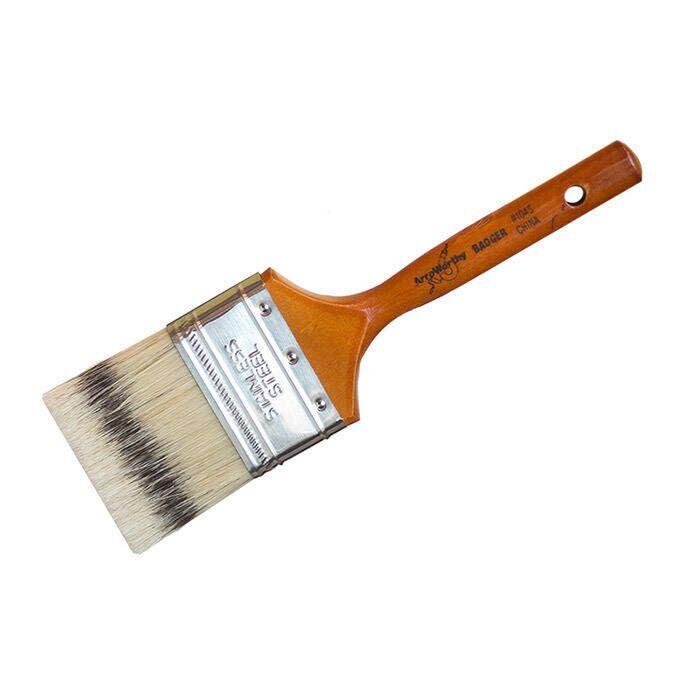
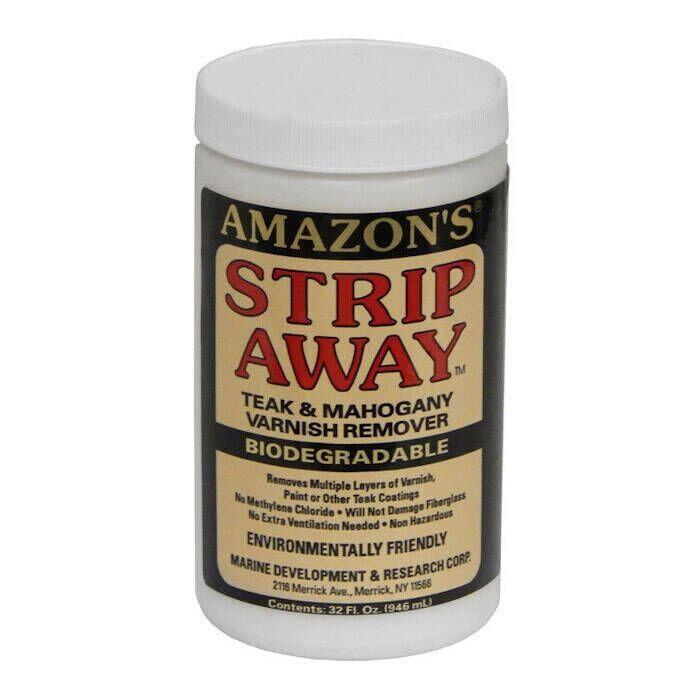
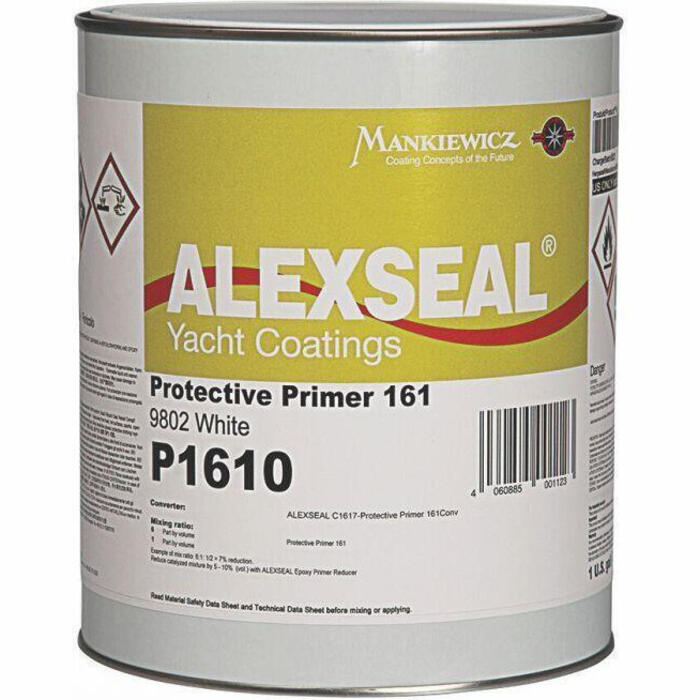
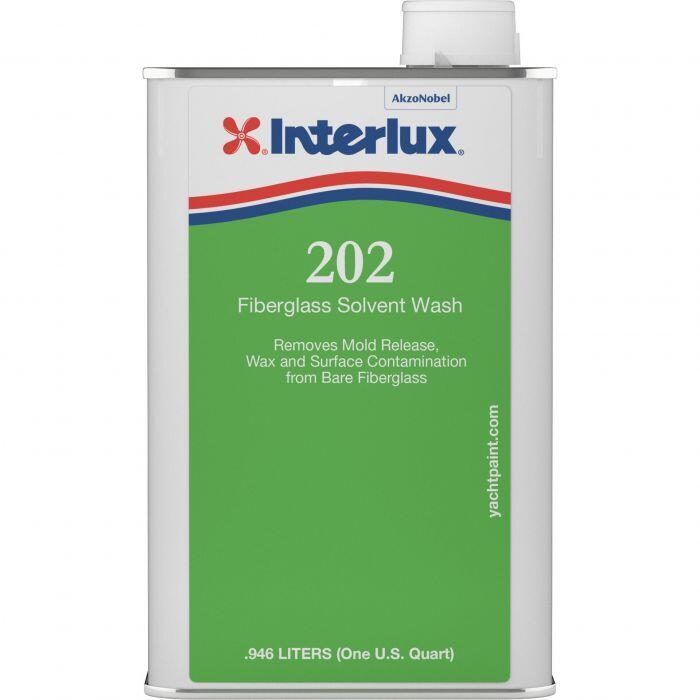
Removing old coatings is the best start for a satisfying paint project. Whether old varnish or bottom paint, taking the boat back to its original surface offers the best environment for proper boat paint adhesion. Stripped of paint, the boat may reveal the need for wood repair, fillers, or fairing compound to prepare and smooth the surface before painting. Defender Marine offers a full line of paint strippers as well as primers, sealers, and surface repair and preparation compounds. Safety equipment, caulk, tape, and all types of applicators are also available; thoroughly review your project and chosen boat paint to create an accurate list of materials before the boat painting project starts.