Marine Autopilot Systems Explained: How They Work, What You Need, and How to Choose
A marine autopilot isn’t a luxury gadget, it’s a steering system that takes over the grunt work of holding course, following a track, or steering to a wind angle. When it’s sized correctly and installed properly, it reduces fatigue, tightens up helm control, and makes long miles feel a whole lot shorter.
But autopilot doesn’t just “drive the boat,” and it definitely doesn’t replace a lookout or good judgment. It will steer exactly what it’s told, even if that course is a bad idea for the traffic, the weather, or the water ahead.
That’s why it’s crucial to understand how autopilots actually work, what the core components do, and why drives and sensors matter more than fancy screens. This is also the surest way to choose the right system for the boat, whether it’s cruising the ICW, punching through Great Lakes chop, or logging offshore hours.
What Is a Marine Autopilot System?
A marine autopilot is a closed-loop steering system that measures where the boat is pointed, compares it to a target, then commands the steering to correct the difference. The target might be a compass heading, a GPS track line, or a wind angle on a sailboat.
What it does well is keep the boat on a consistent course without constant hands-on helm work, which cuts fatigue and helps maintain efficiency over long runs. What it does not do is make navigation decisions, avoid traffic, or replace watchkeeping, because it cannot judge risk or changing conditions.
Autopilots are also more than “auto-steering,” because modern systems tie into sensors and networks that affect how smoothly they steer, especially in chop, quartering seas, or heavy load changes. The most common myths are that any autopilot will work on any boat, that a bigger screen equals better performance, and that engaging autopilot means the boat can be left unattended.
How Marine Autopilot Systems Work
Marine autopilots work by constantly comparing where the boat is headed to where it’s supposed to go, then applying small steering corrections to close the gap. Under the hood, it’s a feedback system that’s always sampling sensor data, pushing the drive, and checking the result. Once the basics of that loop are clear, the rest of autopilot performance comes down to how fast it can react and how accurately it can “feel” what the boat is doing.
The Control Loop Explained (Simple Terms)
An autopilot follows a simple cycle: it reads the current heading, compares it to the target, then commands the drive to correct the error. After the correction, it immediately checks the result and repeats the process, which is why autopilots are always working in the background.
Response speed matters because the boat never stops getting knocked off course by wind, waves, and current. Too slow and the autopilot falls behind and starts wandering, while too aggressive and it overcorrects and hunts back and forth.
Sensors That Tell the Autopilot What’s Happening
The autopilot’s steering decisions are only as good as the sensor data feeding the course computer. Traditional fluxgate compasses can work, but modern solid-state sensors tend to be faster and less finicky, and gyro or Attitude and Heading Reference System (AHRS)-style sensors add motion awareness that improves steering in real sea conditions.
Rate of turn and yaw correction are where better sensors earn their keep, especially in chop, following seas, or quartering seas that constantly swing the bow. When the autopilot can sense how quickly the boat is rotating, it can correct sooner and more smoothly instead of waiting for the heading to drift and then chasing it.
Core Components of a Marine Autopilot System
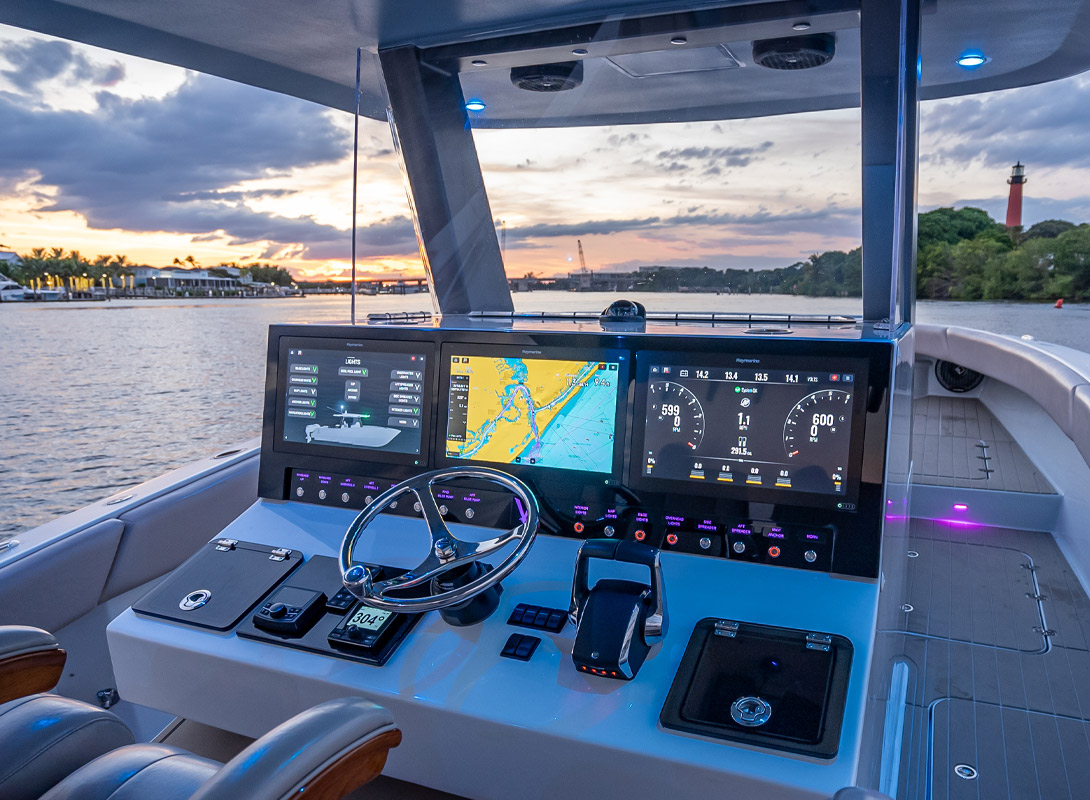
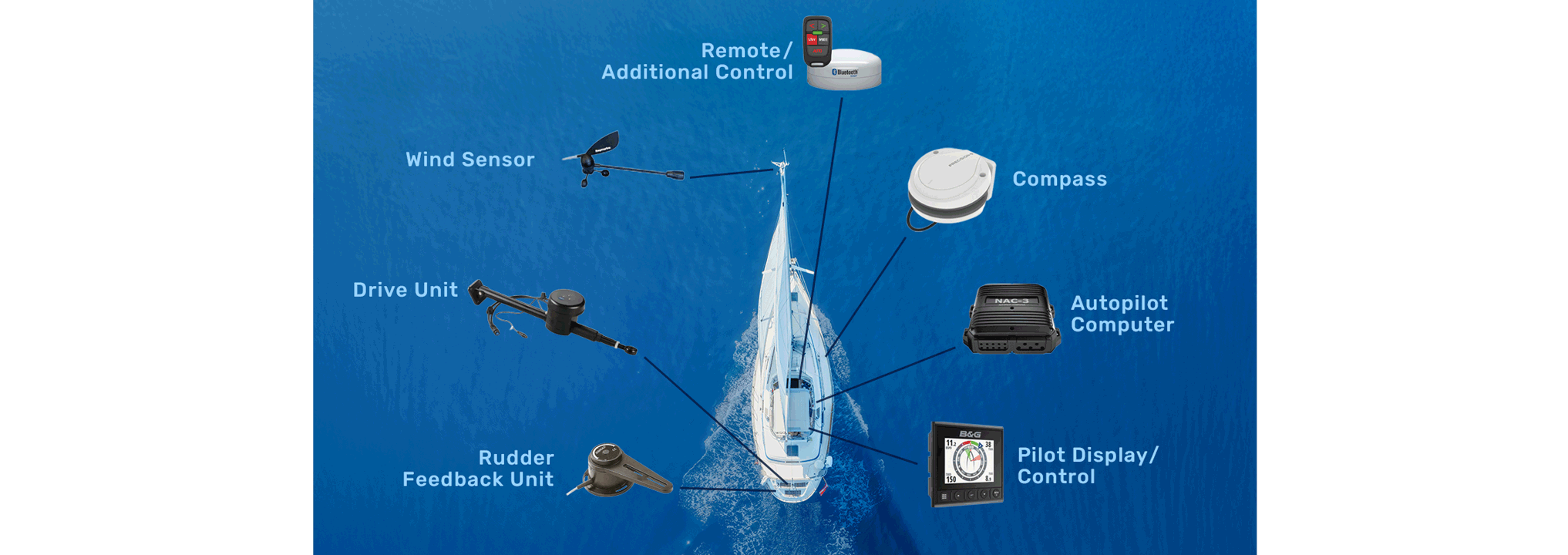
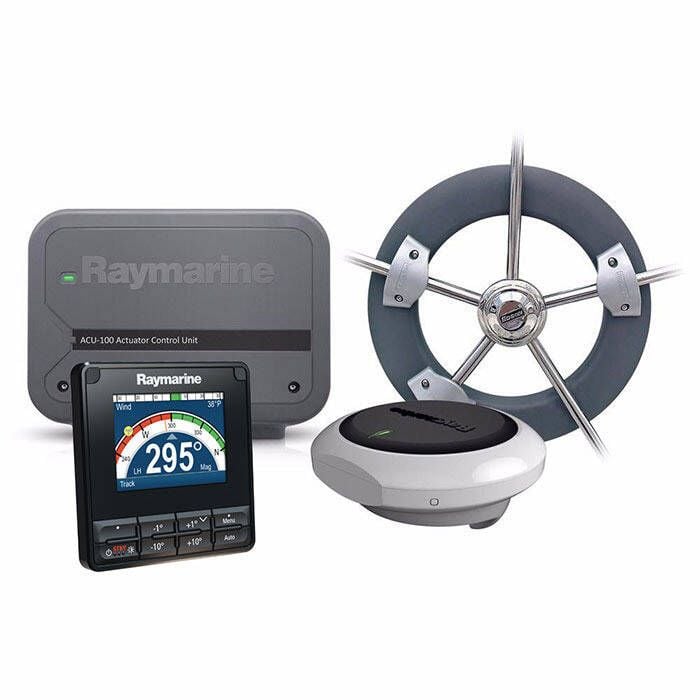
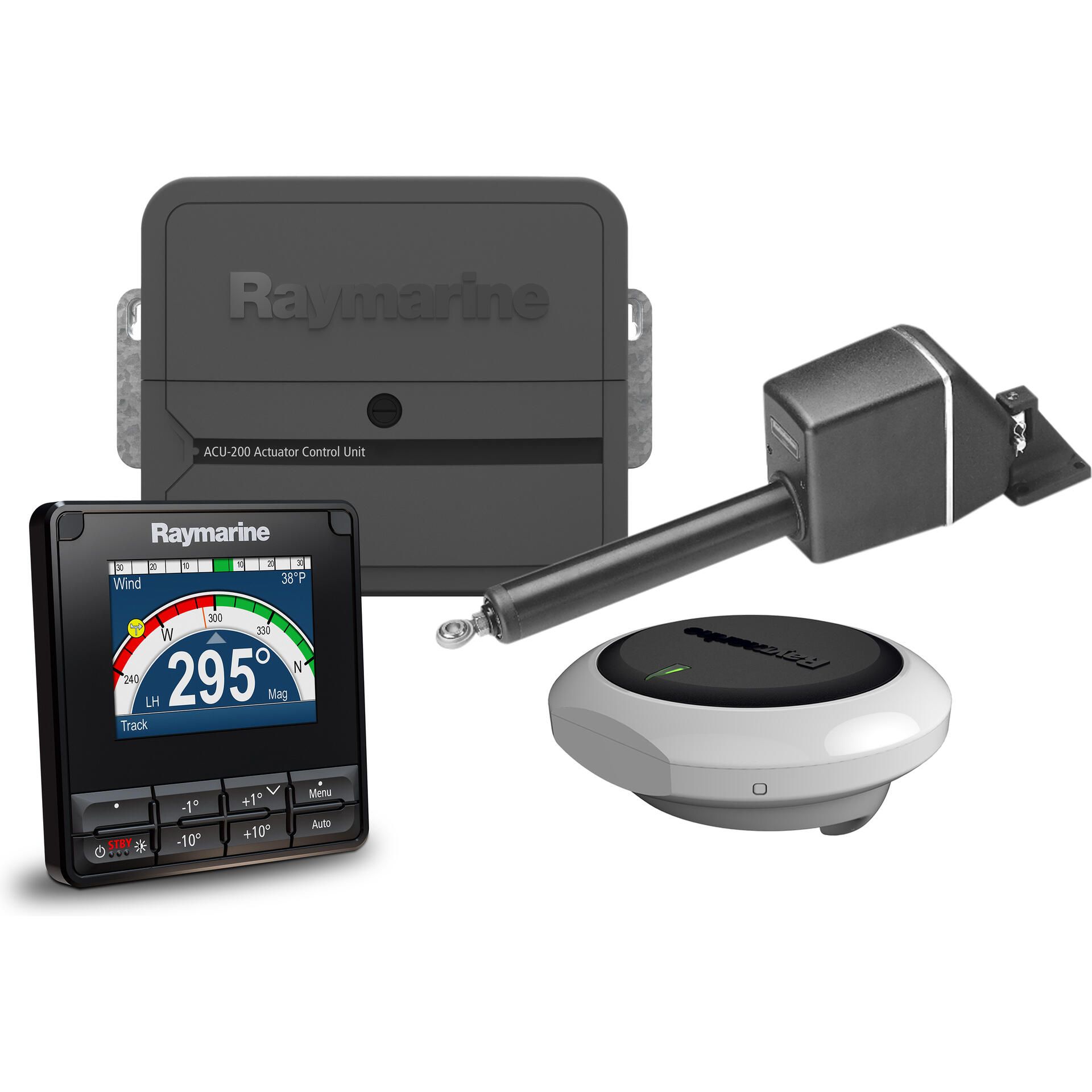
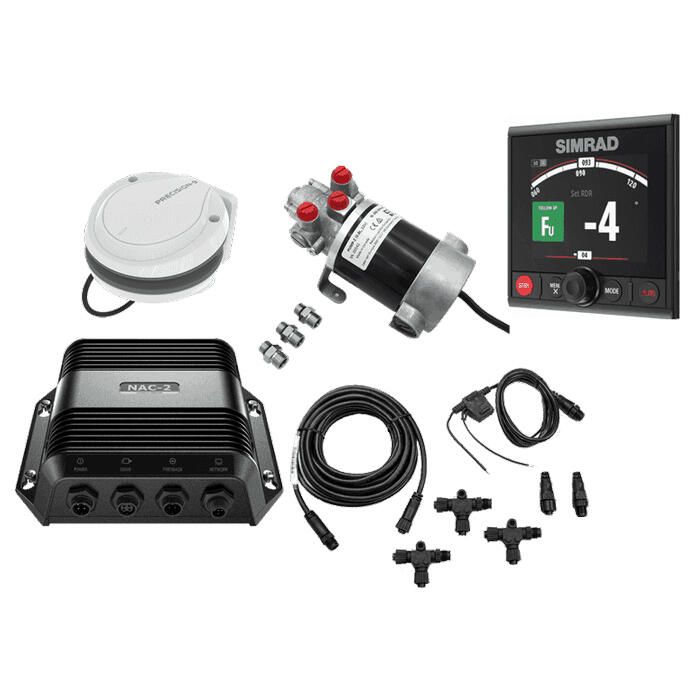
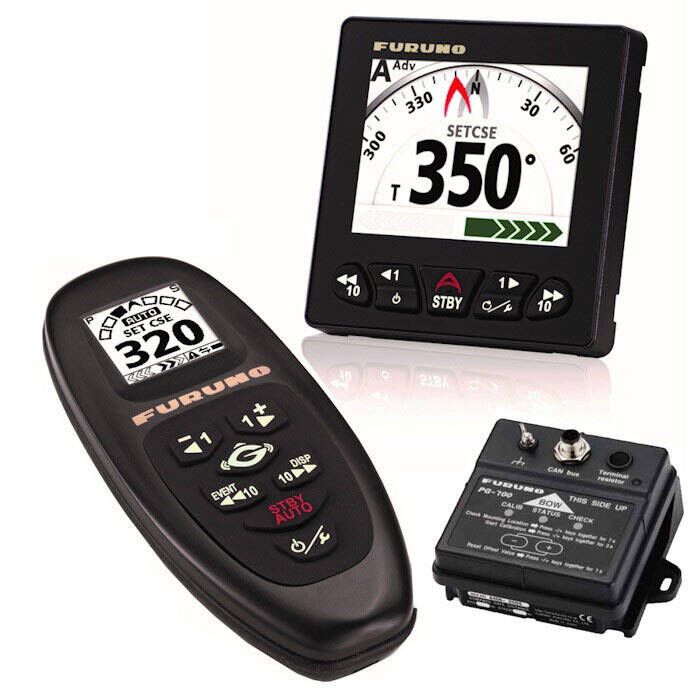
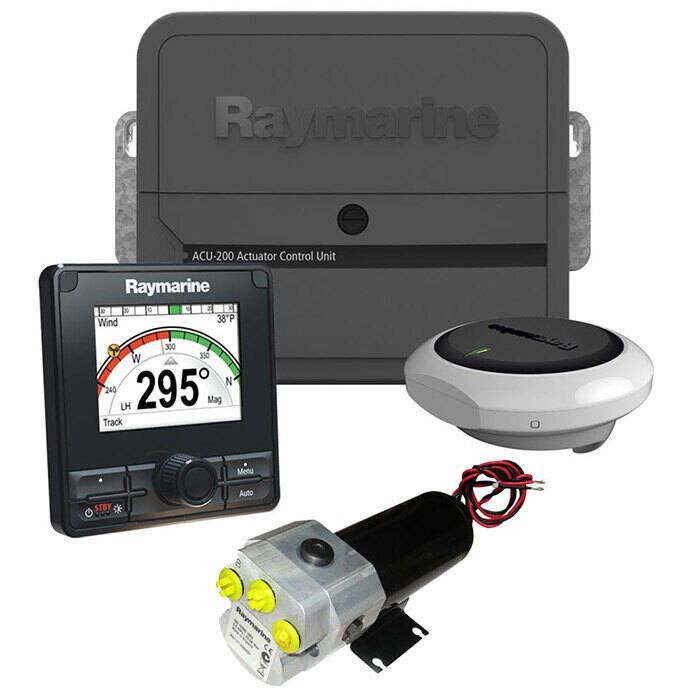
A marine autopilot is only as good as the parts behind the screen. Every system has the same core building blocks: a control interface, a computer that makes steering decisions, sensors that report what the boat is doing, and a drive that physically moves the steering. Once these pieces are understood, it becomes much easier to spot what matters for performance, reliability, and compatibility.
Control Head
The control head is the user interface at the helm where autopilot is engaged, adjusted, and disengaged. This is where you select your steering modes, including heading hold, track, and, when supported, wind modes. It’s also the fastest way to take control back when conditions change, which is why a well-placed control head matters.
Course Computer / ECU
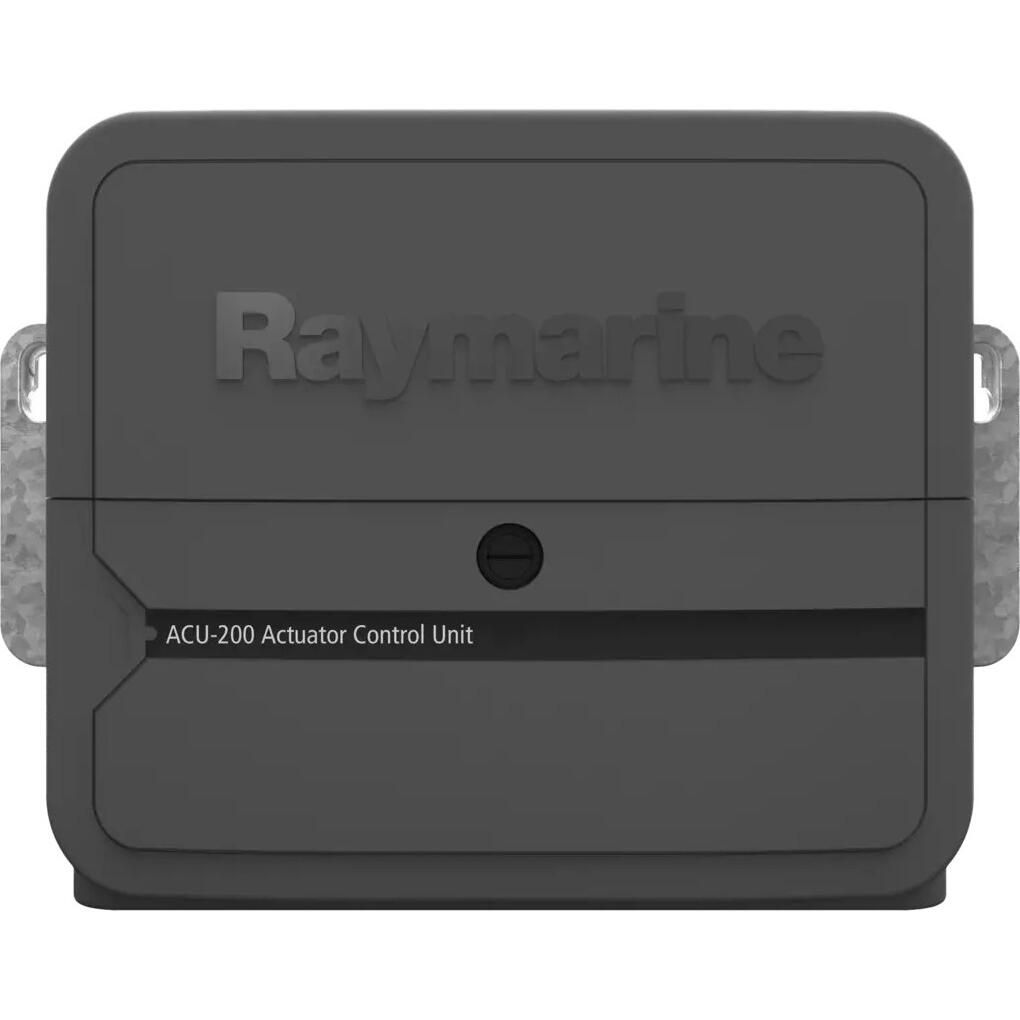
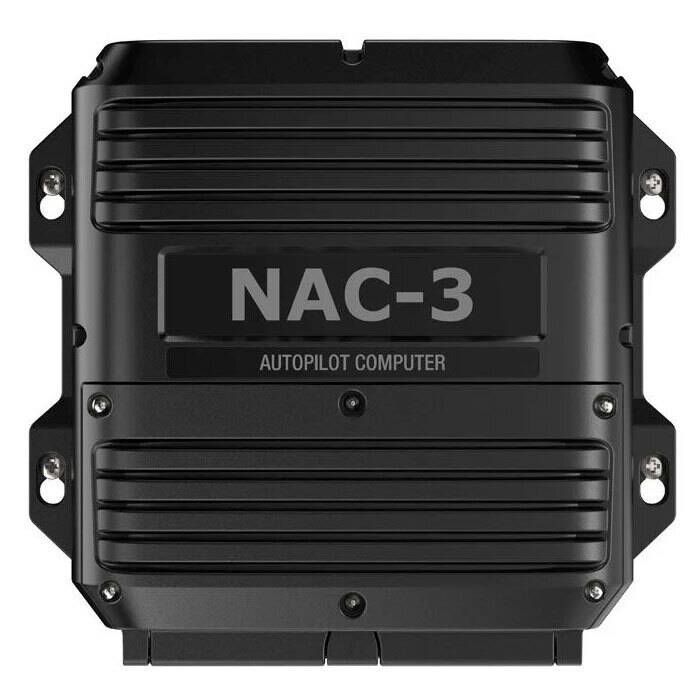
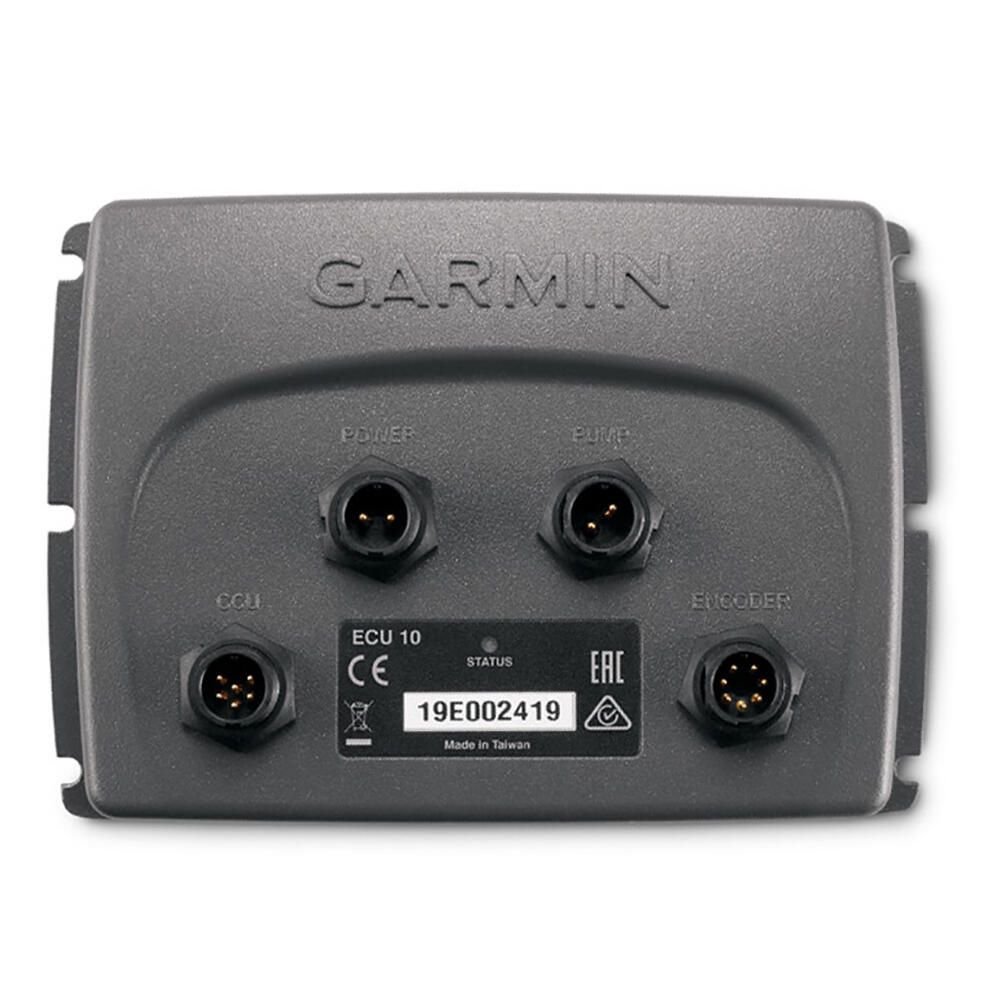
The course computer, sometimes called the ECU, is the brain of the system. It takes in sensor data, compares it to the target course, then decides how much steering correction to command. It also handles system setup, calibration, and networking, which is why any wiring and configuration errors will often show up here first.
Drive Units
The drive unit is the muscle, and it’s the component that most directly determines how well an autopilot can steer the boat in real conditions. Drive choice should match the boat’s steering type, displacement, and how hard the system will be worked, because the wrong drive shows up fast in waves and heavy loads. An underpowered drive will lag and load up, while an overpowered drive can feel twitchy, and “hunt,” meaning it weaves side to side as it overcorrects instead of settling on a steady heading.
- Linear drives: Common on sailboats, these push or pull a tiller arm or quadrant and are a go-to choice for serious cruising setups.
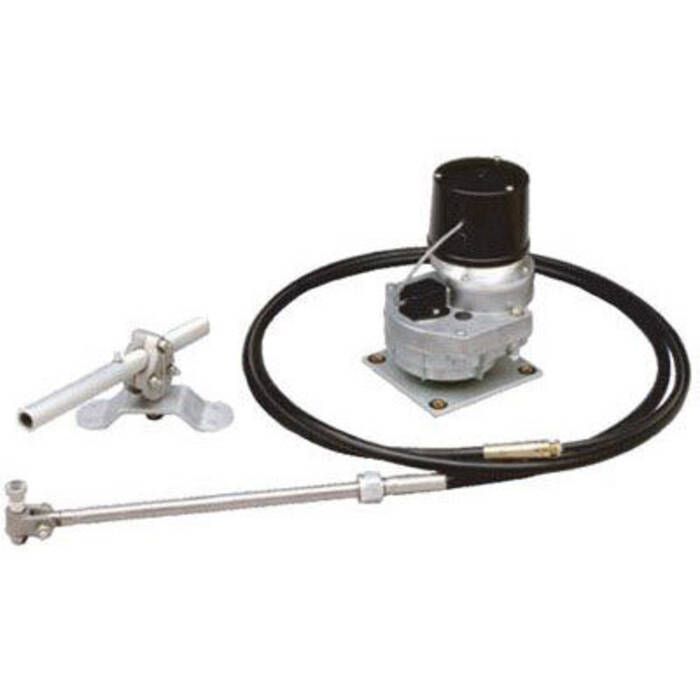
- Rotary drives: Typically used with pedestal steering, these turn a chain or gear and can be a strong fit when the steering system is built around that geometry.
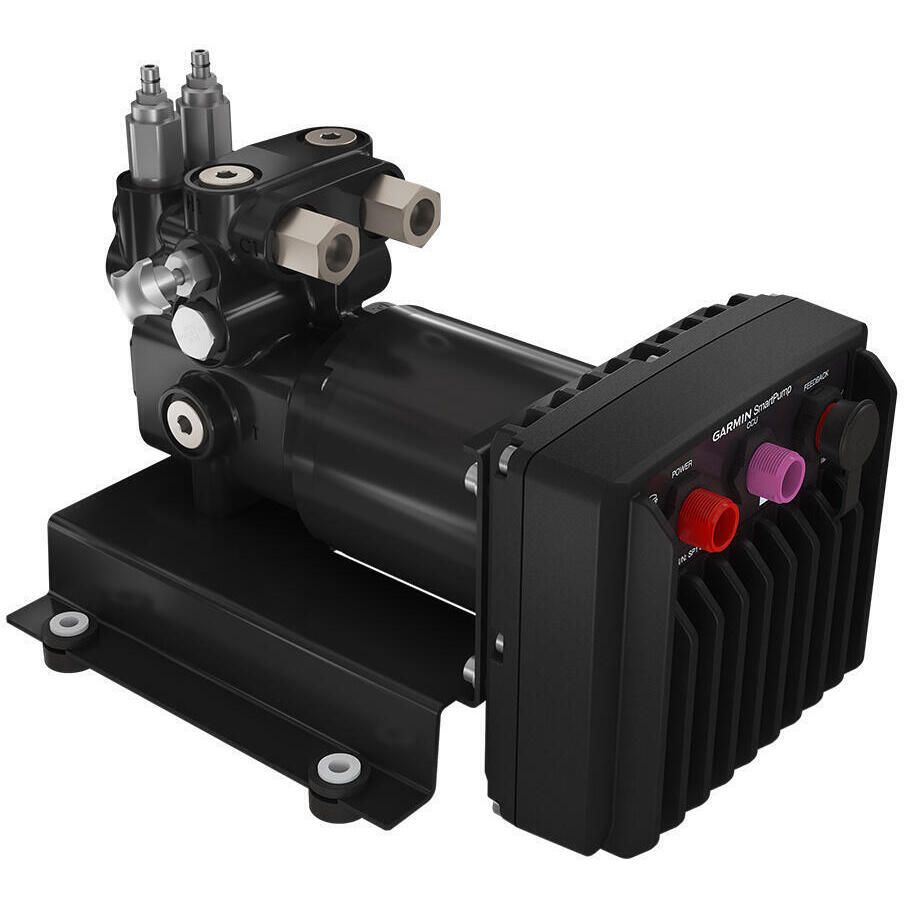
- Hydraulic pumps: Used on boats with hydraulic steering, these move fluid to steer the rudder or outboard, which makes correct sizing, plumbing, and bleeding critical for smooth performance.
Drive Units
The drive unit is the muscle, and it’s the component that most directly determines how well an autopilot can steer the boat in real conditions. Drive choice should match the boat’s steering type, displacement, and how hard the system will be worked, because the wrong drive shows up fast in waves and heavy loads. An underpowered drive will lag and load up, while an overpowered drive can feel twitchy, and “hunt,” meaning it weaves side to side as it overcorrects instead of settling on a steady heading.
- Linear drives: Common on sailboats, these push or pull a tiller arm or quadrant and are a go-to choice for serious cruising setups.
- Rotary drives: Typically used with pedestal steering, these turn a chain or gear and can be a strong fit when the steering system is built around that geometry.
- Hydraulic pumps: Used on boats with hydraulic steering, these move fluid to steer the rudder or outboard, which makes correct sizing, plumbing, and bleeding critical for smooth performance.
Rudder Feedback Units
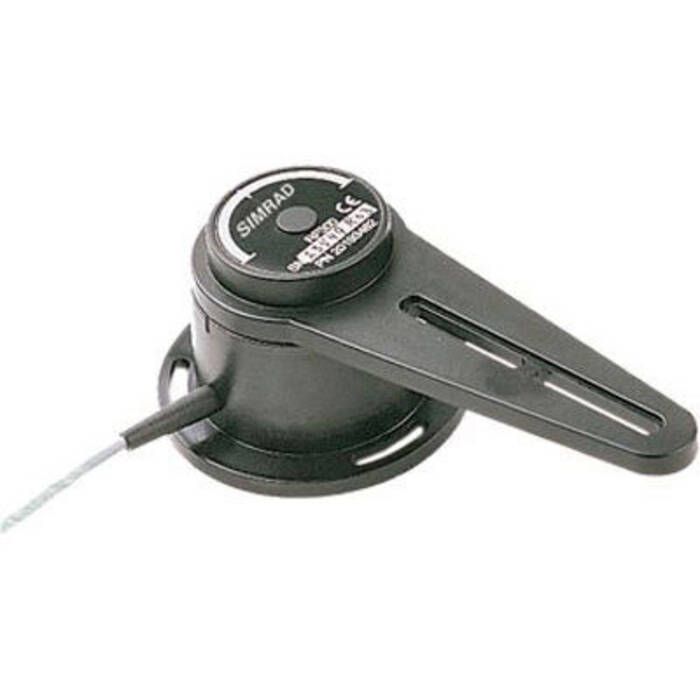
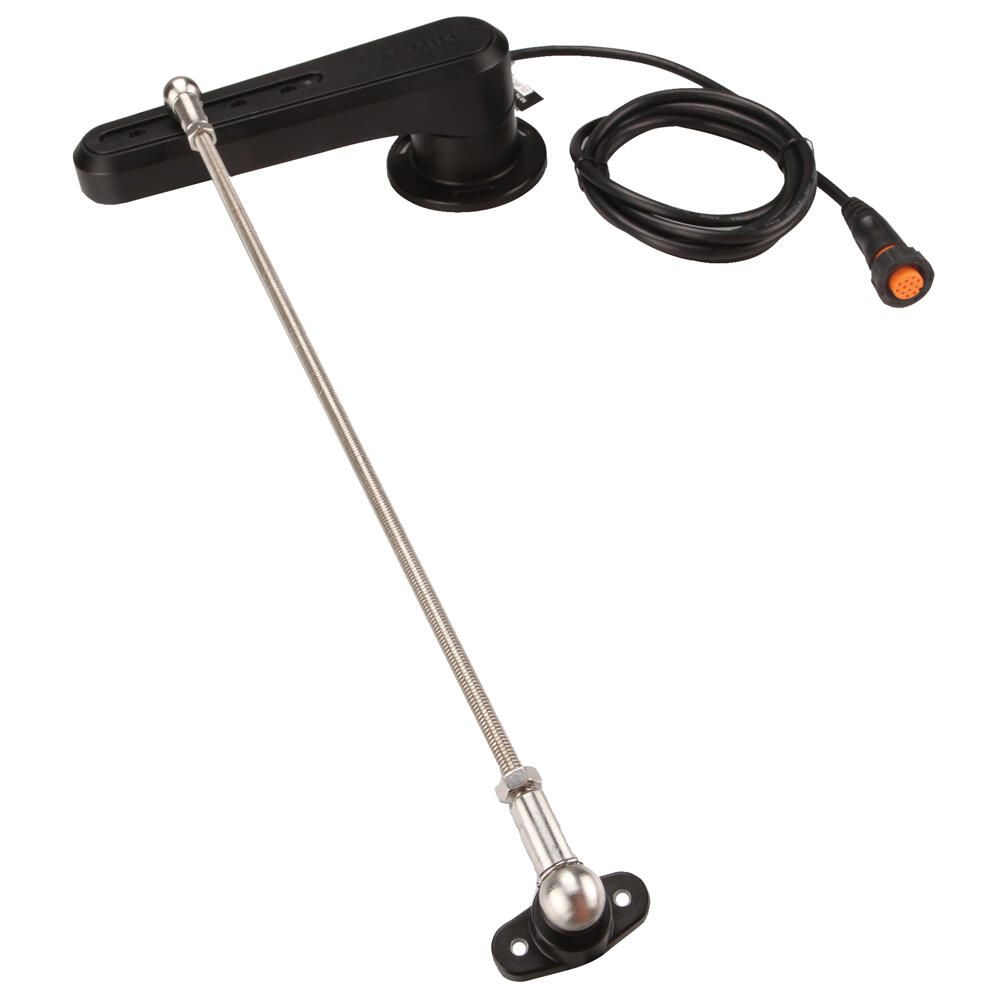
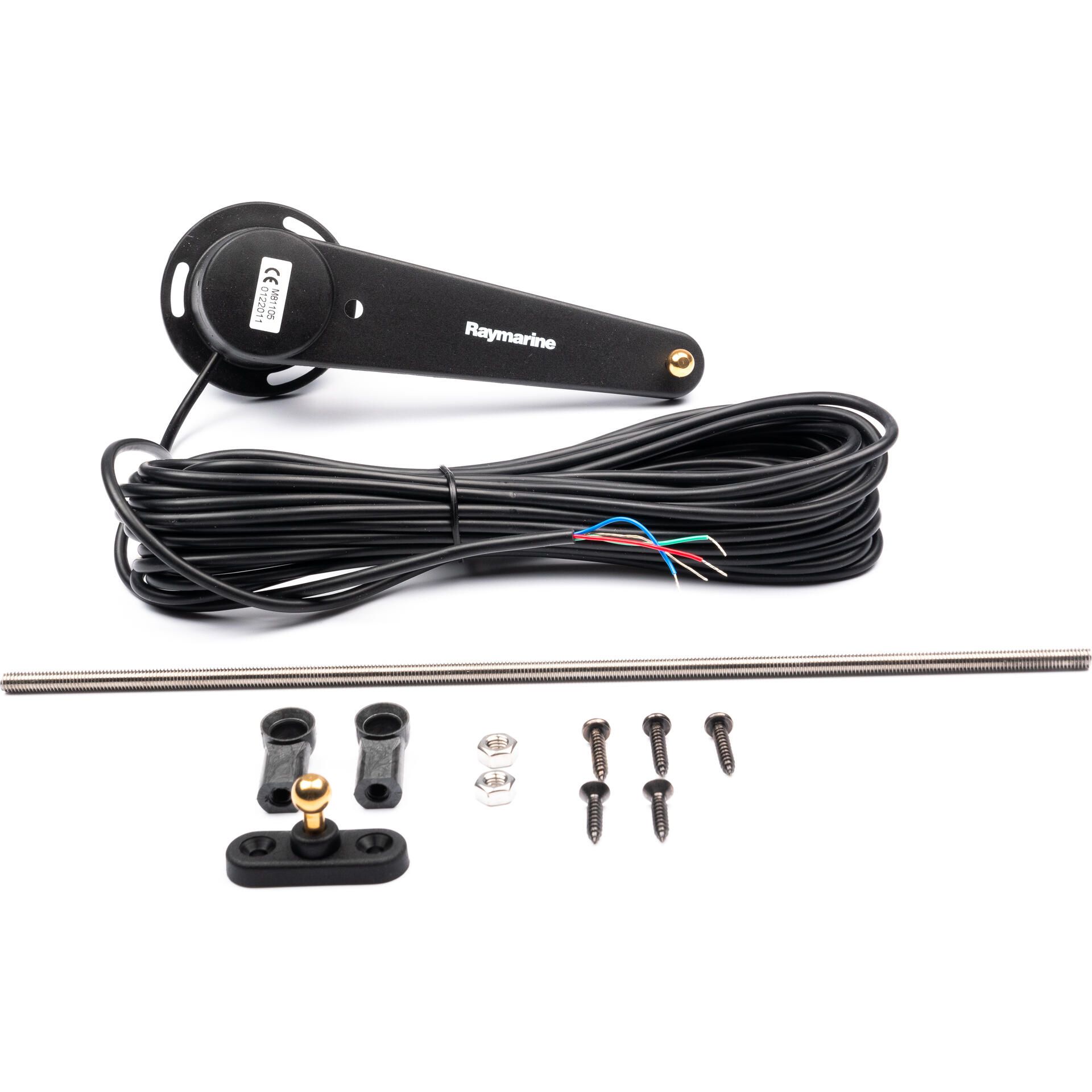
A rudder feedback unit tells the autopilot where the rudder is, not just where the bow is pointed. This matters because heading alone doesn’t reveal how much rudder angle is already applied, especially when the boat is being pushed around by waves or sail load changes. On many sailboats in particular, rudder feedback helps the autopilot steer smoother and prevents overcorrection and wandering.
Heading & Motion Sensors
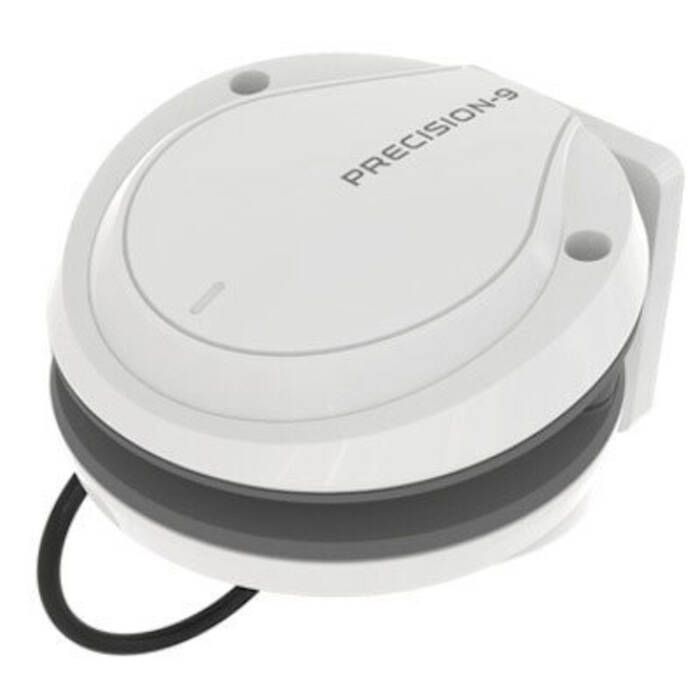
Heading and motion sensors are what the autopilot uses to understand direction and movement, and better sensor data usually equals better steering. The tradeoff is cost versus performance, because advanced sensors with rate and motion data handle rougher conditions more gracefully than basic compasses. If the boat regularly sees chop, quartering seas, or long passages, spending on the sensor package often pays back in accuracy and reduced drive workload.
Types of Marine Autopilots by Boat Type
Autopilots are built around the same core components, but the right setup depends heavily on the boat and how it’s steered. Sailboats deal with changing helm loads and wind-driven yaw, while many powerboats rely on hydraulic steering and operate across a wider speed range. Fishing and trolling setups add another layer, because slow-speed control and chartplotter integration can matter as much as raw steering power.
Sailboat Autopilot Systems
Sailboat autopilot systems typically fall into two camps: wheel pilots that mount at the helm, and below-deck drives that connect directly to the steering system. Wheel pilots can be a practical fit for lighter boats and fair-weather cruising, while below-deck systems generally deliver stronger steering authority and better longevity when conditions get ugly.
Wind-based steering modes are a major reason sailors lean into integrated autopilots, because the system can steer to a consistent wind angle instead of a compass heading. That’s a big fatigue-saver on long tacks and overnight legs, especially when sail trim changes and gusts would otherwise require constant helm corrections.
Powerboat Autopilot Systems
Powerboat autopilot systems commonly integrate through hydraulic steering, using a pump to move fluid and steer the rudder or outboard. Clean plumbing, correct pump sizing, and proper bleeding therefore make the difference between crisp control and a system that feels slow, mushy, or inconsistent.
High-speed operation raises the stakes because small steering inputs can create big course changes, and a poorly tuned system can get twitchy fast. A solid heading and motion sensor package helps here, because it gives the autopilot cleaner data so it can make smaller, smarter corrections instead of chasing the boat around.
Trolling & Fishing Applications
For trolling and fishing, autopilot value is often tied to track steering, because holding a line matters more than holding a compass number. This is especially true when working contours, repeating passes, or running long, straight troll paths where small deviations cost time and productivity.
Integration with chartplotters is what unlocks those features, allowing routes and tracks to drive the autopilot while the helmsman focuses on lines, gear, and situational awareness. When the network is set up correctly, the result is a calmer cockpit and more consistent boat control at the speeds anglers actually use.
Autopilot Steering Modes Explained
Autopilot “modes” are simply different ways of defining the target the system is trying to steer toward. Some modes hold a number on the compass, while others follow a line from the chartplotter or maintain a wind angle on a sailboat. Understanding what each mode is actually using for input helps prevent bad surprises, especially when current, sea state, or wind shifts start pushing the boat around.
Heading Hold
Heading hold steers the boat to a fixed compass heading, such as 090°, and keeps correcting as the boat gets knocked off course. This is the most basic mode and the one most often used for short transits and steady conditions. It also reveals autopilot quality fast, because a well-set-up system holds a clean line instead of wandering or hunting.
GPS / Track Steering
GPS or track steering uses data from a chartplotter to keep the boat on a plotted track line instead of a raw compass number. This is useful on long runs, repeatable passes, and areas like the ICW where holding a precise line can matter more than holding a specific heading. It’s only as smart as the route provided, so hazards, shoals, traffic, and local conditions still need to be managed actively.
Wind Hold (Apparent vs True)
Wind hold steers to a target wind angle, which is why it’s a favorite mode for cruising sailboats. Apparent wind is what the wind feels like on deck, while true wind is corrected for boat speed and gives a steadier reference for consistent sail trim. The key here is that wind hold follows the wind, so a big shift can change the boat’s heading even though the mode is working exactly as intended.
Route Following
Route following is a step beyond track steering, where the autopilot follows a multi-waypoint route and typically prompts for, or executes, course changes at waypoints depending on system settings. It’s a powerful tool for long legs because it reduces repetitive helm work and keeps navigation tidy when paired with a well-built route. It also demands discipline, because a route that is safe on the screen can still be unsafe in real life due to traffic, weather, visibility, or changing depths.
Power-Assisted Steering Modes
Some systems offer power-assisted steering features that make the helm feel lighter or help stabilize steering inputs, depending on the brand and steering type. These modes can be useful around the dock or during slow-speed maneuvering, but they are not a substitute for a properly sized drive and a correctly tuned autopilot. When used, they work best as a comfort feature, not the foundation of the steering system.
| Autopilot Mode | What It Uses for Reference | How It Works | Best Use Cases | Key Considerations |
| Heading Hold | Compass heading | Steers the boat to a fixed compass heading (e.g., 090°) and continuously corrects deviations caused by wind, waves, or current | Short transits, steady conditions, basic course keeping | Highlights autopilot quality quickly—poorly tuned systems may wander or “hunt” |
| GPS / Track Steering | Chartplotter GPS track | Follows a plotted track line instead of a compass heading, correcting course to stay on the intended path | Long runs, repeatable routes, ICW navigation | Only as good as the route provided; hazards, traffic, and local conditions still require active oversight |
| Wind Hold (Apparent vs. True) | Wind angle from wind instruments | Steers to a target wind angle rather than a compass heading; apparent wind reflects wind onboard, true wind corrects for boat speed | Cruising sailboats, consistent sail trim | Wind shifts can change the boat’s heading even when the system is functioning correctly |
| Route Following | Multi-waypoint route from chartplotter | Automatically follows a sequence of waypoints and executes or prompts for course changes at each waypoint | Long passages, reducing repetitive helm work | Requires disciplined route planning; safe routes on-screen may not reflect real-world conditions |
| Power-Assisted Steering Modes | Steering input and system feedback | Reduces helm effort or stabilizes steering inputs, depending on system design | Docking, slow-speed maneuvering | A comfort feature, not a replacement for proper drive sizing or autopilot tuning |
Integration With Other Marine Electronics
An autopilot can run as a standalone system, but it gets a lot more capable when it’s tied into the rest of the boat’s electronics. Integration can unlock track steering, wind steering, shared sensor data, and cleaner information at the helm. The flip side is that network or data issues can create autopilot problems that look like “bad steering,” when the real culprit is missing or noisy inputs.
Chartplotters & GPS
Chartplotter integration is what enables GPS and track steering, because the autopilot needs a course line or waypoint data to follow. When the connection is solid, the autopilot can steer repeatable passes, hold a track in current, and reduce helm workload on long runs. When it’s not solid, symptoms show up as wandering track performance, delayed corrections, or route prompts that don’t behave as expected.
Wind Instruments
Wind instrument integration is what makes wind hold possible on sailboats, allowing the autopilot to steer to a target apparent or true wind angle. This is especially useful when sail trim and sea state are changing, because the mode adapts to the wind reference instead of stubbornly holding a compass number. If wind data drops out or is miscalibrated, wind mode can become unstable quickly, so sensor health and setup matter.
Radar & AIS
Radar and AIS don’t make an autopilot “smart,” but they do improve situational awareness at the helm when everything is displayed together. Autopilot can keep the boat steady while radar and AIS are monitored, which is valuable in reduced visibility or heavy traffic. However, collision avoidance is still a human job, and safety must come first; autopilot should never be treated as a substitute for active watchkeeping.
NMEA 2000 Networking Basics
Most modern autopilot systems share data over NMEA 2000 or a manufacturer network built on the same idea, and that network has to be installed correctly to be reliable. A proper NMEA 2000 backbone needs correct power injection, terminators at both ends, and clean connections, because voltage drop and bad topology create hard-to-diagnose gremlins. When an autopilot acts erratic, the fix is often basic network hygiene, not a new sensor.
Choosing the Right Autopilot System
Choosing an autopilot comes down to matching the system to the boat, not to the marketing. The drive has to be strong enough for the steering loads, the sensors have to be good enough for the conditions, and the installation has to be clean enough that the autopilot isn’t fighting bad data or low voltage. Once those fundamentals are handled, features like steering modes and control interfaces become the finishing touches, not the foundation.
Boat Size, Displacement & Steering Type
Boat length alone doesn’t size an autopilot, because two boats of the same length can have very different steering loads. Displacement, rudder design, and the condition of the steering system all change how hard the drive has to work, especially in chop or when the boat is loaded for cruising. Steering type matters just as much, because mechanical systems typically use linear or rotary drives, while many powerboats with hydraulic steering rely on pump-based drives matched to the cylinder and plumbing.
Coastal vs Offshore Use
Coastal use in protected water usually allows smaller, simpler systems to perform well, because loads stay more predictable and corrections stay small. Offshore work is a different game, because quartering seas, following seas, and long exposure time amplify any weaknesses in drive strength, sensor quality, or tuning. For boats that regularly run offshore or do overnight passages, stronger drives and better heading and motion sensors tend to pay back quickly in cleaner steering and less wear.
Redundancy & Safety Considerations
Autopilot is a fatigue reducer, but it still needs a plan for what happens when something fails. That means thinking through manual steering readiness, quick disengage access, and how the system behaves if it loses wind data, GPS data, or heading input. It also means treating autopilot as a tool that supports safe navigation, not a substitute for watchkeeping, because the system will faithfully steer into trouble if it’s given bad instructions.
DIY vs Professional Installation
Many boaters can install an autopilot, but success comes down to doing the hard parts correctly, not just bolting on hardware. Drive mounting geometry, hydraulic plumbing, clean power delivery, and network setup are where performance is won or lost, and mistakes there tend to show up as hunting, poor track holding, and inconsistent behavior in waves. If those areas aren’t comfortable, hiring help for the drive install and commissioning while handling the easier wiring and helm work can still keep the project efficient and reliable.

| Selection Factor | What Actually Matters | Why It’s Important | Practical Guidance for Boaters |
| Boat Size, Displacement & Steering Type | Displacement, rudder design, steering loads, and steering system type | Boats of the same length can place very different loads on an autopilot, especially in chop or when fully loaded. Steering type determines which drive styles are compatible. | Size the drive to the steering load, not just boat length. Mechanical steering typically uses linear or rotary drives; hydraulic systems require pump-based drives matched to the cylinder and plumbing. |
| Coastal vs Offshore Use | Sea state exposure, duration of use, and correction demands | Offshore conditions amplify small weaknesses in drive strength, sensor quality, and tuning. What works in protected water may struggle offshore. | Coastal boats can often run smaller systems. Offshore and passagemaking boats benefit from stronger drives and higher-quality heading and motion sensors for cleaner steering and reduced wear. |
| Redundancy & Safety Considerations | Manual steering readiness, disengage access, and data loss behavior | Autopilots reduce fatigue but do not eliminate the need for active navigation or quick manual control when something fails. | Ensure easy access to disengage controls and understand how the system reacts if it loses GPS, wind, or heading data. Autopilot supports watchkeeping—it does not replace it. |
| DIY vs Professional Installation | Drive geometry, hydraulic plumbing, power delivery, and network setup | Most autopilot problems come from installation errors, not hardware limitations. Poor installs lead to hunting, weak response, and inconsistent steering. | Confident DIYers can install systems successfully, but consider hiring help for drive mounting and commissioning if geometry, hydraulics, or calibration are unfamiliar. Handle wiring and helm work yourself to balance cost and reliability. |
Installation & Setup Considerations
A clean install is what separates an autopilot that steers like a pro from one that constantly acts up. Most “bad autopilots” are really power, wiring, network, or setup issues that force the system to work with weak inputs or inconsistent voltage. The goal is simple: give the drive solid power, give the computer clean data, then dial it in on the water so it steers smoothly instead of chasing the boat around.
Power Requirements
Autopilot drives can draw real current under load, especially when the boat is getting pushed around in chop or quartering seas. That means wire size, breaker or fuse protection, and voltage drop all matter, because low voltage makes drives sluggish and can trigger alarms or erratic behavior. If the autopilot is starved for power, it will show up as slow corrections, sudden dropouts, or a system that hunts harder than it should.
Wiring & Networking
Wiring is not the place to get casual, because autopilots live at the intersection of high-current drive loads and sensitive sensor signals. Power wiring should be run clean, protected, and sized correctly, while network cabling should be routed to avoid interference and supported with solid connections. On NMEA 2000 systems, proper backbone layout, correct terminators, and reliable network power prevent the kind of “gremlin” issues that look like sensor failures but are really basic network hygiene.
Calibration & Sea Trials
Most autopilots need calibration before they steer well, even if the hardware is perfect. Compass calibration, rudder limits, and basic tuning settings establish how the system interprets motion and how aggressively it corrects. A proper sea trial confirms that the autopilot holds a heading cleanly, tracks without weaving, and stays composed when speed and sea state change.
Common Installation Mistakes
The most common mistake is undersized power wiring or poor connections, which creates voltage drop and turns the drive into a weak link. Another frequent issue is bad sensor placement near magnetic interference or high-current wiring, which feeds the autopilot dirty heading data and makes it chase its tail. Finally, sloppy drive geometry, loose linkages, or skipped calibration steps can make a good system feel unstable, noisy, and inconsistent even in decent conditions.
Autopilot Safety, Limitations & Best Practices
Autopilot is a workload reducer, not a safety net, and it should be treated like any other piece of gear that can fail at the worst time. It’s a great tool in open water and stable conditions, but it’s a poor choice in tight quarters, heavy traffic, or anywhere a quick decision and instant helm response might be needed.
Watchkeeping responsibilities do not change just because the steering is automated. A proper lookout still needs to be maintained, routes still need to be verified, and traffic, weather, and sea state still need active management, because autopilot will faithfully steer into trouble if it’s told to.
Heavy weather is where autopilot limits show up fast, especially in steep following seas and quartering seas that can swing the bow hard. In those conditions, it may be safer to hand-steer or switch tactics, because an autopilot that starts hunting, lagging, or loading up can increase risk and wear while giving a false sense of control.
FAQs – Marine Autopilot Systems
Not every autopilot requires one, but many boats steer noticeably better with rudder feedback because it tells the system where the rudder actually is. It’s especially valuable on sailboats and heavier boats because it reduces overcorrection and hunting when helm loads change.
Many boaters can DIY an autopilot install, but performance depends on doing drive mounting, power wiring, and networking correctly. If those pieces aren’t comfortable, hiring out the drive install and commissioning often prevents the most common problems.
Hunting is when the boat weaves side to side because the autopilot keeps overshooting the target and correcting back the other way. It’s usually caused by overly aggressive settings, loose steering linkage, missing rudder feedback, or a drive that’s mismatched to the boat.
Wheel pilots can be a practical choice for lighter displacement boats and fair-weather cruising. For heavier cruising boats, longer passages, or rougher conditions, below-deck drives typically hold course better and last longer.
Power draw depends on drive type and conditions, and it rises fast when the boat is getting pushed around and the drive is working hard. Planning wiring and circuit protection for worst-case draw prevents voltage drop, alarms, and sluggish steering when conditions get challenging.
Closing Section: Outfitting Your Boat With Confidence
A well-matched autopilot setup makes boating easier in the ways that matter: less fatigue at the helm, steadier tracking, and more control when conditions stop cooperating. The best results come from getting the fundamentals right first, starting with a properly sized drive, clean power, and reliable heading and motion data. Defender supports that full-system approach, with autopilot systems and the components, networking, and electrical gear needed to build it correctly.