Getting a boat ready for the season is more than a quick once-over at the dock or in the driveway. Your engine, fuel system, electrical setup, hull, plumbing, and safety equipment all need attention, and each job calls for the right products if you want clean work, fewer surprises, and a smoother first run.

Some supplies are basic, some are seasonal, and some only matter once you start digging into the boat and find what winter has to say for itself. The key is having the essentials lined up early, so you can service what matters, replace what’s worn, and head into launch season with less guesswork and less scrambling.

Why Spring Commissioning Matters

Spring commissioning is where you find out whether your boat is actually ready for the season or just looks ready. A proper round of pre-launch work helps you catch the fuel, battery, wiring, plumbing, hull, and safety issues that build up while a boat sits, especially after winter layup or a long off-season. It also gives you a clear shot at stocking the right supplies early, knocking out the work in one pass, and heading into launch season with no surprises waiting at the dock or ramp.

The Cost of Skipping Pre-Launch Prep

Skipping spring commissioning is a mistake you often have to pay for when it’s least convenient. Maybe it’s a dead battery at the launch, a clogged fuel filter on the first run, a bilge pump that doesn’t cycle when it should, or safety gear you realize is expired right when you need the boat to be ready.

The real cost is not always a big repair right out of the gate. More often than not, it’s lost time, blown weekends, and small problems getting the chance to become stubborn ones. A few basic supplies in the spring usually cost a lot less than mid-season repairs, emergency yard work, or a rushed parts order when everyone else is trying to get back on the water too.

Regional Timing: Northeast vs Florida vs Great Lakes

Where you boat is changes the spring commissioning rhythm. In the Northeast and Great Lakes, winter layup is longer, launch windows are tighter, and a lot of boats hit the water in a short stretch, which means parts, yard time, and service slots get scarce fast once the weather turns.

Florida runs on a different clock, but spring prep still matters. Even without a hard offseason, boats deal with heat, humidity, sun, salt, and year-round use, so spring is still the right time to restock the basics, replace worn gear, and get ahead of the maintenance jobs that pile up when a boat never really goes fully to bed.

Shop Spring Launch Supplies

Engine & Fuel System Supplies

If your boat is going to give you trouble in spring, engine and fuel system work is usually where it starts. Old oil, stale gas, weak impellers, and tired rubber parts have a way of showing up right when the weather breaks and everybody wants to get underway. Stock the right supplies early and you can work through it properly, keep the job moving, and avoid turning launch day into troubleshooting day.

Oil Change Kits & Filters

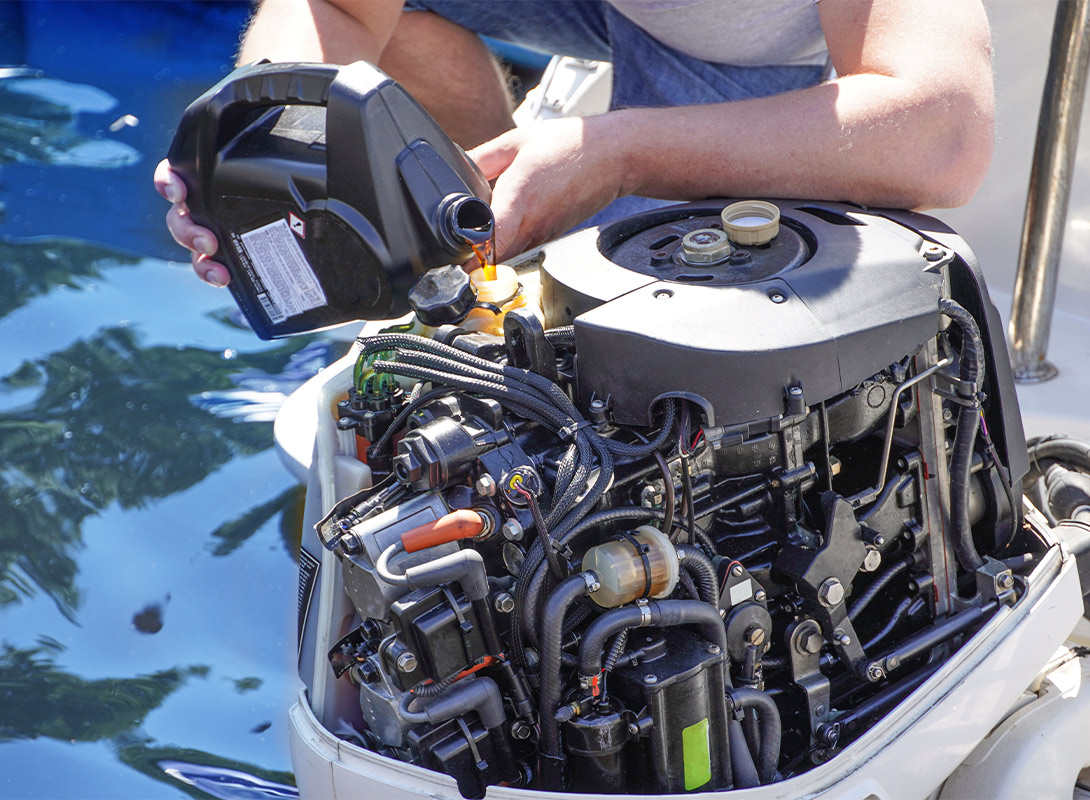
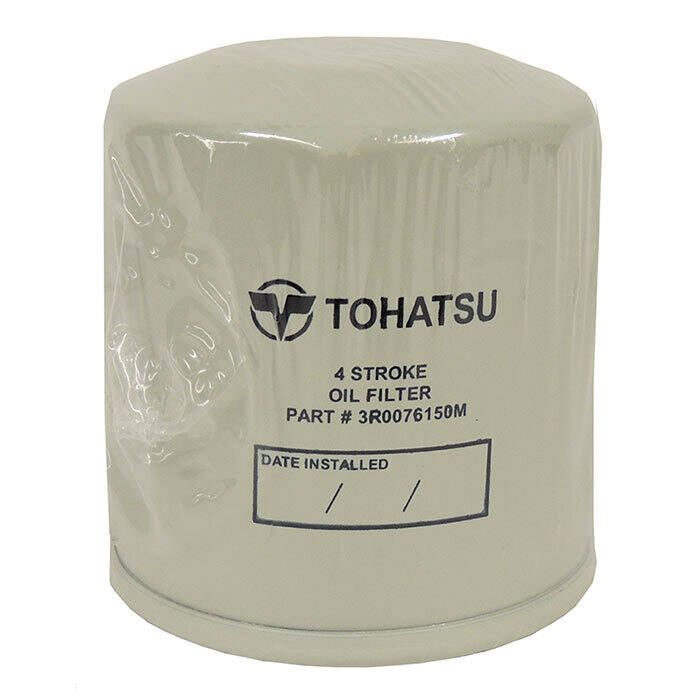
Fresh oil and a clean filter are basic spring commissioning items for any boat that sat through the off-season. Having the right oil filters and engine oil on hand means you can change fluids on schedule, inspect what comes out, and start the season without carrying old contaminants back into service.

Inboard vs. Outboard Differences

Inboards usually call for a little more planning, since access can be tight and the job often involves an extractor pump, more oil, and more cleanup. Outboards are usually simpler, but they still need the correct oil, the right filter, and a clean, controlled way to get the job done without making a mess of the transom or trailer.

Fuel Stabilizers & Treatments

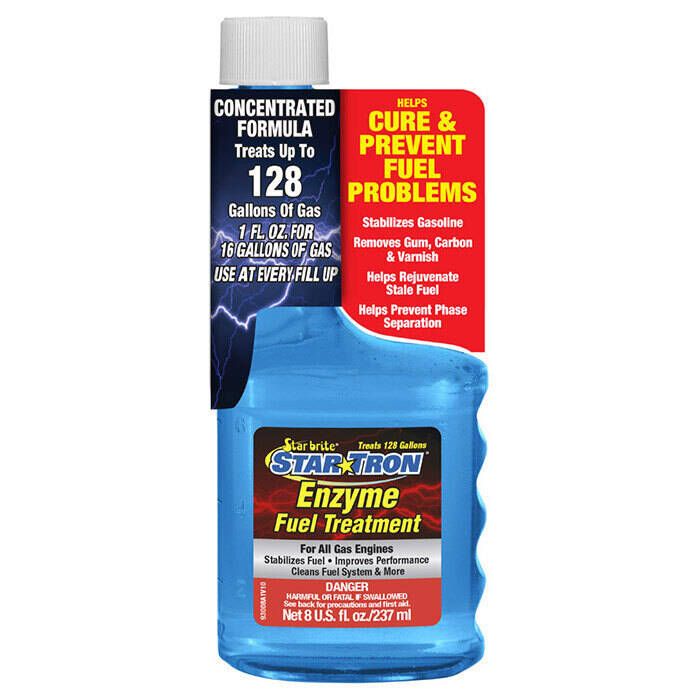
Fuel problems have a habit of showing up at the worst time, especially when gas has been sitting, moisture has worked its way into the system, or ethanol has started causing trouble in older fuel lines and components. A good fuel additive or treatment helps protect fuel quality, clean things up, and give the system a better shot at running the way it should on that first trip out.

Cooling System Flush Supplies

A cooling system that looks fine at a glance can still hide trouble, especially after months of sitting. Flush supplies, service kits, and replacement parts like impellers help you clear the system out, check water flow, and deal with the weak points before heat turns into a real problem.

Replacement Belts, Hoses & Clamps

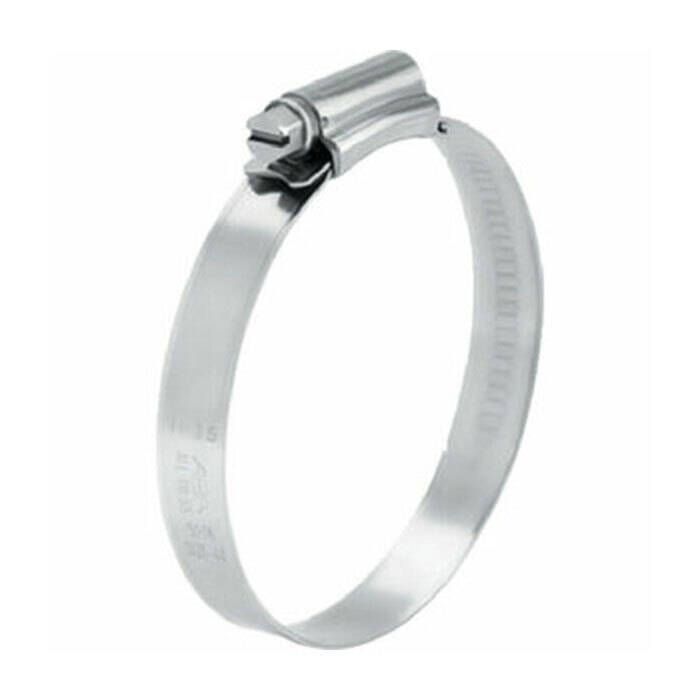
Belts, hoses, and clamps are easy to overlook until one of them starts leaking, slipping, or cracking once the engine is under load. Spring is the right time to replace tired rubber, swap out questionable clamps, and keep a few core parts on hand so a small failure does not shut the whole day down.

Shop Fuel System Supplies

Electrical & Battery Essentials

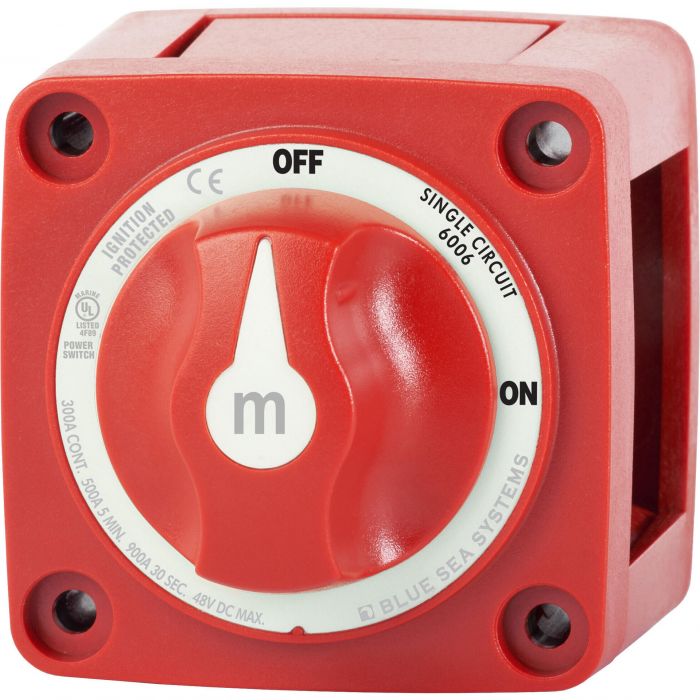
Electrical and battery work in spring is all about ensuring you can trust your boat come launch day. You want to be sure the batteries will hold charge, the connections are clean, and the wiring will do its job when you hit the switch instead of giving you one more thing to chase at the dock. The right supplies help you test what you’ve got, clean up what winter left behind, and replace the weak links before they waste your first good day on the water.

Testing & Recharging Marine Batteries

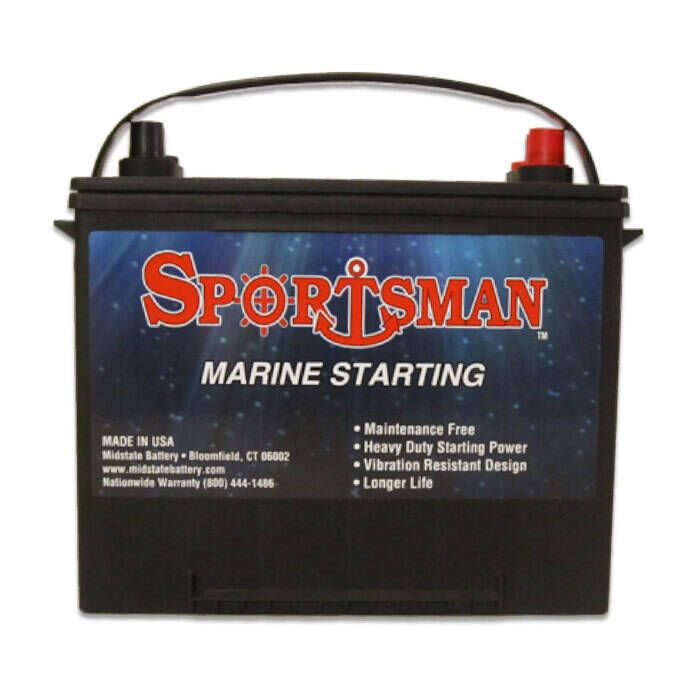
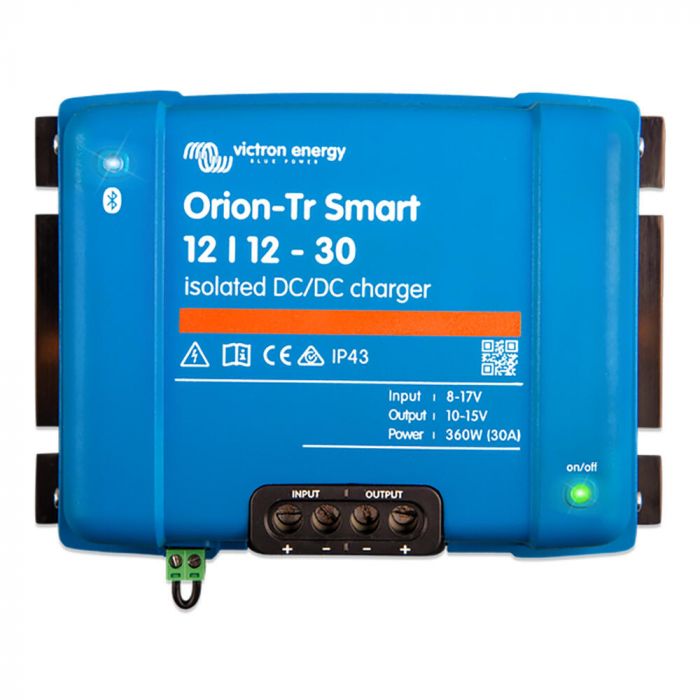
A battery that made it through last season just fine can still come out of storage weak, drained, or flat-out done. Checking voltage early and having the right marine batteries and smart chargers on hand makes it easier to sort out what needs charging, what needs replacing, and what is not worth trusting for another season.

Corrosion Protection & Terminal Cleaners

Corrosion at the terminals can choke off power, create bad connections, and make a decent battery look worse than it is. Terminal cleaners, wire brushes, and protective sprays help you clean things up properly, protect the connection, and keep small electrical issues from turning into recurring ones.

Inspecting Shore Power & Wiring

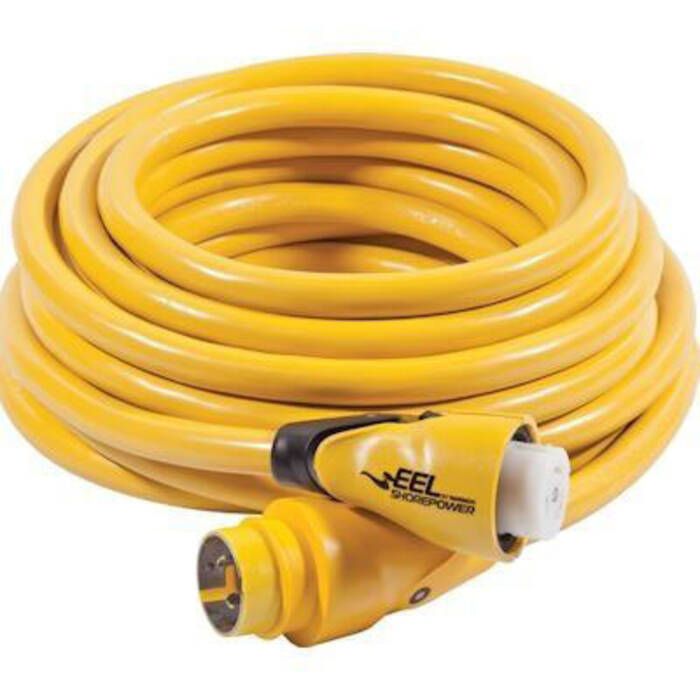
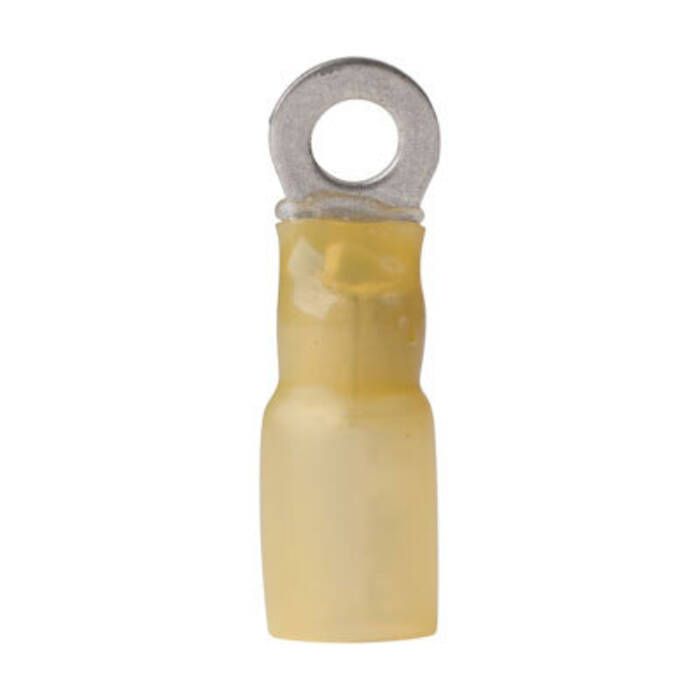
Shore power cords, plugs, and wiring runs deserve a hard look in spring, especially if the boat sat in a damp yard, on a lift, or at the dock through the off-season. Cracked insulation, burnt ends, loose connections, and green corrosion are all signs it is time to clean, protect, repair, or replace parts before they cause bigger trouble.

Shop Electrical Supplies

Hull & Bottom Prep Supplies

The hull can look fine at a glance and still need real work before launch. Spring is the time to deal with the paint, hardware, and underwater fittings that took a beating from storage, growth, corrosion, or last season’s wear.

Bottom Paint & Surface Prep

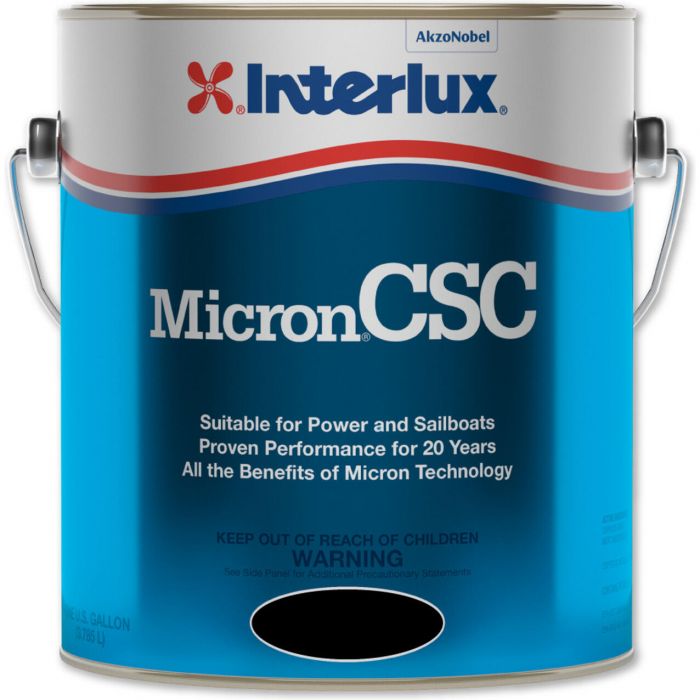
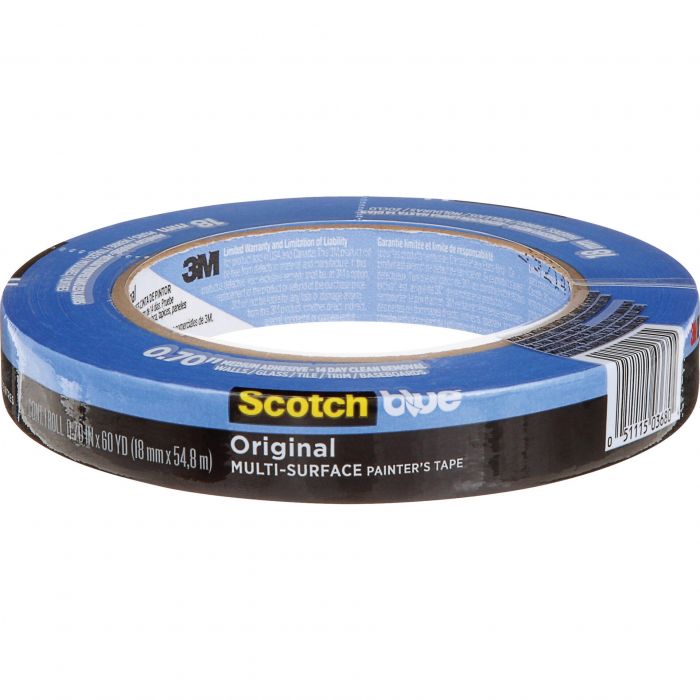
Bottom paint only works if the surface under it is clean, sound, and properly prepped for the season ahead. The right materials help you clean, sand, patch, and coat the hull without cutting corners that come back to bite later.

Inspecting & Replacing Anodes

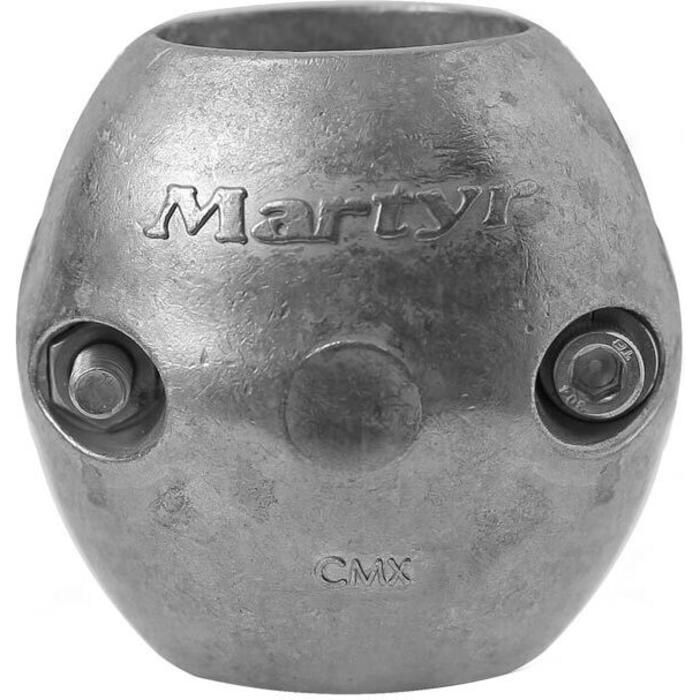
Anodes do their job quietly, which is exactly why they are easy to ignore until they are too far gone to protect anything. Spring is the time to check what is left, replace what is spent, and use the anodes guide to make sure you are putting the right protection back on the boat.

Through-Hull & Seacock Inspection

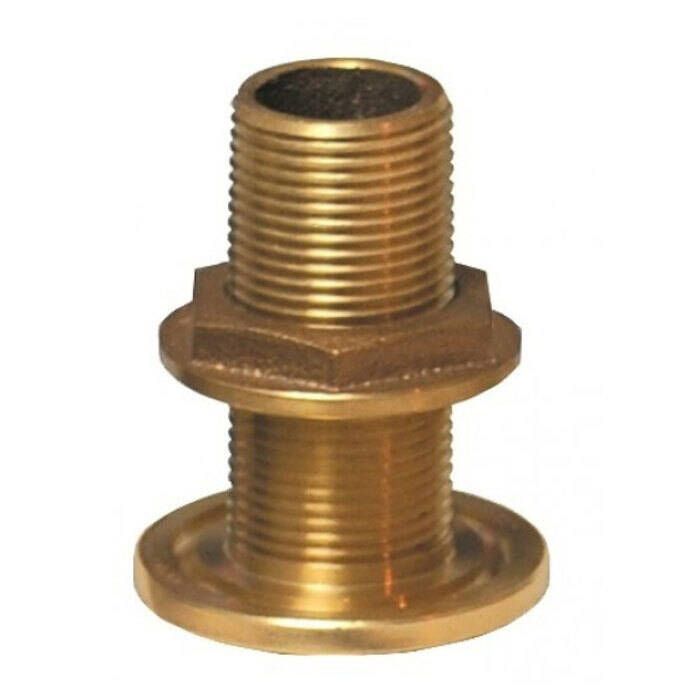
Through-hulls and seacocks are not complicated, but they are too important to leave to a quick glance and a shrug. Spring is the right time to inspect for stiffness, corrosion, cracks, leaks, or questionable hoses so you are not finding out the hard way once the boat is back in the water.

Shop Hull Prep Supplies

Plumbing & Water System Supplies

Plumbing problems are usually small right up until they are not. Spring is the time to flush the system, check the hoses and clamps, and deal with the parts that sat all winter getting stiff, dirty, or questionable.

Freshwater System Flush

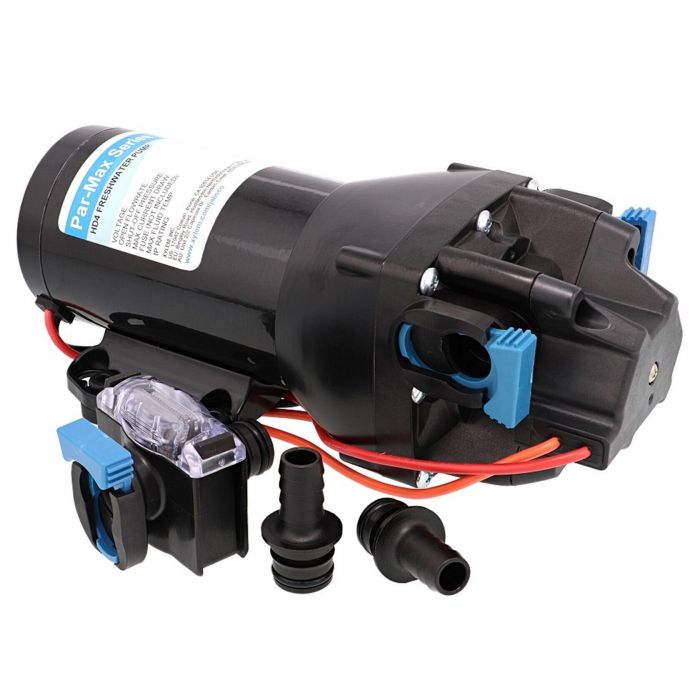
A freshwater system that has been sitting needs more than a quick rinse and a hopeful shrug. The right cleaning products help clear out stale water, clean up the lines, and get the system ready for use without dragging last season along with it.

Hose & Clamp Inspection

Hoses and clamps are cheap compared with the trouble they can cause when one lets go at the wrong time. Spring is the right time to check for cracks, stiffness, corrosion, and loose connections, then replace the tired stuff before it turns into a leak.

Marine Head & Holding Tank Check

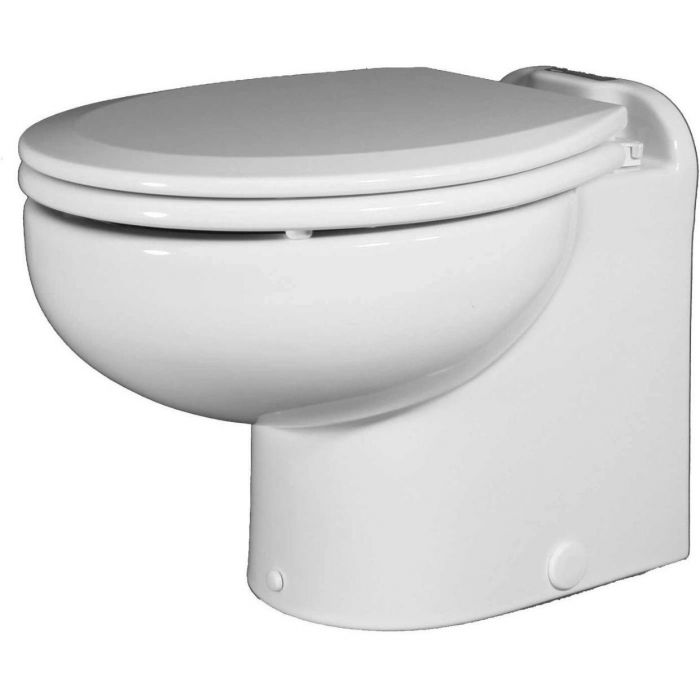
This is one of those jobs nobody looks forward to, which is exactly why it gets put off longer than it should. Cleaners, tank treatments, and a careful look at hoses, seals, and fittings help keep the system working properly and keep bad smells and worse headaches from settling in early.

Shop Boat Plumbing Supplies

Safety Gear You Should Replace Each Spring

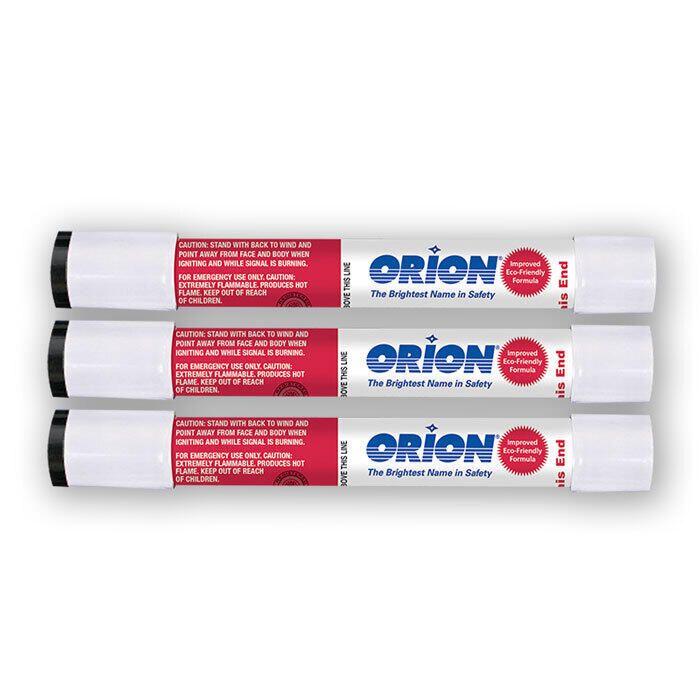
Safety gear has a way of sitting quietly in the background until the day you need it, and that is exactly why spring is the time to give it a hard look. Flares expire, extinguishers lose charge, life jackets get crushed and worn out, and first aid kits get picked over until the stuff you are counting on may not be worth much when it counts. Work through the basics now, replace what should not be trusted, and use the safety guide to backfill anything the boat, the crew, or the season still needs.

Item What to Check Why Replace It
Flares Expiration date, casing condition Expired flares are not worth trusting
Fire Extinguishers Gauge, corrosion, mount, access Low or damaged units may fail when needed
Life Jackets Fit, straps, buckles, tears, mildew Old or damaged PFDs may not perform properly
First Aid Kits Expired, missing, wet, or depleted contents A picked-over kit is not much of a kit

Expired Flares

Flares do not get better with age, and spring is the time to check dates before the season gets moving. If they are expired, damaged, or have been bouncing around in a damp locker too long, replace them and move on.

Fire Extinguishers

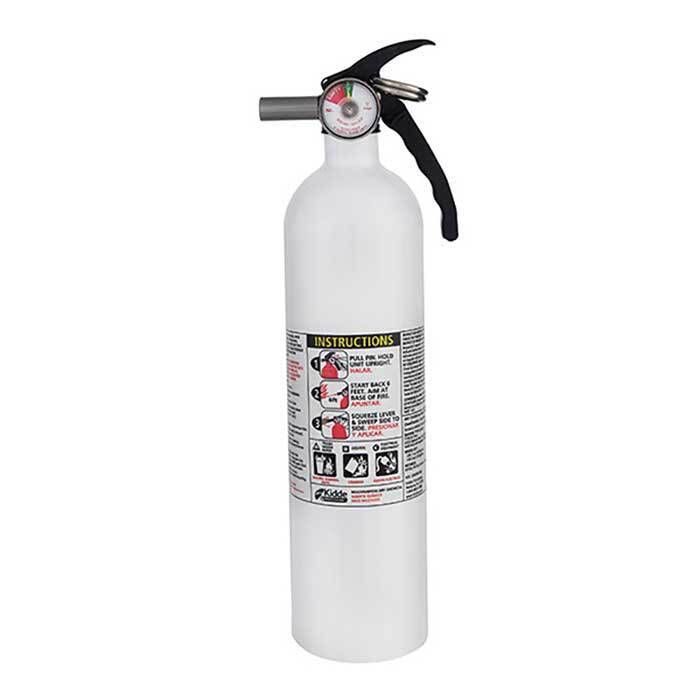
A fire extinguisher is only useful if it is in good shape, fully charged, and easy to grab without digging for it. Spring is the time to check the gauge, inspect for corrosion or damage, and replace anything that looks questionable before it earns a chance to prove you should have.

Life Jackets

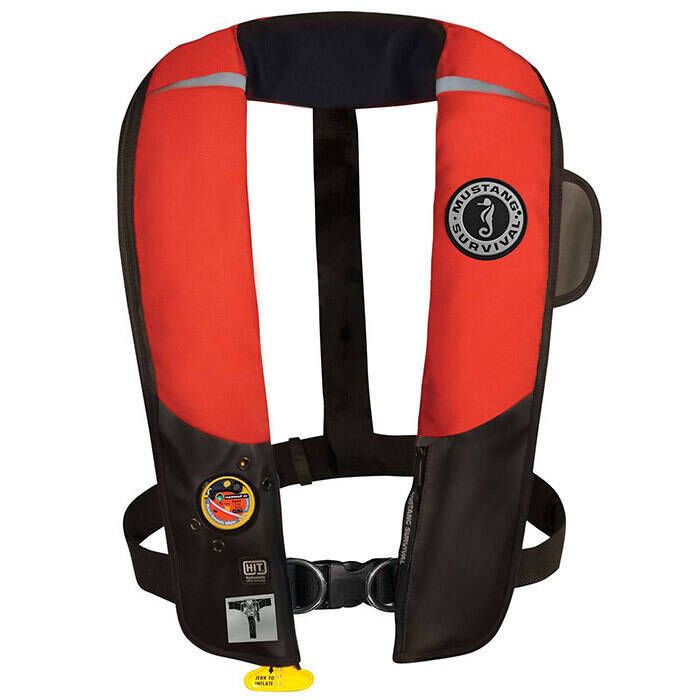
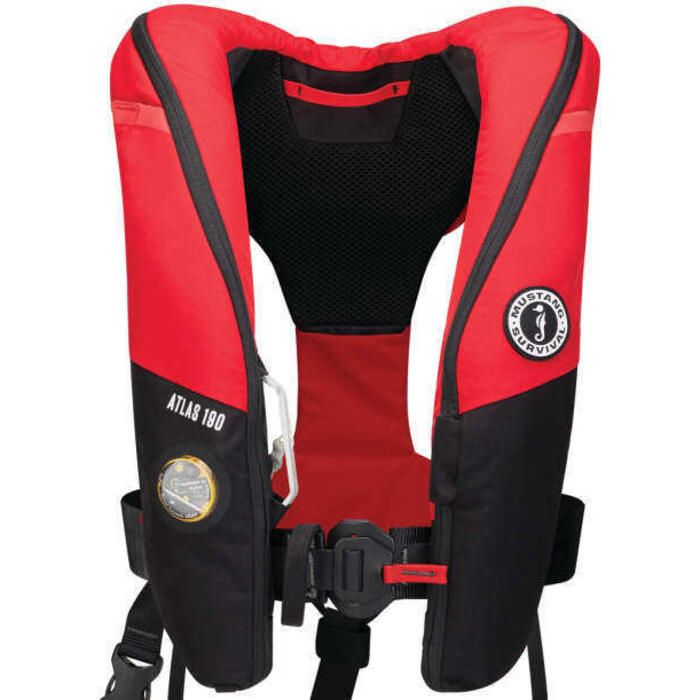
Life jackets take more abuse than people think, especially when they spend the off-season damp, crushed, sun-faded, or buried under other gear. Check the fit, straps, buckles, and overall condition, and replace the ones that are worn out, damaged, or no longer right for the people using them.

First Aid Kits

A first aid kit has a way of turning into a half-empty box of leftovers if nobody checks it between seasons. Spring is the time to restock what is missing, toss what is expired or water-damaged, and make sure the kit is ready for more than handing someone a single adhesive bandage.

Shop Popular Boat Safety Gear

Docking & Launch Readiness Supplies

Some of the most avoidable (and frustrating) spring headaches have nothing to do with the engine and everything to do with the gear that gets the boat off the trailer, onto the dock, and tied up.

Dock Lines & Chafe Protection

Dock lines live a hard life, and spring is a good time to admit when a set has gone too stiff, fuzzy, sun-cooked, or worn thin. Fresh line and proper chafe protection help keep the boat secure without asking tired gear to survive one more season just because it did last year.

Fenders

Fenders are cheap compared with scraped gelcoat, bent rails, or the docking marks you’re forced to look at all summer. Avoid the pain by checking that yours are still in good shape, properly sized, and ready for the way you actually dock.

Trailer Wheel Bearings & Lights

Trailer trouble is a rotten way to start the season, and wheel bearings and lights are two of the usual suspects. Grease, bearing kits, seals, and working trailer lights are all easy enough to deal with in the driveway, which beats dealing with them on the shoulder or at the ramp.

Spring Electronics Check

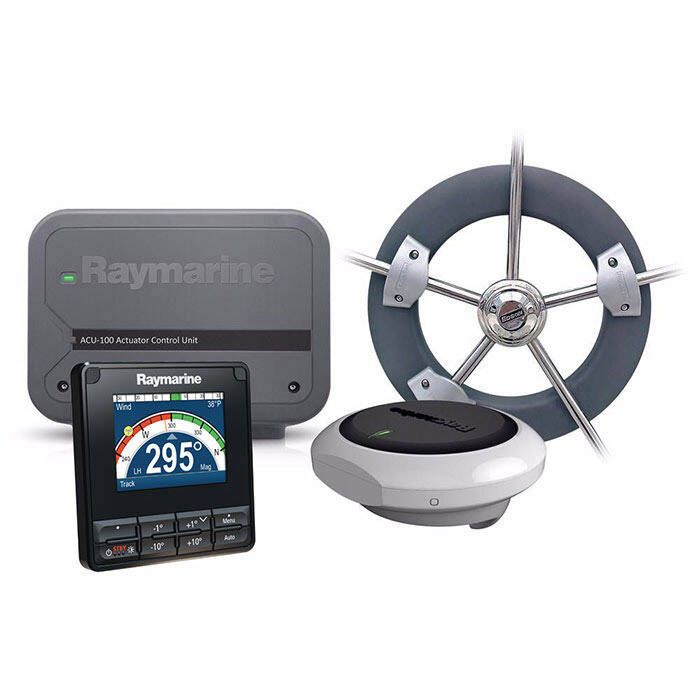
Spring is the time to wake the electronics back up and make sure everything still talks to everything else. Navigation, communication, and sonar gear all need a proper once-over before you trust them to do their job underway.

Shop Popular Boat Electronics & Navigation Gear

Chartplotter Updates

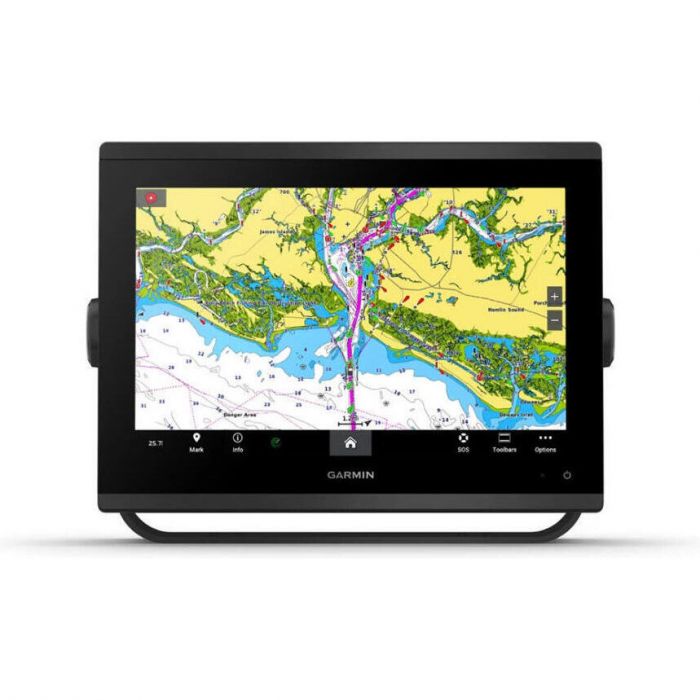
A chartplotter that has gone too long without an update can do more than leave you running old charts. It can load slowly, act glitchy, or stop working the way it should when you need it. Power it up early, check for software and chart updates, and make sure the unit starts cleanly, runs properly, and still talks to the rest of your electronics.

VHF Radio Check

Your VHF radio needs to do two things well: send clearly and receive clearly. Spring is the time to test the radio, inspect the antenna and connections, and make sure the whole setup is ready before you leave the dock.

Fishfinder & Transducer Inspection

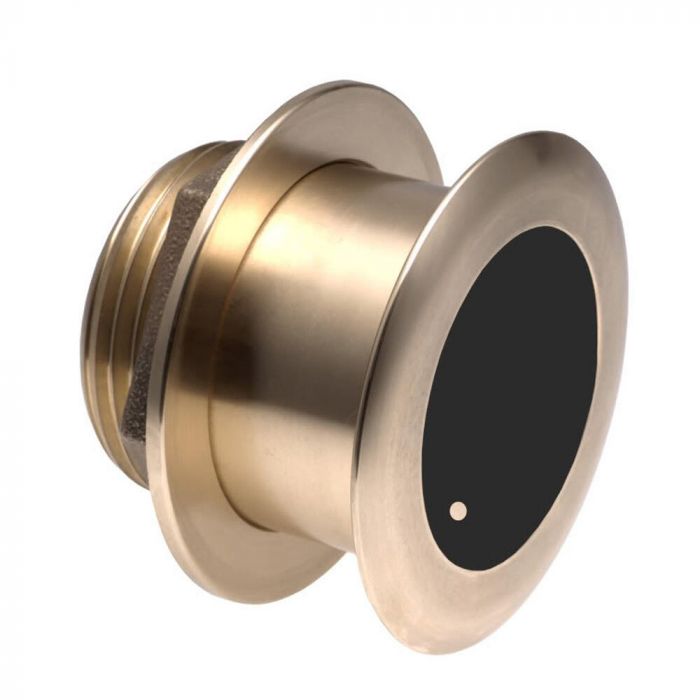
Fishfinders and transducers spend a lot of time taking abuse from storage, trailering, growth, and general neglect. Check that the transducer is clean, secure, and undamaged, then power the unit up and make sure it is giving you a clean reading instead of feeding you junk.

Spring Cleaning & Cosmetic Supplies

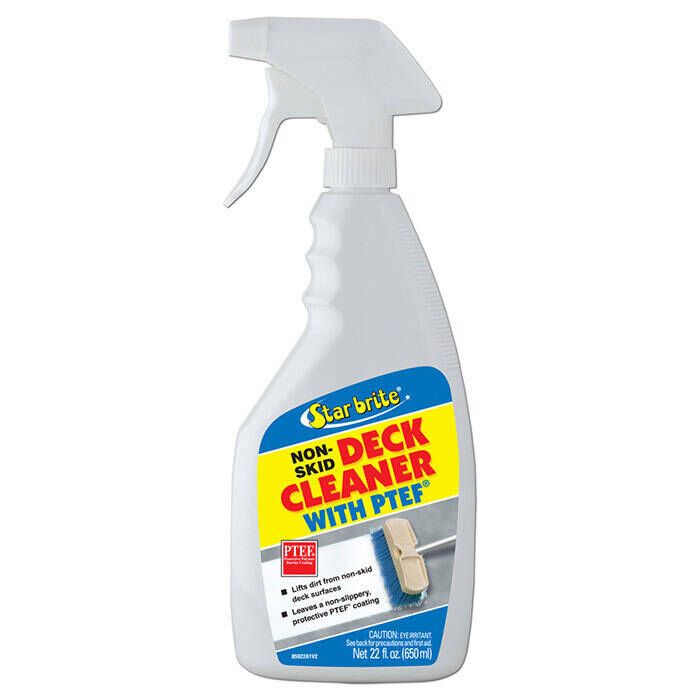
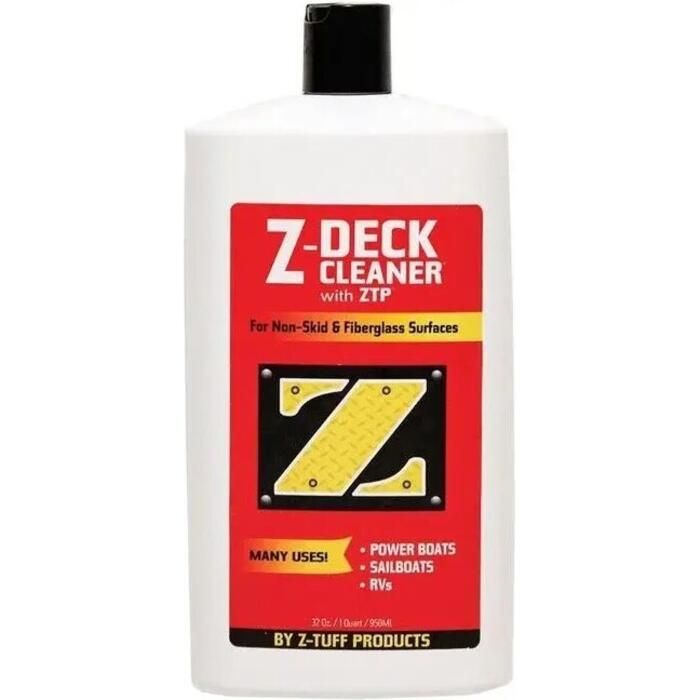
Spring cleaning is part reset, part inspection, and part damage control after months of storage, damp air, dirt, and neglect. A proper washdown helps you strip away the grime and mildew that build up over the off-season, which makes it easier to spot stained surfaces, tired finishes, water intrusion, and the little cosmetic issues that got worse while the boat sat. It also gets the boat feeling usable again, which matters more than people admit after a long winter of shut cabins, dirty decks, and surfaces that look like they have had enough.

Spring Cleaning Job What You’re Dealing With What Helps Recommended Products
Boat Wash & Wax Dirt, storage grime, salt residue, streaking, and a finish that came out of winter looking tired Boat soap, wash tools, and a good wax or protectant help clean the boat up and give the surface some protection before the season gets rolling Star Brite Concentrated Boat Wash, MaryKate On & Off Hull & Bottom Cleaner, Boat Deck Brushes, Mops & Marine Cleaning Tools and Waxes, Sealers & Polishes
Teak Cleaners Dirty, greyed-out teak with surface buildup from weather, storage, and neglect The right teak cleaner helps lift the grime and bring the wood back without getting so aggressive you make a bigger mess of it Star Brite One Step Teak Cleaner & Brightener, Star Brite Teak Care Kit and SEMCO 2-Part Teak Cleaner
Mold & Mildew Removal Damp smells, mildew spots, and surface mold in cabins, lockers, cushions, and other places that stayed shut up too long Mold and mildew cleaners help knock it back early, before the boat starts smelling like it never really came out of winter Star Brite Mildew Stain Remover, BoatLIFE Mildew Remover and 3M Marine Mildew Stain Remover

Boat Spring Commission FAQ

What supplies do I need to get my boat ready for spring?

Most boats need some mix of engine oil, filters, fuel treatment, battery and electrical supplies, bottom and hull prep products, plumbing cleaners, safety gear, cleaning products, and a few replacement parts to deal with whatever winter left behind.

When should I start spring commissioning?

Start as early as the weather, storage situation, and access to the boat allow, because parts, yard time, and good launch windows get a whole lot harder to come by once everybody else starts thinking about spring too.

How long does it take to de-winterize a boat?

That depends on the size of the boat, the systems onboard, and how well it was put away, but even a straightforward de-winterizing job usually takes longer than people think once inspections, cleaning, and replacement parts get involved.

Do I need to repaint my bottom every year?

Not always, but spring is the right time to inspect the condition of the existing paint and decide whether wear, flaking, growth, or reduced performance mean it is time for another coat.

What’s the difference between commissioning and de-winterizing?

De-winterizing is the work involved in bringing systems back online after storage, while commissioning is the broader spring process of checking, servicing, cleaning, restocking, and getting the whole boat ready for the season.

Should I hire a yard or do it myself?

That comes down to your boat, your skills, and how much time you want to spend on the work, but plenty of boaters handle the basics themselves and bring in a yard for the bigger, dirtier, or more technical jobs.