 Shopping from Canada?
  Go to Defender Canada!



How to Winterizing Your Gas Inboard or Sterndrive
When the boating season winds down and temperatures start to drop, your gas inboard or sterndrive engine needs attention before it’s left to face the cold. Proper winterization isn’t just about preventing freeze damage. It’s also about protecting your entire powertrain, fuel system, and cooling components from corrosion, sludge, and costly springtime repairs. A few careful steps now can save you hours of frustration and hundreds of dollars later.
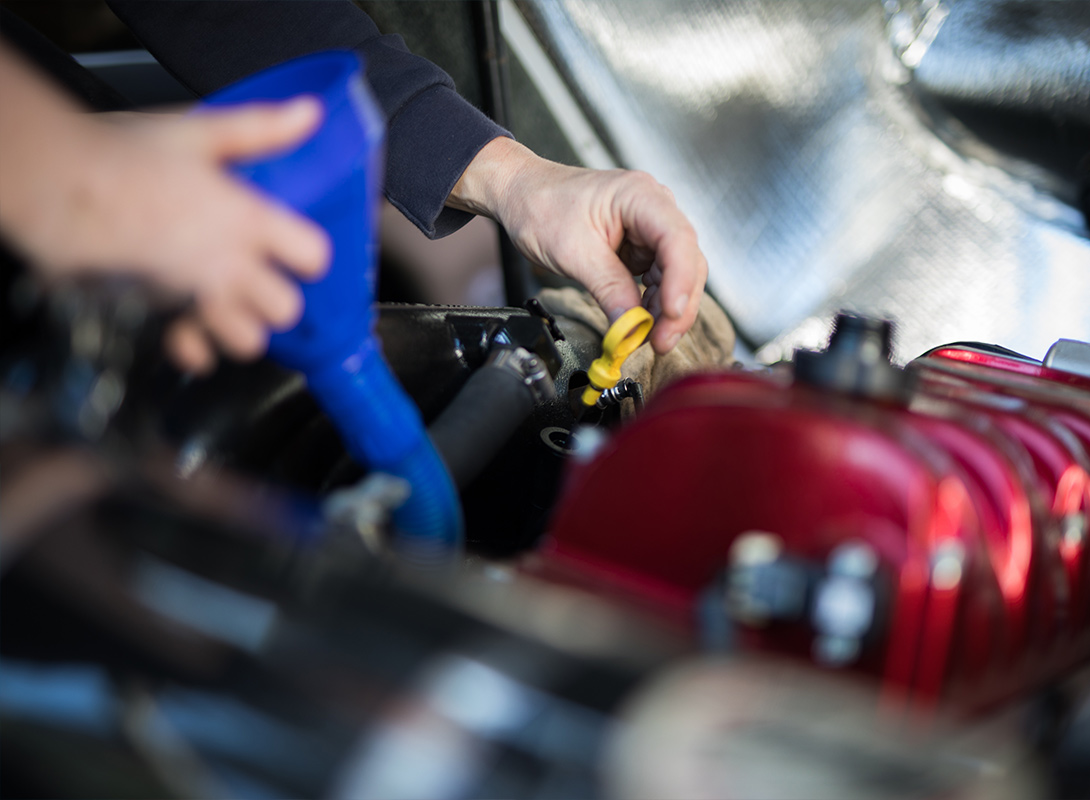
Whether you’re running a MerCruiser sterndrive or a Crusader inboard, the fundamentals of winterizing are the same: remove water, stabilize fuel, lubricate moving parts, and protect against rust and corrosion.
Each system, however, has its own quirks, so skipping even one small task can mean big trouble when you fire up the engine again in spring. That’s why it pays to follow a proven, step-by-step process designed specifically for gas inboard and sterndrive engines. Whether you prefer to DIY or just want to understand what your mechanic should be doing, this comprehensive guide will help ensure your boat is ready to perform flawlessly next season.
Understanding Inboards vs. Sterndrives
Before diving into the winterization process, it helps to understand the key differences between inboard and sterndrive (also known as inboard/outboard) engines. Both use similar systems for fuel, cooling, and exhaust; but their layouts, maintenance points, and winterization needs vary in a few critical ways.
Inboard Engines
Inboard engines are mounted inside the hull, connected to the propeller shaft through a transmission. They’re typically cooled by seawater drawn through a raw-water intake or by a closed cooling system that circulates antifreeze through heat exchangers. Winterizing an inboard means paying close attention to draining engine blocks, exhaust manifolds, and cooling lines, as trapped water can freeze and crack components.
Sterndrive Engines
Sterndrives, such as popular MerCruiser or Volvo Penta units, combine inboard power with an outboard-style drive mounted through the transom. The exposed lower unit adds a few extra steps to the process.
Consequently, you’ll need to protect the drive housing, lubricate the propeller shaft, drain gear lube, and fog the engine. Because sterndrives are partly exposed to the elements, corrosion prevention and seal inspection are especially important.
All Inboard Motors
Ultimately, both engine types require careful draining, lubrication, and protection, but knowing where each system draws in water (and how it circulates) will help you winterize efficiently and confidently. Understanding these distinctions also helps ensure you use the right marine antifreeze, gear lube, and fogging products for your setup.
Tools & Supplies You’ll Need
Before you start winterizing your gas inboard or sterndrive, you need to gather all the right tools and materials. Having everything on hand makes the process faster, safer, and ensures nothing gets overlooked. Below are the essentials every boater should have ready. And all of these available from Defender’s trusted selection of marine-grade winterization supplies.
Engine & Fuel System Essentials
Your engine’s health depends on what’s left inside it during the off-season. Old fuel, residual water, and unprotected metal surfaces can cause serious corrosion or damage by spring. These products keep your fuel stable, your cooling system safe, and your internal parts lubricated and rust-free.
- Marine Antifreeze: Use a non-toxic, propylene glycol–based marine antifreeze rated for at least -50°F. It protects your cooling system and exhaust manifolds from freezing and corrosion.
- Fuel Stabilizer: Prevents fuel degradation and varnish buildup during storage. Add before your last run of the season to circulate through the system.
- Fogging Oil: Coats internal engine parts to prevent rust and corrosion. Essential for carbureted and fuel-injected engines alike.
Oil & Filtration
Changing your oil and filters before storage removes contaminants that can attack metal surfaces over the winter. Moisture and acids from used oil can cause corrosion in bearings and cylinders if left untreated. A clean oil system ensures your first startup next spring is smooth and trouble-free.
- Engine Oil & Filters: Change oil and replace filters before storage to remove moisture and contaminants that can cause internal corrosion.
- Oil Change Pump or Extractor: Makes removing old oil clean and easy, especially in tight bilge spaces.
Cooling & Draining Tools
Properly draining and flushing your cooling system is critical to prevent freeze damage. Any trapped water in the block or manifolds can expand and crack components when temperatures drop. These tools help you safely remove water and circulate antifreeze through your system.
- Drain Plugs & O-Rings: Inspect and replace old plugs to ensure a watertight seal when you recommission.
- Hoses, Funnels & Clamps: For flushing, draining, and circulating antifreeze through the cooling system.
Electrical & Battery Care
Cold weather and inactivity can take a toll on your boat’s electrical system. Batteries naturally discharge over time, and corrosion can form on terminals and connectors. Using the right chargers and protective products helps preserve your electrical gear for a quick, reliable start in spring.
- Marine Battery Charger or Maintainer: Keeps batteries topped off and prevents sulfation during the off-season.
- Dielectric Grease: Protects terminals and connectors from corrosion caused by moisture and salt.
Storage & Protection
Even after the engine is prepped, the rest of your boat still needs attention. Moisture, debris, and lack of airflow can cause mildew, odor, and surface corrosion. Protect your boat with proper covers, ventilation, and corrosion inhibitors to keep it in top shape all winter long.
- Engine Fogging & Corrosion Protection Sprays: Safeguard metal components, linkages, and electronics.
- Boat Covers & Ventilators: Keep moisture, debris, and critters out while allowing airflow to prevent mold and mildew.
- Moisture Absorbers or Dehumidifiers: Reduce condensation inside the cabin and engine compartment.
Winterization Tool & Supply Pro Tip
Make a checklist and label each product before starting. Once you begin draining and fogging, it’s easy to lose track of what’s been done. Defender’s Winterization Checklist is a great companion for keeping your process organized and complete.
Step-by-Step Winterization Process
Now that you’ve gathered your supplies, it’s time to prepare your gas inboard or sterndrive for the off-season. Follow these steps in order to ensure your engine and systems are fully protected from freezing temperatures, moisture, and corrosion.
Each step is simple to do yourself with the right materials. And all can be completed in a single afternoon with Defender’s trusted marine products.
Step 1: Flush the Cooling System
Start by running fresh water through the engine to remove any salt, dirt, or debris. Attach a set of flushing muffs or a flushing adapter to the raw-water intake, and let the engine run until it reaches normal operating temperature. This ensures the thermostat opens so that all passages are flushed clean.
Once the system is flushed, switch to marine antifreeze and circulate it until you see colored fluid exiting the exhaust. This confirms the antifreeze has filled the block and manifolds, protecting against freeze damage.
Pro Tip: Use a propylene glycol–based marine antifreeze rated for at least -50°F. It’s non-toxic, safe for marine environments, and offers superior corrosion protection compared to automotive antifreeze.
Step 2: Drain Engine Block & Manifolds
Next, locate all engine block, manifold, and raw-water drain plugs. Remove them carefully to allow any remaining water to escape. Some engines may have multiple plugs. So refer to your manufacturer’s diagram to ensure none are missed.
If your system has hoses or low points that can trap water, disconnect them to drain completely. Once dry, replace the plugs and inspect O-rings for wear or cracking before reinstalling.
Pro Tip: Keep a labeled container handy for each plug you remove. Mixing up drain plug locations is one of the most common mistakes during reassembly in spring.
Step 3: Change Engine Oil & Filters
Used engine oil contains acids and moisture that can corrode internal parts during storage. Warm up the engine first. This helps the oil flow more easily and carry contaminants out when drained.
And use a manual or electric oil extractor to remove old oil through the dipstick tube. Then replace it with fresh marine-grade engine oil and a new oil filter per your engine’s specifications. And, of course, dispose of old oil responsibly.
Pro Tip: Always change your oil before winter storage, not after. Clean oil provides a protective film on internal parts, reducing corrosion over months of inactivity.
Step 4: Fog the Engine
Fogging protects the upper cylinders, pistons, and valves from rust during long storage periods. With the engine running at idle, spray fogging oil directly into the carburetor or air intake until the engine begins to smoke and stall. And for fuel-injected engines, remove spark plugs and spray a small amount into each cylinder instead.
Pro Tip: Evenly coating the engine’s internal parts ensures the best protection against moisture and oxidation.
Step 5: Stabilize the Fuel System
Gasoline can break down and form varnish or gum in as little as 30 days. Add a high-quality fuel stabilizer to your tank, then run the engine for 10–15 minutes to circulate it through fuel lines and injectors.
Pro Tip: Fill the fuel tank to about 95% capacity before storage to minimize condensation while leaving a little room for expansion.
Step 6: Protect the Drive Unit
For sterndrives, drain and replace the gear lube to remove water and contaminants that could freeze or corrode internal gears. Inspect the prop shaft for fishing line or damage, grease the shaft, and reinstall the propeller. Also, lubricate all zerk fittings and pivot points with marine grease to protect moving parts and seals.
Pro Tip: A milky appearance in your gear oil means water intrusion. In that case, replace prop shaft seals before spring launch.
Step 7: Maintain Electrical & Battery Systems
Disconnect your batteries and fully charge them before storage. Keep them on a marine battery maintainer or trickle charger over the winter to prevent sulfation. Remove terminals, clean with baking soda and water, and apply dielectric grease for corrosion resistance.
Pro Tip: Store batteries in a dry, cool place.
Step 8: Cover & Store Properly
Finish by covering your boat to keep it clean and dry. Use a high-quality marine-grade cover that fits snugly but allows ventilation to prevent mildew. Add moisture absorbers or dehumidifiers in the cabin and engine compartment for extra protection.
Pro Tip: Don’t shrink-wrap too tightly. Trapped moisture can lead to mold. Proper airflow is key to keeping your boat fresh through the off-season.
Regional Winterization Tips for Gas Inboard or Sterndrive Motors
No two boating seasons (or regions) are exactly alike. Whether you’re hauling out on Lake Erie, dry-docking in Connecticut, or tying up for the off-season in Florida, your winterization priorities should reflect local weather conditions. Below are Defender’s regional best practices for keeping your boat safe and ready for spring launch, no matter where you’re located.
Northeast & New England: Full Freeze Protection
If you boat in the Northeast or New England, winter means hard freezes, snow, and long storage periods. The number one priority here is freeze prevention. After all, even a small amount of trapped water in your cooling system or bilge can cause serious damage when temperatures drop below zero.
- Use marine antifreeze rated to at least -50°F, or -100°F for added assurance.
- Drain all water from engine blocks, exhaust manifolds, freshwater systems, and heads.
- Store fuel tanks near full with stabilizer added, and top off oil and coolant levels before covering.
- Remove batteries for indoor storage and keep them on a battery maintainer.
- Use a fitted boat cover or shrink-wrap with proper ventilation to prevent snow buildup and condensation.
Pro Tip: In freezing climates, double-check all low points and raw-water drains. Even a cup of leftover water can expand and crack cast iron manifolds or blocks.
Great Lakes Region: Moisture & Temperature Swings
The Great Lakes present a double challenge: deep freezes combined with high humidity and rapid temperature swings. Boats stored outdoors or in unheated barns are especially vulnerable to condensation and mold.
- Follow full engine and cooling system antifreeze procedures for the Northeast.
- Use moisture absorbers or dehumidifiers in enclosed spaces to prevent mildew and odor.
- Lubricate control cables, steering systems, and metal fittings with corrosion inhibitors.
- Inspect bilges and lockers for trapped water, and elevate cushions or soft goods for airflow.
- Choose a breathable cover that sheds snow but allows ventilation.
Pro Tip: Lake-effect weather can create freeze–thaw cycles that draw moisture into confined spaces . So always vent and inspect regularly during storage.
Florida & Gulf Coast: Corrosion & Storm Preparedness
Boaters in Florida and the Gulf Coast rarely face freezing temperatures. But corrosion, humidity, and storm exposure make winterization just as critical. The goal here is to combat salt, prevent mildew, and prepare for potential severe weather. And keep in mind that freezes aren’t an impossibility! Watch your weather closely and employ antifreeze if there is a chance of a cold snap - it is inexpensive insurance for your engine block!
- Flush all systems thoroughly with fresh water and apply anti-corrosion sprays to metal and electrical components.
- Add fuel stabilizer and keep tanks full to minimize condensation and microbial growth.
- Use UV-protective waxes and covers to guard gelcoat and canvas from sun exposure.
- Disconnect and clean batteries, and then store in a cool, dry area out of direct sun.
- If storing outdoors, secure your boat for hurricane readiness with tie-downs or a storage cradle.
Pro Tip: Salt corrosion never takes a season off. So rinse your boat thoroughly and spray corrosion inhibitors on all exposed metal, especially around electrical terminals and linkages.
Pacific Northwest: Rain, Mold & Mild Winters
In the Pacific Northwest, consistent rain and cool, damp air make moisture management your top priority. While deep freezes are rare, unchecked humidity can lead to mildew, electrical corrosion, and damage to soft goods.
- Run dehumidifiers and place moisture absorbers in all enclosed areas, especially cabins and engine compartments.
- Ventilate storage spaces and open locker lids for airflow.
- Use breathable boat covers or tarps with vents, but never completely airtight materials.
- Apply corrosion inhibitors to all exposed fittings and electrical contacts.›
- Inspect bilge pumps regularly to ensure they stay functional through wet months.
Pro Tip: Even if you boat year-round, treat your vessel to a “mini winterization” by fogging the engine, stabilizing fuel, and protecting electrical connections during long inactive periods.
Defender’s Regional Takeaway
Whether you’re battling ice in Maine, moisture in Michigan, or salt spray in Sarasota, the principles remain the same: flush, drain, lubricate, and protect. Defender’s full lineup of Winterization Supplies is designed for every region and every boater, allowing you to store your vessel with confidence over the winter season and launch next spring without worry.
Common Mistakes to Avoid
Even seasoned boaters can overlook small steps that lead to critical issues in the spring when it’s time to relaunch. Avoid these common winterization mistakes to protect your engine, save money, and ensure a smooth start to next season.
Using automotive antifreeze instead of marine-grade antifreeze
Automotive antifreeze contains toxic ethylene glycol and can harm your cooling system and the environment. Always use marine antifreeze rated for your climate.
Forgetting to drain all low points in the cooling system
Even a few ounces of water left behind can freeze and crack your block or manifold. Use drain plugs, hoses, and flushing tools to remove every bit of water.
Skipping the oil change before storage
Old oil traps moisture and acids that corrode bearings and cylinder walls. Always change oil and filters before winterizing.
Neglecting to fog the engine
Without fogging oil, internal parts can rust during storage. A few seconds of fogging now can prevent thousands in damage later.
Ignoring the fuel system
Unstabilized fuel degrades quickly, leading to varnish, clogged injectors, and hard starts in spring. Add fuel stabilizer and run the engine to circulate it. → Shop Fuel Stabilizers › https://defender.com/en_us/fuel-additives
Over-tightening or misplacing drain plugs
Cracked housings or missing plugs can ruin a launch day. Always replace O-rings and store removed plugs in labeled containers.
Leaving batteries connected or unattended
Batteries naturally discharge and sulfate over time. Disconnect them and keep on a smart charger or battery maintainer to extend lifespan.
Sealing your boat too tightly
Airtight covers trap moisture, leading to mold and mildew. Use breathable covers with vents or moisture absorbers inside cabins and lockers.
Pro Mistake Tips
The most expensive winterization mistake isn’t what you do. Rather, it’s what you forget. Follow Defender’s Complete Boat Winterization Checklist to ensure every critical system is protected.
Top Products for Gas Inboard & Sterndrive Winterization
Selecting the right supplies is as important as following the right process. Each product below is specifically formulated for marine use and engineered to protect your engine, systems, and surfaces through the toughest winter conditions.
Defender offers a full lineup of professional-grade winterization products (i.e the same trusted brands used by boatyards and mechanics across the country). These essentials will help you safeguard your investment and make spring commissioning smooth and stress-free.
Marine Antifreeze
The foundation of any successful winterization job starts with high-quality marine antifreeze. Unlike automotive types, marine-grade antifreeze is non-toxic and safe for use in freshwater systems, heat exchangers, and engine cooling passages. It prevents freezing, inhibits corrosion, and protects aluminum, bronze, and copper components throughout the off-season.
- -50°F and -100°F Formulations – Read labels carefully! The temperatures in the product names don’t offer the coverage you might assume: for example, -50°F antifreeze generally has a freeze point of anywhere between 18° and 6°F, depending on the blend. Choose the protection level based on your region’s lowest expected temperatures. Also note that many of these products are NOT meant to be diluted in any way.
- Propylene Glycol Base – Non-toxic and environmentally friendly for safe use in bilges and waterways.
- Corrosion Inhibitors Added – Protects metals, rubber hoses, and gaskets from degradation.
Fuel Stabilizers & Additives
Your fuel system is one of the most vulnerable parts of your boat during long storage periods. Gasoline begins to oxidize and break down within weeks, leaving varnish and deposits that clog injectors and carburetors. A quality fuel stabilizer preserves fuel integrity, prevents ethanol-related phase separation, and ensures smooth starts in the spring.
- Ethanol-Compatible Formulas: Keeps ethanol-blended fuel from absorbing water and separating.
- Injector & Carburetor Cleaners: Maintains fuel delivery system performance.
- Long-Term Storage Protection: Effective for up to 24 months of downtime.
Fogging Oils & Engine Protectants
Internal engine corrosion is one of the most common causes of damage during winter storage. Fogging oil forms a thin, protective coating over pistons, valves, and cylinders, keeping rust and condensation from attacking metal surfaces. It’s a quick, affordable step that prevents costly repairs come spring.
- Aerosol Spray Application: Simple to apply through air intake or spark plug holes.
- Compatible with Carbureted & EFI Engines: Versatile use across gas inboard and sterndrive models.
- Anti-Rust Formulation: Provides superior internal corrosion resistance during long-term storage.
Marine Engine Oils & Filters
Clean oil and filters are your first defense against corrosion and wear. Changing them before storage removes contaminants like fuel residue, moisture, and other impurities that can degrade metal components. Marine-specific oils are blended for high humidity and salt exposure, giving your inboard or sterndrive maximum protection all winter long.
- NMMA-Certified Oils: Formulated to meet or exceed marine engine standards.
- High-Temperature Stability: Maintains viscosity and film strength through fluctuating winter temperatures.
- Matched Oil Filter Sets: Winterization is the perfect time to complete a full system oil change, removing impurities that are in dirty filters and exhausted oil that would cause unnecessary corrosion to your system.
Battery Chargers & Maintainers
Cold weather and inactivity can take a toll on battery health. Be sure to fully charge your batteries before disconnecting them for the off season. A smart charger or maintainer ensures batteries remain charged without overcharging, extending service life and preventing sulfation. Whether you remove your batteries or leave them aboard, a steady trickle charge is essential for spring reliability.
- Automatic Multi-Stage Charging: Optimizes battery performance with minimal supervision.
- Compatible with AGM, Gel, and Flooded Cells: Works across all marine battery types.
- Compact, Weather-Resistant Designs: Ideal for onboard or dockside use.
Boat Covers & Ventilation
Protecting your boat from the elements is the final step in any complete winterization plan. A proper boat cover prevents debris, water, and UV damage, while allowing airflow to stop mildew and mold growth. Breathable, marine-grade materials are the key to maintaining a dry, damage-free interior all winter long.
- Custom-Fit & Universal Options: Available for runabouts, cruisers, and sailboats.
- UV and Mildew-Resistant Fabrics: Designed for long-term outdoor exposure.
- Optional Ventilators & Support Poles: Prevent sagging and condensation under the cover.
Corrosion Inhibitors & Moisture Control
Even after winterization, your boat’s metals and interiors remain vulnerable to moisture. Corrosion inhibitors provide a protective film on exposed components, while moisture control products absorb condensation to keep enclosed spaces dry. Together, they ensure your boat stays clean, odor-free, and ready to relaunch.
- Anti-Corrosion Sprays: Ideal for electrical terminals, linkages, and fittings.
- Reusable Moisture Absorbers: Reduce dampness and prevent mildew in cabins and lockers.
- Compact Dehumidifiers: Plug-in options for covered or indoor storage.
Defender’s Recommended Winterization Kit
Defender’s experts recommend building your own DIY Winterization Kit based on your boat size and region. Pair your antifreeze, fuel stabilizer, and fogging oil with a battery charger, moisture control, and boat cover for a complete, professional-grade setup.
Each of these components is proven to help prevent the most common winter storage issues (i.e. freezing, corrosion, battery failure, mold, etc.). Stock up early to beat the fall rush and ensure you’re ready before the first frost hits.
Shop All Winterization Supplies
FAQs: Winterizing Your Gas Inboard or Sterndrive
While both gas inboards and sterndrives use similar engines, their layouts affect how you drain and protect them. Inboards are entirely inside the hull, requiring careful attention to the engine block, manifolds, and cooling hoses. Sterndrives have an external lower unit that must also be drained, refilled with fresh gear lube, and treated for corrosion protection.
To winterize a gas inboard, start by flushing the cooling system with fresh water, then circulate marine antifreeze until it exits the exhaust. Drain all plugs and hoses, change the oil and filters, fog the engine, and stabilize the fuel. Finally, disconnect the battery and cover the boat to keep it dry and ventilated through the winter.
Sterndrives need all the same engine prep steps as inboards, as well as a little extra attention to the outdrive. Drain and refill the gear lube, grease the prop shaft and fittings, and apply a corrosion inhibitor to the drive housing. If your boat will be stored outdoors, tilt the drive down fully to prevent water from collecting in the exhaust passages.
Most small-block V8 and inline engines require 3 to 5 gallons of marine antifreeze, but that varies depending on the cooling system design. Run the engine long enough for antifreeze to exit both exhaust outlets. Doing this will confirm that the block and manifolds are fully protected. When in doubt, consult your manufacturer’s specifications or add a little extra for full coverage.
Yes, fogging is essential for any gas inboard or sterndrive engine being stored for more than a few weeks. It coats the cylinders, valves, and pistons with protective oil to prevent rust, especially in high-humidity regions. Engines left un-fogged can seize or corrode internally, leading to costly spring rebuilds.
It’s possible, but it’s more difficult and less reliable than doing it on land. You can run antifreeze through the cooling system using a flushing kit, but you won’t be able to fully drain the block or access lower drive components. Defender recommends hauling out for complete access. It’s the only way to guarantee every drain point is cleared.
The biggest issue is leaving water trapped in the engine block or manifolds. Even a small amount can freeze, expand, and crack cast iron components. Following a detailed step-by-step guide (using high-quality antifreeze, fogging oil, and stabilizer) ensures you won’t miss critical steps or damage your engine over the winter.
Corrosion is the silent killer of marine engines, especially in saltwater regions. After flushing with fresh water, use fogging oil internally and anti-corrosion spray externally. Then apply marine grease to linkages, shafts, and exposed hardware to seal out moisture and oxidation.
FAQs: Winterizing Your Gas Inboard or Sterndrive (Continued)
For gasoline engines, it’s best to store the tank nearly full (about 95%). This minimizes air space and prevents condensation, which can cause water contamination and ethanol phase separation. Add fuel stabilizer before filling, then run the engine for 10–15 minutes to circulate treated fuel through the system.
Use a breathable boat cover that fits tightly but allows airflow to prevent mildew. Add moisture absorbers or dehumidifiers inside enclosed spaces like cabins or engine rooms. A few low-cost prevention steps can save you from dealing with musty cushions, corrosion, or mold in spring
Get Winter-Ready with Defender
Winterizing your gas inboard or sterndrive is one of the smartest ways to protect your boat, engine, and investment. With the right process, the proper supplies, and Defender’s trusted guidance, you can avoid costly repairs and ensure your boat performs flawlessly when spring returns.
Every boater, from weekend cruisers to seasoned mechanics, can handle these steps confidently with the right gear on hand. Defender has everything you need to do the job right — from marine antifreeze and fogging oil to fuel stabilizers, corrosion inhibitors, and moisture control.
Each product in our Winterization Collection is selected and tested to help you safeguard your systems and extend the life of your boat. Whether you’re prepping for hard freezes in Maine or fighting corrosion in Florida, Defender’s expert guides and supplies make it easy to winterize with confidence.