At the same time, painting fiberglass isn’t as simple as opening a can and rolling it on. Surface prep, paint selection, weather conditions, and technique all play a major role in whether the finish lasts for years or starts failing after one season.

This guide walks you through the entire process, from choosing the right paint to applying the final coat with confidence. Whether you’re refreshing topsides, repainting a tired hull, or tackling your first DIY paint project, the steps below will help you get professional-grade results without costly mistakes.

Shop Popular Boat Painting Supplies

Why Paint a Fiberglass Boat?

Painting a fiberglass boat protects the hull and topsides from UV exposure, restores faded color, and gives a tired gelcoat a clean cosmetic refresh. It also helps address oxidation, chalking, and minor surface failures while improving resale value and making future cleaning easier.

Where and how you boat also matters, because regional conditions drive wear in different ways. In Florida and along the Gulf Coast, intense sun and warm water accelerate UV damage and blistering, while boats in the Northeast and Great Lakes see abrasion and seasonal wear, and Pacific Northwest boaters often battle constant moisture, staining, and mildew.

Choose the Right Paint for Your Fiberglass Boat

Choosing the right paint is just as important as how you apply it, because different products are designed for different parts of the boat and different boating conditions. The right choice affects durability, appearance, maintenance intervals, and how well the paint holds up in your region. The sections below break down your options so you can quickly match the right paint system to your boat and project.

Topside Paint Options

Topside paints are designed for areas above the waterline, where appearance and UV protection matter most. One-part polyurethane paints are easy to apply and budget-friendly, making them a solid choice for recreational boaters and trailer boats, while two-part polyurethanes deliver superior gloss and durability favored by sailors, cruisers, and performance boats. For decks and high-traffic areas, non-skid coatings like KiwiGrip or Interlux Interdeck add traction while standing up to wear.

Shop Popular Topside Paints

Bottom Paint Options

Bottom paint protects the hull below the waterline from marine growth, and the right choice depends on how and where you use your boat. Hard paints, ablative paints, copper-free formulas, and hybrid paints each offer different balances of durability, self-cleaning, and environmental compliance, which are covered in detail in Defender’s Bottom Paint Guide. Boats kept in Florida or other warm regions often need aggressive, year-round antifouling, while Northeast and Great Lakes boats can often use seasonal paints designed for haul-out and storage.

Shop Popular Bottom Paints

Gelcoat vs Marine Paint: What’s the Difference?

Gelcoat is a thick, durable finish that’s best for deep repairs, structural fixes, or full restorations where the original surface has failed badly. Marine paint, on the other hand, is usually easier to apply, less expensive, and ideal for refreshing faded surfaces or covering cosmetic imperfections. For most DIY projects, paint offers a faster path to a clean, durable finish without the complexity of spraying gelcoat.

Shop Popular Gelcoat Paints

What You Need: Tools & Supplies

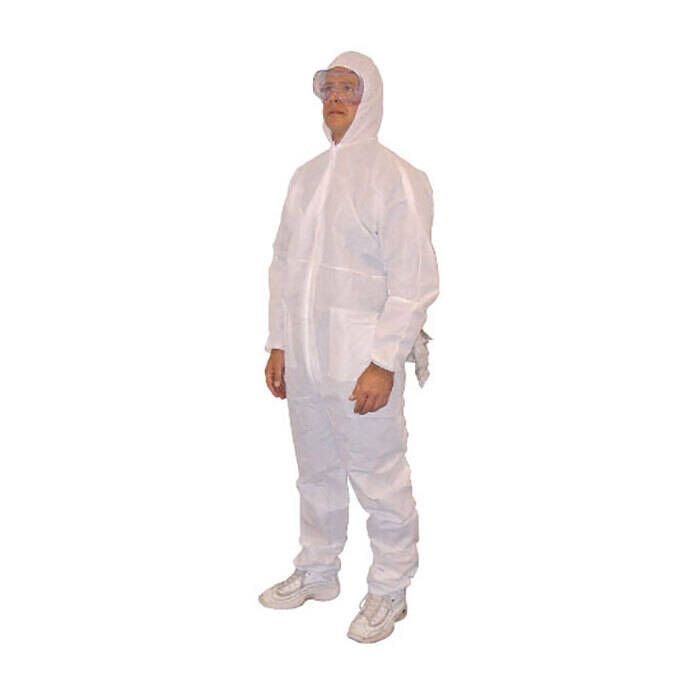
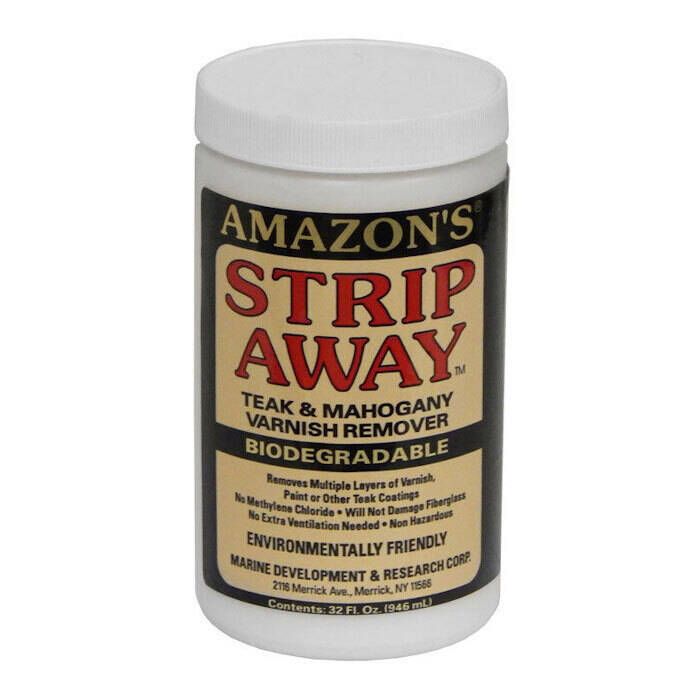
A successful paint job depends on having the right prep materials and application tools on hand before you start. This includes solvents and dewaxers, sandpaper in grits ranging from 80 to 320 and beyond, rollers, trays, foam brushes, respirators, PPE, tape, plastic, drop cloths, marine primer, tack cloths, and paint additives like thinners or brushing liquids. Stocking these supplies up front helps you maintain momentum and avoid cutting corners that can compromise the final finish.

Shop Popular Boat Paint Supplies

Step-by-Step: How to Prep a Fiberglass Boat for Paint

Proper preparation is the most important part of painting a fiberglass boat, and it’s where most DIY paint jobs succeed or fail. How well paint will adhere is determined by the quality of the surface beneath it, so rushing prep almost guarantees peeling, fisheyes, or premature wear. Taking the time to prep correctly creates a clean, stable surface that lets your paint cure properly and last for years.

Step 1: Wash & Degrease Thoroughly

Start by washing the entire surface with a marine-grade boat soap to remove dirt, salt, and surface grime. Follow up with a dedicated dewaxer to strip away old waxes, oils, and silicone residue using clean rags and frequent wipe changes.

Wax contamination is one of the most common causes of paint defects like fisheyes and craters. Even trace amounts of wax can repel fresh paint, which is why thorough cleaning with proper cleaners and dewaxers is non-negotiable before sanding or priming.

Step 2: Repair All Damage

Inspect the hull and topsides closely and repair all chips, scratches, gouges, and cracks before sanding the entire surface. Cosmetic cracks can usually be filled and faired, while structural cracks may require fiberglass cloth and epoxy for proper strength.

Any damage left unaddressed will telegraph through the final paint finish and worsen over time. Fiberglass repair kits, epoxy resins, and fairing compounds allow you to rebuild damaged areas and create a smooth, paint-ready surface.

Step 3: Sand Correctly

Sanding allows paint to bond to fiberglass, and grit choice matters. As a general guide, use 220–320 grit for topside paint, 80–120 grit for bottom paint, 120–180 grit for old gelcoat, and 180–220 grit for previously painted hulls.

Trailer boaters sanding on the trailer should take extra safety precautions and maintain stable footing around bunks and rollers. Always wear a respirator and eye protection, and avoid sanding near trailer supports where tools or debris can slip unexpectedly.

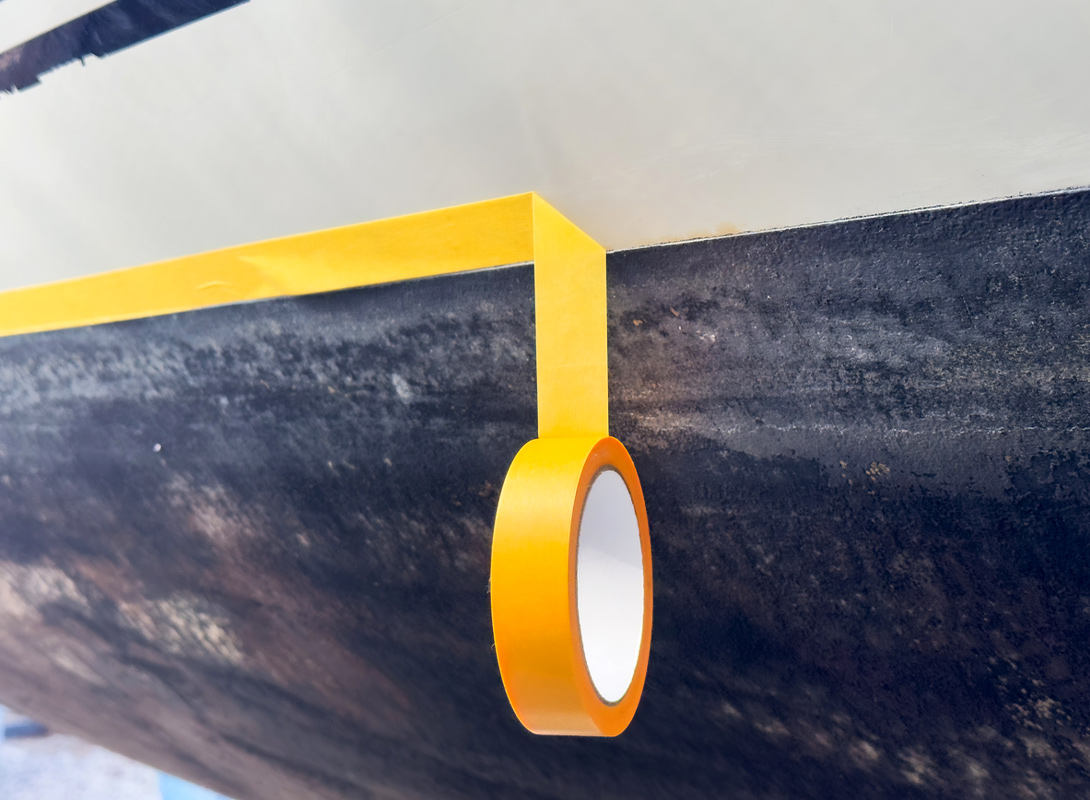
Step 4: Mask Off the Boat

Carefully mask the waterline, rails, trim, and any hardware that won’t be removed before painting. Taking time here protects clean edges and prevents overspray or roller marks where paint doesn’t belong.

And make sure to use high-quality blue painter’s tape for general masking and fine-line tape for crisp edges along the waterline or color transitions. Cheap tape can bleed or lift during removal, which creates extra cleanup and risks damaging fresh paint.

Step 5: Apply Primer (If Needed)

Primer is required when painting bare fiberglass, repaired areas, or when switching paint types. It’s recommended for heavily sanded surfaces or when uniform color and adhesion are critical for the final finish.

Primer may be optional when repainting over sound, well-sanded paint of the same type. When in doubt, though, priming adds insurance by sealing the surface and improving paint adhesion and longevity.

Shop Popular Primers

Step 6: Final Surface Cleaning

After sanding and priming, wipe the surface with the appropriate solvent to remove dust, residue, and fingerprints. Use clean, lint-free rags and change them often to avoid recontaminating the surface.

Finish with a tack cloth to capture remaining fine dust before paint application. Controlling dust at this stage is critical, as airborne debris can easily ruin an otherwise perfect finish.

Step Task Key Actions Why It Matters
1 Wash & Degrease Wash with marine soap, then wipe down with a dewaxer using clean rags Removes wax, oils, and contaminants that cause fisheyes and paint failure
2 Repair Damage Fix chips, scratches, gouges, and cracks using epoxy, fiberglass kits, and fairing compounds Prevents flaws from showing through paint and worsening over time
3 Sand Correctly Sand with proper grits: 220–320 (topside), 80–120 (bottom), 120–180 (old gelcoat), 180–220 (painted hulls) Creates proper surface so paint adheres and lasts
4 Mask Off Areas Tape waterline, rails, and hardware using blue tape or fine-line tape for sharp edges Protects clean lines and prevents paint bleed or overspray
5 Apply Primer (If Needed) Prime bare fiberglass, repairs, or heavily sanded areas Improves adhesion, seals repairs, and ensures even color
6 Final Cleaning Solvent wipe, then use tack cloth; control dust Ensures a clean surface so debris doesn’t ruin the final finish

How to Paint the Boat (Topside)

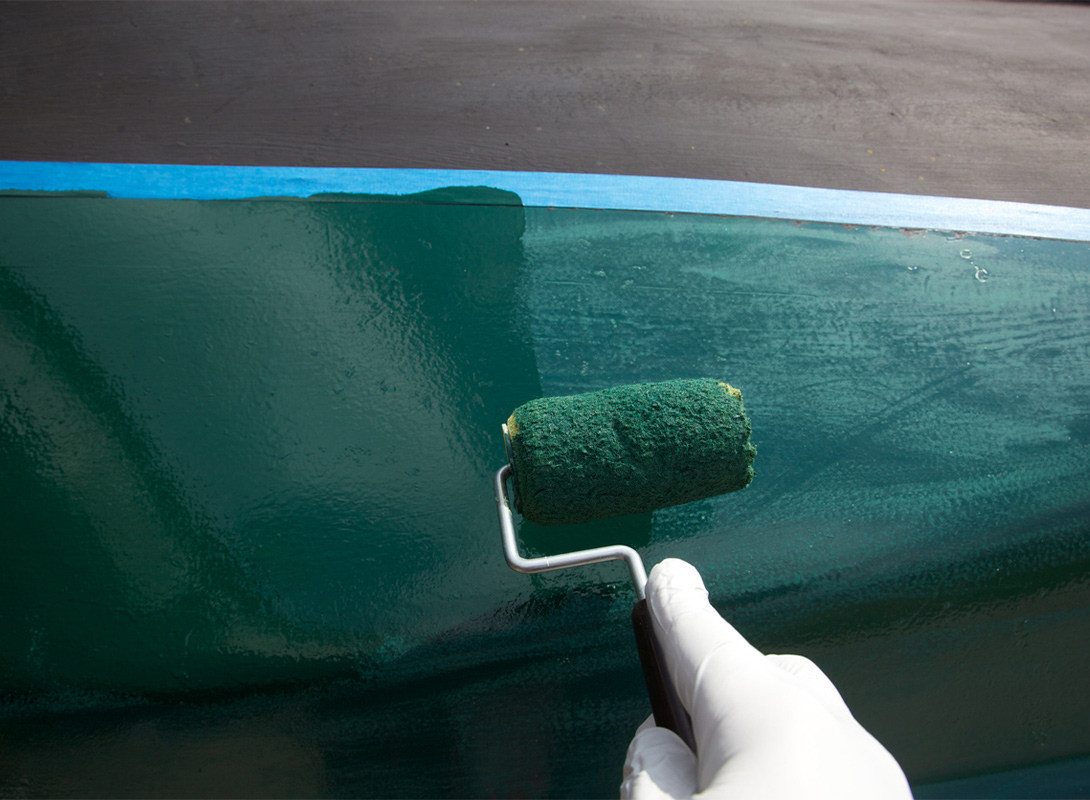
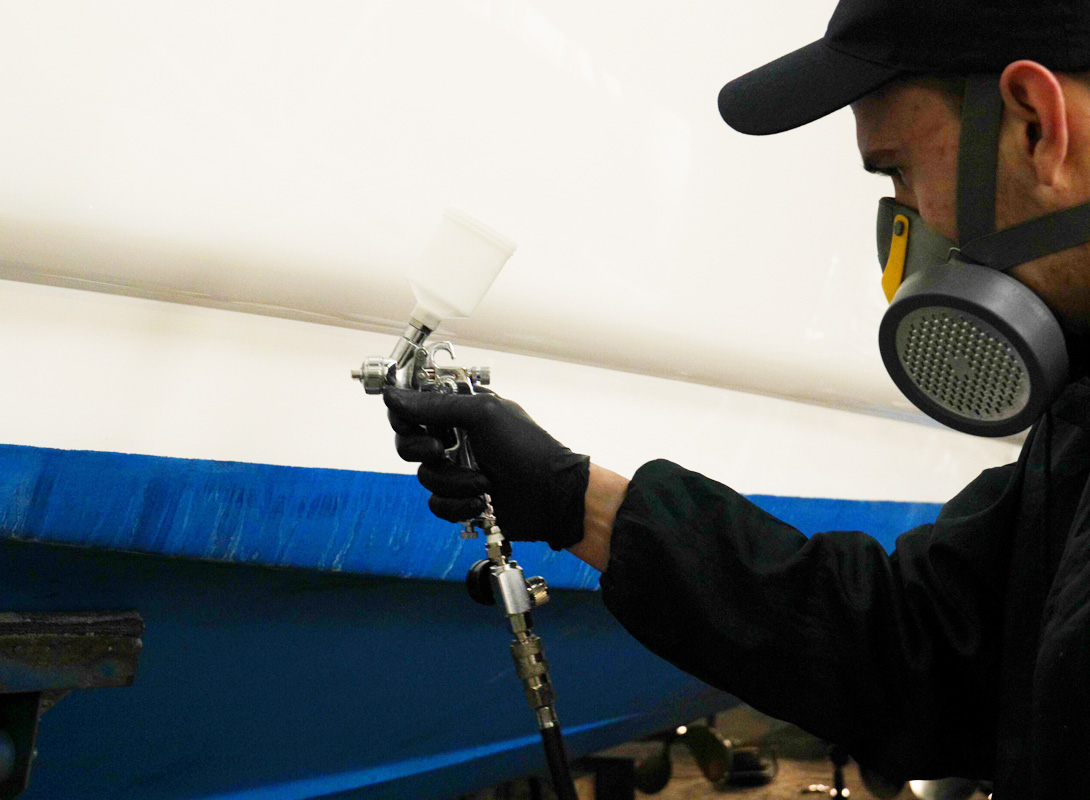
Most DIY boaters apply topside paint using the roll-and-tip method, which combines a roller for coverage and a brush to smooth the finish. Spraying is best left to experienced painters with proper equipment and controlled environments, since overspray, safety concerns, and weather conditions make it less forgiving.

Apply the first coat evenly and allow it to cure according to the paint manufacturer’s guidelines, paying close attention to temperature and humidity ranges. Lightly sand between coats as recommended to remove imperfections and promote adhesion, then apply the final coat once the surface is clean and dust-free.

Regional conditions play a big role in cure times and finish quality. In the Northeast, cooler temperatures may require longer cure times, Florida painters should avoid midday heat and humidity, and Pacific Northwest boaters need to plan carefully around moisture and rain to prevent contamination during drying.

How to Paint the Bottom (Antifouling)

Bottom paint protects the hull from marine growth and corrosion, and proper application is critical for performance and longevity. Before painting, scuff sand the existing surface to ensure adhesion, then tack and wipe the hull to remove dust and residue.

Apply the first coat evenly using the manufacturer’s recommended roller and coverage rate. Add additional coats along high-wear areas like the waterline, leading edges, rudder, keel, and strakes, where growth and abrasion are most aggressive.

Launch timing matters, because many antifouling paints have specific windows between final coat and splash. Always follow the paint’s launch rules or refer to Defender’s Bottom Paint Guide to avoid premature failure or reduced antifouling effectiveness.

Drying, Curing & Reassembly

Drying and curing times vary by paint type, and following the manufacturer’s schedule is critical to avoid soft finishes or gloss loss. One-part paints typically cure faster but remain softer, while two-part paints take longer to cure fully and require stricter temperature and humidity control.

Remove masking tape while the paint is still slightly soft to prevent lifting or tearing the edges. Waxing should wait until the paint has fully cured, and hardware should only be reinstalled once the surface can handle torque and compression without marking.

For trailer boats, pay close attention to where the hull contacts rollers or bunks during reassembly. Painting under bunks often requires shifting the boat on the trailer after initial curing, then touching up those contact points once access is available.

Key Points: Drying, Curing, & Reassembly

Task What to Know Why It Matters
Cure Times One-part paints cure faster; two-part paints take longer and need tighter conditions Prevents soft paint, poor gloss, or premature wear
Remove Masking Pull tape while paint is slightly soft, not fully hardened Avoids chipped edges and torn paint lines
Waxing Wait until full cure before waxing or polishing Protects the finish without trapping solvents
Reinstall Hardware Reinstall only after paint can handle pressure and fasteners Prevents imprinting and cracking
Trailer Contact Points Shift boat to paint under bunks or rollers after initial cure Ensures full hull protection and even coverage

Common Mistakes to Avoid

Most paint failures don’t come from bad paint, but from small mistakes made during prep and application. These issues often don’t show up right away, which makes them frustrating and expensive to fix later.

Rushing the process is the most common problem DIY boaters face. Skipping steps, ignoring cure times, or painting in poor conditions almost always leads to peeling, fisheyes, or uneven gloss.

Before you move on, double-check that none of the following issues apply to your project. Avoiding these common mistakes will dramatically improve both the appearance and lifespan of your paint job.

  • Painting over contamination
  • Not sanding enough
  • Painting in the wrong weather window
  • Using the wrong solvent
  • Not removing hardware
  • Poor roller technique
  • Skipping primer

Boat Painting Tips for Different Boaters

Different boats and boating styles place very different demands on paint, prep, and long-term durability. By tailoring your approach to how and where you use your boat, you can avoid unnecessary work and choose products that make the most sense for your situation.

For Trailer Boats

Painting a boat on a trailer requires planning around bunks and rollers, since these contact points block access to parts of the hull. Many trailer owners paint in stages by coating the accessible areas first, then shifting the boat slightly on the trailer after initial curing to finish the hidden sections.

Because trailer boats often see lighter use and spend less time in the water, projects can usually be completed over a weekend. One-part paints and simplified prep routines are often sufficient, making this an efficient refresh rather than a full restoration.

For Sailboats

Sailboats benefit from two-part topside paints, which deliver long-lasting gloss and abrasion resistance along high-contact areas. These finishes hold up well against lines, fenders, and constant deck traffic common on cruising and racing sailboats.

Pay special attention to deck non-skid surfaces, mast partners, toerails, and cockpits, where wear is concentrated. Mask carefully and choose non-skid coatings that balance traction with ease of cleaning to maintain safety without sacrificing appearance.

For Offshore Anglers

Offshore fishing boats face constant UV exposure, salt spray, and aggressive cleaning routines. Durable topside paints with strong UV resistance help prevent fading and chalking in harsh, sunny environments.

For bottom paint, warm-water regions often favor hard or high-performance hybrid paints that withstand year-round fouling. Choosing the right antifouling system reduces growth buildup and minimizes mid-season maintenance between trips.

For Cruisers & Liveaboards

Cruisers and liveaboards prioritize longevity over quick cosmetic fixes, since repainting disrupts extended travel plans. Selecting premium paints with longer recoat cycles reduces downtime and spreads maintenance effort over more seasons.

Moisture control is especially important for boats that live aboard or stay in the water long-term. Focus on nonskid coatings and high-wear zones like side decks, companionways, and swim platforms to maintain safety and durability under daily use.

Recommended Boat Painting Products

Related Boat Painting Guides

Blank

Bottom Paint Guide

Blank

How to Bottom Paint Guide

Blank
How to topside Paint Guide

FAQs: Painting a Fiberglass Boat

Can you paint directly over gelcoat?

Yes, as long as the gelcoat is sound, clean, and properly sanded. Severely cracked or failing gelcoat should be repaired or replaced before painting.

What temperature is best for painting a fiberglass boat?

Most marine paints perform best between 50°F and 85°F. Always check the manufacturer’s minimum and maximum temperature and humidity limits.

How many coats of paint do you need?

Most topside paints require two to three coats for full coverage and durability. Bottom paints often need additional coats in high-wear areas like the waterline and leading edges.

Do I need to remove old paint?

Not always, as long as the existing paint is well-adhered and compatible with the new coating. Flaking, peeling, or incompatible paint systems should be removed before repainting.

How long does boat paint last?

Topside paint can last several years with proper prep and care, while bottom paint lifespan depends on water conditions and usage. Regular cleaning and correct paint selection extend service life.

Can you paint a fiberglass boat without sanding?

No, sanding is required to create the surface profile that allows paint to adhere properly. Skipping sanding almost always leads to peeling or premature failure.

What’s the best paint for saltwater boats?

Saltwater boats benefit from UV-resistant topside paints and antifouling bottom paints designed for warm, high-growth environments. The best choice depends on how often the boat is used and whether it stays in the water year-round.

How do you paint a boat in humid climates?

Paint during early morning or late afternoon when humidity is lower, and avoid painting if condensation is present. Use products rated for higher humidity and allow extra cure time between coats.