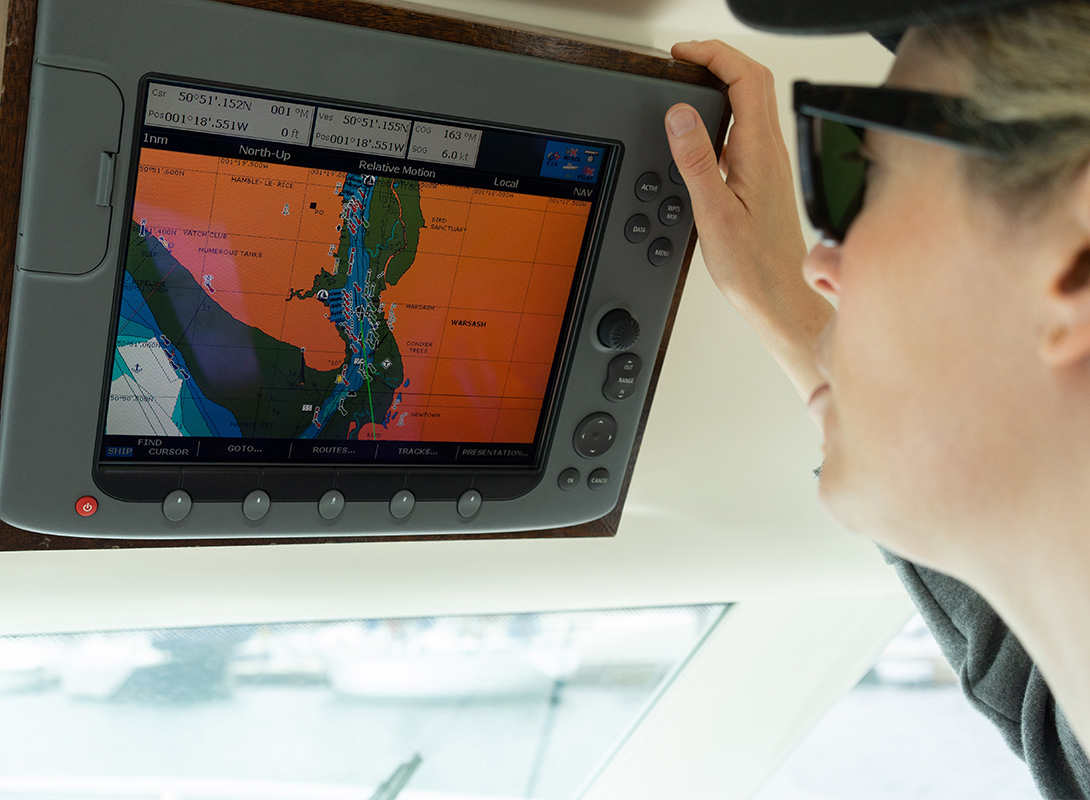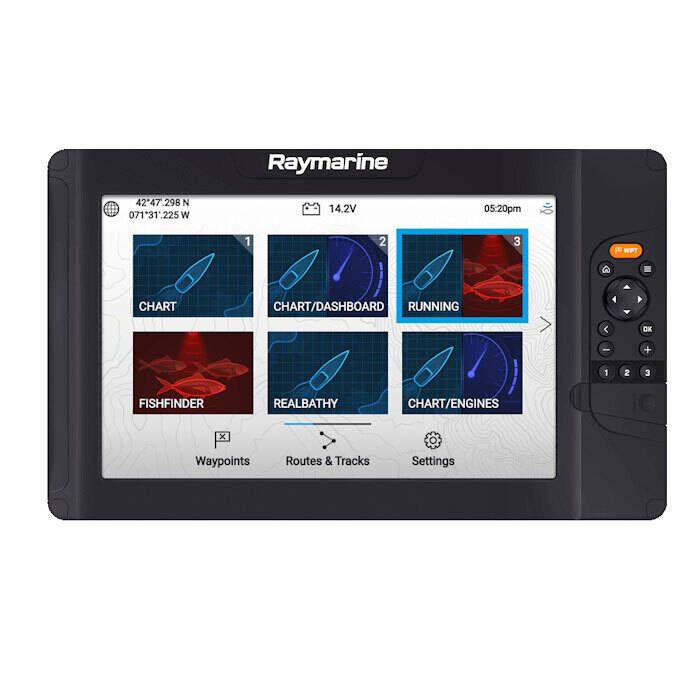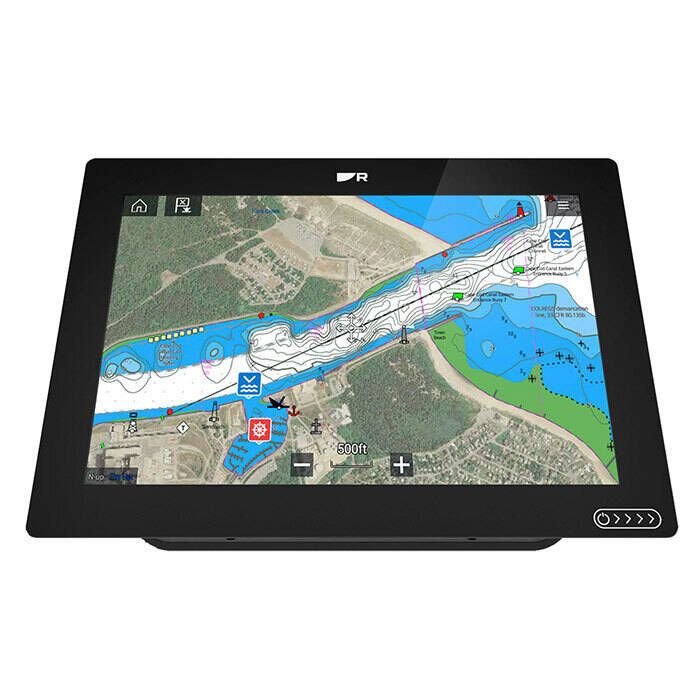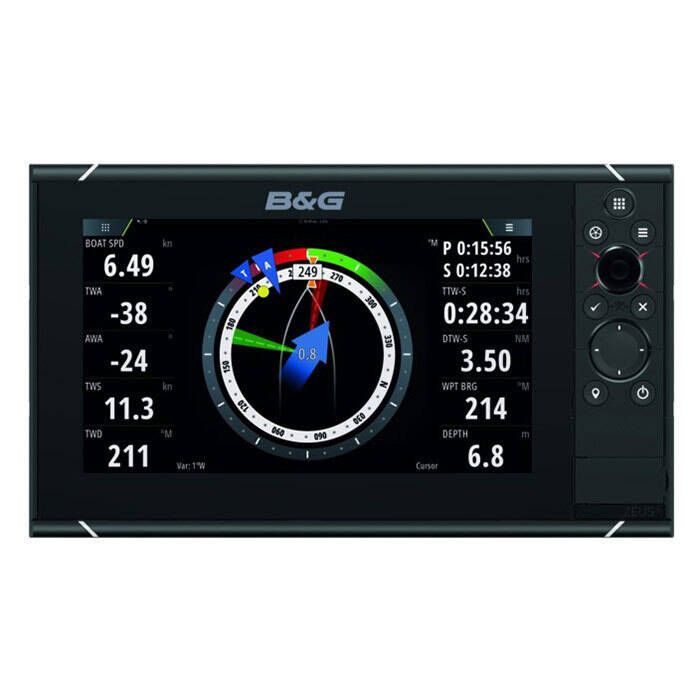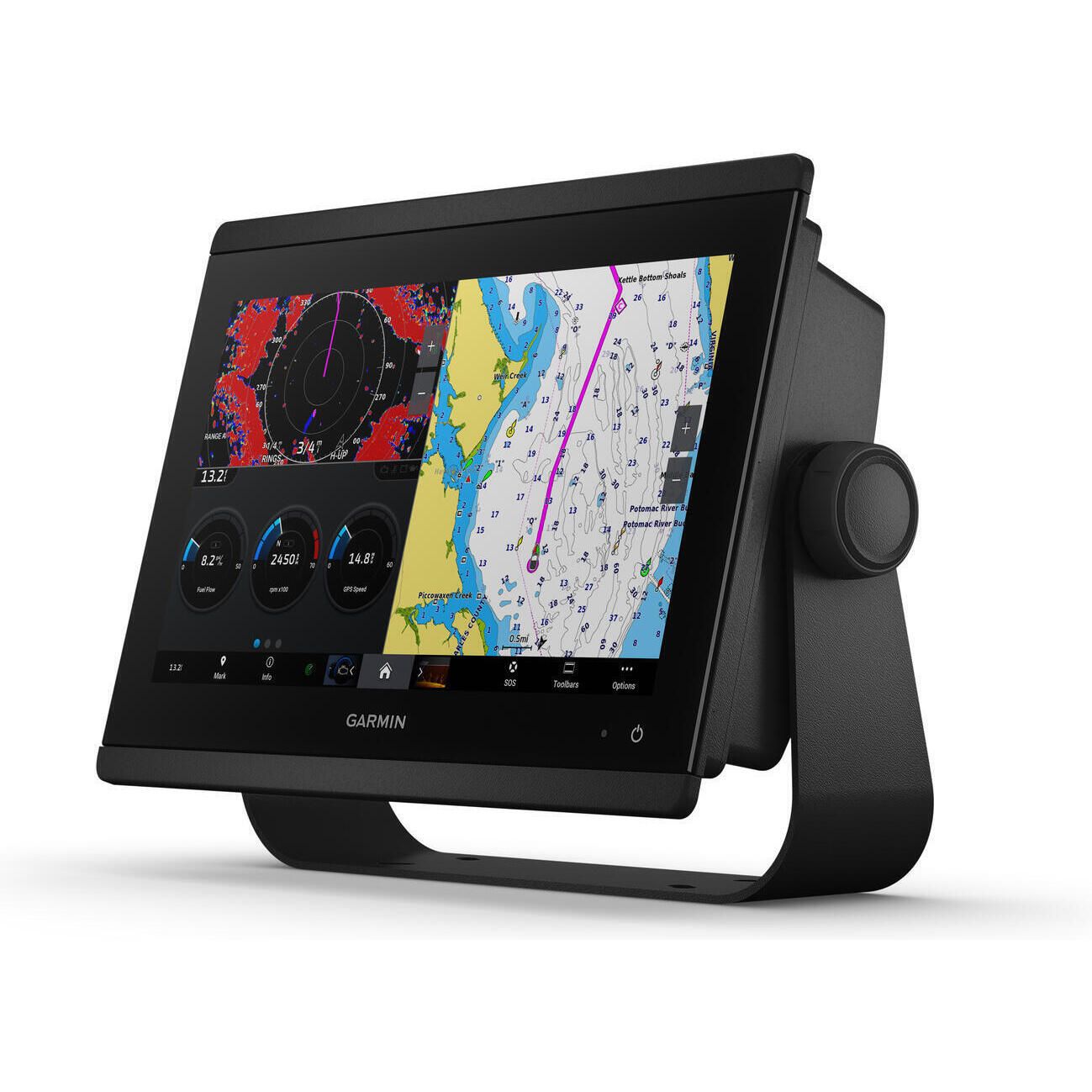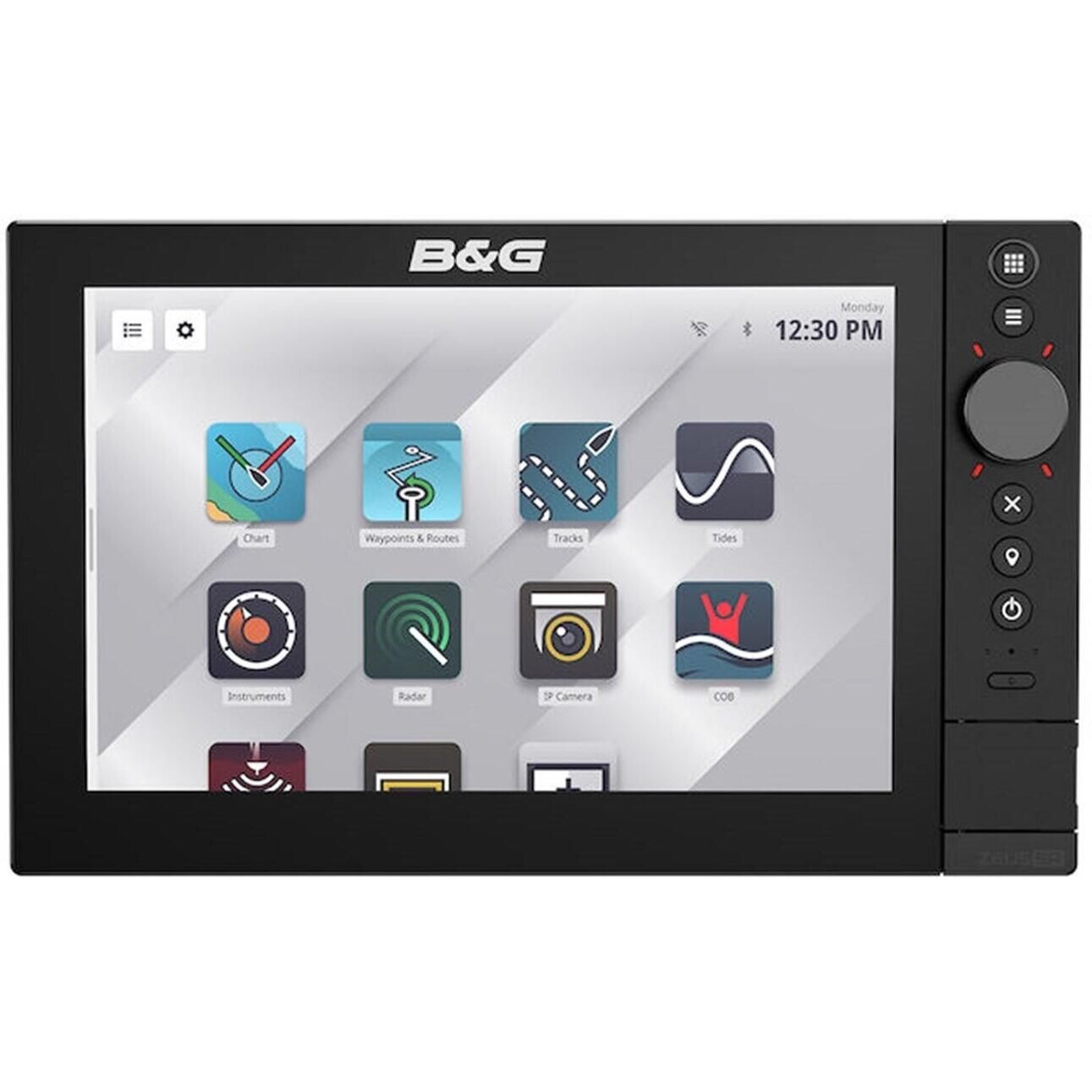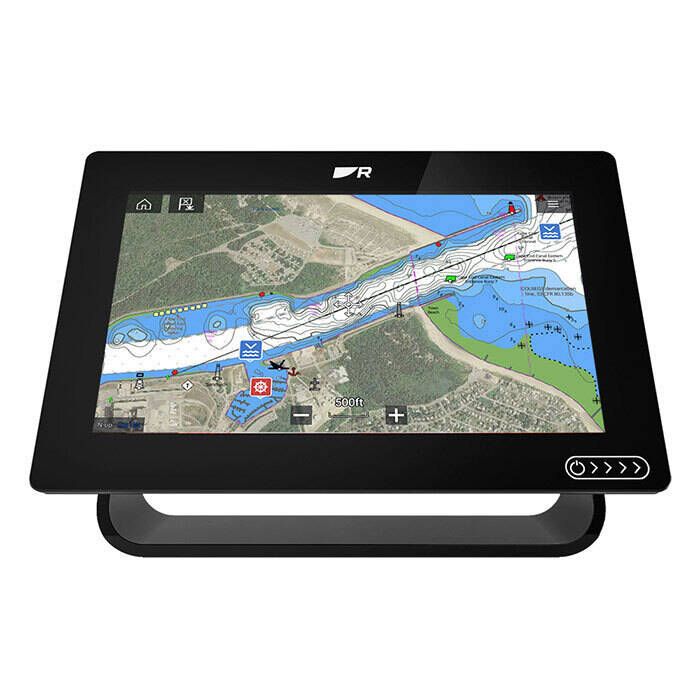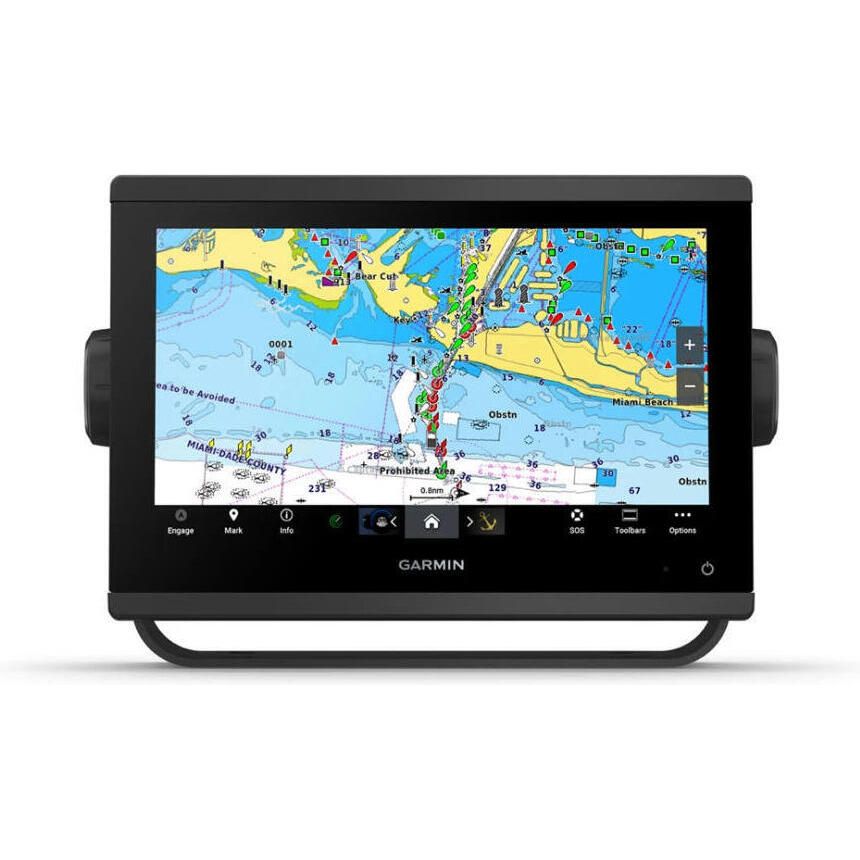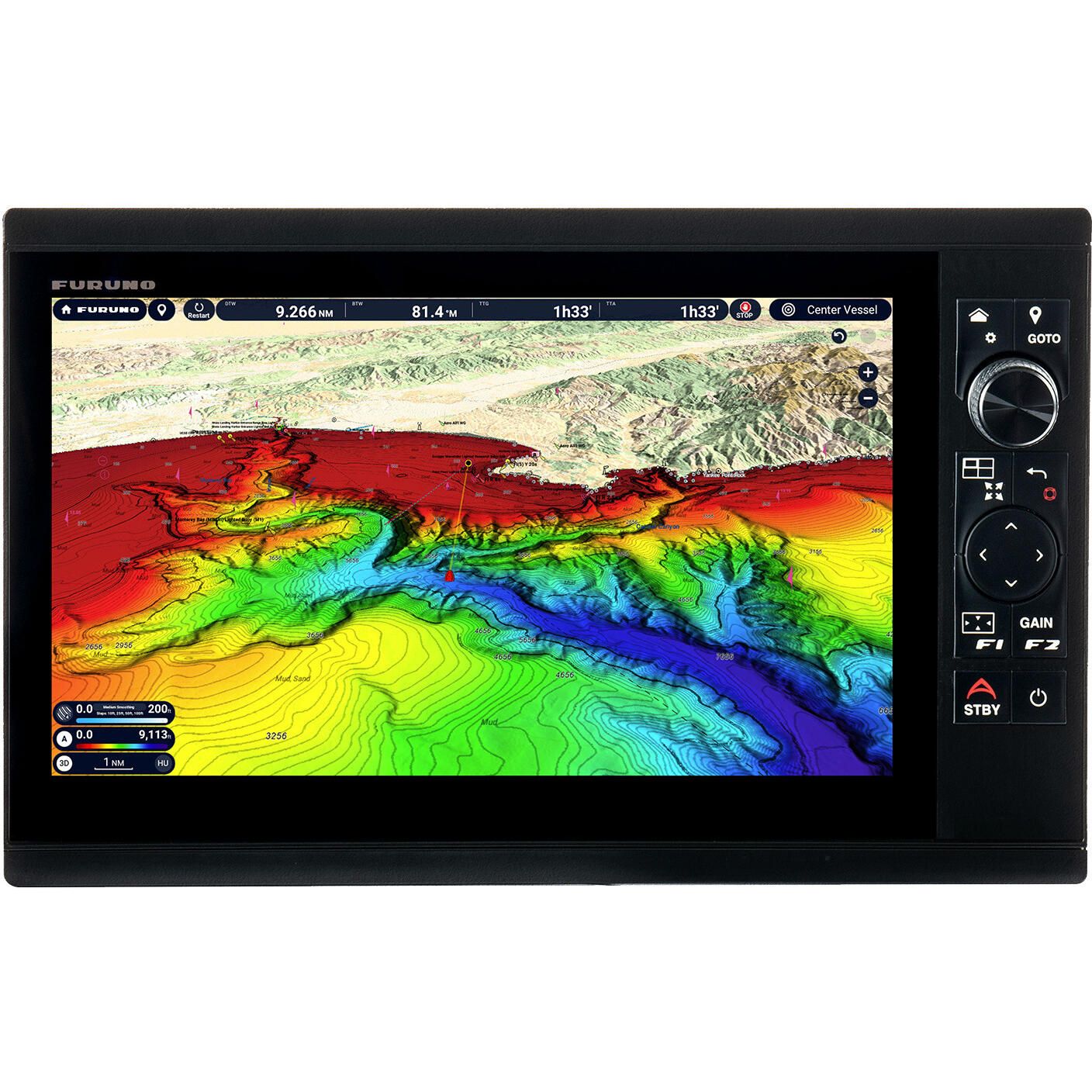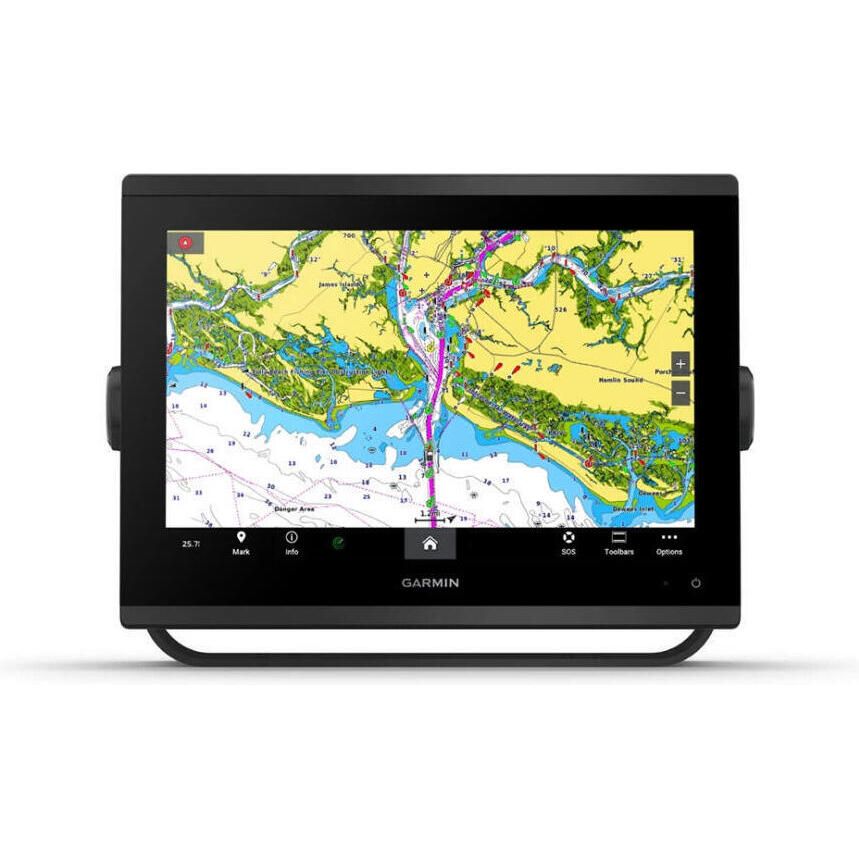
When choosing a marine GPS system, it is important that you understand the difference between a marine GPS receiver, a boat GPS navigation system, and a chartplotter so your purchase matches your needs. You should also focus on the features that matter on the water, including accuracy, screen readability in sun and spray, chart options, antenna performance, and networking compatibility.

With the right setup, navigation becomes simpler and safer for everything from weekend cruising to offshore fishing. Smart planning also keeps future upgrades straightforward, including AIS, VHF integration, and autopilot connections.

What Does a Marine GPS Receiver Do?

A marine GPS receiver uses satellite signals to calculate position, speed, and direction, then turns that data into navigation tools like routes, waypoints, and track lines. It helps keep the boat oriented in open water, guides returns to known spots, and supports safer decision-making when visibility drops or landmarks disappear. To choose the right unit, you need to understand what the GPS signal is actually doing on the water and how a dedicated receiver compares to chartplotters and app-based navigation.

How a GPS Receiver Works

How GPS Works on the Water

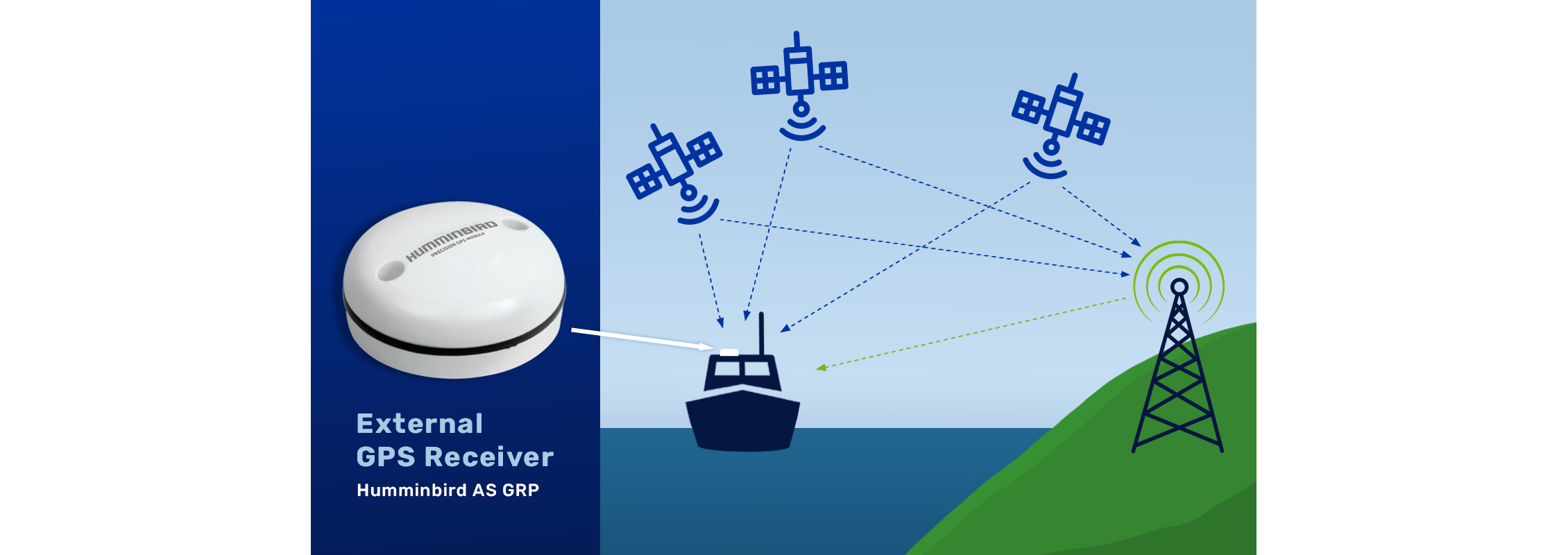
GPS satellites broadcast time-stamped signals, and the receiver determines position by measuring how long those signals take to arrive from multiple satellites, then using triangulation to calculate an exact fix. Accuracy depends on satellite geometry, signal quality, and receiver capability, while refresh rate controls how often the displayed position updates, which matters more at speed or when tracking tight turns. Marine GPS differs from automotive GPS because it is built for glare, spray, vibration, and open-water navigation where roads, lane guidance, and cellular coverage are irrelevant.

GPS vs Chartplotters vs GPS Apps

A dedicated marine GPS receiver focuses on accurate position, speed, and basic navigation tools, and it can be a straightforward option for simple helm setups or as redundancy with a handheld marine GPS. GPS/chartplotter combos add full chart display and route planning, plus deeper integration with other onboard electronics, which is why many boaters choose a marine chartplotter at the helm. And smartphone and tablet apps can work well near shore, but offshore limitations include overheating, battery drain, water exposure, insecure mounting, and reliance on cached charts and phone-grade GPS.

Navigation Option Best Use Case Key Strengths Limitations Recommended For
Dedicated Marine GPS Receiver Simple helm setups, backup navigation, handheld use Highly accurate position and speed data, reliable satellite reception, purpose-built for marine environments Limited or no charting and route planning compared to chartplotters Dinghies, kayaks, small boats, backup GPS users, and boaters who want simple, reliable navigation
GPS / Chartplotter Combo Primary helm navigation on most boats Full chart display, route planning, waypoint management, and integration with radar, sonar, AIS, and autopilot Higher cost and more complex installation Powerboats, sailboats, anglers, cruisers, and boaters building an integrated electronics system
Smartphone & Tablet GPS Apps Near-shore navigation and casual use Convenient, low cost, and familiar interface Battery drain, overheating, water exposure, insecure mounting, and limited offshore reliability Day boaters, inland or coastal cruising close to shore, and short trips with a dedicated marine GPS as backup

Types of Boat GPS Units

Boat GPS receivers fall into a few main categories, each designed around how the boat is used and how the helm is set up. Some units are permanently installed and integrated into onboard systems, while others are portable and focused on backup or small-boat use. Understanding these differences helps narrow the options before comparing features and price.

Fixed-Mount GPS Units

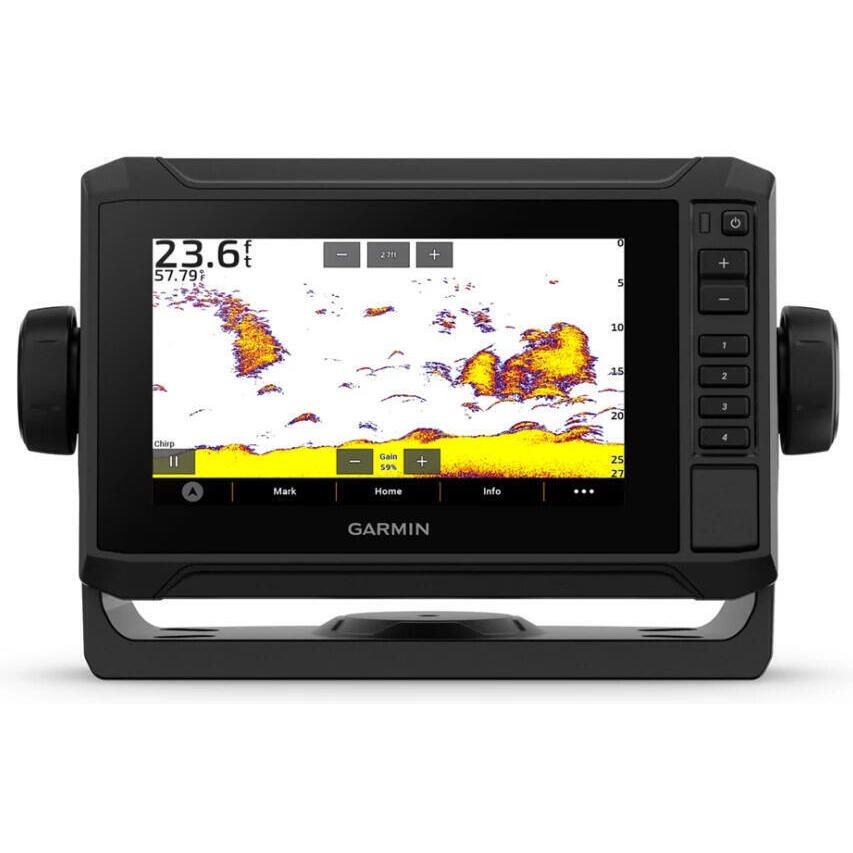
Fixed-mount GPS receivers are helm-installed units designed to stay on the boat and draw power from the electrical system. They typically offer larger, brighter screens, constant power without battery concerns, and support for external GPS antennas to improve signal reliability. These units are well suited for primary navigation at the helm and commonly integrate with other electronics through onboard networks.

Handheld Marine GPS Units

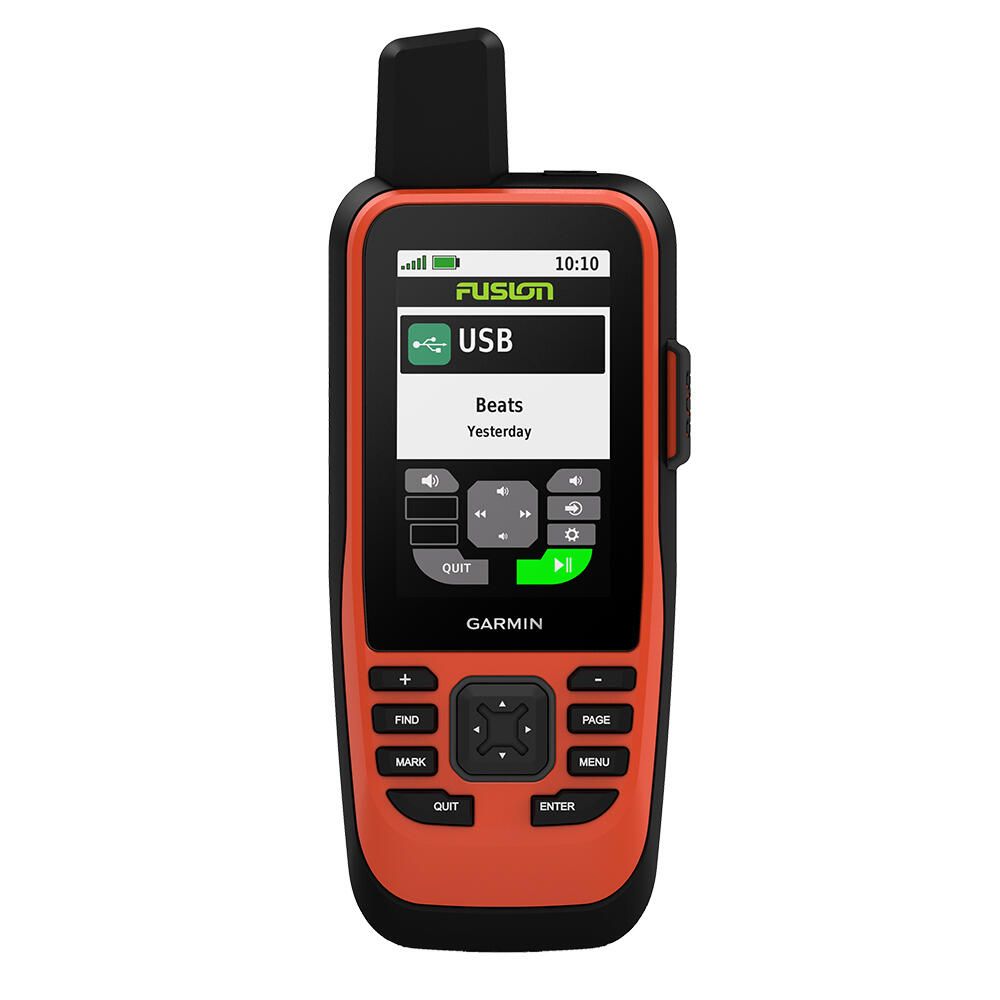
Handheld marine GPS units are portable receivers often used for backup navigation, dinghies, kayaks, or small open boats. They run on internal batteries, making battery life an important consideration, and they are built with waterproof housings for exposure to spray and rain. While screens are smaller and features are more limited, handheld units add redundancy and flexibility when a fixed system is not practical.

GPS-Only vs GPS + Chartplotter Combos

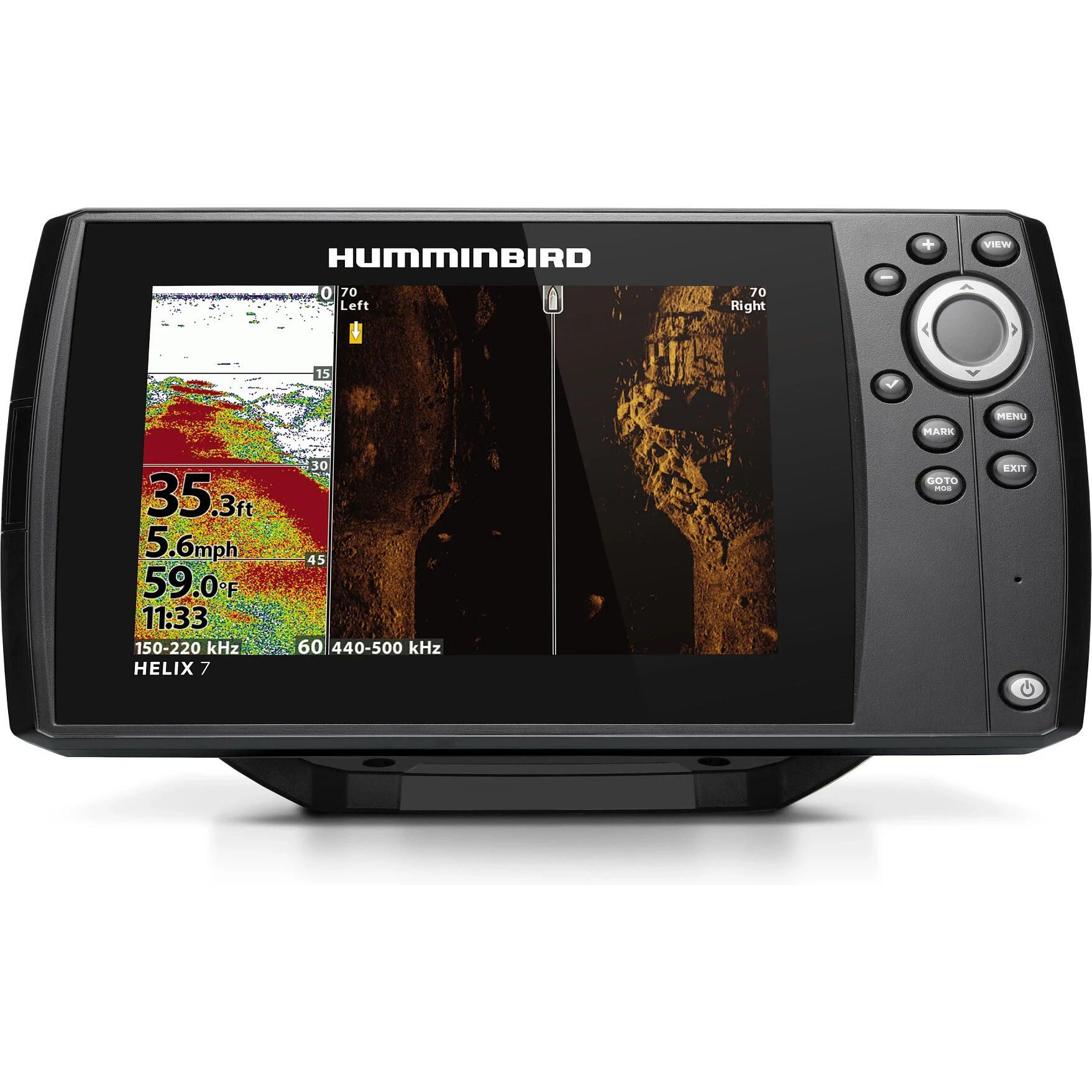
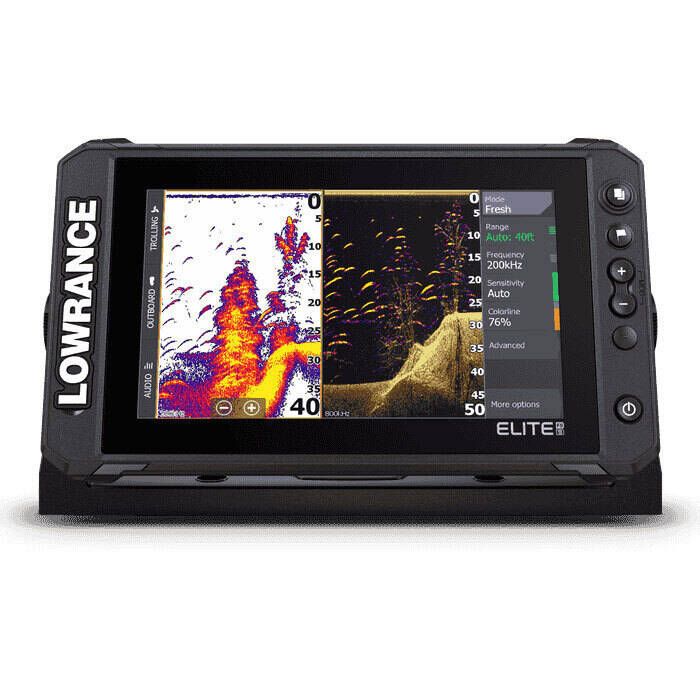
GPS-only units focus on position, speed, heading, and basic navigation data, which can still make sense for simple boats, minimal helm space, or as a secondary system. GPS and chartplotter combo units combine positioning with detailed electronic charts, route planning, and broader system integration, making them the most common choice on modern boats. The right option depends on whether navigation needs are basic or if full charting and system connectivity are required at the helm.

Type Best For Key Pros Trade-offs What to Look For
Fixed-mount GPS Unit Primary helm navigation on powerboats, sailboats, and cruisers Larger screen, permanent power, external antenna support, easier system integration Requires dedicated helm space and wiring Sunlight-readable display, NMEA compatibility, and external antenna support
Handheld Marine GPS Backup navigation, dinghies, kayaks, and small boats Portable, battery-powered, excellent redundancy Smaller screen and fewer integration options Waterproof rating, battery life, floatation, ergonomics, and waypoint features
GPS-only vs GPS + Chartplotter Combo Simple navigation versus full charting at the helm GPS-only units are simpler; combos add charts, routing, and integrations GPS-only can feel limited; combos cost more Chart support, screen size, and integration needs (VHF, AIS, autopilot)

Key Features to Consider When Choosing a Boat GPS

Not all marine GPS units perform the same once installed at the helm and exposed to sun, spray, and motion. Core differences come down to how accurately the unit updates position, how easily the screen can be read underway, what charts are supported, and how the GPS signal is received. Evaluating these features together helps avoid buying a unit that looks good on paper but falls short on the water.

Accuracy & Update Rate

Position accuracy is influenced by receiver quality and support for WAAS, which improves precision for marine navigation. Update rate, measured in hertz, controls how often the position refreshes, with 1Hz updating once per second and 10Hz updating ten times per second. Higher refresh rates matter more at speed, in tight channels, or when tracking precise turns, while slower rates may be adequate for steady cruising.

Screen Size, Resolution & Brightness

Screen size and resolution affect how easily charts, routes, and data can be read at a glance from the helm. High brightness and anti-glare coatings are critical for sunlight readability, especially on open boats with little shade. Controls and touchscreens should also be usable with wet hands or gloves to avoid fumbling in rough or cold conditions.

Charts & Mapping Compatibility

Some GPS units include preloaded charts, while others rely on add-on chart cards or downloads, which affects both cost and flexibility. Chart coverage varies by region, so coastal, inland, and offshore boaters need to confirm that supported charts match where the boat operates. Choosing a unit with compatible and updatable mapping helps keep navigation accurate as channels and aids to navigation change.

GPS Antennas (Internal vs External)

Many modern units include internal antennas that work well on open helms with a clear view of the sky. External GPS antennas become more important on boats with enclosed cabins, metal structures, or electronics mounted low in the helm. Proper antenna placement and secure mounting improve signal reliability, which is why pairing a GPS with the right GPS antenna and marine electronics mount matters for consistent performance.

Connectivity & Integration

Modern marine GPS units do more than show position when they are connected to other onboard electronics. Networking allows navigation data to be shared with radios, safety systems, and steering equipment to improve situational awareness and redundancy. Understanding basic networking standards makes it easier to choose a GPS that fits the current setup and supports future upgrades.

NMEA 0183 vs NMEA 2000

NMEA 0183 and NMEA 2000 are the two primary standards used to share data between marine electronics. NMEA 0183 uses simple point-to-point wiring and is common on older systems, while NMEA 2000 uses a shared backbone that allows multiple devices to communicate over a single network. For most DIY boaters, NMEA 2000 is easier to expand and cleaner to install, especially when adding new electronics over time.

Connecting GPS to VHF, AIS & Autopilot

When connected to a fixed-mount VHF radio, a GPS can automatically transmit position during a distress call, adding an important safety layer. Integration with AIS systems allows targets to be displayed with accurate positioning, while autopilot connections enable precise route following and course corrections. Using the proper marine networking cables ensures reliable data sharing between the GPS, VHF radios, AIS systems, and other connected electronics.

Choosing a GPS Based on How You Boat

The best marine GPS choice depends heavily on how the boat is used and the conditions it typically encounters. Different boating styles place different demands on navigation, from precision waypoint tracking to long-distance route planning and system redundancy. Matching GPS features to real-world usage therefore helps avoid overbuying or ending up with gaps in capability.

GPS for Fishing Boats

Fishing boats benefit from GPS units that make it easy to mark waypoints, follow track history, and return precisely to productive spots. Faster update rates and accurate position fixes matter when trolling, working structure, or maneuvering in tight areas. Clear screens and simple waypoint management help reduce distraction when lines are in the water.

GPS for Sailboats & Cruisers

Sailboats and cruising boats rely on GPS for route planning, long-distance navigation, and maintaining situational awareness over extended time on the water. Redundancy is important, whether through backup GPS units or integration with other navigation systems. Power draw is also a consideration, especially for boats that spend long periods away from shore power.

GPS for Family & Recreational Boaters

Family and recreational boaters typically prioritize ease of use and straightforward navigation features. A GPS that clearly shows position, speed, and routes can improve confidence when exploring new areas or returning to the dock before weather changes. Safety-focused features and simple controls help keep attention on passengers and surroundings rather than the screen.

Installation Considerations (DIY-Friendly)

Installing a marine GPS is within reach for many boat owners, but a few planning steps make the process cleaner and more reliable. Power supply, mounting location, and antenna placement all affect how well the unit performs once underway. Thinking through these details ahead of time helps avoid rewiring, poor visibility, or signal issues later.

Power Requirements & Wiring

Most marine GPS units run on standard 12-volt boat systems and should be connected through a properly fused circuit. Dedicated power connections help prevent voltage drops and electrical noise that can interfere with performance. Using quality marine electrical supplies makes installations safer and easier to service in the future.

Mounting Locations & Visibility

GPS units should be mounted where the screen is easy to read from the normal helm position without blocking other controls. Proper helm ergonomics reduce the need to look away from the water, especially in tight channels or rough conditions. Adjustable GPS mounting brackets help fine-tune viewing angle and improve sunlight visibility.

Antenna Placement Tips

Internal antennas work best with a clear view of the sky, while external antennas may need careful placement on boats with enclosed helms or metal structures. Antennas should be mounted away from obstructions and sources of interference to maintain a consistent signal. Secure mounting and clean cable runs help protect the antenna and prevent signal loss over time.

Common GPS Buying Mistakes to Avoid

Many GPS issues come from choosing a unit based on specs alone rather than how it will actually be used on the water. Avoiding a few common mistakes helps ensure the GPS delivers reliable navigation now and continues to meet needs as the boat and electronics evolve.

Common Mistake Why It’s a Problem What to Do Instead
Overbuying features you won’t use Advanced networking, oversized screens, and premium chart packages add cost without improving real-world navigation for simple setups Choose features that match how and where you actually boat, not just what looks impressive on paper
Ignoring antenna needs Internal antennas can struggle in enclosed helms or near metal structures, leading to inconsistent position accuracy Use an external GPS antenna when mounting inside cabins, hardtops, or metal enclosures
Relying solely on phone apps Phones and tablets are vulnerable to water, overheating, battery drain, and limited offshore reliability Use mobile apps as a backup, not a replacement for a dedicated marine GPS
Not planning for future expansion Non-networked units can limit or complicate future upgrades to VHF, AIS, radar, or autopilot systems Select a GPS that supports common marine networking standards to allow easy system expansion

Recommended GPS Accessories

The right accessories can improve GPS performance, protect the equipment, and make installation and future upgrades easier. Choosing accessories that match the boat’s layout and electronics setup helps ensure the GPS works reliably in real-world conditions. These add-ons also make it simpler to adapt the system as navigation needs change.

Accessory What It Does Why It Matters Recommended Products
External GPS antennas Improves satellite reception by placing the antenna where it has a clearer view of the sky More consistent accuracy on boats with enclosed helms, metal structures, or below-deck installs GPS Antennas (external pucks, pole/rail-mount options), antenna mounts (rail, pole, deck), antenna extension cables
Mounts and brackets Secures the GPS at the helm and allows angle and position adjustment Better visibility, safer helm ergonomics, reduced glare, and a more secure install underway GPS mounting brackets, RAM mounts, dash/console mount kits, flush-mount kits
Protective covers Shields the display when not in use Helps prevent UV fade, salt spray residue, scratches, and weather wear Sun covers, screen protectors, protective cases (for handheld units)
Networking cables Connects the GPS to other marine electronics for data and position sharing Enables integration with AIS, VHF DSC position, and future expansion without rewiring later Marine networking cables (NMEA 2000 drop/backbone), NMEA 2000 starter kits, T-connectors and terminators, power nodes, NMEA 0183 wiring and connectors

FAQs – Choosing a Boat GPS Unit

Choosing a marine GPS tends to hinge on a handful of real-world factors that show up once the unit is installed and used underway. Antenna type, chart coverage, offshore demands, and device limitations can all affect accuracy, usability, and overall confidence at the helm. Clarifying these priorities early makes it easy to narrow options and select a setup that fits your boat and the conditions it runs in.

FAQs – Choosing a Boat GPS Unit

Do I need an external GPS antenna on a boat?

An external GPS antenna is not always required, but it can improve reliability in certain installations. Boats with enclosed cabins, metal structures, or electronics mounted low at the helm often benefit from an external antenna with a clear view of the sky. Open boats with unobstructed helm locations typically perform well with internal antennas.

Is a chartplotter better than a GPS receiver?

A chartplotter is not inherently better, but it does offer more functionality by combining GPS positioning with electronic charts and route planning. A GPS-only unit can still make sense for simple navigation needs, small boats, or as a backup system. The better choice depends on whether full chart display and system integration are needed at the helm.

Can I use my phone as a boat GPS?

Phones and tablets can work for nearshore navigation and as backups, especially when using dedicated marine apps. Limitations offshore include battery drain, overheating, water exposure, and less accurate device-grade GPS hardware. Dedicated marine GPS units are built to handle continuous use, harsh environments, and reliable positioning without compromise.

How accurate is marine GPS?

Most modern marine GPS units provide accuracy within a few meters under normal conditions. Accuracy improves with technologies like WAAS and with good satellite geometry and signal reception. External antennas and higher-quality receivers help maintain consistent accuracy in challenging environments.

What’s the best GPS for offshore boating?

Offshore boating benefits from a fixed-mount GPS or GPS and chartplotter combo with a bright screen, fast update rate, and support for external antennas. Integration with VHF, AIS, and autopilot systems also adds safety and redundancy. Reliability, readability, and networking matter more offshore than extra convenience features.

Does GPS work without cell service?

Yes, GPS works independently of cellular service. Marine GPS receivers rely on satellite signals, not cell towers, to determine position. Cell service only affects app-based navigation when downloading charts or updates, not the core GPS function itself.