 Shopping from Canada?
  Go to Defender Canada!



How to Choose a Handheld VHF Radio for Boating
Out on the water, your phone is a convenience, and not part of your essential kit. A handheld VHF radio is the reliable backup that still works when cell bars disappear, weather turns ugly, or something simply goes sideways.
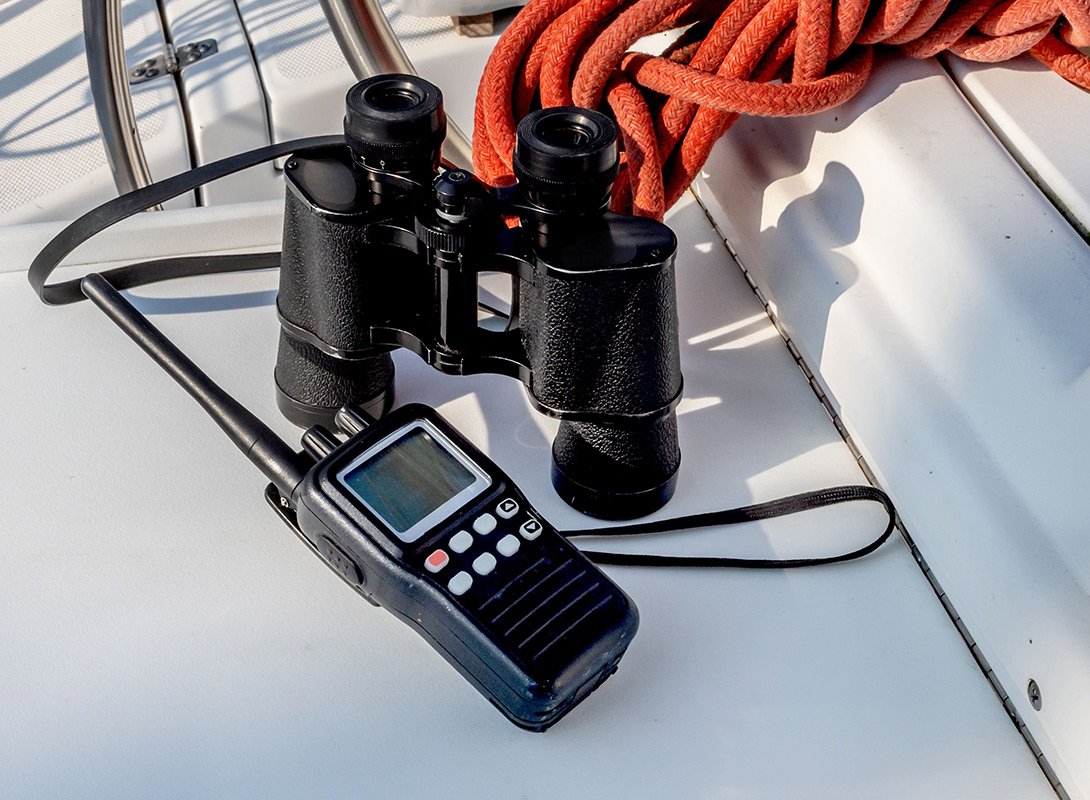
Just as importantly, a marine handheld VHF gives you mobility when you need it most. Whether you’re moving around the boat, taking the tender ashore, or dealing with an issue at the bow, you can keep clear communication in your hand instead of hoping someone hears you from the helm.
When you’re relying on a handheld VHF for safety and mobility, and not just convenience, getting the right one matters. Sort through the hype, focus on the specs that actually count on the water, and choose a handheld VHF radio you can trust when it matters most.
Why Every Boater Needs a Handheld VHF Radio
That’s how a handheld VHF earns its place onboard: from compensating for lost cell coverage, to backing up your fixed-mount radio, to serving as a must-have safety tool.

Your Lifeline When Cell Coverage Fails
Cell coverage can look fine at the dock and still disappear the minute you round a point, duck behind an island, or push farther offshore. A handheld VHF keeps you connected when you cannot count on bars, and it puts you on the channels other boaters and rescue services actually monitor.
Just as importantly, VHF communication is built for the marine world, with clear distress procedures and predictable channels for hailing, weather, and navigation updates. If you are building a real safety setup, this is why a handheld belongs in your essential kit, right alongside the basics.
Essential Backup for Your Fixed-Mount VHF
A fixed-mount VHF at the helm is a great start, but it only helps if you are standing right there and the boat still has power. A handheld gives you a second, independent radio that goes with you when you step away from the console or when the electrical system is not cooperating.
Required Safety Tool for Tenders, Kayaks & Dinghies
Small craft have a way of turning minor problems into big ones, because you sit lower, you are more exposed, and you have fewer options when something breaks. A handheld VHF radio gives you reliable communication back to the main boat or nearby traffic, and it is exactly the kind of VHF for tender and dinghy use that keeps a hiccup from becoming an emergency.
Just as importantly, a floating VHF radio or waterproof marine VHF can keep working after a dunking, which is a very real risk in a dinghy, kayak, or tender. If you are looking for the best VHF for emergencies in small craft, this is why a handheld belongs in the same safety category as a life jacket and a means of signaling.
Persona-Based Scenarios
Picture the tender heading back to the mother ship at dusk and the wind kicks up, chop builds, and you lose sight of each other behind moored boats. With a handheld VHF radio, you can coordinate a safe pickup, call for assistance if the outboard quits, and keep the situation from escalating.
Now swap in an offshore fishing run where the weather turns and a buddy boat takes a hard hit, or a freshwater squall line rolls across the lake and visibility drops in minutes. In those moments, clear communication matters, and an AIS VHF handheld or AIS-enabled setup can add another layer of awareness when you are trying to keep track of traffic and make good decisions quickly.
Key Features to Look For in a Handheld VHF Radio
Not all handheld VHF radios are built for the same job, and the spec sheet is where the truth shows up fast. The goal is to match the radio to how and where you boat, then prioritize the features that actually improve reliability when things get wet, loud, and time-sensitive. Look out for key buying factors including waterproofing and durability, transmit power and real-world range, and safety and usability features.

Waterproofing & Durability (IP Ratings Explained)
A handheld VHF radio spends its life in the splash zone, even when you baby your gear. So before you get distracted by premium features, you need to know the radio can handle water, drops, and rough handling without quitting. Start with the IP rating, then look at the real-world durability upgrades that keep a waterproof marine VHF usable when conditions turn.
IPX7 vs IPX8
IIPX7 is typically rated for submersion up to 1 meter for about 30 minutes. That usually covers a quick dunk and recovery, but it is not a license to abuse it.
IPX8 generally means deeper and or longer submersion, but the exact conditions are set by the manufacturer. If you want a waterproof marine VHF you can trust, read the fine print and favor the rating with more margin for real use.
Shockproof, floating, glow-face/keypad
Water is only half the fight, because radios also get dropped, knocked, and stepped on. The right durability features keep a small mistake from turning into a full gear failure.
A shock-resistant build helps the radio survive a drop during docking, anchoring, or moving forward in chop. The best VHF for emergencies needs to keep working after impact, and not just to look rugged.
A floating VHF radio is even better, because it gives you a chance to recover it instead of watching it sink. Add a glow face or backlit keypad and you can operate the radio in low light without fumbling, which matters when your hands are cold and the deck is moving.
Transmit Power (1W–6W) and Real-World Range
Transmit power is easy to compare, but real-world range depends on more than watts alone. Antenna height, terrain, and conditions all shape how far your signal actually carries, especially when the water is rough or you’re tucked behind land. Still, understanding the 1W to 6W range helps you choose a handheld VHF radio that fits how and where you boat.
When higher wattage matters (offshore)
Higher wattage matters most when distance and conditions stack against you, like offshore runs, big bays, or open water where help is farther away. A 6W setting can push a stronger signal and improve your odds of being heard when you need to raise someone fast.
If you’re choosing a handheld VHF radio for offshore fishing, this is one of the specs that should be near the top of your list. Even if you don’t transmit at high power all day, having it available gives you a real safety margin when weather and visibility change.
That said, VHF is largely line-of-sight, so watts can’t fix everything. If you’re low to the water in a tender or small skiff, your range may still be limited compared to a taller boat with a fixed antenna.
Battery drain trade-offs
More transmit power pulls more battery, and the trade-off shows up fast on a long day. If you run 6W constantly, you’ll shorten runtime, which is the last thing you want if the radio ends up being your best VHF for emergencies.
A good radio makes it easy to switch between low and high power without digging through menus. Use low power when you’re close in or talking to a buddy boat, then step it up when you need reach.
When you compare models, tie VHF radio ranges and wattage directly to battery capacity and how long you stay on the water. The best handheld VHF radio is the one that’s still alive and usable when you need it most.
Battery Life, Charging Options & Spare Packs
Battery life is where a lot of handheld VHFs quietly win or lose, because runtime is what turns a capable radio into a dependable one. The right setup depends on how long you’re out, how often you transmit, and whether you can recharge between trips or need to stay independent for a full day. That’s why the big buying points are the battery chemistry and charging method, and why you should also consider spare packs and backups before casting off.
Lithium-ion vs NiMH (Nickel-Metal Hydride)
Most modern handheld VHF radios use lithium-ion packs because they offer strong runtime in a compact size. They also tend to hold charge well in storage, which matters if your handheld spends more time in a grab bag than in daily use.
NiMH packs show up on some models and in some accessory ecosystems, and they can be a solid option when you want a proven, serviceable setup. The trade-off is that NiMH is usually bulkier for the same capacity, and it may self-discharge faster sitting idle.
If you boat in colder conditions, pay attention to how your chosen battery type performs when temperatures drop. No matter what chemistry you choose, having a spare pack or backup plan is what keeps your handheld VHF radio ready when you actually need it.
USB-C charging vs AC/DC cradles
USB-C charging is popular because it’s simple and flexible, especially if you already have USB power at the helm or in a go bag. It also makes it easier to top off the radio from a power bank, which is a practical move when you’re on a mooring or traveling.
AC and DC cradles still matter because they give you a reliable home base for charging, and many are easier to use one-handed. If you’re the type who wants gear that lives in the same place and is always ready, a cradle setup can keep you disciplined.
For longer trips, the smartest move is to treat charging as a system, not an afterthought. Pair the radio with the right spares, chargers, and backup power so battery life never becomes the weak link.
DSC (Digital Selective Calling): Why It Matters
DSC is one of the most important safety upgrades you can get on a handheld VHF radio, because it makes your call for help faster and harder to miss. Instead of relying on a voice Mayday alone, DSC can send an automated distress alert that includes critical information. This crucial safety feature built into a DSC VHF’s distress button is why getting your MMSI set up correctly is part of owning the radio.
Distress button explained
The distress button is designed for the worst day, when you need help now and you may not have time to talk. With one press, a DSC VHF handheld can transmit an emergency alert that stands out from normal radio traffic.
That alert can include your identity and, when the radio is paired to GPS or has it built in, your position. That means rescuers and nearby boats can start moving toward you even if your voice call is broken, rushed, or hard to understand.
DSC is not a replacement for a proper Mayday call, it’s an upgrade that gets the right attention quickly. If you’re shopping for the best VHF for emergencies, this feature is one of the clearest lines between “nice to have” and “seriously useful.”
MMSI registration
To use DSC properly, you need an MMSI, which is essentially your radio’s registered ID. It links the distress alert to your vessel and contact information, so responders know who they’re looking for.
Registration is straightforward, but it’s not something you want to skip or “do later.” A DSC VHF handheld without an MMSI is like a fire extinguisher with the pin still taped in place, because the key safety feature is not fully active.
Once it’s programmed, test the setup in a calm moment, not during a crisis. If you’re building a layered safety and awareness plan, DSC also pairs well with modern tracking and collision-avoidance tools.
GPS-Enabled VHFs
A GPS-enabled handheld VHF radio takes a major step toward being a true safety tool, not just a way to chat. Built-in GPS helps the radio know where you are, which matters when the water looks the same in every direction and time is tight. That’s why accurate GPS pinpointing can be a lifesaver for sailors, offshore anglers and anyone else who ventures far from the coastline.
Location accuracy
When you’re calling for help, “somewhere off the point” is not good enough, especially in bad visibility or rough seas. A GPS-enabled handheld can provide coordinates quickly, which speeds up response and reduces confusion.
AIS Receive (Premium Feature)
AIS receive is a premium feature on some handheld VHFs, but it can add real value in the right waters. Instead of relying only on what you can see, AIS helps you understand what traffic is around you, where it’s headed, and how fast it’s moving. This provides an extra layer of safety against collisions, so it’s especially useful when you’re in a tender around busy harbors.
Collision avoidance
Collision avoidance starts with awareness, and AIS gives you another layer of it when visibility is poor or traffic is heavy. An AIS VHF handheld can show nearby AIS-equipped vessels, which helps you make smarter decisions before a close-quarters situation develops.
This matters most when you’re dealing with commercial traffic, fast ferries, or ships that cannot turn or stop quickly. Even if you’re not transmitting AIS, seeing what’s around you can help you avoid crossing a shipping lane at the wrong time.
AIS is not a substitute for a proper lookout, radar, or good seamanship, and it will not show every boat on the water. Still, when it’s available, it’s a powerful add-on for decision-making, especially when weather, darkness, or chop reduces what you can reliably see.
Tender use around busy harbors
A tender is often the smallest and least visible thing in a busy harbor, which means you need to be proactive. AIS receive can help you spot larger traffic early, so you can adjust course before you end up in a bad place.
Just keep expectations realistic, because not every recreational boat broadcasts AIS. Pair AIS awareness with good lights, smart routing, and a handheld VHF that lets you communicate clearly when you need to cross or hold position.
Screen & Interface Usability
A handheld VHF radio can have all the right features and still be a poor choice if you can’t operate it quickly under stress. When your hands are wet, the boat is moving, and you’re trying to make a call fast, usability becomes a safety feature. That’s why the two big interface factors to look for in your marine radio are user-friendly buttons and a readable display.
Large buttons for gloved use
If you boat in cold weather, run at night, or spend time offshore, gloves are part of the deal. Large, well-spaced buttons make it easier to use all the VHF’s features without fumbling.
Look for tactile buttons with positive feedback, not flat, mushy keys that feel the same across the board. The best handheld VHF radio for boating is the one you can operate confidently by feel, because your eyes should be on traffic and conditions, not on a keypad.
Backlighting and readability
A screen that looks fine indoors can be useless on the water, especially in bright sun or at night. Good backlighting and strong contrast make it easier to read channel numbers, battery status, and GPS or AIS data at a glance.
At night, you want lighting that is clear without ruining your night vision. In sunlight, you want a display that stays readable even with glare and spray.
Also pay attention to font size and how information is laid out, because clutter slows you down. If the screen is hard to read, you will hesitate, and on the water hesitation is how small problems start compounding.
Float, Flash, & MOB Features
Float and flash features sound simple, but they solve the very real problem of losing a radio overboard in the middle of a busy day. A floating VHF radio that flashes makes recovery faster, and it keeps your handheld VHF radio in play when it might otherwise be gone for good.
MOB features can add another layer of safety by helping you mark the moment someone goes in the water, especially when conditions are rough or visibility is poor. Taken together, these are the kind of practical upgrades that make a radio feel like the best VHF for emergencies, not just another gadget.
Noise-Cancelling Microphones & Audio Output
On the water, clear communication is not just about signal strength, it is about being understood through wind, engine noise, and pounding hull slap. A good noise-cancelling microphone helps your voice cut through the chaos, so your call does not turn into a garbled mess when you need it most.
Audio output matters just as much, because a radio you cannot hear is a radio you cannot use. Look for strong volume, clean sound, and an option for external mics or headsets if you boat in loud conditions, because reliability includes hearing every word the first time.
Choosing the Right VHF for Your Boating Style
Different boaters lean on a handheld VHF radio in different ways, and that’s why the “best” choice depends on how you actually use your boat. An offshore crew needs maximum range and safety features, while a family day-boater usually wants simple, dependable communication. You should carefully consider your requirements and avoid extraneous features when you choose the best VHF for sailing, fishing, kayaking, or whatever takes you out on the water.
For Offshore Fishing (Saltwater / Big Water)
Offshore is where handheld VHF radios stop being “nice to have” and start being part of your emergency kit. Look for a handheld VHF radio with 6W transmit power, GPS, and DSC, so you can get a distress alert out fast and include your position when seconds matter.
Just as importantly, choose a floating, waterproof marine VHF that can survive a dunking and keep working after a rough day in the cockpit. AIS receive is optional, but it’s a smart upgrade in shipping lanes or busy offshore approaches where extra awareness can help you avoid trouble before it finds you.
For Sailors (Coastal or Cruising)
For sailors, a handheld VHF radio is as much about staying connected while you move around the boat as it is about calling for help. Prioritize DSC, strong waterproofing, and a long battery life, because coastal squalls and long days under sail have a way of stretching both your gear and your timeline.
Just as importantly, look for solid tether options so the radio stays with you when you’re working foredeck, reefing, or handling lines in chop. A handheld that’s easy to secure and dependable in the wet belongs right alongside your core onboard safety setup.
For Dinghies, Tenders & Inflatables
In a dinghy or tender, you’re low to the water and more exposed, which means a small problem can escalate fast. Go with a compact handheld VHF radio that floats, flashes, and has a simple interface, so you can operate it quickly and recover it easily if it goes overboard.
Just as importantly, keep it practical, because space is tight and you’re often juggling gear, fuel, and passengers. A floating VHF radio that’s easy to grab and easy to use is exactly what you want when you’re running back to the mothership in chop or navigating a crowded anchorage.
For Kayaks & Small Craft
For kayaks and other small craft, waterproofing is not optional, it’s the baseline. Look for a handheld VHF radio with IPX8 protection, a compact profile, and controls you can manage with wet hands.
Tether points matter just as much, because losing the radio is easy when you’re paddling, landing, or dealing with waves at the shoreline. A secure lanyard setup keeps the radio with you, which is the whole point when your boat is small and your margin for error is smaller.
For Freshwater Anglers
On lakes and rivers, your handheld VHF radio is often about quick, reliable communication in short-range situations, not long-distance offshore calls. Prioritize durability, battery life, and clear audio, because wind, outboards, and busy ramps can make a cheap radio hard to rely on.
Just as importantly, look for a build that can handle being tossed in a tackle bag, splashed at the gunwale, or bounced around in a small boat all day. A simple, rugged handheld that stays charged and stays readable is the one you’ll actually keep within reach.
For Liveaboards & Cruisers
For liveaboards and cruisers, a handheld VHF radio is not just backup, it’s part of your everyday system onboard. GPS plus DSC should be baseline, and AIS receive is a smart upgrade when you spend time in busy harbors and traffic-heavy approaches.
Just as importantly, plan for long stretches away from easy shore power, which is where spare batteries earn their keep. A radio that keeps working day after day, with charging and backups sorted, quietly lowers your risk without demanding attention.
Comparing Handheld vs. Fixed-Mount VHF Radios
Handheld and fixed-mount VHFs do the same basic job, but they shine in different places on the boat. Fixed-mount radios typically give you more range and power, while a handheld gives you portability and a backup that still works when you’re away from the helm or dealing with a power issue. And, since both types of marine VHF radio address specific needs, there are times running both is the smart move.
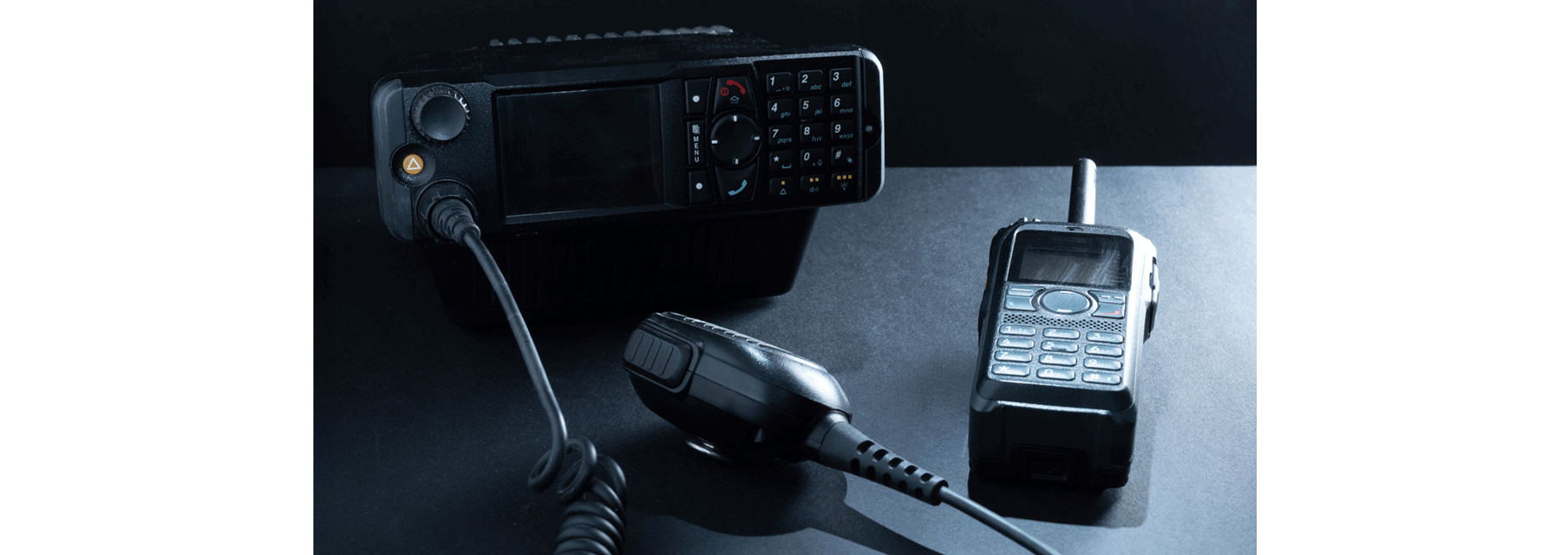
Range & Power
Fixed-mount VHFs usually win on range because they can transmit at higher power and use an external antenna mounted higher on the boat. That height advantage matters, because VHF is largely line-of-sight, so getting the antenna up helps your signal reach farther.
Handheld VHF radios can still be very effective, especially inshore and in close-range situations, but their smaller antennas and lower mounting height limit range. In other words, a handheld isn't a replacement for a fixed-mount, it keeps you connected where a fixed radio cannot.
Safety Redundancy
Redundancy is the whole game with marine safety gear, because boats break and power systems fail at the worst possible time. A handheld VHF radio gives you a second, independent way to communicate, even if your main battery is dead or you have to shut systems down to troubleshoot.
It also gives you mobility, which matters when a situation pulls you away from the helm, like a line in the prop, or a crew issue in rough water. That portability is why many experienced boaters treat a handheld as part of their essential kit, not an optional accessory.
When You Need Both
If you boat offshore, run big water, or regularly deal with heavy traffic, having both is a practical safety upgrade, not overkill. A fixed-mount gives you the best range and clarity for routine communications, while a handheld covers you when you leave the helm, lose power, or need a grab-and-go radio for the tender.
It’s also a smart setup for cruisers and sailboats, where you may be managing the boat from different positions and conditions can change quickly. If you’re building a reliable VHF system, start by getting the right fixed-mount in place and then add a handheld as your backup and portable option.
Handheld VHF Radio Accessories You Actually Need
A handheld VHF radio is only as dependable as the setup around it, because batteries die, radios get dropped, and water finds a way. The right accessories are not about dressing the radio up, they’re about keeping it charged, protected, and easy to grab when you need it fast. That’s why the essentials range from spare batteries and charging gear to floating cases, lanyards, audio add-ons, mounting cradles, and simple waterproof storage.
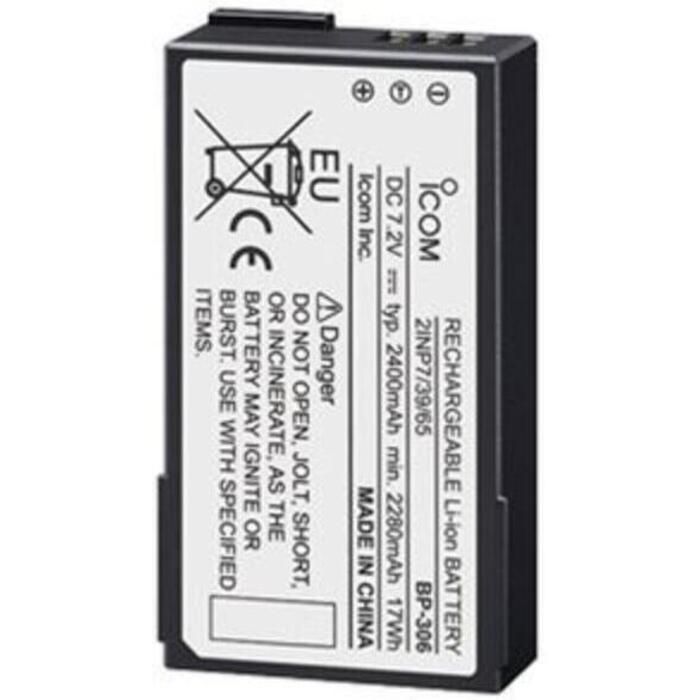
Spare Batteries & Charging Gear
Battery life is what separates a handheld VHF radio that’s reassuring from one that’s just along for the ride. Carry a spare battery pack or a backup power option, because a dead radio is the same as no radio when you actually need to make a call.
Just as importantly, make charging easy enough that you’ll actually do it, whether that’s a cradle at home, a 12V setup onboard, or a reliable USB-C cable in your bag. Treat it like part of your routine, and your handheld stays ready instead of becoming an “almost charged” problem.
Floating Cases & Lanyards
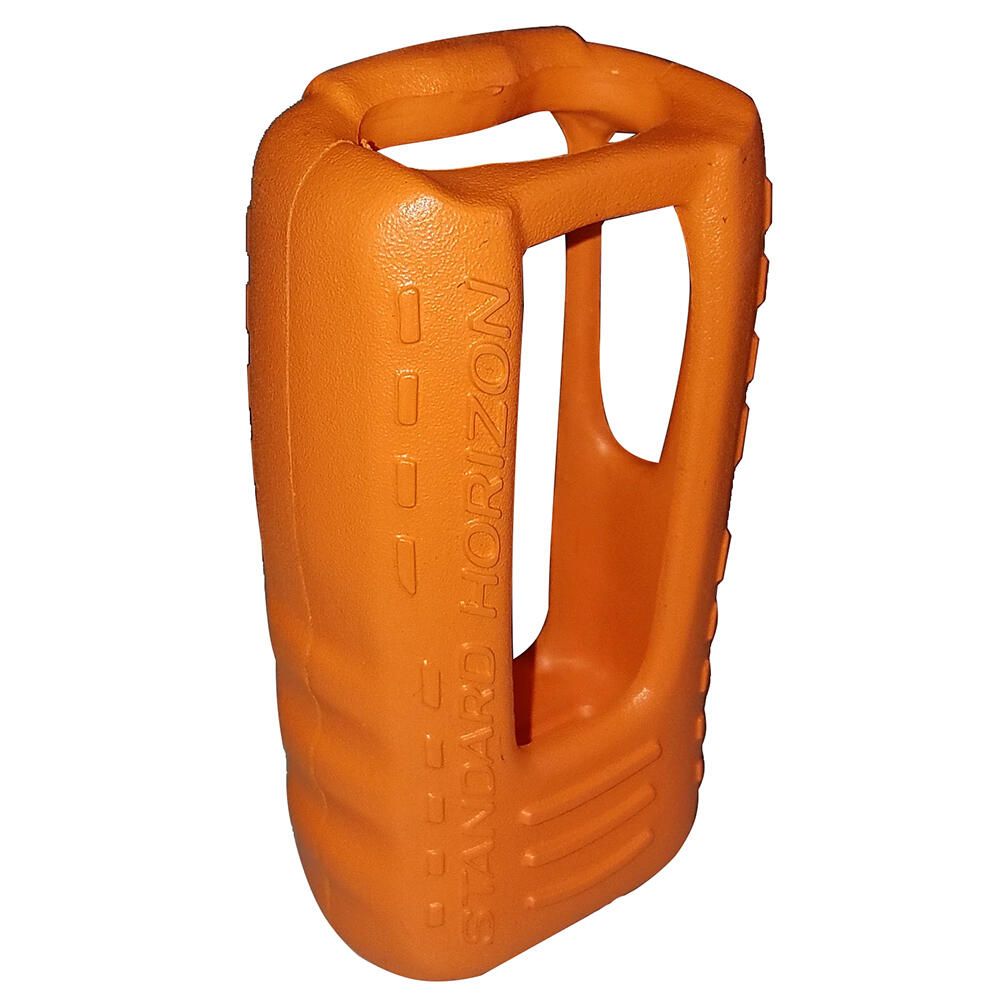
Even a floating VHF radio is easier to recover when it’s bright, tethered, and not bouncing away in chop. A floating case adds buoyancy and visibility, while a lanyard keeps the radio from becoming a single bad slip over the side.
Just as importantly, lanyards keep the radio with you when you’re moving around the boat, climbing a ladder, or stepping into a tender. If you can’t keep it on your person, you can’t use it, and that defeats the point of a handheld.
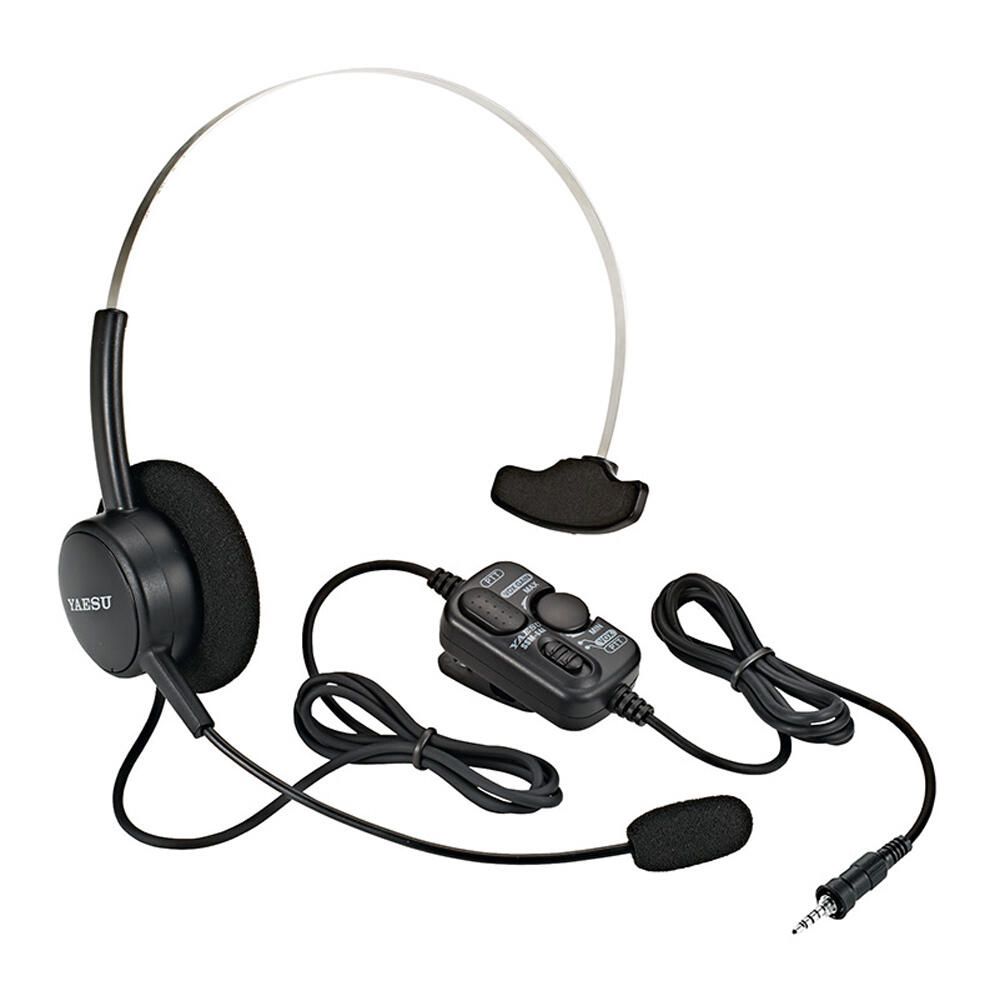
External Mics / Headsets
Wind, engines, and pounding hull slap can turn a normal call into a garbled mess, especially when you’re trying to speak clearly under pressure. An external mic or headset can improve clarity and make the radio easier to use when your hands are busy.
Just as importantly, it can help you hear and be heard in loud conditions without cranking volume to the point of distortion. If you boat in high-noise environments, this is a simple upgrade that makes your handheld VHF radio feel more like real equipment and less like a fragile gadget.
Mounting Cradles for Tenders & Consoles
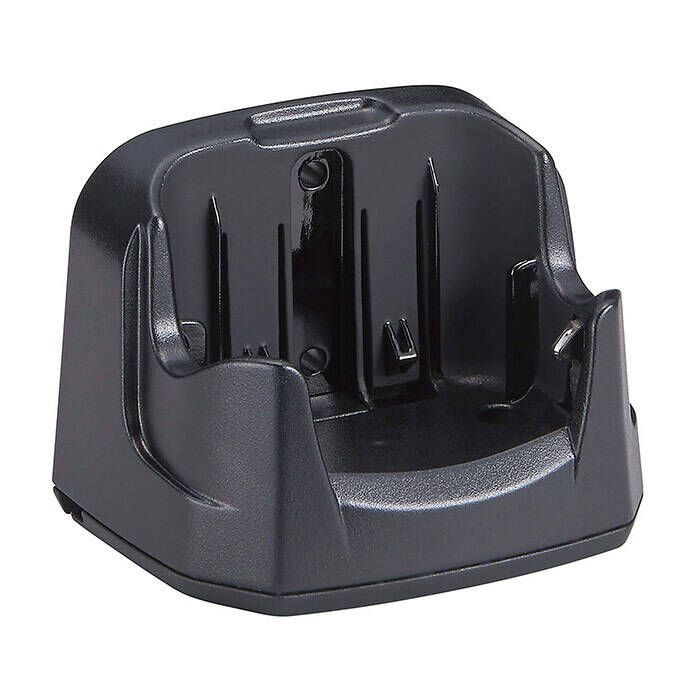
A mounting cradle gives your handheld VHF radio a home base, which means it’s easier to find, easier to charge, and less likely to get buried under loose gear. On a tender or small console, that matters because clutter and motion are a perfect recipe for losing track of critical equipment.
Just as importantly, a secure mount keeps the radio from sliding, bouncing, or taking a hard hit when the ride gets rough. If you want the radio ready at a glance, not rattling around in a hatch, a cradle is a simple, practical upgrade.
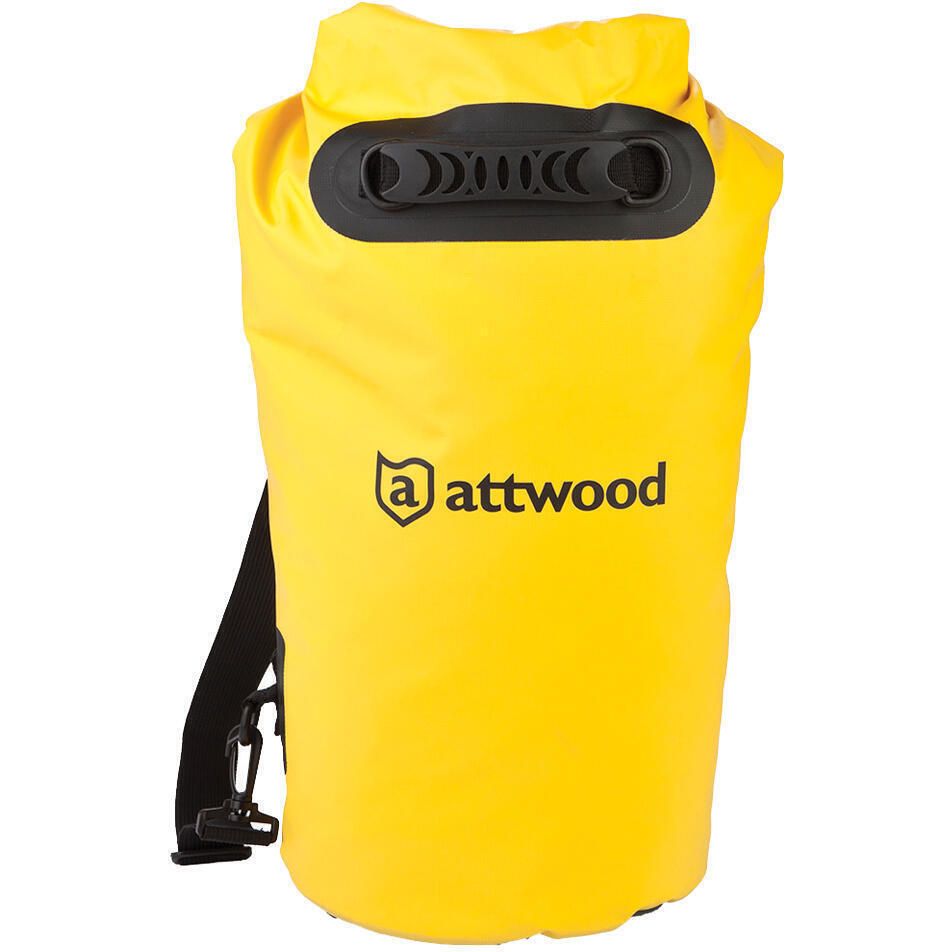
Dry Bags & Pouches
Even if you own a waterproof marine VHF, a dry bag or pouch is still worth having because it adds protection from sand, salt, and repeated soaking. It also helps keep your handheld VHF radio in the same place every time, which makes it quicker to grab when you need it fast.
Just as importantly, dry storage is a smart move for tenders, kayaks, and beach landings where spray turns into full-on dunking. Pairing a pouch with a lanyard gives you layered protection, and that’s exactly how you keep essential gear from disappearing.
How to Program & Maintain Your VHF
A handheld VHF radio only helps if it’s set up correctly and ready to work the moment you pick it up. A few minutes of setup and basic upkeep will keep your DSC, GPS, and battery system reliable, instead of leaving you to troubleshoot when the water is already getting choppy. This involves programming your MMSI, setting up DSC, handling GPS updates when needed, and keeping the radio clean, charged, and dependable.
Programming Your MMSI
Your MMSI is the ID number that ties your DSC VHF handheld to your vessel and contact details, so a distress alert is not just noise on the channel. Program it as soon as you get the radio, because a handheld VHF radio without an MMSI is missing one of its most important safety functions.
Just as importantly, make sure you enter it correctly, since many radios limit how often it can be changed without service support. Once it’s set, do a quick check of the DSC screen and settings so you know the radio is ready long before you ever need it.
Setting Up DSC
DSC setup is where your handheld goes from “I can talk” to “I can send a real emergency alert fast.” If your radio has built-in GPS, confirm it’s getting a position fix, and if it relies on an external source, make sure the connection is actually working.
Next, take a few minutes to learn how the distress button behaves on your specific model, including any cover, hold time, or confirmation steps. Then practice the basics calmly at the dock, because in an emergency you want muscle memory, not menu hunting.
Updating GPS Firmware (when applicable)
Most boaters can set it and forget it, but if your handheld VHF radio has built-in GPS, firmware updates can fix bugs and improve performance over time. Check the manufacturer’s guidance occasionally, especially if you notice slow satellite lock, odd location behavior, or glitches in GPS features.
Just as importantly, do updates on your schedule, not the night before a trip, and confirm everything works afterward. A quick test at home beats troubleshooting at the dock, and it keeps your safety features ready when conditions turn.
Cleaning, Contact Care & Battery Maintenance
Salt, spray, and grime are slow killers, so basic cleaning is not optional if you want a handheld that lasts. Rinse and wipe the exterior after salty runs, keep the speaker and mic ports clear, and avoid harsh chemicals that can damage seals.
Just as importantly, protect the charging contacts and battery compartment, because corrosion is a common failure point. Keep batteries topped off, store spares properly, and check your charging setup if you’re doing any onboard wiring or power upgrades.
Defender’s Top Handheld VHF Recommendations
You’ve done the homework, so now it’s time to pick a handheld VHF radio that matches your water and your risk level. The right choice is the one that stays usable when it’s wet, loud, and moving, and that means prioritizing the features you’ll actually lean on. Here are three options that cover most boaters, followed by a quick comparison table to keep it simple.
Best Overall: Icom M94D
If you want the most capable “do-it-all” handheld, this is the one that covers the widest range of conditions without forcing compromises. It brings together core safety tools and premium awareness features in a true handheld format, so you’re not piecing together solutions when things get sporty. It’s a strong pick for boaters who run mixed waters, deal with traffic, or just want a top-shelf handheld VHF radio they can trust.
- Power: 6W (with selectable lower power)
- Waterproofing: IPX7 submersible
- Safety: DSC distress + GPS position capability
- Premium feature: AIS receive for traffic awareness
- Why it wins: Best blend of emergency signaling + situational awareness
Best Offshore: Standard Horizon HX320
For big water and offshore days, the HX320 focuses on the fundamentals you’ll actually use, without extra complexity. It’s built to handle wet conditions and rough handling, and it’s easy to run when you’re gloved up and moving fast. If you want a tough offshore handheld that does the job and stays out of your way, this one fits.
- Power: 6W / 2.5W / 1W
- Waterproofing: IPX7 submersible, floats
- Battery: ~17 hours operating time (per Standard Horizon test conditions)
- What you’re skipping: No DSC / GPS / AIS (keeps it simple and often cheaper)
- Why it wins offshore: Reliable, no-nonsense performance when conditions get ugly
Best Budget: Standard Horizon HX210
If you need a dependable handheld VHF radio without spending premium money, the HX210 hits a practical balance. It covers the basics that matter most for inshore boating, tenders, and backup duty, especially when the radio is likely to get wet. For many boaters, this is the simplest way to get a floating, waterproof marine VHF that just works.
- Power: 6W / 2.5W / 1W
- Waterproofing: IPX7 submersible, floats
- What you’re skipping: No DSC / GPS / AIS (budget-friendly by design)
- Best use: Inshore, tender/dinghy, and as a backup in the ditch bag
- Why it’s a value pick: Solid core specs without the premium add-ons
Comparison Table
| Model | Power | Waterproofing | DSC | GPS | AIS | Battery Life | Size |
| Icom M94D | 6W / 1W | IPX7 | Yes | Yes | Yes (receive) | 10 hours (typical 5:5:90 duty) | 2.4 × 5.7 × 1.7 in |
| Standard Horizon HX320 | 6W / 2.5W / 1W | IPX7 | Not equipped | Not equipped | Not equipped | ~17 hours (duty cycle noted, BT off) | 2.36 × 5.24 × 1.65 in |
| Standard Horizon HX210 | 6W / 2.5W / 1W | IPX7 | Not equipped | Not equipped | Not equipped | 29 hours (standby monitoring, per test) | 2.36 × 5.20 × 1.57 in |
FAQs: Handheld VHF Radios for Boating
If you need the strongest safety setup, DSC is worth it because it can send a distress alert fast and automatically. If you stay close to shore and keep things simple, you can go without it, but you are giving up a real emergency advantage.
Range depends on line-of-sight, so antenna height, terrain, and conditions are hugely important. This is why in real use, handhelds are great for close to moderate distances, but they will not match the reach of a fixed-mount with a high antenna.
Yes, because radios go overboard more often than people like to admit, especially in tenders and small craft. A floating VHF radio gives you a chance to recover it fast instead of turning a small slip into a lost safety tool.
Some can, but many handhelds are designed to run on their built-in antenna and do not support external antenna connections. If maximum range is your priority, a fixed-mount VHF with an external antenna is therefore usually the better solution.
A handheld is still worth having because it gives you redundancy and mobility when you step away from the helm. It also covers you if the boat loses power or the fixed-mount system has an issue.
Look for a compact, floating, waterproof marine VHF with a simple interface you can operate quickly with wet hands. In a tender, reliability and recoverability matter more than premium features.
Higher wattage can help your signal carry farther and get heard more clearly, especially in rough conditions or open water. The trade-off is faster battery drain, so it’s smart to use low power when you’re close in and save 6W for when you need reach.
Use lower transmit power when you can, keep screen brightness reasonable, and avoid long, unnecessary transmissions. Carry a spare battery or reliable charging option so battery life never becomes the weak link.
Can I use a handheld VHF on inland lakes?
In many places, yes, a handheld VHF can still be useful for boat-to-boat communication and safety, but local rules and how other boaters communicate vary. If most traffic around you isn’t monitoring VHF, you may rely on it more as an emergency tool than a day-to-day chatter radio.
Do I need GPS or AIS built in?
GPS is a strong safety upgrade because it supports faster, clearer position reporting, especially when paired with DSC. AIS receive is optional, but it’s valuable in busy waterways and poor visibility when extra traffic awareness helps you avoid trouble.