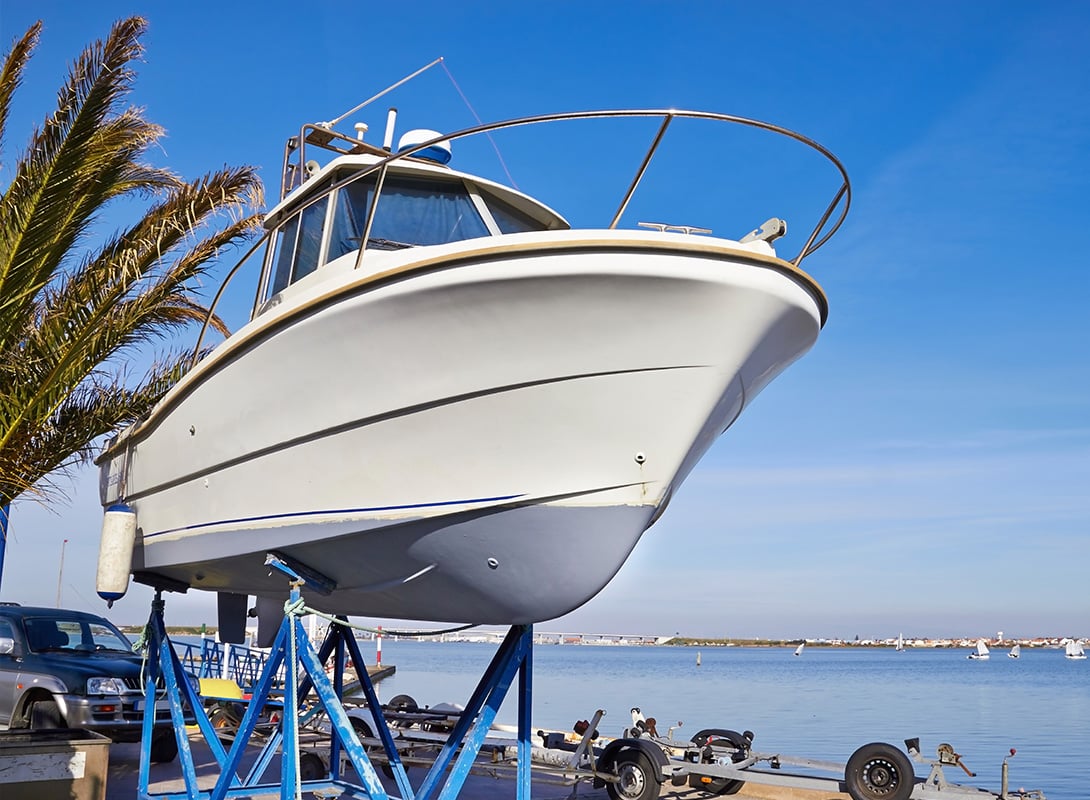
Of course, the bottom paint that’s right for you and your vessel depends on a number of factors. For instance, saltwater is far more aggressive and often requires stronger antifouling protection, while freshwater boaters can usually rely on lower-toxicity paints designed for more limited seasonal use.

Regional conditions also play a role in choosing the right bottom paint. While boats in the Northeast and Great Lakes typically face shorter seasons, Florida vessels are under constant fouling pressure from warmer year-round waters, while boats in the Pacific Northwest endure cooler waters with heavy biological growth. So choosing the right bottom paint for your boat is about both performance and protecting your investment.

Types of Bottom Paint

There are several types of bottom paint, each designed to work best in specific conditions and usage patterns. Understanding how these paints behave in the water (and how they interact with your hull and existing coatings) is the key to choosing the right one.

Shop Bottom Paints

Ablative Bottom Paint

Ablative bottom paint is designed to slowly wear away as your boat moves through the water, continuously exposing fresh antifouling material. This self-polishing action helps prevent buildup and keeps fouling from taking hold over time.

Because it sheds gradually, ablative paint is especially popular with sailboats, cruising powerboats, and boats that are hauled out seasonally. It’s also more forgiving if your boat sits unused for periods, making it a solid choice for owners who value lower maintenance between haul-outs.

Hard (Modified Epoxy) Bottom Paint

Hard bottom paint forms a durable, non-eroding coating that stands up well to abrasion and frequent use.

This type of paint is best suited for high-speed powerboats, performance hulls, and boats that are used often. Because it doesn’t wear away like ablative paint, buildup will occur over time, making periodic sanding an important part of maintenance.

Hybrid / Multi-Season Bottom Paint

Hybrid bottom paints combine characteristics of both ablative and hard paints, offering controlled wear with added durability. They release antifouling at a slower rate while maintaining a tougher surface than traditional ablatives.

These paints are a good all-around option for boaters who want flexibility across multiple seasons. They work well for boats that see regular use but are still hauled periodically, especially when conditions or usage patterns vary year to year.

Specialty Bottom Paints

Specialty bottom paints are designed to solve specific problems or meet unique requirements. These include aluminum-safe paints that contain no copper, freshwater-specific formulas, racing paints built for maximum speed, and copper-free or eco-friendly options for sensitive waters.

Choosing a specialty paint often comes down to hull material, local regulations, or performance goals. For example, aluminum boats require copper-free coatings to prevent corrosion, while some lakes and regions mandate environmentally safer antifouling solutions.

Bottom Paint Compatibility Guide

New Paint Type Existing Paint Type Compatibility Notes / Prep Required
Ablative Ablative ✅ Compatible Light sanding and proper surface prep recommended
Hard (Modified Epoxy) Hard (Modified Epoxy) ✅ Compatible Sand to promote adhesion and remove buildup
Ablative Hard ⚠️ Usually Compatible Sand thoroughly and apply a primer
Hard Ablative ❌ Not Recommended Must strip old paint
Copper-Based Paint Aluminum Hull ❌ Never Use Causes galvanic corrosion; use aluminum-safe paint only

Quick Bottom Paint Selection Guide for Stored Boats

Your Storage or Usage Situation Recommended Bottom Paint Type Why It Works
Boat lives on a trailer Freshwater-specific or hard paint Minimal fouling exposure; easier maintenance and cleanup
Boat stored in Florida marinas Hard paint or high-copper hybrid Built to withstand constant fouling pressure in warm, year-round waters

How Much Paint Do You Need?

The amount of bottom paint your boat requires depends on hull size, shape, and how many coats you plan to apply. And while underestimating can leave you short mid-project, overbuying can inflate costs unnecessarily.

Most manufacturers estimate coverage in square feet per gallon, but real-world results vary based on hull condition and application method.

As a rule, plan for at least two coats on high-wear areas like the bow, keel, and waterline. If you’re switching paint types, applying a primer, or refreshing an older hull, budgeting extra paint is a smart move.

Bottom Paint Coverage Calculator (Estimated)

Boat Length Hull Type Estimated Paint Needed (2 Coats)
15–20 ft Flat / Skiff 1 gallon
20–25 ft Powerboat 1–1.5 gallons
25–30 ft Sailboat 1.5–2 gallons
30–35 ft Sailboat 2–2.5 gallons
35–40 ft Cruiser 2.5–3 gallons

Hull Prep & Application Overview

Proper hull preparation matters just as much as choosing the right bottom paint. Skipping prep steps can shorten paint life, reduce antifouling effectiveness, and lead to adhesion problems down the road.

While each paint system has its own requirements, the basic prep and application process stays largely the same. Think of this as a high-level checklist to keep your project organized and on track.

Breaking the job into clear, manageable steps makes painting far more approachable for DIY boaters. If you follow the sequence and don’t rush drying or safety steps, you’ll get better results and longer-lasting protection.

Bottom Paint Prep & Application Checklist

Below is a brief hull prep checklist, but refer to our How to Paint Bottom Your Boat for detailed, step-by-step instructions, tools, and pro tips.

  • Clean hull thoroughly to remove slime, salt, and debris
  • Sand or scuff existing paint to promote adhesion
  • Repair blisters, cracks, or damaged gelcoat
  • Remove wax and surface contaminants
  • Apply primer or barrier coat if required
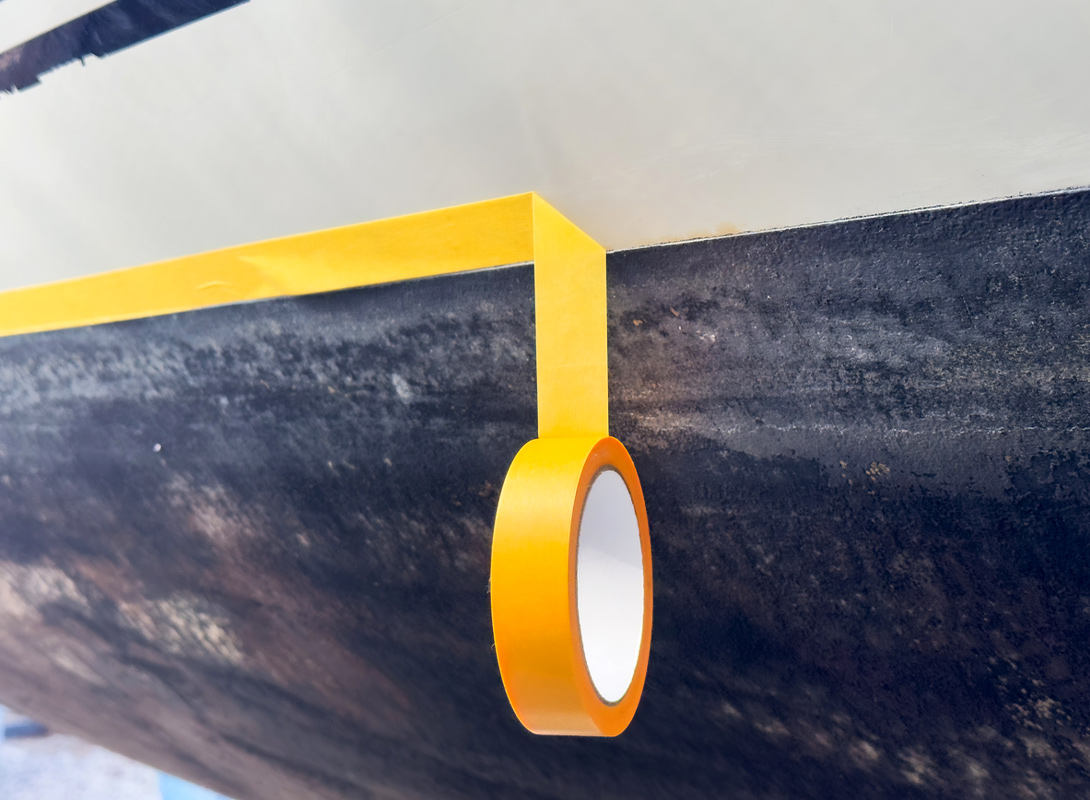
  • Tape the waterline and hardware
  • Mix paint thoroughly before and during use
  • Apply using proper roller (3/16”) and brushes
  • Allow recommended dry time between coats
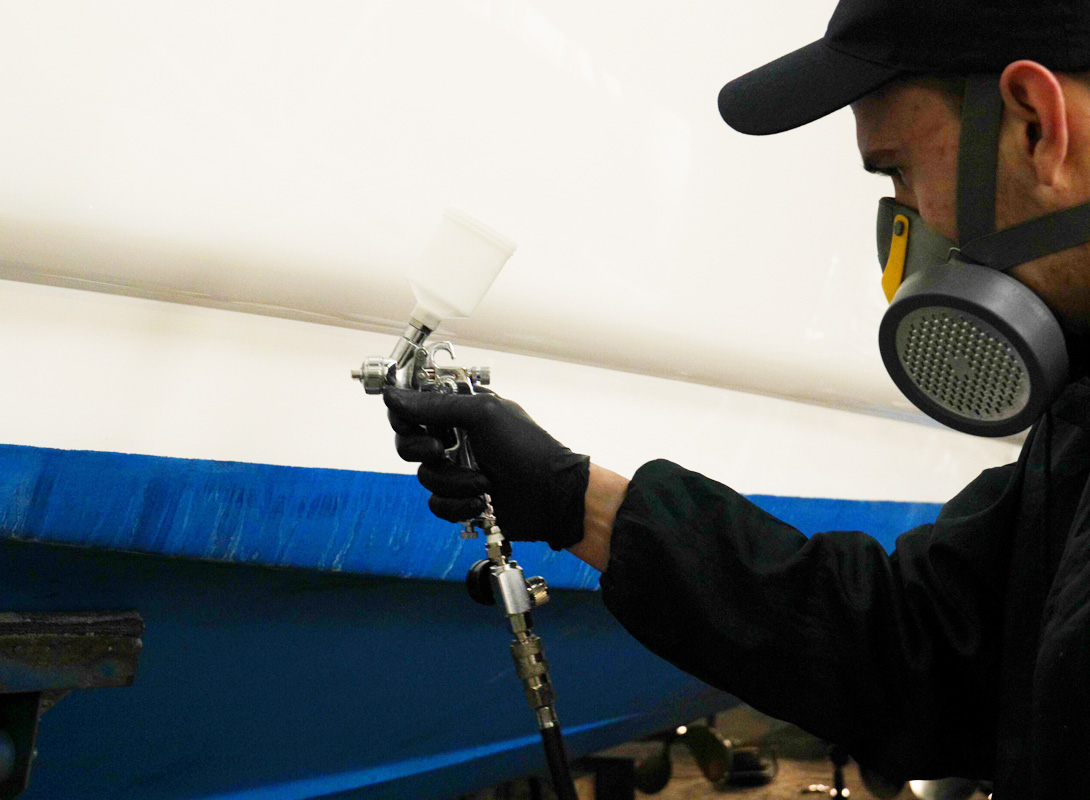
  • Use proper safety PPE (respirator, gloves, eye protection)

Regional Bottom Paint Advice

The region in which you boat has a major impact on how bottom paint performs and how often it needs attention. Water temperature, season length, and haul-out schedules can all influence paint wear. Understanding your region helps narrow your options and avoid over- or under-painting your hull.

Northeast & Great Lakes

Boaters in the Northeast and Great Lakes typically deal with shorter seasons and defined haul-out cycles. Because boats are often pulled each fall, ablative and multi-season bottom paints work especially well in these regions.

Annual haul-outs make sanding and surface prep easier between coats. That seasonal rhythm allows DIY boaters to refresh paint as needed without excessive buildup or aggressive stripping.

Florida & Gulf Coast

Florida and Gulf Coast boaters face some of the highest fouling environments. Warm water and year-round growth often demand harder or hybrid bottom paints with higher copper content.

Because many boats stay in the water full time, paint wears differently than in seasonal regions. Repaint intervals are typically shorter, and durability becomes important.

Marina storage and limited haul-out opportunities also factor into paint choice. In these conditions, choosing a coating built to withstand constant exposure can reduce mid-season cleaning and performance loss.

Pacific Northwest

The Pacific Northwest presents a unique mix of cooler water temperatures and heavy biological growth. While fouling develops more slowly than in Florida, it can still be persistent and difficult to manage.

Multi-season and copper-free paints are often popular here, especially in environmentally sensitive waters. These options balance antifouling performance with regulatory and ecological considerations.

Long, wet seasons also make moisture management critical during prep and application. Careful surface drying and timing between coats help ensure proper adhesion and long-term performance.

Recommended Boat Paint Products

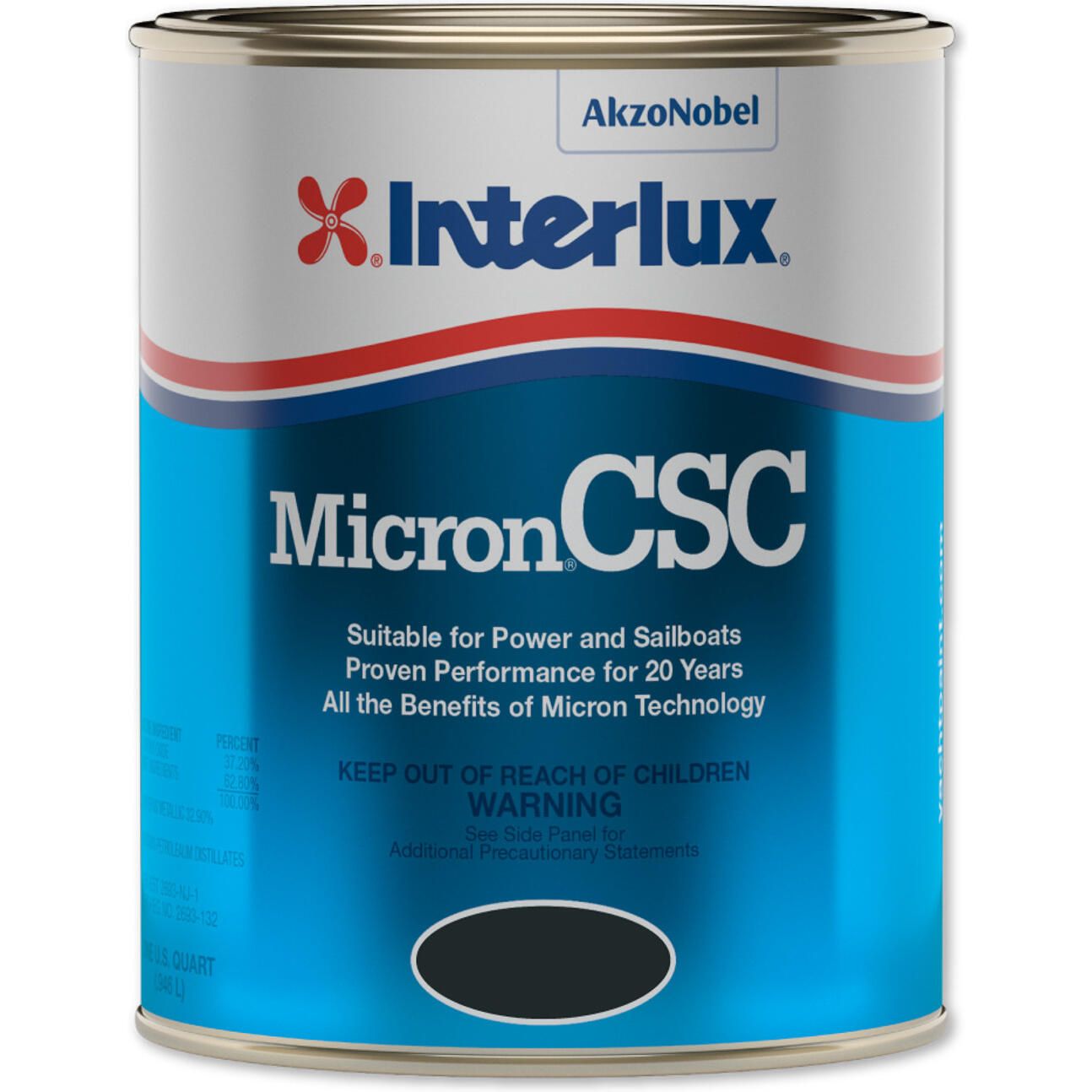
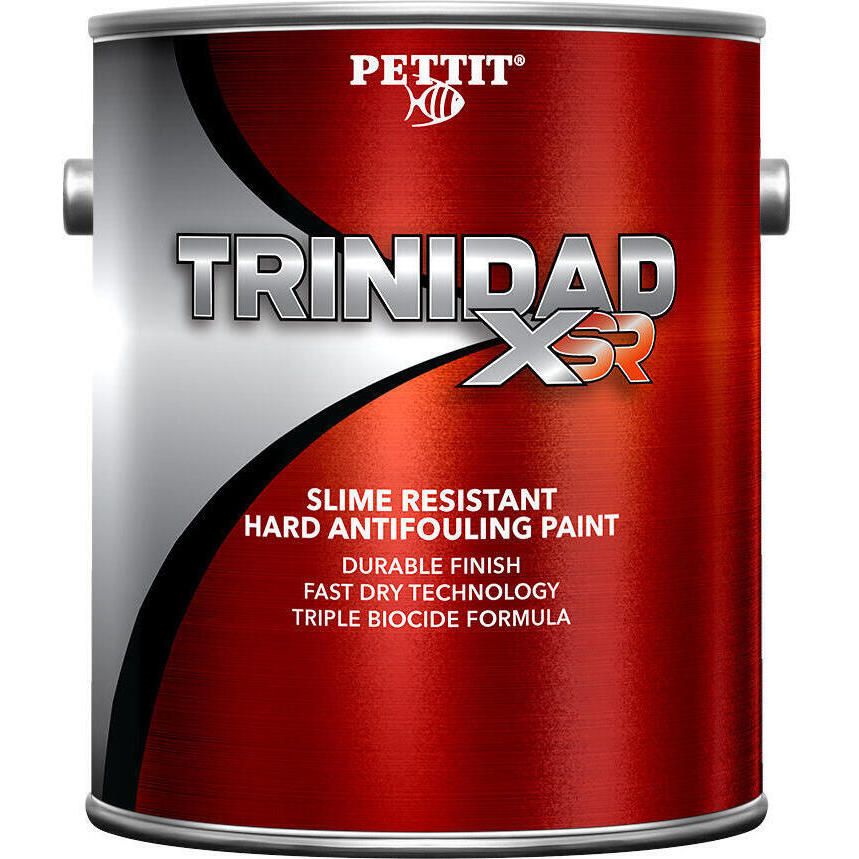
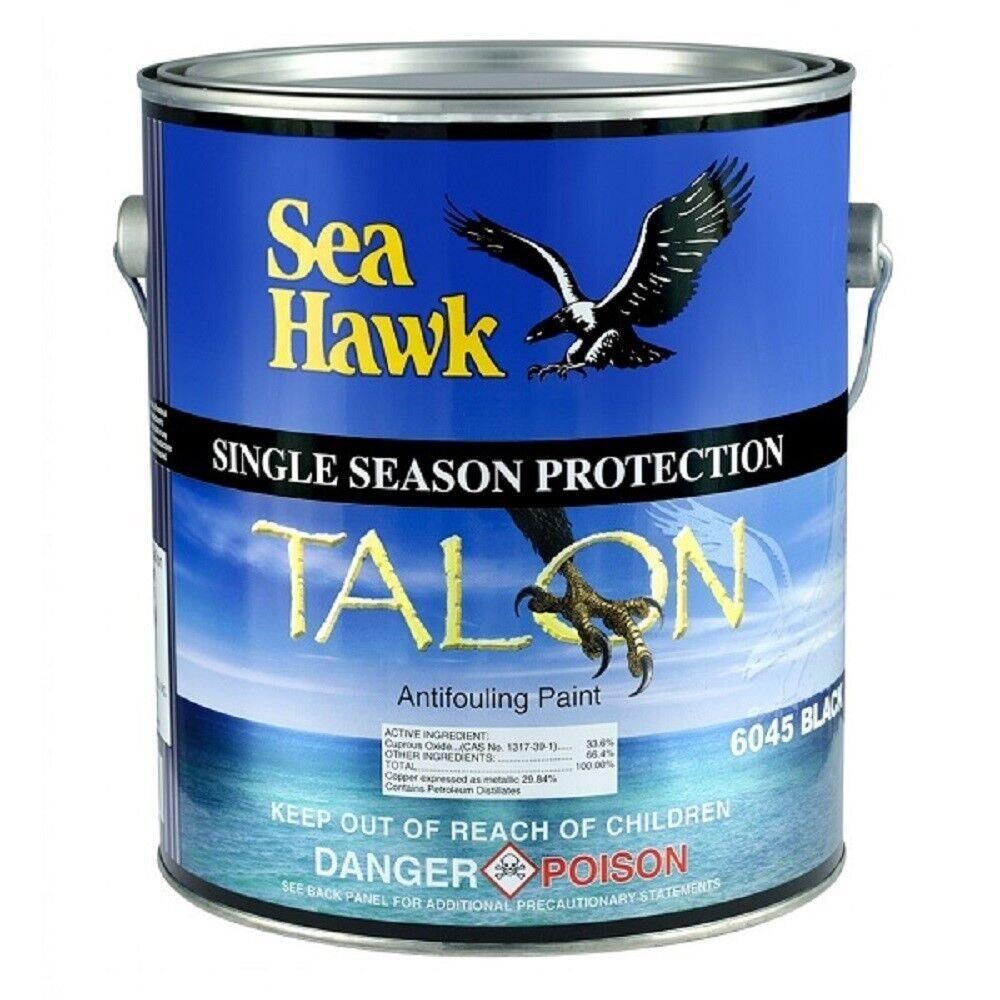
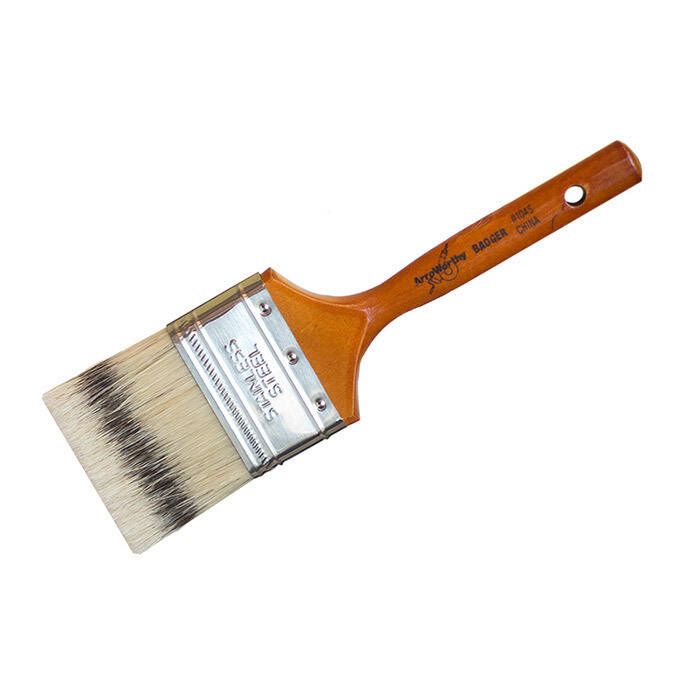
Choosing the right bottom paint is easier when you can compare proven options side by side. The categories below highlight bottom paints, primers, and application tools that align with different boat types, water conditions, and maintenance preferences so you can match the right products to your project with confidence.

Shop Boat Painting Supplies

Related Boating Painting Articles

Blank

How to Paint a Fiberglass Boat

Check out this guide to learn how to paint a fiberglass boat with confidence, from prep to final coat.
Blank

How To How to Bottom Paint Your Boat

Check out this guide to learn how to bottom paint your boat for long-lasting protection and performance.
Blank

How to Paint the Topside of Your Boat

Check out this guide to learn how to topside paint your boat for a smooth, professional-looking finish.

Frequently Asked Questions About Bottom Paint

Do I need bottom paint if my boat lives on a trailer?

In many cases, boats that live primarily on a trailer don’t need bottom paint at all. If your boat is only in the water for day trips or short weekends, regular cleaning is often enough to prevent growth and staining. However, if the boat stays in the water for extended periods—even a few weeks at a time—a light colored antifouling (gray or white) or freshwater-specific bottom paint can help protect the hull and reduce cleanup.

What’s the difference between ablative and hard bottom paint?

Ablative bottom paint slowly wears away as your boat moves through the water, continuously exposing fresh antifouling material. This self-polishing action helps prevent buildup and makes it easier to maintain. Hard bottom paint, on the other hand, stays in place and creates a tougher surface, but it may require more sanding as layers accumulate over time.

Can you paint over old bottom paint?

Yes, you can paint over old bottom paint, but compatibility is critical. In most cases, you should apply the same type of paint that’s already on your hull to avoid adhesion problems. If you want to switch paint types, you may need to sand aggressively, apply a tie-coat or primer, or completely strip the old paint before repainting.

Is copper paint safe for aluminum?

No, copper-based bottom paint should never be used on aluminum hulls. Copper can cause galvanic corrosion, which leads to pitting and serious structural damage over time. Aluminum boats must use copper-free, aluminum-safe bottom paints specifically designed to prevent corrosion.

How long does bottom paint last?

Bottom paint lifespan depends on the type of paint, water conditions, and how the boat is used. In moderate conditions, many paints last one full season, while higher-quality or multi-season paints can last two or more. Boats kept in warm, high-fouling waters or used year-round typically require more frequent repainting.

What’s the best bottom paint for Florida?

Florida’s warm, nutrient-rich waters create some of the highest fouling pressure in the country. Boats stored in Florida marinas usually perform best with hard or hybrid bottom paints that contain higher levels of copper or advanced antifouling additives. These paints are designed to handle constant growth and hold up better when boats stay in the water year-round.

When is the best time to repaint bottom paint?

The best time to repaint bottom paint is during haul-out, usually in the off-season or just before spring launch. Repainting early prevents heavy fouling from becoming established and reduces the amount of sanding and prep required. Planning ahead also gives you time to apply multiple coats and allow proper drying between steps.

Do sailboats and powerboats need different types of paint?

Often, yes, because sailboats and powerboats place different demands on bottom paint. Sailboats and displacement cruisers commonly use ablative paints that perform well at lower speeds and during seasonal storage. High-speed powerboats typically benefit from harder paints that can be burnished smooth and withstand greater stress without wearing away too quickly.