 Shopping from Canada?
  Go to Defender Canada!



How to Choose a Windlass for your Boat or Yacht
Choosing the right anchor windlass isn’t just about convenience. It’s also about having complete control over your anchoring system every time you drop the hook. Whether you’re running a sailboat, powerboat, or yacht, the right setup keeps your vessel safe and your crew confident.
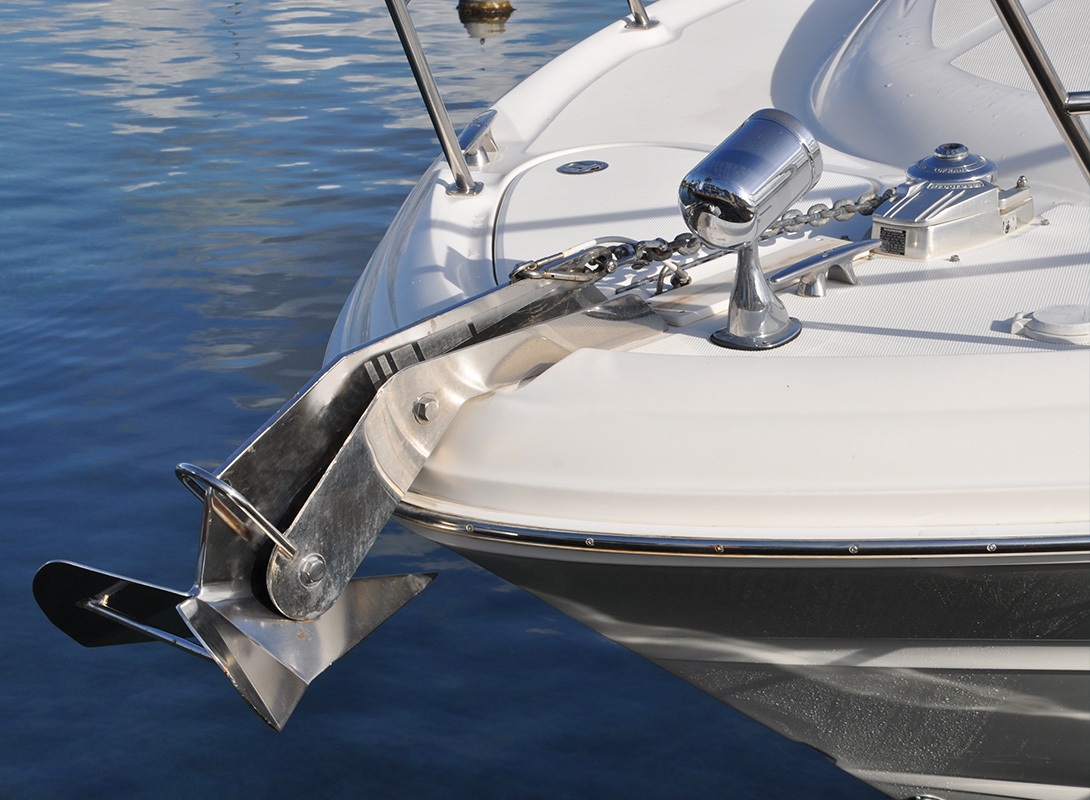
A properly sized and installed windlass takes the strain off your back, your gear, and your ground tackle, especially in tight anchorages or tough holding conditions. When your anchoring system works as one solid unit, you protect your boat, reduce risk, and stay ready for whatever the water throws at you.
From weekend gunkholers to long-range cruisers, every boater benefits from a windlass that matches their boat’s weight, rode type, electrical system, and cruising style. Investing in the right model now means fewer failures, smoother retrievals, and a dependable anchoring system you can trust season after season.
Why Your Boat Needs the Right Windlass
Choosing the right windlass is a major safety upgrade, giving you reliable control when conditions change fast or holding ground turns unpredictable. It also saves a tremendous amount of energy compared to hand retrieval, especially when you’re handling heavy ground tackle or deep anchorages.
A properly matched windlass protects your back, reduces crew fatigue, and keeps the entire anchoring process predictable and repeatable. With smooth, consistent retrieval, you also prevent accidental drops, snags, and the wear that unresolved strain can put on your hull and hardware.
The right upgrade becomes essential whenever (1) your cruising range grows, (2) you move to an all-chain rode, or (3) your boat increases in displacement and outgrows its original equipment. An aging or underpowered windlass will struggle under real load, signaling it’s time to step up in torque, durability, and system compatibility.
Shop Popular Windlasses
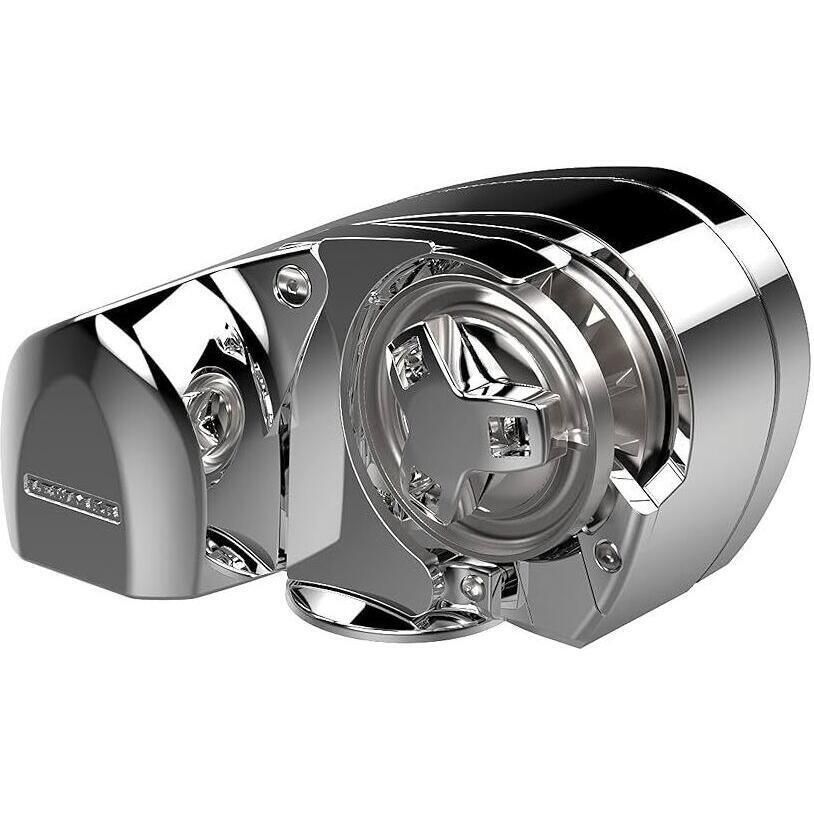
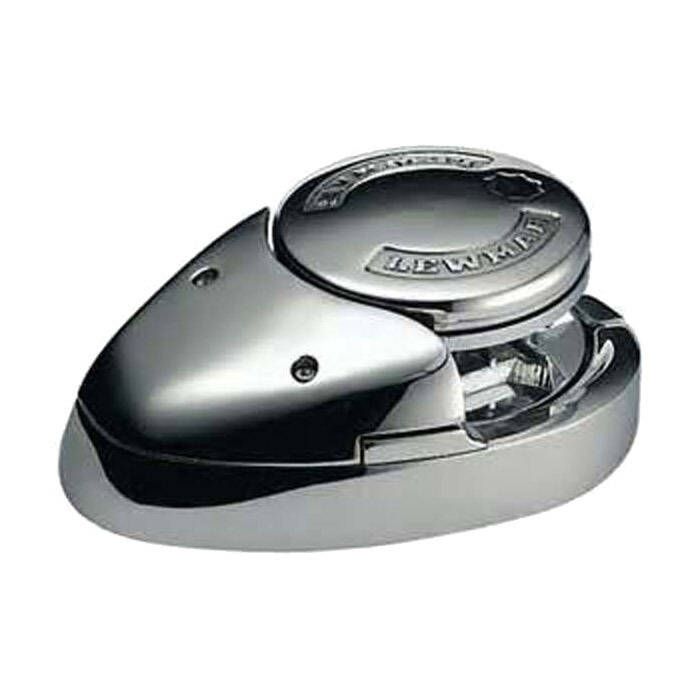
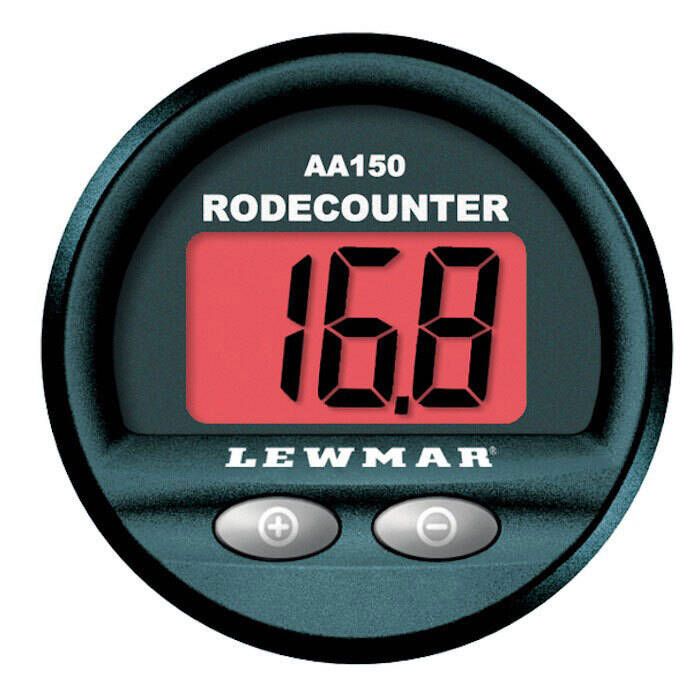
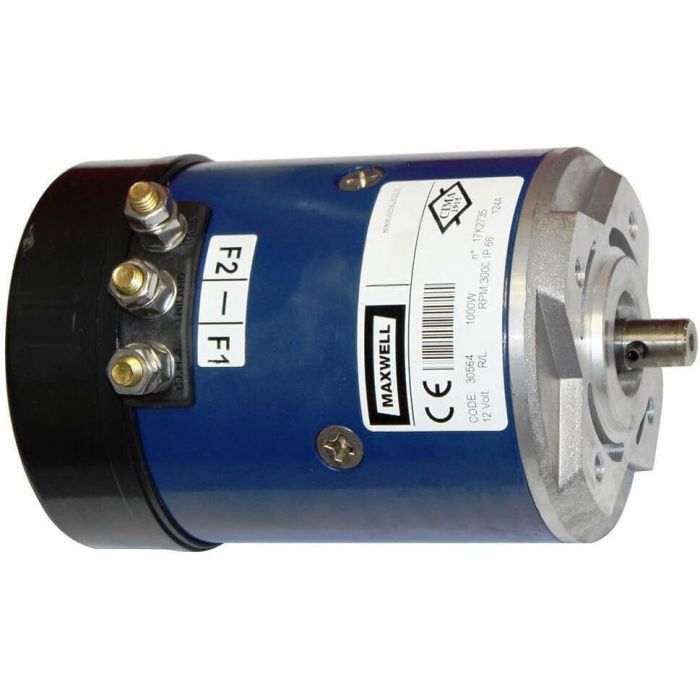
Types of Windlasses Explained — Vertical vs. Horizontal
Every boat has its own deck layout, locker depth, and anchoring style, which is why choosing between a vertical or horizontal windlass matters. Understanding how each design handles your rode, manages torque, and fits your space will help you pick the system that performs best on your boat.
Vertical Windlass
Featuring a 180° wrap around the gypsy, vertical windlasses offer smoother chain and rope transitions, giving you reliable control in most anchoring situations. It also keeps the deck profile clean and low, making it a favorite for sailboats and cruisers.
The main drawback to vertical windlasses is that they require at least 12–18 inches of fall distance, or the rode will pile up and jam in the chain/rope locker. They also demand more precise alignment and installation, which can complicate setups on boats with shallow or irregular locker spaces.
Shop Vertical Windlasses
Horizontal Windlass
A horizontal windlass excels in tight or shallow anchor lockers because it doesn’t rely on a deep fall to feed rode properly. It’s also easier to access on deck, making service, inspection, and cleaning far simpler for DIY boaters and powerboat owners.
The tradeoff is a more visible footprint on deck, which may be less desirable on boats with limited foredeck space. Horizontal units can also produce slightly more noise during operation and may offer marginally less smooth transitions between rope and chain compared to vertical models.
Shop Horizontal Windlasses
Manual vs. Electric vs. Hydraulic Windlasses
Choosing between manual, electric, and hydraulic windlasses comes down to how you anchor, how often you do it, and how much power your vessel can support. Each option offers distinct advantages depending on your boat size, cruising style, and system demands.
Manual Windlass
A manual windlass brings pure mechanical reliability to your anchoring system with zero dependence on onboard power. It’s a simple, rugged solution for small boats, dinghies, and cruisers who prioritize backup capability and low-maintenance gear.
- Simple, mechanical, and highly reliable with no electrical components to fail.
- Ideal for small boats, dinghies, and minimalistic cruisers who prioritize redundancy and low maintenance.
Electric Windlass
An electric windlass offers fast, push-button retrieval and is the go-to choice for most sailboats and powerboats. It delivers consistent pulling power and ease of use, making it ideal for frequent anchoring or heavier ground tackle.
- Fast, efficient retrieval controlled from foot switches, helm stations, or remotes. \ Best suited for most sailboats and powerboats, offering strong pulling power and ease of use for frequent anchoring.
Hydraulic Windlass
A hydraulic windlass provides unmatched pulling power and duty cycle for large yachts and commercial vessels. It’s built for heavy loads, all-chain rodes, and demanding conditions where continuous operation is required.
- Delivers massive, continuous-duty pulling power for yachts, heavy cruisers, and commercial vessels.
- Requires a hydraulic pump and professional installation, making it the most capable but also the most complex and costly option.
Matching a Windlass to Your Boat Size & Displacement
Choosing the right windlass starts with matching its pulling power to your boat’s size, weight, and the conditions you anchor in. A properly sized windlass ensures smooth retrieval, protects your gear, and delivers the torque you need when the load gets heavy.
Sizing Rules of Thumb
Sizing a windlass starts with understanding your boat’s working load (i.e. the real force required to break your anchor free and lift your rode under strain). Your windlass should also exceed your anchor’s max pull requirements, ensuring it can handle surge loads, deep anchoring, or bottom conditions that fight back.
Retrieval speed matters too, because slow or inconsistent lift can cause chain pile-ups or loss of control in tight conditions. Finally, make sure your anchor weight, chain size, and locker storage capacity all match the windlass’s specifications.
Consider Environmental Factors
Where you anchor matters just as much as what you anchor with, and your windlass needs to be sized to handle the loads your local bottom conditions create. Different regions put different demands on torque, retrieval speed, and rode handling, so choosing a windlass that fits your environment is key to reliable performance.
- Northeast mud bottoms: Thick mud creates extreme suction loads, so you need a windlass with higher torque and strong pulling power.
- Florida sand and coral: Lighter bottom conditions favor faster retrieval speeds and responsive control as you reposition frequently.
- Great Lakes mixed bottoms: Shifting between sand, rock, and weed calls for a versatile windlass that handles variable loads without strain.
- Pacific Northwest: Deep anchorages, heavy kelp, and high-current areas require a windlass with strong torque, consistent retrieval speed, and dependable rode management.
Rode Compatibility: Rope, Chain, or Both?
Your choice of rode has a major impact on windlass performance, retrieval smoothness, and long-term gear reliability. Different boats, anchoring styles, and cruising grounds demand different combinations of rope and chain, so it’s critical to match your rode to both your windlass and your anchoring needs.
Rope/Chain Combination
A rope/chain combination is the most versatile setup for cruising boats because it balances holding power, weight savings, and compatibility with a wide range of windlasses. This setup is ideal for sailors and powerboaters who want reliable performance without carrying the full weight of an all-chain rode.
To work properly, the gypsy of the windlass must match both the chain size and the rope splice type to prevent skipping, binding, or jamming under load. Choosing between 3-strand and double-braid lines is also important, as each handles differently around the gypsy and affects how smoothly the rode feeds into your locker.
All-Chain Rode
An all-chain rode is the gold standard for heavy cruising, offering superior holding power, abrasion resistance, and predictable behavior in rough conditions. It also minimizes chafe and delivers the most consistent windlass performance, especially when anchoring frequently or in challenging bottom types.
However, all-chain setups require checking gypsy compatibility, ensuring your windlass motor has enough torque, and confirming you have adequate fall distance for smooth stacking in the locker. The added weight forward can also affect trim on smaller boats, so sizing and storage must be considered carefully.
Chain Sizing & Gypsy Matching
Matching your chain type—whether G4, BBB, or ISO—to the correct gypsy is essential for safe and reliable windlass operation. The chain must fit the gypsy pockets precisely to maintain proper grip and prevent slippage during retrieval.
Using mismatched chain can damage the gypsy, accelerate wear, and cause dangerous jams that overload your windlass. Even small variations in link size or pitch can lead to inconsistent movement through the gypsy, compromising both performance and safety.
Electrical Requirements: What Boaters Overlook Most
Your windlass is only as strong as the electrical system feeding it, and many performance issues come down to wiring that’s too small, breakers that aren’t sized correctly, or batteries that can’t support the load. Understanding how power moves through your system ensures smooth retrieval, protects your equipment, and prevents failures when you need your windlass most.
Power Draw & Circuit Breaker Sizing
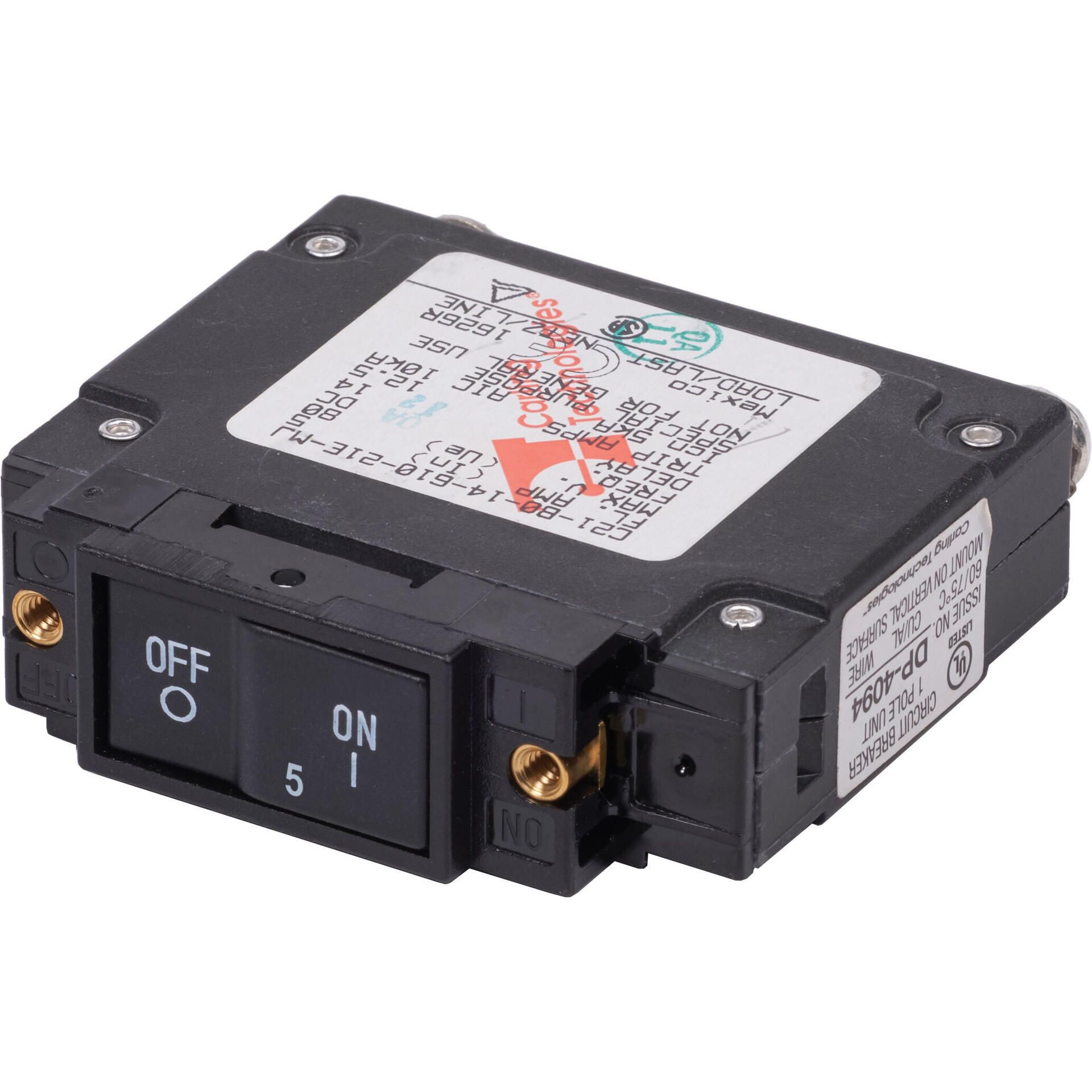
Windlasses draw significant amperage under load, so you need to choose a model with an amp rating your boat’s electrical system can support. The circuit breaker must match the windlass’s specifications and be installed close to the power source to prevent overheating and nuisance tripping.
Voltage drop becomes a major factor on long wiring runs, especially on sailboats where the bow is far from the battery bank. Undersized wiring increases resistance, starves the motor, and ultimately shortens the life of your windlass by forcing it to work harder than it should.
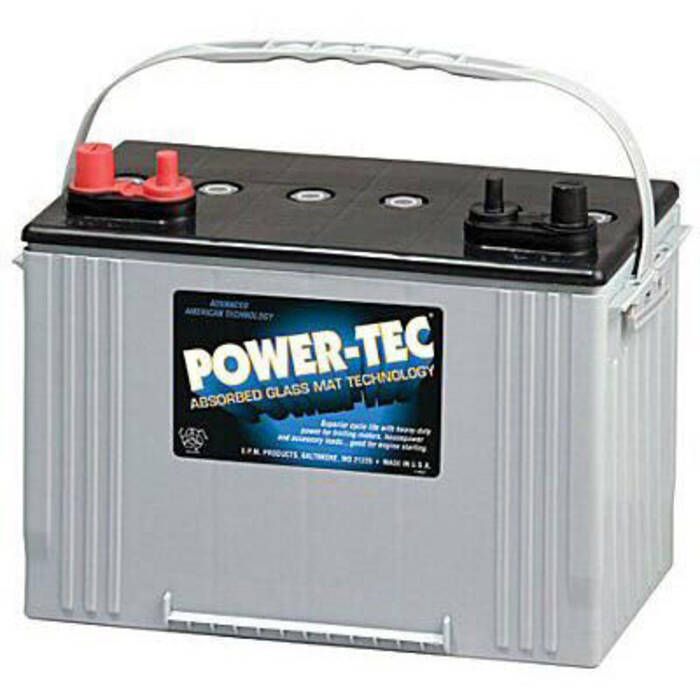
Battery Location & Capacity
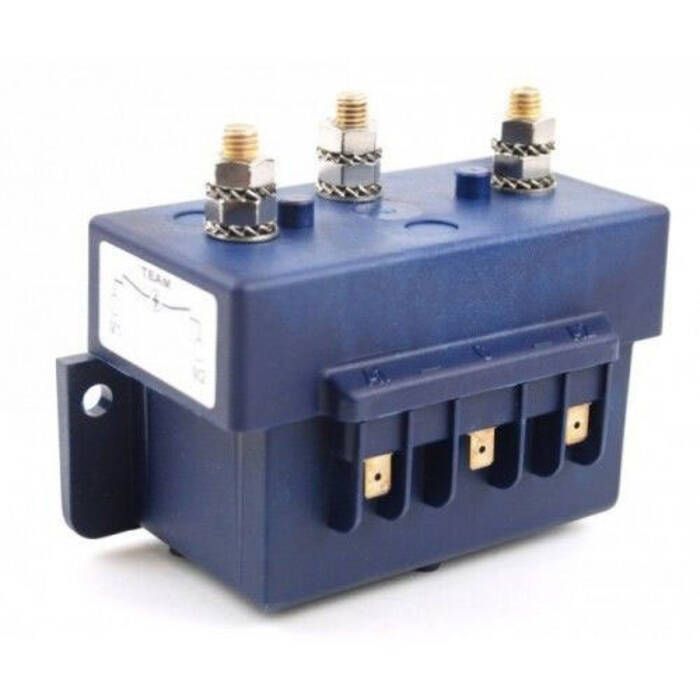
A dedicated windlass breaker panel provides a safe, isolated circuit that protects both the motor and your boat’s wiring. Solenoids and reversing switches must also match the windlass’s specs to ensure reliable direction control and smooth operation.
On long cable runs on sailboats, proper wire sizing and routing are critical to minimizing voltage drop and preserving battery health. So following best practices for battery placement and wiring will help ensure your windlass performs consistently without draining your electrical system.
Shop Marine Electrical


Deck Layout & Installation Constraints
Before choosing a windlass, it’s essential to understand how your deck, bow roller, and anchor locker will impact installation. Every windlass should:
- provide enough fall distance to prevent jams
- and sit on a reinforced surface capable of handling anchor loads without flexing or cracking
These factors determine whether your windlass performs flawlessly or becomes a constant source of frustration.
Anchor Locker Depth (Fall Distance)
Windlasses require at least 12–18 inches of fall distance to allow the rode to drop freely into the locker. To measure this, drop a weighted line through the hawsepipe location and check the distance between the deck and the top of the rode pile.
Good drainage is essential: without it, wet rodes can cause odors, mold, and premature chain corrosion.
Bow Roller Compatibility
A proper windlass installation depends on clean alignment between the bow roller and the gypsy, ensuring the rode feeds smoothly during retrieval or launch. The anchor should sit centered and secure on the roller without shifting or scraping the hull.
Proper alignment also prevents chain jumping, binding, or creating dangerous side loads on the windlass. Secure anchor locking storage keeps your ground tackle stable underway and prevents accidental deployments.
Structural Reinforcement
A windlass must be mounted on a reinforced surface with a backing plate that distributes load evenly across the deck. Without proper support, the deck can flex or crack under strain, especially during rough-weather retrieval.
Wood-cored fiberglass decks require careful assessment to avoid crushing material or creating water intrusion points. Using marine-grade sealants, hardware, and backing plates ensures a strong, watertight installation.
Choosing the Right Controls: Foot Switches, Remotes & Helm Controls
Windlass controls determine how safely and efficiently you can deploy and retrieve your anchor, especially in tight anchorages or strong currents. Each control type changes how you interact with the system, your visibility to the rode, and your ability to operate solo. The following subsections break down the strengths and limitations of the most common options.
Foot Switches
Foot switches offer hands-free operation at the bow, giving you direct visibility of the rode during retrieval and deployment. They’re simple, durable, and intuitive for many boaters.
However, they require you to be physically at the bow, which can be challenging in rough conditions or on larger boats. Care must also be taken to avoid accidental activation and to ensure non-skid placement for safe footing.
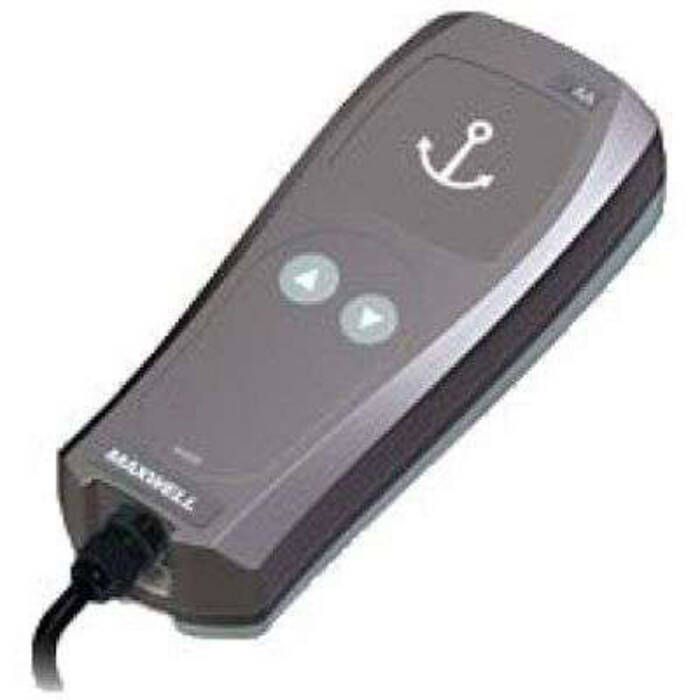
Wired Remotes
Wired remotes give you precise control from anywhere within cord reach, making them ideal for solo operators managing both helm and anchoring duties. They eliminate many of the safety issues associated with bow-only operation. They’re a practical middle ground between foot switches and wireless systems.
Wireless Remotes
Wireless remotes add convenience by allowing you to operate your windlass from virtually anywhere on the boat. They’re especially useful for large yachts or when visibility at the bow is limited. Their drawback is potential interference or battery failure, so they should be a complement to dedicated wired controls, rather than a replacement.
Shop Windlass Switches & Remotes
Common Mistakes When Choosing a Windlass
Choosing the wrong windlass can lead to unreliable operation, excessive wear, and costly reinstallations. Many of the most common mistakes stem from undersizing equipment or overlooking key installation constraints. So avoid these common mistakes to ensure your system works correctly the first time.
- Undersizing
- Choosing the wrong chain size
- Not measuring fall distance, or depth of the locker
- Ignoring electrical requirements
- Cheap imports with no parts support
- Not aligning gypsy to bow roller
- Failing to anticipate cruising upgrades
Top Windlass Recommendations by Boat Type
Different boats place different demands on a windlass, so the windlass that’s right for you will depend on your boat’s hull design, anchoring style, and rode type. The following sections highlight reliable matches for common boat categories, with examples frequently chosen by Defender customers. These are general guidelines meant to point boaters toward the right types of windlass before exploring specific models.
Sailboats (25–35 ft, 35–45 ft)
Sailboats in these ranges often benefit from vertical windlasses like the Lewmar V-series or Maxwell RC-series. Their smooth rope/chain handling and compact footprint make them ideal for narrow bow profiles.
Powerboats (20–30 ft, 30–40 ft)
Powerboats typically favor horizontal windlasses for their easy installation. Models designed for quick retrieval and strong rope/chain transitions work best for frequent anchoring.
Cruisers / Liveaboards
Cruisers and liveaboards often run all-chain rodes, requiring windlasses with high torque and continuous-duty capability. Robust systems designed for heavy loads and long-duration anchoring provide the best reliability for extended voyages.
Windlass Installation Overview
Installing a windlass requires careful planning, proper tools, and a clear understanding of your boat’s structure and electrical system. This overview summarizes the major steps to help you evaluate whether the project fits your DIY comfort level. Always follow manufacturer instructions and consult a professional if you’re unsure about any part of the installation.
Tools Needed
You’ll need basic mechanical and electrical tools suitable for marine hardware installation. Having the right gear ensures clean cuts, watertight seals, and correct electrical connections.
Common tools include:
- Drill and hole saw
- Marine sealant
- Crimping tools and heat-shrink connectors
- Wrenches and torque tools
Wiring Overview
Windlass wiring must follow proper gauge sizing, breaker placement, and polarity to prevent voltage drop and motor strain. Planning cable routes early helps avoid chafe points and ensures a clean, reliable installation.
Deck Reinforcement
Proper deck reinforcement prevents flexing and spreads loads evenly across the mounting area. Backing plates, marine-grade hardware, and sealed fasteners protect against long-term stress and water intrusion.
Testing Procedures
Initial testing should verify correct motor direction, smooth gypsy operation, and proper breaker function. Always test under low load first and follow manufacturer guidance.
Maintenance & Troubleshooting
Routine maintenance keeps your windlass reliable and extends its lifespan, especially for boats that anchor frequently. Most issues come down to worn components, poor electrical connections, or improper alignment. The following sections outline basic service steps and common troubleshooting solutions.
Routine Service
Windlasses need regular cleaning, lubrication, and inspection to perform at their best. Cleaning the gypsy, servicing clutch cones, and greasing internal gears ensures smooth, predictable operation.
Chain Pile-Up Solutions
Chain pile-up in the chain locker is often caused by inadequate fall distance or improper rode feeding. Improving locker space, adjusting retrieval speed, or installing a chain stripper can resolve most issues.
Electrical Troubleshooting
Most electrical problems stem from corroded terminals, undersized wiring, or failing solenoids. Systematic checks with a multimeter help identify voltage drops and inconsistent current flow.
Jam Clearing & Safety
When clearing jams, always disable power and keep fingers clear of the gypsy to prevent injury. When retrieving the anchor, NEVER move the boat using the windlass. Rather, ALWAYS move the boat toward the anchor and retrieve with minimal load.
Frequently Asked Questions
These common questions help boaters identify the right windlass for their needs and avoid mistakes during installation or operation. Each answer provides practical insight into sizing, compatibility, and troubleshooting. Use them to guide decision-making or confirm whether your current setup is correct.
Frequently Asked Questions
You should choose a windlass that exceeds your boat’s working load, since anchoring often puts more strain on a system than its rated values suggest. Matching the windlass to your boat’s displacement, anchor weight, and rode type ensures smooth retrieval and prevents overload during strong winds or heavy bottom conditions. Always size up if you’re unsure, planning upgrades, or moving to an all-chain rode, because a slightly stronger windlass dramatically improves long-term reliability.
Most windlasses are built to operate a single rode through a specific gypsy designed for one rode size. However, some models include a second drum or warping head that can manage a different line or secondary anchor in lighter-duty situations. If you need to run two full-time anchors, installing a separate dedicated system is safer and more dependable than forcing one windlass to manage both.
An all-chain rode provides the best holding power, abrasion resistance, and consistency during retrieval, making it the top choice for cruisers and boats anchoring in tough conditions. A rope/chain combination saves weight forward, reduces load on smaller windlasses, and fits easily into lockers with limited fall distance. Your choice depends on your cruising style, bottom conditions, and whether your windlass is rated for the rode you prefer.
Many boaters successfully install windlasses on their own, especially when comfortable with marine wiring and deck hardware. The key is following proper alignment, wiring gauge requirements, and structural reinforcement to avoid long-term issues. If any part of the installation—especially electrical routing or deck coring—feels uncertain, hiring a professional ensures your system performs safely and reliably.
A breaker that trips during retrieval typically indicates low voltage caused by long wire runs, corroded connectors, or undersized cable. It can also mean your windlass is overloaded due to a heavy bottom hold, snagged rode, or motor strain. Checking voltage at the terminals, inspecting wiring, and verifying breaker sizing will help pinpoint the problem before it leads to damage.
Each windlass gypsy is machined for a specific chain size and type, such as G4, BBB, or ISO, and using anything else can cause skipping or dangerous jams. Even small differences in link dimensions will prevent the gypsy from gripping properly. Always follow the manufacturer’s chain specifications and avoid mixing chain types, even if they appear similar.
Most windlasses require 12–18 inches of fall distance to allow the rode to drop freely into the locker without stacking up. Insufficient fall distance causes pile-ups, jams, and added strain on the motor and gypsy. Measuring your locker space before choosing a windlass ensures smooth operation, especially when working with all-chain rodes.
Many boats successfully power their windlass from the house bank as long as wiring is properly sized to handle voltage drop. On boats with long runs—like sailboats—heavier gauge cable is essential to deliver full power to the motor. If your house bank regularly runs deep cycles, consider isolating the windlass with a dedicated breaker or upgrade to maintain consistent performance.