 Shopping from Canada?
  Go to Defender Canada!


Ultimate Horsepower Guide to 4-Stroke Outboard Motors
Choosing the right horsepower is not about bragging rights or top speed. It is about how a boat runs when it is loaded, trimmed, and pushed through real water.
| Hull Type | Hull Shape & Characteristics | Typical Power Needs | What to Watch For |
| Jon boats | Flat-bottomed and light, with very low drag at low speeds. Planes easily but offers limited control at higher speeds. | Low to moderate horsepower goes a long way. | Extra power adds speed quickly but can reduce control and ride quality. |
| Inflatable / RIBs | Lightweight with rounded or deep-V bottoms that soften ride. Tubes reduce effective hull weight. | Modest horsepower for size, scaled to payload. | Underpowering shows up fast when loaded or in chop. |
| Aluminum fishing boats | Semi-V or modified-V hulls designed for efficiency and durability. Balance weight and stability. | Moderate horsepower to plane cleanly with gear. | Gear and passengers can push these boats out of their comfort zone. |
| Fiberglass bass boats | Pad or stepped hulls optimized for speed and stability at plane. Built to run efficiently at higher power. | Higher horsepower within rated limits. | Power must match setup and load to avoid handling issues. |
| Center consoles | Deep-V hulls built for rougher water and offshore runs. Carry more fuel and structure. | Higher horsepower to maintain control and range. | Underpowering affects safety more than top speed. |
| Pontoon boats | Wide, drag-heavy platforms that push water instead of planing. Weight scales quickly with passengers. | Power improves response and load handling. | Low horsepower limits control and towing capability. |
| Mistake | Why It Happens | Real-World Consequences |
| Buying for top speed instead of use case | Top speed numbers are easy to compare and heavily marketed, but don’t reflect how most boats are actually used. | Boat feels strained at cruise, struggles in chop, and loses safety margin when conditions worsen. |
| Ignoring torque and prop selection | Horsepower is viewed as a single performance metric, while torque curves and prop matchups are overlooked. | Slow hole shot, poor mid-range performance, inefficient fuel burn, and difficulty holding plane. |
| Forgetting altitude and temperature effects | Horsepower ratings are based on ideal conditions, not real-world heat or elevation. | Noticeable power loss, sluggish acceleration, and higher throttle settings to maintain speed. |
| Copying someone else’s setup blindly | Similar boats appear interchangeable, leading owners to copy horsepower numbers without context. | Disappointing performance due to mismatched load, prop, or boating style. |
| Boat Type | What the Horsepower Needs to Do | Range Guidance (Directional) |
| Fishing boats | Plane with gear-heavy loads and stay responsive | Often mid-to-upper for hull size |
| Family runabouts | Plane with a full crew and cruise without strain | Middle range, sometimes slightly higher |
| Pontoons | Overcome drag and carry passengers, especially for towing | Higher as capacity/towing increase |
| Inflatables & tenders | Stay controllable as payload changes | Modest for size, but don’t underpower |
| Sailboat auxiliaries | Provide thrust and docking authority in wind/current | Sized for displacement and conditions |
Blank
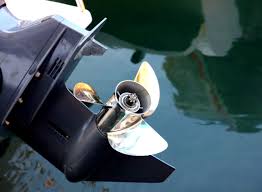
How to Change Propeller Outboatboard Motor
Blank
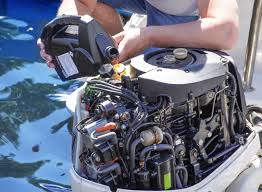
Winterizing Your Boat Motor
Blank
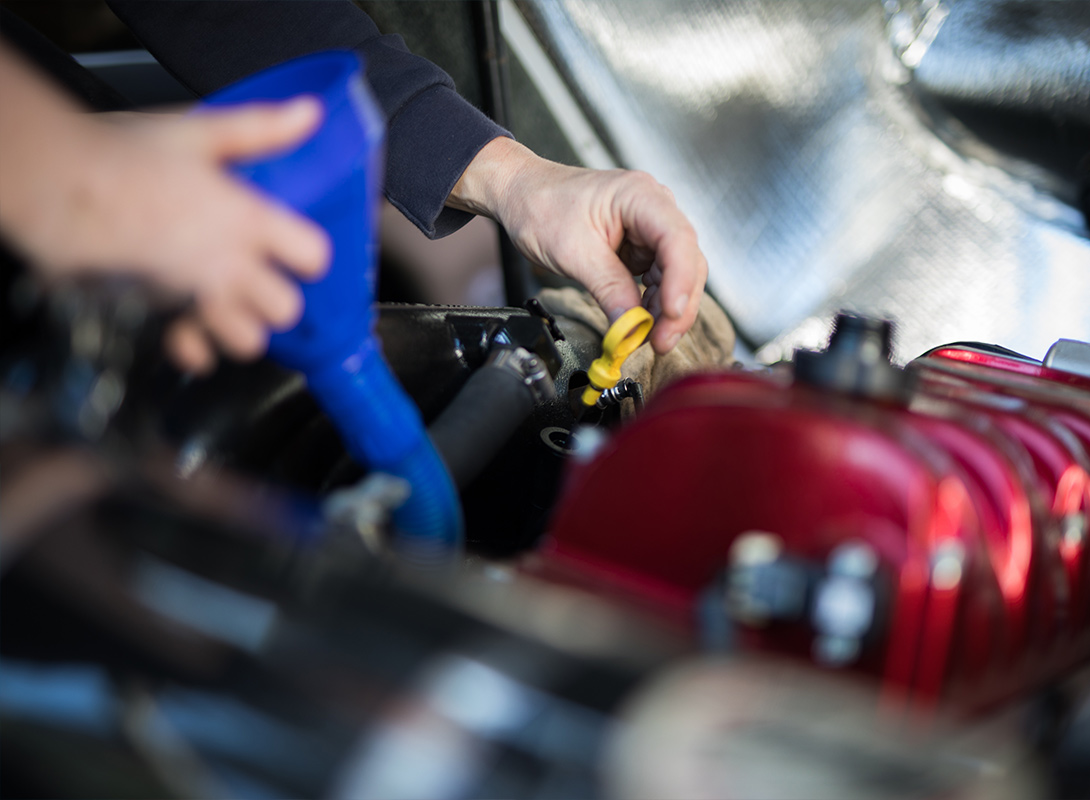
How to Winterize Your Gas Inboard or Sterndrive