 Shopping from Canada?
  Go to Defender Canada!



Boat Winterization Guide: How to Protect Your Boat for the Off-Season
When the boating season winds down, your boat still needs attention. Winterizing isn’t just about packing things away. It’s also about protecting your investment from freeze damage, corrosion, and costly spring surprises. A proper winterization plan keeps engines safe, systems dry, and hulls clean — so when spring comes, you’re ready to launch without the stress.
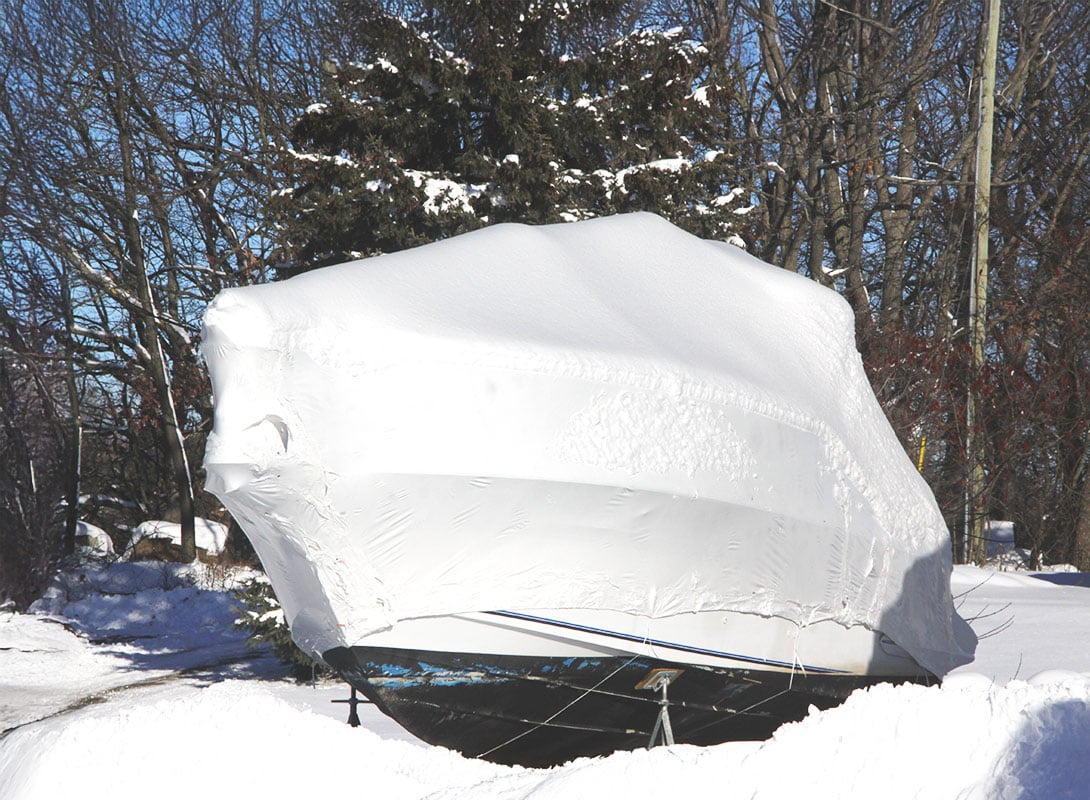
Whether you’re hauling out on the Great Lakes, buttoning up for a Northeast winter, or prepping for hurricane season in Florida, every region has its own challenges.
At Defender, we’ve been helping boaters protect their vessels since 1938. From antifreeze and fuel stabilizers to shrink wrap and storage covers, we’ve got the gear and the experience to help you get it done right.
Why Winterizing Your Boat Matters
When temperatures drop, any water left in your engine, bilge, or plumbing can freeze and expand — cracking blocks, splitting hoses, and destroying fittings. Even in warmer regions, corrosion and fuel breakdown can quietly damage your systems over time.
From fuel lines to electrical connections, winterization protects your boat’s most critical components, and ensures a smooth, stress-free spring launch. Taking the time now saves you costly repairs later, and extends the lifespan of your gear season after season.
The Ultimate Boat Winterization Checklist
Winterizing your boat isn’t one big job. Rather, it’s a series of small, essential steps that protect every system on board.
This checklist covers everything you need to prepare your boat for the off-season, no matter where you dock.
1. Engine & Fuel System
Your engine is not only the heart of your boat, but the most expensive to repair if you don’t winterize properly. Start by flushing the cooling system, changing the oil and filters, and fogging the cylinders to prevent internal corrosion over the winter months.
Treating your fuel with a quality stabilizer and running the engine briefly to circulate it through the system prevents varnish, ethanol damage, and gummed-up fuel lines that can cause hard starts or stalling when spring arrives.
System Winterization Checklist :: Engine & Fuel
- Flush the engine’s cooling system with fresh water (outboards).
- Change engine oil and replace oil and fuel filters.
- Use fogging oil to coat internal engine parts and prevent corrosion (outboards).
- Fill the fuel tank and add a marine fuel stabilizer to prevent separation and varnish buildup.
- Run the engine for a few minutes to circulate stabilized fuel throughout the system.
- Inspect belts, clamps, and hoses for cracks or wear before storage.
Stock up on fuel stabilizers, fogging oils, and oil change kits to keep your powerplant protected all winter long.
2. Plumbing & Water Systems
Your boat’s freshwater and sanitation systems are especially vulnerable to freezing temperatures. Any trapped water in tanks, lines, or pumps can expand and crack fittings, hoses, or even entire components — turning a simple oversight into costly spring repairs.
Winterizing these systems means draining every line, protecting with marine antifreeze, and keeping pumps and heads safe from freeze and corrosion damage. Even in warmer regions, this routine helps prevent bacteria buildup and ensures your onboard systems stay clean and ready for the next season.
Winterization Checklist :: Plumbing & Water Systems
- Drain freshwater tanks, water heaters, and all onboard plumbing lines completely.
- Open all faucets and showers to allow air to escape while draining.
- Use a non-toxic marine antifreeze to fill water lines, pumps, and fixtures.
- Bypass the hot water heater if possible, using a winterizing bypass kit to save antifreeze.
- Pump antifreeze through freshwater and raw water systems until the antifreeze exits at each outlet.
- Flush and treat the marine head and holding tank with antifreeze.
- Clean strainers and inspect all plumbing connections for leaks or corrosion before storage.
3. Electrical & Batteries
Cold weather and inactivity can take a heavy toll on your electrical system. Batteries naturally discharge over time, and without proper care, sulfation and corrosion can shorten their lifespan or leave you powerless come spring.
Winterizing your electrical system means more than just disconnecting the batteries. It also includes cleaning and maintaining connections to keep your system reliable. A few smart precautions ensure your boat’s power system fires up the first time, every time.
Winterization Checklist :: Electrical & Batteries
- Disconnect batteries and clean terminals with a wire brush and corrosion inhibitor.
- Fully charge batteries before storage using a smart marine charger or onboard charging system.
- Test voltage and mark each battery with its last charge level (test monthly).
- Store batteries in a cool, dry location on a non-conductive surface if removing them from the boat.
- For boats left in the water, and on the hard as well, maintain charge with a solar maintainer or trickle charger.
- Inspect all wiring, fuses, and connections for wear or corrosion and replace as needed.
- Apply dielectric grease to exposed terminals to protect against moisture and oxidation.
Learn more about selecting the right battery for your boat in our Battery Selection Guide. Stock up on marine battery chargers, solar maintenance kits, and corrosion inhibitors to keep your power system in peak condition all winter long.
4. Hull & Exterior Prep
Winterizing your hull isn’t just about cleaning; it’s about sealing and protecting every surface so your boat is ready to shine when launch day arrives.
Taking time to clean, inspect, and prep the exterior prevents blisters, oxidation, and corrosion from spreading while your boat is laid up.
Winterization Checklist :: Hull & Exterior
- Wash the hull, deck, and topsides thoroughly with a marine-grade boat soap to remove salt, scum, and debris.
- Inspect the hull for blisters, cracks, or gelcoat damage and make minor repairs before storage.
- Apply a protective wax or polish to topsides to seal the surface and prevent oxidation.
- Check and replace anodes to prevent galvanic corrosion during winter storage.
- Clean and lubricate thru-hulls, seacocks, and hardware with a marine lubricant.
- Touch up or plan for bottom paint if needed before spring launch.
- Cover the boat securely with a breathable cover or shrink-wrap to keep dirt and moisture out.
For step-by-step guidance, see our Hull Prep Guide and Bottom Paint Guide. Stock up on cleaners and waxes, anodes, and boat covers to keep your hull protected until launch day.
5. Covers & Storage
Once your systems are prepped, proper storage is what keeps all that work protected through the off-season. Whether you store indoors, outdoors, or on a trailer, using the right cover and setup prevents moisture buildup, UV damage, and costly deterioration.
A well-fitted, breathable cover or shrink-wrap keeps out snow, dirt, and pests while allowing ventilation to prevent mold and mildew. Taking the time to secure your boat correctly means fewer surprises — and an easier, cleaner spring recommissioning.
Winterization Checklist :: Covers & Storage
- Choose a breathable, weather-resistant boat cover or professional shrink-wrap for full protection.
- Support the cover with poles or framing to prevent water pooling or snow accumulation.
- Use moisture absorbers or dehumidifiers inside to reduce mold and mildew.
- Secure all straps and tie-downs to withstand winter winds and prevent chafing.
- Remove cushions, electronics, and valuables for dry indoor storage.
- Ventilate the cabin and lockers slightly to maintain airflow and prevent musty odors.
- Inspect periodically throughout winter for snow load, pests, or loose cover fittings.
Regional Winterizing Tips
Winterizing your boat isn’t the same everywhere. From freezing temperatures in the Northeast to year-round boating in Florida, local conditions dictate how and when you should prepare your vessel for the off-season.
Understanding your region’s climate helps you focus on what matters most. Whether it’s protecting against ice and snow, battling corrosion in salt air, or preparing for hurricane season, taking a regional approach ensures your boat stays safe and ready no matter where you keep it.
Northeast & Great Lakes — Cold Weather Winterization
Boaters in the Northeast and Great Lakes face some of the harshest winter conditions in the country. Freezing temperatures, snow, and long lay-up periods make thorough winterization essential to prevent costly freeze damage and corrosion.
The key is preparation and protection — every system must be drained, dried, or treated before storage. With temperatures regularly dipping below freezing, small oversights like a bit of trapped water or a weak battery can lead to big spring repairs.
Winterization Checklist :: Northeast & Great Lakes
- Drain all water from engines, tanks, and lines; use marine antifreeze rated to at least -50°F.
- Remove batteries and store them indoors on a maintenance charger.
- Apply a protective wax or polish to topsides to resist snow and ice buildup.
- Cover your boat securely with shrink-wrap or a heavy-duty winter cover to block snow and moisture.
- Add moisture absorbers and crack open lockers or hatches for ventilation.
- Inspect regularly through the winter to clear snow load and check for pests or water intrusion.
For cold-weather prep essentials, explore Defender’s Marine Antifreeze, Battery Chargers, and Boat Covers & Accessories to keep your vessel protected until launch day.
Florida & Gulf Coast — Warm Climate Storage & Hurricane Prep
In Florida and along the Gulf Coast, winterizing isn’t about freezing temperatures — it’s about protecting your boat from sun, salt, and storms. Constant exposure to heat and humidity can cause corrosion, mildew, and fading, while hurricane season adds another layer of risk.
Instead of a full winter shutdown, southern boaters focus on maintenance, moisture control, and secure storage. Taking these steps not only protects your investment but also keeps your boat ready for spontaneous year-round adventures.
Winterization Checklist :: Florida & Gulf Coast
- Flush engines thoroughly with fresh water to remove salt and prevent corrosion.
- Rinse and wax topsides and metal fittings with a UV-protective marine wax.
- Treat fuel with a marine stabilizer if your boat will sit unused for several weeks.
- Use moisture absorbers or dehumidifiers in the cabin to prevent mildew.
- Inspect and lubricate electrical connections and battery terminals to prevent corrosion.
- During hurricane season, double up dock lines, add chafing gear, and remove canvas or electronics before storms.
- Secure or haul out boats in vulnerable areas well before severe weather hits.
Keep your boat ready year-round with Defender’s Fuel Stabilizers, Marine Waxes & Protectants, Dehumidifiers, and Docking Gear built for coastal conditions.
Pacific Northwest — Rain, Moisture & Mold Prevention
Boaters in the Pacific Northwest deal with long, damp winters and endless rain, which means moisture control is the top priority. Without proper ventilation and protection, trapped humidity and water can lead to mold, mildew, and corrosion that quietly damage your boat from the inside out.
Winterization here is about keeping water out and air flowing. Preventing moisture buildup during storage not only preserves your interior and electronics but also saves hours of cleaning and maintenance when spring finally returns.
Winterization Checklist :: Pacific Northwest
- Wash and dry all decks, lockers, and bilges thoroughly before storage.
- Use moisture absorbers, dehumidifiers, or solar-powered fans to maintain airflow and prevent mildew.
- Check seals around hatches, ports, and windows, and replace worn gaskets to stop leaks.
- Treat canvas, upholstery, and interior fabrics with mildew-resistant cleaners or protectants.
- Apply a marine wax or polish to topsides to protect from rain streaking and grime.
- Store electronics and soft goods in dry bags or remove them to climate-controlled storage.
- Inspect the boat periodically for leaks, condensation, or musty odors, and address issues immediately.
Keep moisture under control with Defender’s Dehumidifiers & Cabin Fans, Mildew Cleaners, Canvas Treatments, and Marine Waxes designed for wet climates.
Top Products for Boat Winterization
The right tools and supplies make winterizing faster, safer, and more effective. Below are Defender’s top product categories to help you protect your boat all season long — each one tested and trusted by serious boaters who do the job themselves.
1. Marine Antifreeze
Protect your freshwater systems, engines, and plumbing from freeze damage with non-toxic, propylene glycol-based marine antifreeze. Choose the right freeze protection level (typically -50°F or colder) and circulate it through your lines until antifreeze comes out.
Pro Tip: Always use marine-specific antifreeze — never automotive — to avoid toxic residues in potable systems.
2. Fuel Stabilizers & Additives
Keep fuel fresh and prevent ethanol separation with marine fuel stabilizers. A small dose before storage helps avoid clogged injectors, varnish buildup, and costly spring tune-ups.
Pro Tip: Run the treated fuel through your system for a few minutes to coat internal components.
3. Engine Oils & Fogging Sprays
Guard against corrosion and wear inside your engine with high-quality marine engine oil and fogging sprays. These products protect pistons, valves, and other moving parts during long storage periods.
Pro Tip: After fogging, rotate your engine by hand (if safe to do so) to distribute oil evenly.
4. Batteries & Chargers
Cold and inactivity can kill even the best battery. Use smart marine chargers or solar maintenance kits to keep your power system healthy and ready to go.
Pro Tip: Test charge levels monthly — a maintained battery lasts up to twice as long.
5. Cleaners, Waxes & Protectants
Winter is tough on finishes, so give your hull and topsides a final clean and polish before storage. Defender carries marine cleaners and waxes and protectants that shield gelcoat and metal from oxidation, grime, and UV exposure.
Pro Tip: Apply wax after washing and drying to seal in a clean surface.
6. Covers, Shrink-Wrap & Storage Gear
A durable, breathable boat cover, tarp or professional shrink-wrap setup protects your boat from snow, debris, and moisture. Add moisture absorbers and cabin fans to reduce mildew and keep airflow steady during storage.
Pro Tip: Support covers with poles or frames to prevent water pooling and sagging.
7. Anodes & Corrosion Protection
Even during lay-up, electrolysis and corrosion don’t take a break. Replace worn anodes and coat terminals or metal fittings with corrosion inhibitors to prevent damage through the winter.
Pro Tip: Always match your anode type (zinc, aluminum, or magnesium) to your boating environment.
8. Plumbing & Sanitation Supplies
Safeguard water and waste systems with plumbing accessories and sanitation treatments. Non-toxic antifreeze, odor control products, and bypass kits make it easy to protect your tanks and lines.
Pro Tip: Flush your system completely before adding antifreeze for best results.
9. Moisture Control & Cabin Comfort
Prevent mold, mildew, and musty odors with dehumidifiers, moisture absorbants, and/or fans. These small but powerful devices keep air circulating and humidity low throughout the off-season.
Pro Tip: Use moisture control year-round — especially in damp climates like the Pacific Northwest.
At Defender, we make it easy to find everything you need to winterize your boat from stem to stern. Shop our full selection of winterization products and prepare your vessel with confidence — because spring starts with how you store your boat today.
Frequently Asked Questions
Yes. Indoor storage protects against weather, but it doesn’t stop freezing temperatures or fuel degradation. Water left in engines or plumbing can still freeze, and untreated fuel or batteries can deteriorate. Even if stored inside, always follow the same basic winterization steps.
No. RV antifreeze is often not rated for marine systems or engine use. Always use non-toxic marine antifreeze, which is formulated for potable water systems and safe for engines, plumbing, and sanitation lines. It offers better freeze protection and corrosion resistance for marine environments.
Begin winterizing when overnight lows consistently fall below 40°F (4°C). Even a single freeze can cause damage to unprotected systems. If you’re in colder regions like the Northeast or Great Lakes, plan to complete winterization by late October or early November.
Pink antifreeze is generally rated to -50°F and used for freshwater systems. Blue or purple antifreeze offers stronger freeze protection (often to -100°F) and is ideal for engines, raw-water systems, or harsher climates. Always match the antifreeze rating to your local winter temperatures.
Inspect anodes every season and replace them when they’re about 50% depleted. Worn anodes can’t prevent galvanic corrosion effectively. The right type depends on your water: zinc for saltwater only, aluminum for salt and brackish water (and can be more cost effective), and magnesium for freshwater only.
At minimum: marine antifreeze, fuel stabilizer, fogging oil, cleaners/waxes, and a boat cover. Add dehumidifiers, corrosion inhibitors, and battery maintainers for complete protection. Shop Defender’s Winterization Supplies for everything you need in one place.
Get Winter-Ready with Defender
Winterizing your boat is one of the most important maintenance tasks you’ll tackle all year — and the right gear makes it easier, faster, and more reliable. Whether you’re protecting against hard freezes, battling humidity, or prepping for storage, Defender has everything you need to get the job done right.
From marine antifreeze and fuel stabilizers to boat covers, battery chargers, and moisture control products, you’ll find all the top-rated supplies trusted by boaters since 1938.
Explore our full lineup of Winterization Products for all your boat winterization needs.
Want more boating know-how delivered straight to your inbox?
Sign up for Defender’s Boater’s Bulletin for seasonal prep reminders, gear recommendations, and exclusive offers — everything you need to keep your boat ready, year-round.