 Shopping from Canada?
  Go to Defender Canada!



How to Prevent Mold and Mildew During Winter Boat Storage
When a boat sits idle for months, trapped humidity and poor ventilation create the perfect breeding ground for mold and mildew. With the right cleaning, ventilation, and storage strategies, you can store your boat confidently knowing it’ll be fresh and ready to launch again.
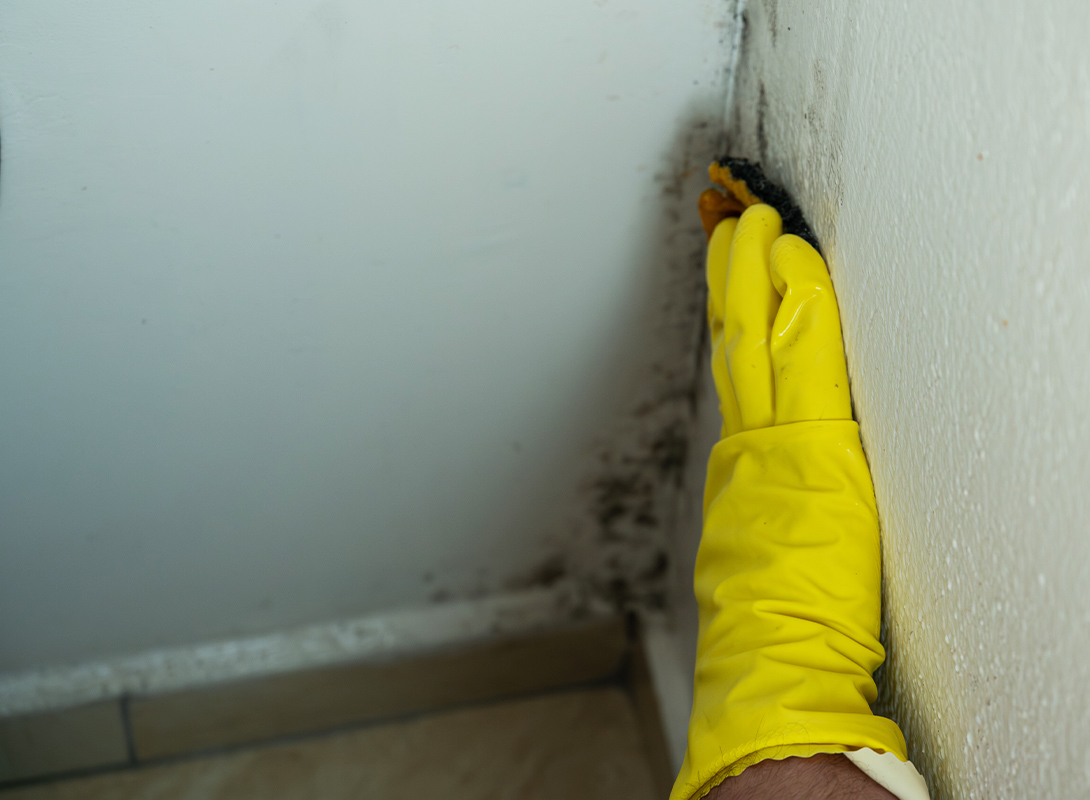
When a boat sits idle for months, trapped humidity and poor ventilation create the perfect breeding ground for mold and mildew. These hidden invaders don’t just leave a musty smell. They also can stain upholstery, damage electronics, and compromise your boat’s resale value.
That’s why every boater, from weekend cruisers to full-time liveaboards, needs a solid moisture control plan before laying up for the season. With the right cleaning, ventilation, and storage strategies, you can store your boat confidently knowing it’ll be fresh and ready to launch again.
In this guide, Defender’s marine experts share ways to stop mold before it starts. You’ll learn how and where mildew forms, how to control humidity in different climates, and which products make the biggest difference in off-season storage. So whether your boat spends the winter shrink-wrapped, in dry dock, or on a trailer, this is your go-to plan to stay mold-free until spring.
Why Mold Prevention Matters
Moisture may seem harmless at first, but when it’s sealed inside a boat for the winter, it becomes one of the most destructive forces onboard. Mold and mildew thrive in dark, stagnant air, feeding on organic materials like canvas, upholstery, and even wood trim. Over time, they can degrade surfaces, ruin finishes, and create odors that linger long after spring launch.
And the problem goes beyond appearances. Trapped humidity can also infiltrate electrical systems and corrode wiring, terminals, and battery connections. Once corrosion starts, it’s difficult to reverse, and replacement costs can add up quickly. (See our Battery Storage Guide for best practices on protecting your electrical systems.)
Ignoring moisture control also makes spring commissioning a lot harder and more expensive. Instead of quick prep and a clean start, you’re faced with mildew-stained fabrics, musty lockers, and damp gear that needs deep cleaning or replacement. A few preventive steps now can save hours of labor and hundreds of dollars come spring.
How Mold Forms During Storage
Mold and mildew form when three elements come together: moisture, warmth, and still air. Once these conditions exist, spores can grow on any porous or organic surface, from vinyl seats and headliners to the inside of lockers and life jackets. Even trace amounts of leftover moisture from end-of-season washdowns or rain can fuel growth once the boat is sealed up for winter.
What makes winter storage tricky is that boats are designed to be watertight, not airtight. With covers, shrink wrap, and closed hatches, air circulation drops to nearly zero. Over time, trapped humidity condenses on cool surfaces, especially when outside temperatures fluctuate.
Steps to Prevent Mold and Mildew
Preventing mold during winter storage starts long before the cover goes on. The key is removing as much moisture as possible, then keeping airflow and humidity in check throughout the off-season. Every step you take now, from cleaning to ventilation, makes a measurable difference once temperatures drop and your boat sits idle.
Step 1. Clean & Dry Thoroughly Before Storage
A clean, dry surface is your first line of defense against mold and mildew. Dirt, salt, and organic residue all trap moisture and provide a food source for mold spores. Taking the time to wash, dry, and treat your boat before it’s stored will dramatically reduce the risk of mildew growth through the winter.
Wash and dry all decks, bilges, lockers, and upholstery
Start by removing any dirt, salt, or organic residue that mold feeds on. Use a marine-safe soap and pay special attention to hidden areas like under cushions and inside compartments. Rinse thoroughly and let everything air-dry before sealing the boat for storage.
Use marine mildew removers
Before stowing gear, treat high-risk surfaces with a marine mildew remover or multipurpose cleaner designed for vinyl and fiberglass. These products not only kill existing spores but also leave behind a protective barrier that will prevent other spores taking hold.
Dry cushions and canvases before stowing
Cushions, Bimini tops, and canvas enclosures should be completely dry before packing away. Even a small amount of trapped moisture can create mildew spots that spread through the fabric during storage. If possible, store soft goods indoors or in breathable storage bags.
Wipe down wood surfaces with mild vinegar or specialized marine cleaner
Wood trim and cabinetry are especially prone to mildew growth. A 50/50 vinegar solution or a gentle marine wood cleaner can neutralize spores without damaging varnish.
Step 2. Choose the Right Storage Setup
Even the cleanest boat can develop mold if it’s stored in the wrong conditions. The type of storage you choose determines how much air circulates and how much moisture gets trapped. Selecting the right setup for your region and budget is one of the most effective ways to prevent mildew before it starts.
Indoor heated storage
Whenever possible, store your boat in a temperature-controlled environment. Warm, dry air keeps humidity low and prevents condensation from forming on metal, wood, or upholstery. While it’s the most expensive option, it offers the best long-term protection.
Covered outdoor with ventilation
If indoor storage isn’t available, use a well-fitted, breathable cover that allows air to circulate. Add venting poles or mesh vents to prevent condensation buildup under the cover. And keep cockpit drains clear to stop water pooling after rain or melting snow.
Shrink-wrap with venting poles
Shrink-wrapping can protect from the elements, but without venting, it can trap moisture inside. Always include ventilation ports or moisture vents under the wrap to allow airflow. Combine this setup with moisture absorbers inside the cabin for best results.
Apply mildew-resistant sprays or protectants
Before covering, apply a mildew-resistant treatment to all fabric and canvas surfaces. These products create an invisible, protective barrier that helps repel moisture and prevent mold spores from taking hold during long-term storage. For best results, apply the treatment after a thorough cleaning and allow surfaces to dry completely before covering the boat for winter.
Treat canvas, vinyl, and headliners
Spray vinyl seating, helm chairs, and cabin liners with a marine fabric protectant to prevent microbial growth. These high-touch, high-moisture areas are especially prone to mold, particularly in damp or coastal climates where humidity lingers year-round. Applying a protectant not only helps prevent mildew stains but also keeps surfaces looking newer and easier to clean come spring.
Step 3. Improve Airflow
Airflow is one of the most overlooked yet critical elements of mold prevention. Stale, stagnant air allows condensation to form and creates the perfect environment for mildew to spread. By promoting continuous ventilation (especially when your boat is sealed up) you’ll significantly reduce moisture buildup and musty odors.
Install solar or DC cabin fans
Air movement is your best defense against stale, damp air. Solar or 12V fans can be mounted in companionways or vents to keep air circulating, even in closed storage. They’re low-draw, easy to install, and help prevent that musty cabin smell.
Crack lockers and compartments slightly
Leave interior lockers, drawers, and hatches open a few inches to prevent trapped air pockets. This simple step allows natural airflow and keeps surfaces drier. Just make sure any contents are clean and dry before closing up.
Use breathable covers, not tarps
Plastic tarps trap moisture and create condensation. Over time, that trapped moisture can lead to mildew growth, water staining, and even corrosion on metal surfaces. Instead, use a marine-grade breathable cover that shields your boat from rain and snow while allowing humid air to escape naturally.
Step 4. Control Humidity
Even the best cleaning and ventilation won’t help if humidity levels stay high. Mold can begin growing at just 60% relative humidity (which is a common level in enclosed cabins). So monitoring and managing humidity throughout the winter is the final stage of an effective mold prevention strategy.
Place moisture absorbers and dehumidifiers throughout the cabin and lockers
Set up moisture absorbers in key areas, such as under bunks, in the galley, and near electronics. In damp climates, consider a low-wattage marine dehumidifier to maintain optimal humidity levels.
Check mid-season if accessible
If your boat is stored nearby, open it up mid-winter for a quick inspection. Swap out used moisture absorbers, wipe away any condensation, and confirm vents remain clear. This simple check can prevent small issues from becoming major cleanup jobs come spring.
Regional Mold Prevention Tips
No two storage environments are exactly alike, and that’s especially true across different boating regions. Temperature, humidity, and air circulation all play a major role in how mold forms and spreads. Understanding your local climate allows you to tailor your moisture-control strategy for the best protection through the off-season.
While all boaters should clean, dry, and ventilate before storage, regional adjustments make a big difference. In northern climates, condensation is the biggest threat. In southern and coastal regions, humidity and salt air are the culprits. And in the Pacific Northwest, persistent dampness demands extra vigilance.
Top Defender Products for Mold & Mildew Prevention
The right products make mold prevention easier, safer, and more effective. Defender offers a full range of marine-grade cleaners, dehumidifiers, and ventilation tools designed specifically for boat storage. Whether you’re preparing for a long northern winter or managing year-round humidity in coastal climates, these essentials help you protect your boat and simplify spring commissioning.
| Product Category | Function | Noted Brands |
| Marine Dehumidifiers | Reduce moisture in cabin | Davis, Caframo |
| Moisture Absorbers | Passive humidity control | Star brite, DampRid |
| Mildew Cleaners & Protectants | Prevent stains & odor | 3M, Star brite, Marykate |
| Cabin Fans & Ventilation Kits | Maintain airflow | Caframo, Marinco |
| Breathable Covers | Block debris, allow air flow | Taylor Made, Hygrade |
| Canvas & Fabric Treatments | Mildew and UV protection | 303, Star brite, August Race |
Frequently Asked Questions
Even the most seasoned boaters have questions about keeping moisture and mildew under control during storage. These common questions and expert answers from Defender’s marine team will help you fine-tune your winter prep routine and keep your boat clean, dry, and ready for spring launch.
Yes, even indoor or heated storage can trap humidity that leads to mildew. A small marine dehumidifier or a few passive moisture absorbers help prevent condensation and protect upholstery, wiring, and wood finishes all winter long. By managing humidity year-round, you can avoid the musty odors and surface damage that appear when moisture builds up unseen.
Use a marine-grade mildew remover designed specifically for vinyl and upholstery, such as those from 3M or Star brite. These formulas safely remove stains without damaging stitching or leaving harsh chemical residues behind. Regular cleaning and protective treatments also make future mildew easier to wipe away.
It’s not recommended, since household units aren’t designed for marine environments. They may corrode, overheat, or short-circuit when exposed to salt air or enclosed humidity. Instead, choose a marine dehumidifier built for safe operation and continuous use in confined spaces.
If possible, inspect your boat once or twice throughout the winter months. Look for condensation on windows, damp fabrics, or musty odors that signal trapped humidity. Replacing moisture absorbers and wiping away early signs of mildew can prevent major cleanup jobs in the spring.
A vented cover allows warm, moist air to escape while keeping rain and debris out. Non-vented covers trap humidity and condensation, creating the ideal conditions for mildew growth. For best protection, choose a breathable, vented marine cover designed for winter storage.
Yes, if you have space to store them indoors in a warm, dry area. Removing cushions, curtains, and soft goods prevents mold from forming in enclosed, humid cabins. If you must leave them aboard, make sure everything is completely dry and treated with a mildew-resistant protectant.
Aim to keep your cabin humidity below 60% at all times. At this level, mold spores stay dormant and can’t spread across fabrics or interior surfaces. Using a marine dehumidifier or moisture absorbers makes it easier to maintain stable humidity through the entire off-season.
Protect Your Boat This Winter
Mold and mildew don’t have to be part of your spring routine. With the right prep, products, and a little off-season attention, you can store your boat with confidence and enjoy a cleaner, drier start next season.
Explore Defender’s full range of Winterization & Storage Gear to keep your boat protected all winter long.