
Storm Preparation
Be ready before the storm hits. Whether you own a sailboat, motor yacht, or trailered boat, Defender’s storm prep guide gives you expert tips, free checklists, and the right gear to protect your boat during hurricane season and severe weather events.
- Storm Name : For the Atlantic - TS Melissa
- National Hurricane Center: https://www.nhc.noaa.gov/
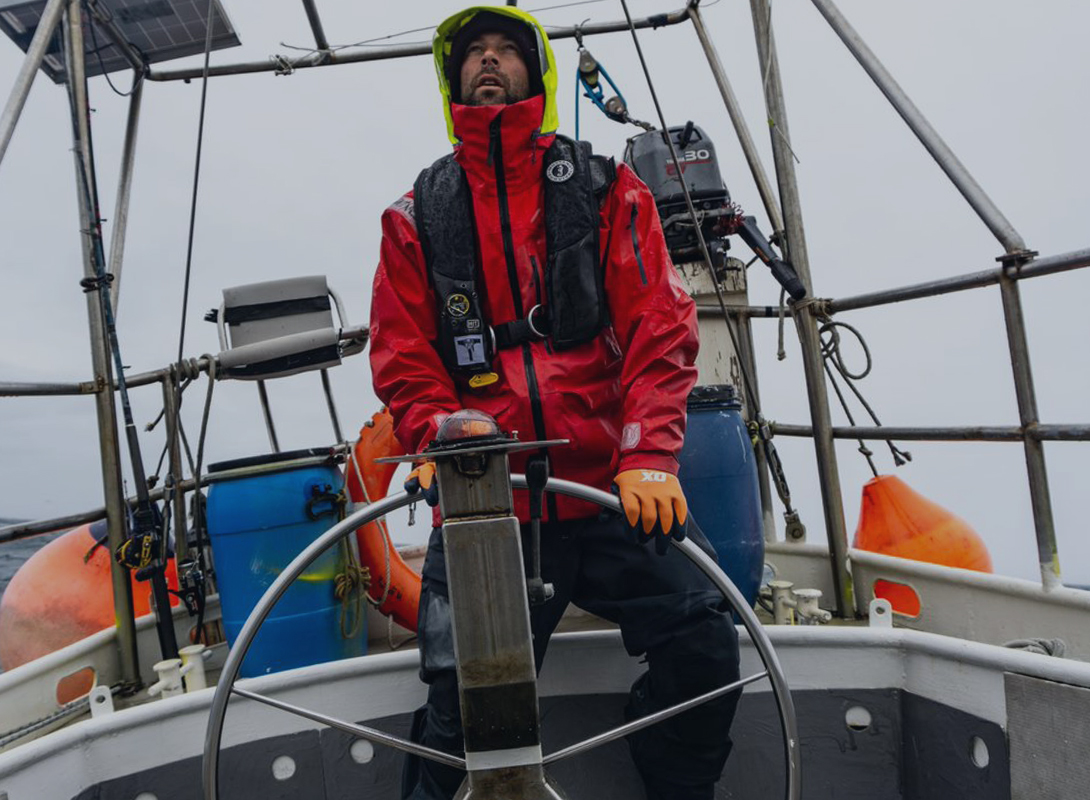
Why Boat Storm Preparation Matters
Hurricanes, tropical storms, and nor’easters can cause devastating damage to boats, yachts, and sailcraft that aren’t properly secured. Preparing your vessel ahead of time not only protects your investment, but keeps you, your family, and your entire boating community safe.
Key steps every boater should take before a storm:
- Monitor weather forecasts continuously.
- Review your insurance policy and storm coverage.
- Create a communication and evacuation plan.
- Photograph your vessel for documentation purposes.
General Storm Prep for All Boaters
Whether you own a trailered rig or a 50-foot cruiser, there are a few storm prep steps that should be followed ahead of a storm or hurricane:
- Secure Loose Gear: Remove or stow electronics, cushions, and valuables.
- Protect Power & Fuel Systems: Disconnect batteries if stored, top off tanks, and secure caps.
- Check Bilge Pumps: Make sure primary and backup pumps are working with clean strainers.
- Double-Check Lines & Covers: Use chafe guards, strong dock lines, and fitted covers.
Storm Prep by Boat Type
Each type of watercraft has its own unique needs in severe weather. Defender has created dedicated storm prep guides for different types of vessels. By following prep steps designed for your vessel type, you’ll greatly increase the chances of your boat riding out the storm safely.
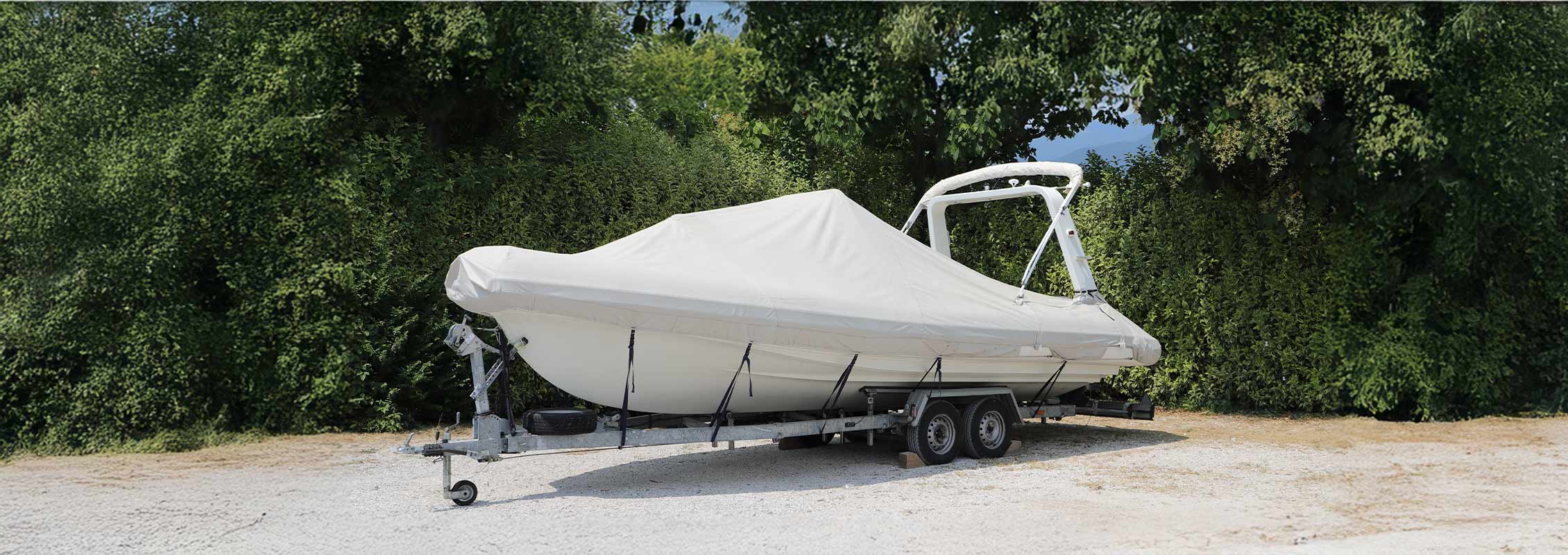
Trailered Boats
Trailered boats can often be moved to safer ground, but even on land they’re vulnerable if not properly secured.
- Move inland or store in a garage if possible.
- Park on high ground away from trees and power lines.
- Block the trailer and secure with wheel chocks.
- Use tie-downs or ground anchors for stability.
Motor Yachts
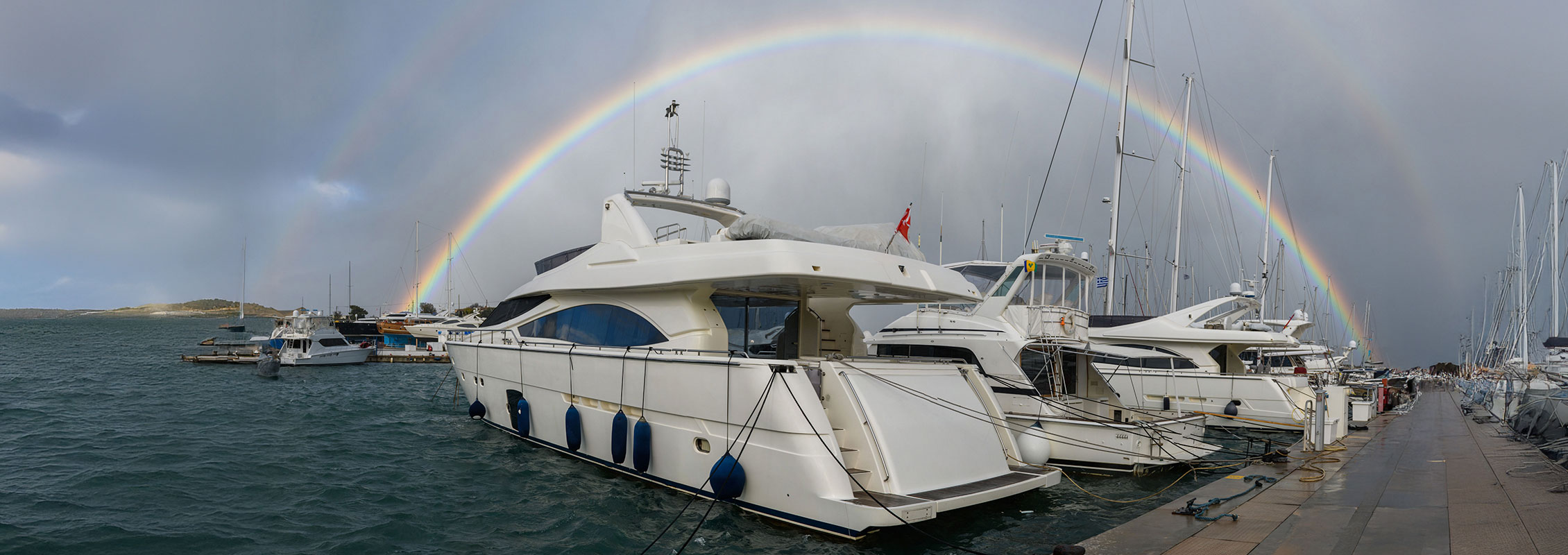
Motor yachts are larger and more complex, with multiple systems and valuable equipment. Their size helps, but tidal surge and wind can still cause serious damage.
- Move to a safe marina or haul-out yard if possible.
- Add extra fenders and long spring lines for surge.
- Secure tenders, jet skis, and canvas.
Sailboats
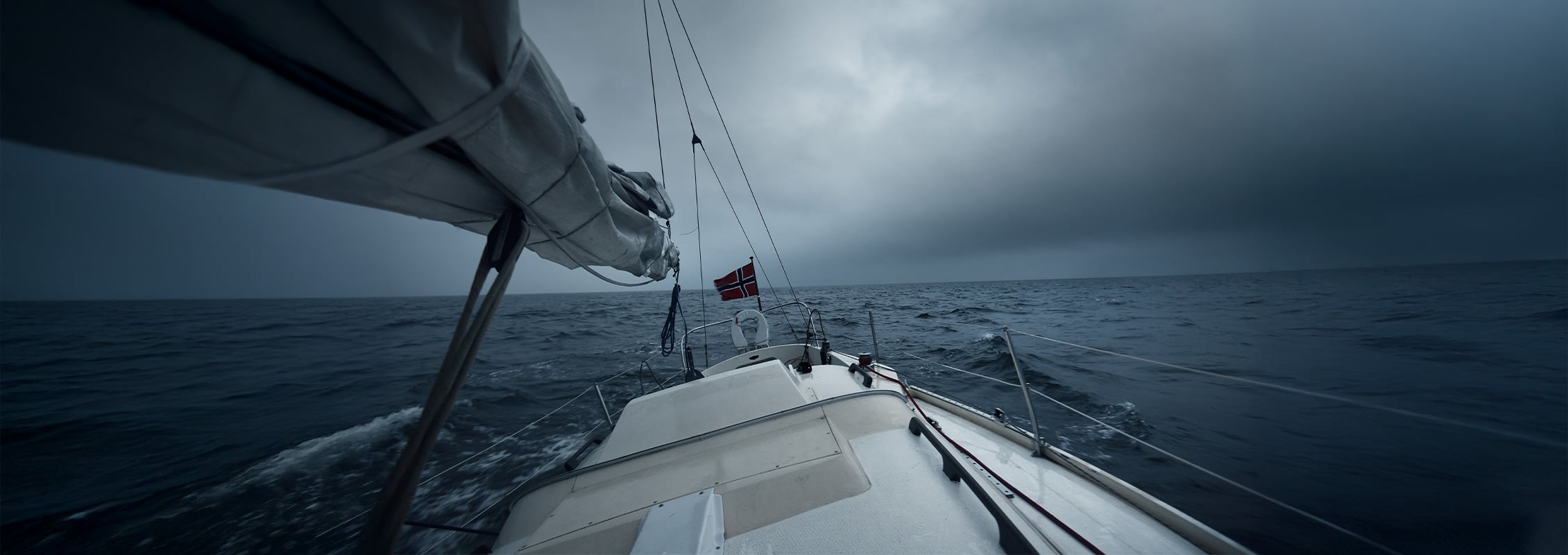
With tall masts and large sail areas, sailboats are especially vulnerable to windage. Reducing exposed surfaces and securing rigging is critical.
Before the storm:
- Remove sails, boom, and canvas dodgers.
- Double all dock lines with chafe protection.
- Use multiple anchors if not docked.
Storm Prep by Region & Season
Storm season looks different depending on where you boat. Tailor your prep to the risks in your area.
Florida
Hurricane season runs June–November. Extra dock lines, fenders, and backup bilge pumps are essential.
Gulf Coast & Southeast
Highest risks of tidal surge. Relocate inland if possible; use strong anchors and secured moorings.
Northeast
Peak between August–October, often with Nor’easters. Many owners haul out early or double up on lines.
Great Lakes
Late-summer storms still pack a punch. Secure vessels early and plan for haul-out before cold weather.
Storm Prep Equipment Spotlight
Having the right gear on hand can mean the difference between safety and costly damage. Stock up before supplies run low.
- Dock Lines & Chafe Guards
- Anchors & Ground Tackle
- Bilge Pumps & Alarms
- Heavy-Duty Boat Covers
- Emergency Power & Radios
Download Free Checklists
Defender’s storm & hurricane checklists break down prep into actionable tasks tailored to different vessels.
FAQs :: Storm & Hurricane Prep
If possible, yes. Boats stored on land away from flood zones have the lowest risk.
Use double lines with extra chafe protection and long spring lines for surge.
Remove sails and halyards, secure rigging, and lash down or remove the boom.
Yes, but only if it’s blocked, chocked, and tied down with anchors or straps.