 Shopping from Canada?
  Go to Defender Canada!



Trailer Boat Storm Preparation Guide
Protect your trailer boat from thunderstorms, hurricanes, and severe storms with Defender’s expert storm prep guide.
Learn how to secure your boat and trailer on land, safeguard your systems, and keep your gear protected — plus get a printable checklist for before and after the storm.
Download the Trailer Boat Storm Prep Checklist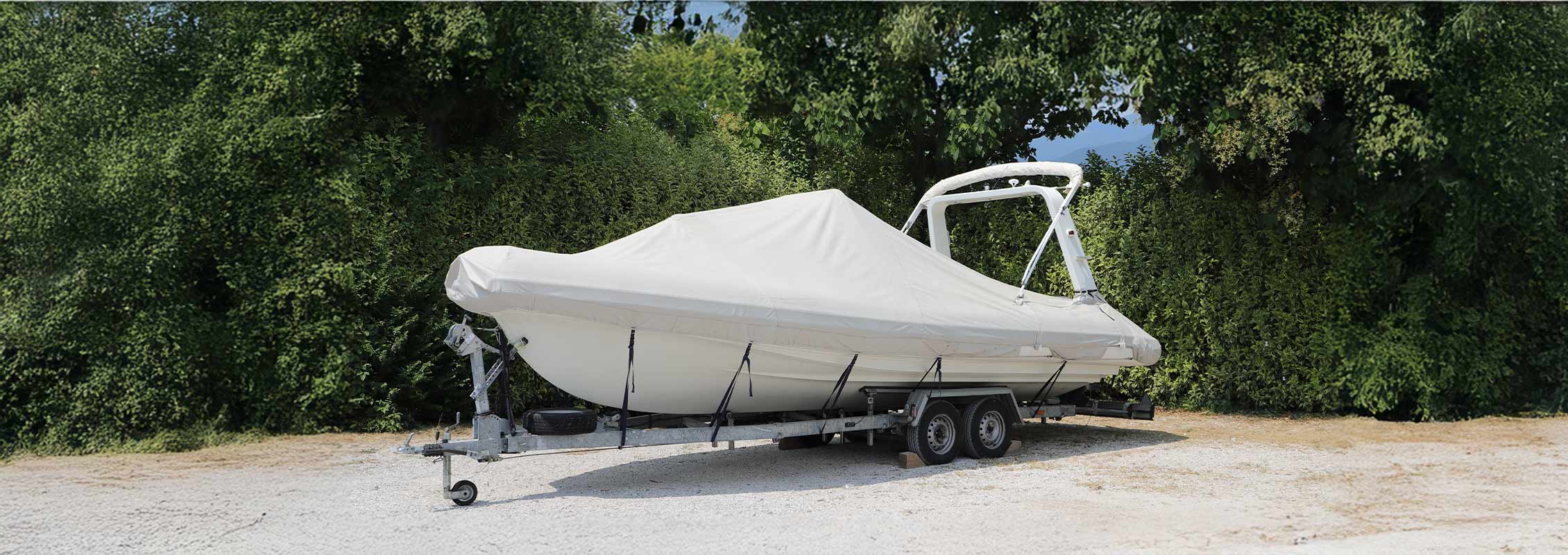
Why Trailer Boats Need Special Attention in Storms
Trailer boats have one big advantage in storm prep: they can often be moved inland or into covered storage. But even on land, they face unique risks from wind, flooding, and shifting trailers. Preparing early helps prevent damage to both your boat and your tow vehicle.
At Defender, we’ve outfitted trailer boat owners for decades with the right equipment and expertise. This guide covers the critical steps to prepare your trailer boat before, during, and after the storm.
Step 1: Prepare Before the Storm Hits
Storm prep starts with the basics: monitoring forecasts, reviewing insurance coverage, and creating a clear storm plan. These universal steps make sure you and your boat are ready to move quickly when severe weather is on the way.
For trailer boat owners, preparation also means thinking about mobility. Unlike larger vessels, trailer boats are often moved inland or into storage — so securing the trailer, checking the tow vehicle, and planning your storage location are critical steps to ensure your boat weathers the storm safely. Key steps should include:
- Monitor Forecasts: Track NOAA and local weather alerts for storm updates.
- Insurance Review: Confirm your policy covers storm and trailer damage.
- Storm Plan: Decide whether to relocate inland, store in a garage, or secure outdoors.
- Vehicle Readiness: Check fuel, tires, and hitch system in case evacuation is needed.
Step 2: Secure Your Trailer Boat on Land
Moving your trailer boat inland or into covered storage is the safest option when storms are approaching. A garage or storage facility protects the hull from wind, falling debris, and flooding while reducing the chance of the boat shifting or overturning.
If outdoor storage is your only option, take extra precautions. Block the trailer securely, use wheel chocks, and tie the boat down with heavy-duty straps or ground anchors. Removing the drain plug and covering the boat tightly will also help protect it from water intrusion and wind damage.
Move Inland or Sheltered Storage
Whenever possible, the safest place for a trailer boat during a storm is out of and away from the water. Relocating inland or into a garage or storage facility greatly reduces the risk of flooding, wind damage, and shifting trailers.
- Choose high ground, away from trees and power lines.
- Store in a garage or covered facility when possible.
Outdoor Storage Tips
If storing indoors isn’t an option, outdoor storage can still be safe with the right precautions. Securing the trailer and protecting the hull from wind and water will give your boat the best chance to withstand the storm.
- Block the trailer and secure it with wheel chocks.
- Use tie-down straps or ground anchors for added stability.
- Remove the drain plug to prevent flooding inside the hull.
Step 3: Protect Boat Systems & Equipment
Even when stored on land, your trailer boat’s systems are at risk from heavy rain, flooding, and power surges. Disconnecting the battery, sealing hatches, and securing fuel tanks are simple steps that can prevent costly damage.
Removing electronics, valuables, and loose gear before the storm is equally important. A heavy-duty cover, tied down securely, will help shield the hull and interior from wind-driven rain and debris. Key steps should include:
- Remove Electronics & Valuables: Store them indoors.
- Battery & Fuel: Disconnect the battery and secure fuel tanks.
- Seal & Dry: Check hatches and compartments, make sure the bilge is dry.
- Covers: Use a heavy-duty cover or tarp, secured tightly to withstand wind.
Step 4: Secure the Tow Vehicle
Your tow vehicle is just as important to storm prep as the boat itself. Keeping it fueled and ready ensures you can move the trailer quickly if conditions change or evacuation becomes necessary.
Before the storm, double-check hitch connections, safety chains, and tire pressure. Storing insurance and registration documents inside the vehicle also makes it easier to handle emergencies or recovery after the storm.
- Ensure your towing vehicle is ready with a full fuel tank.
- Double-check safety chains and hitch connections.
- Keep insurance, registration, and emergency tools in the glove compartment.
Step 5: Document & Communicate
Even with careful preparation, storms can still cause unexpected damage. Taking photos of your boat, trailer, and tow vehicle before the weather hits gives you a record for insurance claims and future repairs.
It’s also smart to share your storm plan with family, crew, or marina staff so someone else knows your boat’s location and status. Keeping emergency contacts and a handheld VHF radio on hand ensures you can stay connected if cell service goes down.
- Photograph your boat, trailer, and vehicle for insurance.
- Keep paperwork (registration, insurance) in a safe place.
- Share your storm plan and contact numbers with family or crew.
Step 6: After the Storm
Once the storm has passed, take your time inspecting both the boat and the trailer before moving or launching. Look for signs of flooding, water intrusion, or shifting that may have stressed the hull or frame.
Document any damage with photos before starting repairs, and check the batteries, fuel systems, and electronics to make sure they are safe to use. Contact your insurance provider promptly if you find issues that require claims or professional repairs.
- Inspect the boat, trailer, and tow vehicle for damage.
- Take photos of any damage before making repairs.
- Check for water intrusion and dry out compartments.
- Test batteries, electronics, and mechanical systems before use.
- Contact your insurance provider if repairs are needed.
Recommended Storm Prep Equipment for Trailer Boats
The right equipment makes storm prep faster and more effective. Stocking up early ensures you’re not scrambling when the forecast turns, and gives you peace of mind knowing your boat and trailer are protected.
Defender recommends every trailer boat owner keep the following on hand:
Download the Trailer Boat Storm Prep Checklist
Storm prep is easier when you have a clear list to follow. Defender’s printable checklist covers each step, from securing your trailer to documenting for insurance, so nothing gets overlooked when the pressure is on.
FAQs: Trailer Boat Storm Prep
(Enable FAQ Schema for SEO)
Yes, if possible. Inland or sheltered storage is the safest option.
Yes, but only if it’s blocked, chocked, and tied down with anchors or heavy-duty straps.
Yes, removing the drain plug prevents water from collecting inside the hull.
Use a fitted heavy-duty cover or tarp, secured tightly against high winds.