 Shopping from Canada?
  Go to Defender Canada!


Guide to the Best Boat Fenders for Protecting Your Hull This Season
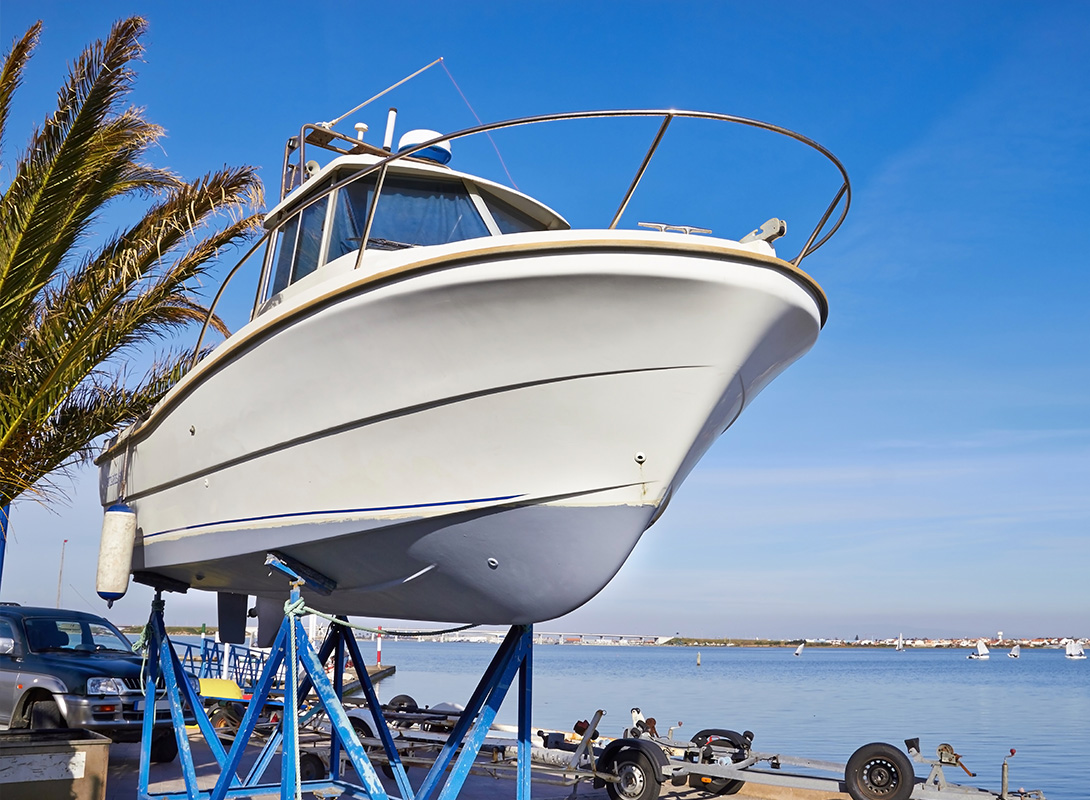
Boat fenders are cheap compared to gelcoat work, dock rash, and the kind of cosmetic damage that adds up fast over a season. The problem is rarely whether a boat has fenders aboard; it is whether the setup is right for the hull, the slip, and the conditions.

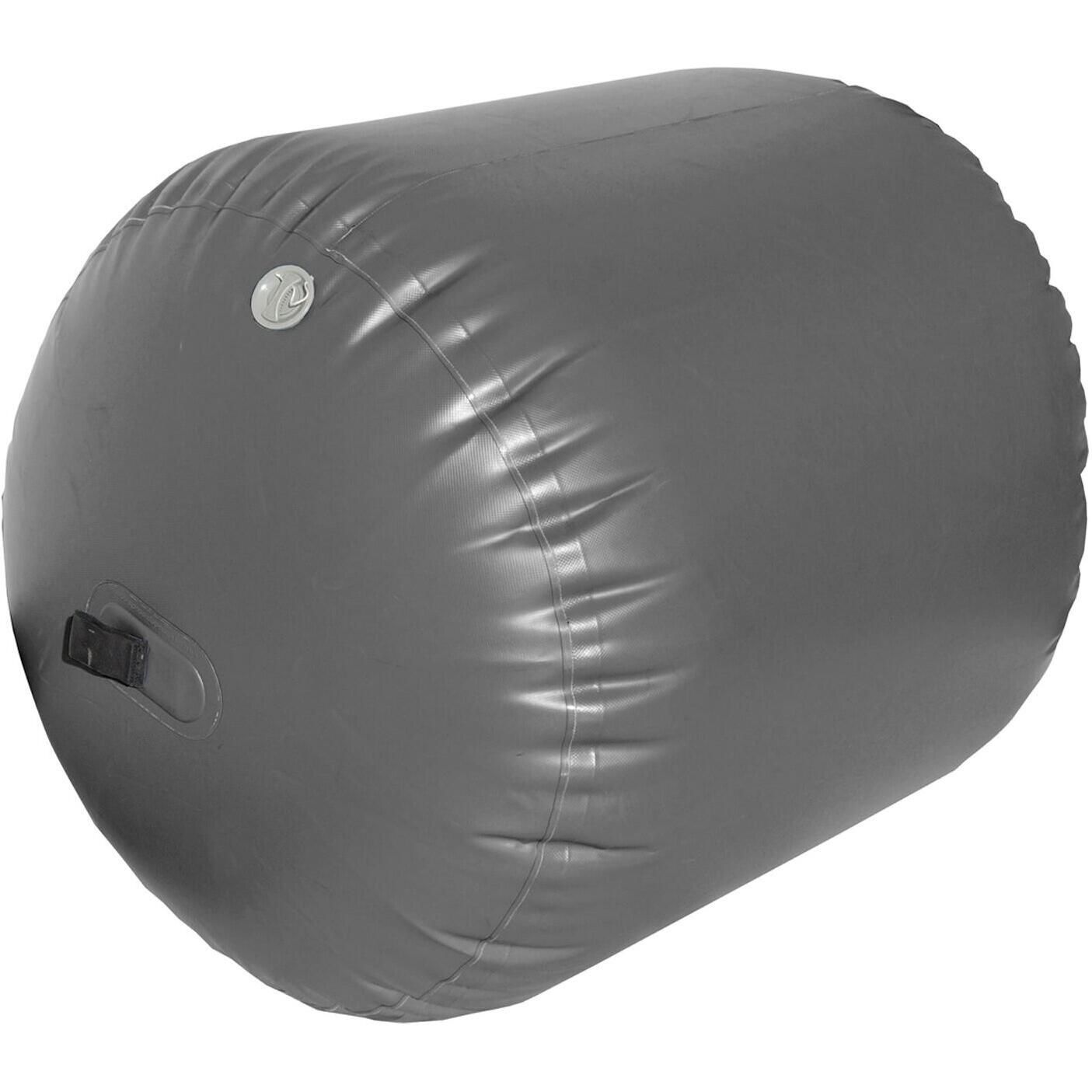
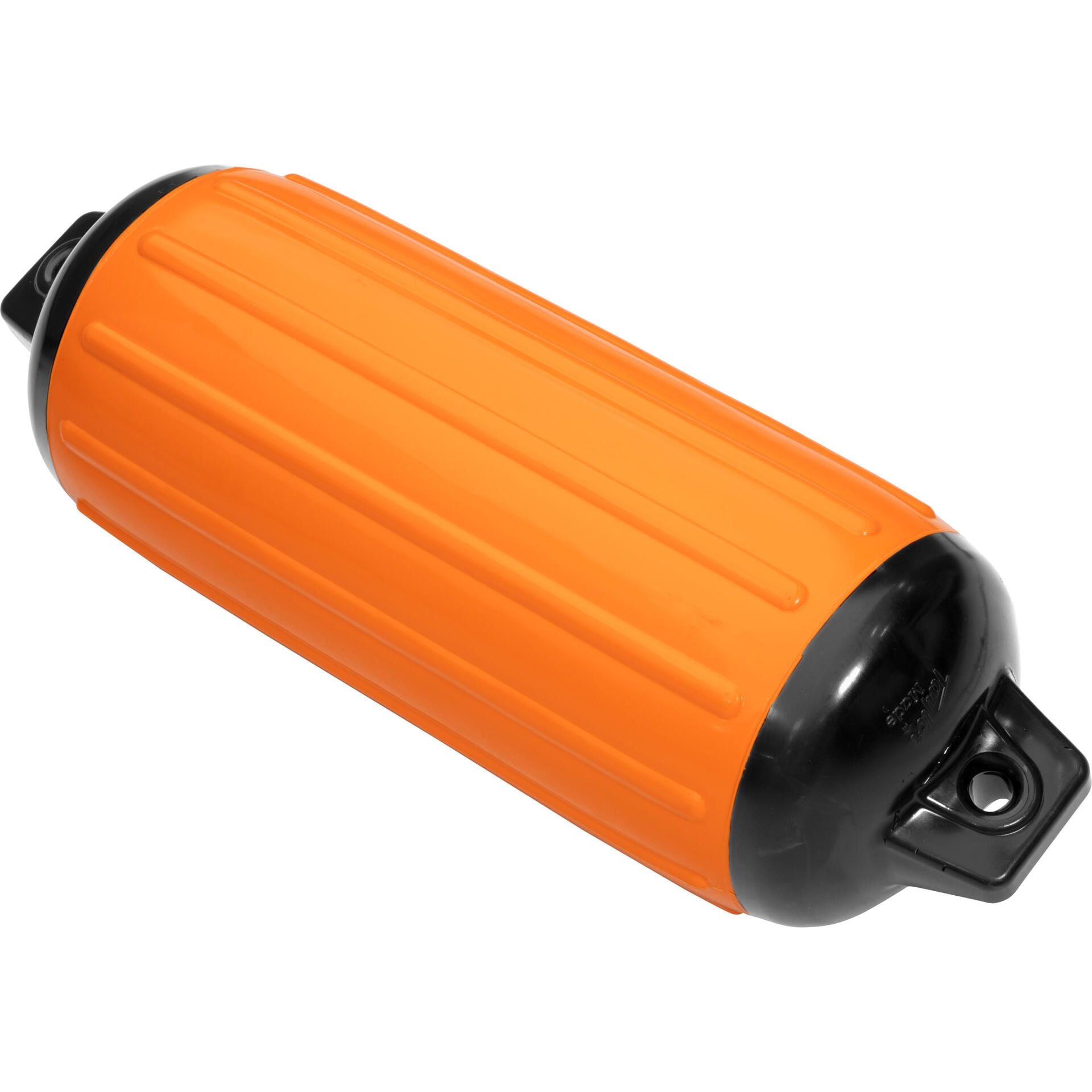
| Fender Type | Best For | Where It Works Best | Pros | Cons |
| Cylindrical fenders (double-eye) & Pass through | Most powerboats and sailboats | Slips, fixed docks, floating docks, general day-to-day docking | Versatile, easy to rig vertically or horizontally, widely available in many sizes, good all-around choice for most boats | Can roll out of position if undersized or hung poorly, less coverage around extreme flare or awkward hull shapes |
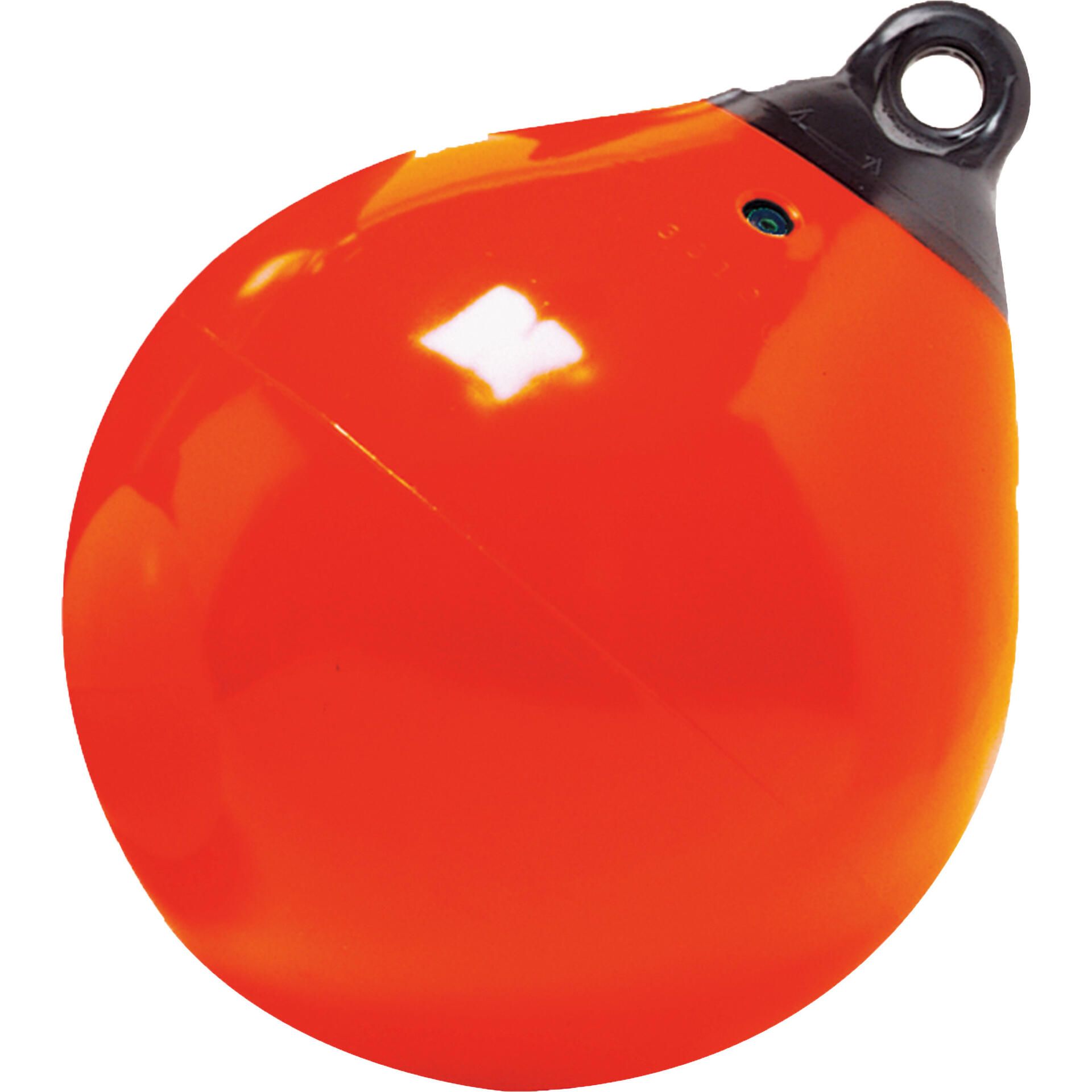
| Round (ball) fenders | Boats with high bow flare, rafting situations, boats that need more stand-off | Piers, pilings, rafting up, spots where extra separation matters | More contact area, strong stand-off from pilings and rough surfaces, useful at the bow and in changing conditions | Bulkier to stow, less convenient for everyday full-length side protection, usually pricier than standard cylindrical styles |
| Low freeboard / specialty fenders | Bass boats, flats boats, smaller performance hulls, low-slung boats | Docks where standard fenders hang too high or do not sit cleanly against the hull | Better fit for lower-profile hulls, helps keep protection where contact actually happens, useful for niche applications | Less universal, may not suit larger boats or mixed docking conditions, often needs more careful size selection |
| Heavy-duty and commercial grade fenders | Offshore boats, larger yachts, commercial vessels, heavier boats with more mass | Exposed docks, rough marinas, larger slips, higher-load contact points | Built for more punishment, thicker walls, better durability, more confidence for heavier boats and tougher use | More expensive, heavier to handle, overkill for many smaller recreational boats |
| Boat Length | Fender Diameter | Fender Length | How Many to Carry |
| 15 to 20 ft | 4.5 to 5.5 in | 16 to 20 in | 3 to 4 |
| 20 to 25 ft | 5.5 to 6.5 in | 20 to 22 in | 4 |
| 25 to 30 ft | 6.5 to 8 in | 22 to 26 in | 4 to 5 |
| 30 to 40 ft | 8 to 10 in | 26 to 30 in | 5 to 6 |
| Situation | Recommended Setup | Why |
| Calm marina docking | Baseline working set | Covers normal contact points in routine conditions |
| Rafting up | Baseline set plus 1 to 2 extra fenders | More movement and more pressure points between boats |
| Storm conditions | Full coverage plus spare fenders ready | Wind, surge, and current expose weak spots fast |
| Accessory | What It Helps With | Best For |
| Fender lines | Keeps fenders secure, adjustable, and properly positioned | Everyday docking, seasonal setup refreshes, replacing worn rigging |
| Fender covers | Reduces hull scuffing and helps protect fenders from UV and wear | Boats kept in slips, frequent docking, owners looking to protect finish |
| Chafe guards | Protects lines from repeated rubbing and wear at contact points | Rough slips, surge, long tie-ups, high-friction hardware |
| Fender boards | Spreads load across rough or uneven surfaces and helps prevent fenders from slipping out | Pilings, fixed docks, heavy boats, exposed conditions |
| Boat Type | What to Prioritize | Best Fender Types | Key Placement Focus |
| Center Console Boats | Versatility, easy handling, enough stand-off for active docking and fishing use | Cylindrical fenders for everyday use, round fenders as needed around pilings or awkward contact points | Beam, aft quarter, and any spot that tends to lean into the dock first |
| Pontoon Boats | Coverage along the side, protection around rails and wide side contact areas | Cylindrical fenders, specialty low-profile options where needed | Main side contact zones along the deck edge and any hard contact near rails or corners |
| Sailboats | Proper coverage for hull shape, flare, toe rails, and changing dock height | Cylindrical fenders for side tie, round fenders for flare and tricky docking angles | Beam, forward quarter, and spots affected by freeboard and tidal swing |
| Cabin Cruisers | More diameter, more coverage, and better protection for heavier hulls | Larger cylindrical fenders, with heavy-duty options for rougher slips | Beam, aft quarter, and the heavier contact zones that load up when the boat shifts |
| Sportfish & Yachts | Heavy-duty protection, stronger stand-off, and enough gear for larger hull mass | Heavy-duty cylindrical fenders, round fenders, and fender boards where needed | Full contact zone coverage, especially around pilings, exposed slips, and high-load areas |
| Boat Type | What to Prioritize | Best Fender Types | Key Placement Focus |
| Center Console Boats | Versatility, easy handling, enough stand-off for active docking and fishing use | Cylindrical fenders for everyday use, round fenders as needed around pilings or awkward contact points | Beam, aft quarter, and any spot that tends to lean into the dock first |
| Pontoon Boats | Coverage along the side, protection around rails and wide side contact areas | Cylindrical fenders, specialty low-profile options where needed | Main side contact zones along the deck edge and any hard contact near rails or corners |
| Sailboats | Proper coverage for hull shape, flare, toe rails, and changing dock height | Cylindrical fenders for side tie, round fenders for flare and tricky docking angles | Beam, forward quarter, and spots affected by freeboard and tidal swing |
| Cabin Cruisers | More diameter, more coverage, and better protection for heavier hulls | Larger cylindrical fenders, with heavy-duty options for rougher slips | Beam, aft quarter, and the heavier contact zones that load up when the boat shifts |
| Sportfish & Yachts | Heavy-duty protection, stronger stand-off, and enough gear for larger hull mass | Heavy-duty cylindrical fenders, round fenders, and fender boards where needed | Full contact zone coverage, especially around pilings, exposed slips, and high-load areas |