 Shopping from Canada?
  Go to Defender Canada!



Hurricane Prep: Securing Your Boat at the Dock
When a hurricane is approaching, every minute counts. And for boaters who must leave their vessels in the water, preparation can mean the difference between minor damage and a total loss.
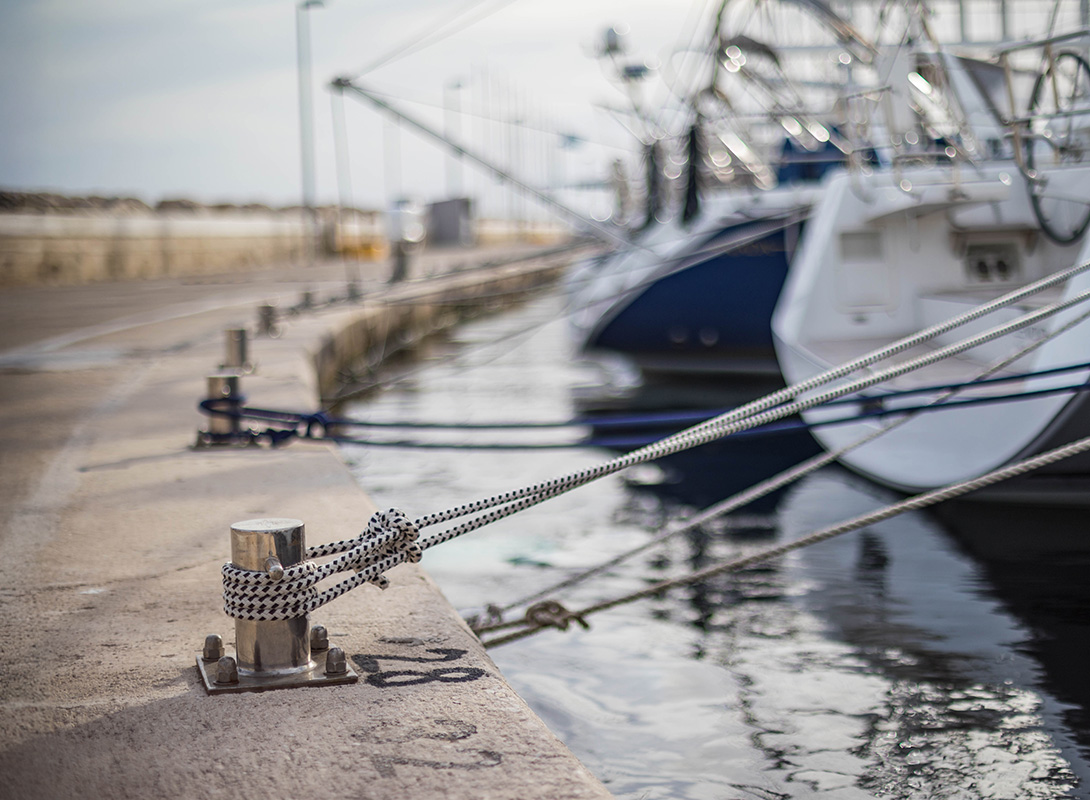
Securing your boat at the dock isn’t just about tying extra lines. It’s about understanding how wind, surge, and chafe forces work together during a storm.
Whether you own a powerboat, sailboat, or liveaboard, these steps will help you stay ready and confident through hurricane season. From configuring storm-ready dock lines to reinforcing fenders, bilge pumps, and electrical systems, this is your complete plan for in-water hurricane prep.
Step 1: Prepare Early and Monitor Conditions
Hurricane preparation begins long before the first storm forms on the radar. The earlier you plan and stage your dock setup, the better chance you have of avoiding last-minute mistakes that can cost thousands in damage.
Start by creating a storm plan for your boat and reviewing your marina’s emergency procedures. Identify where your vessel will be safest, whether that’s at your home slip, a nearby hurricane hole, or hauled out if conditions worsen.
Keep an eye on trusted weather sources like NOAA and the National Hurricane Center for official advisories. Set mobile alerts for tropical storm warnings in your area and act as soon as watches are issued. Don’t wait till the winds are already rising.
Pre-Storm Preparation Checklist:
- Confirm your marina’s hurricane plan and emergency contact list.
- Review your insurance policy and take photos of your boat and gear.
- Stock up on extra dock lines, chafe guards, and fenders early in the season.
- Check bilge pumps, batteries, and backup power sources for reliability.
- Prepare a “go bag” with keys, documents, and essential tools.
- Make a checklist of items to remove (electronics, canvas, valuables).
Suggested Gear
Step 2: Configure Your Dock Lines for Storm Surge
As storm surge lifts and lowers the water level, dock lines must flex without failing. A secure setup balances strength and elasticity. It should be strong enough to hold the boat in place, but with enough give to absorb shock from wind and waves.
Use longer lines than usual and run them at shallow angles to allow your boat to rise and fall with the surge. Doubling your lines, crossing spring lines, and using proper chafe protection will reduce strain on cleats and pilings during peak wind conditions.
Nylon three-strand lines are ideal for their stretch and shock absorption. Avoid stiff or old lines that have lost elasticity, and inspect every splice and cleat for wear before the storm hits.
Dock Line Configuration Tips
- Use double lines on all bow, stern, and spring positions.
- Run long spring lines at wide angles to accommodate surge.
- Add chafe guards where lines cross fairleads, pilings, or rough surfaces.
- Secure cleats and chocks with backing plates if possible.
- Attach lines high on pilings to allow for rising water levels.
- Consider snubbers or mooring compensators to absorb shock loads.
- Keep lines free of sharp bends or contact points that may weaken them.
Suggested Gear
Step 3: Fendering & Impact Protection
Even the best dock line setup won’t prevent damage if your boat slams against the dock or neighboring vessels. During hurricanes, high winds and surge can shift boats unpredictably, making proper fendering your first line of defense against impact damage.
Positioning and spacing are critical. Fenders should be large enough to absorb heavy movement and placed where your hull might make contact as water levels rise or fall. If your dock allows, adding fender boards will distribute the pressure across multiple points and protect against pilings.
Inflatable fenders offer flexibility, while heavy-duty cylindrical or ball-style fenders provide more shock absorption for larger boats. And don’t rely on old, sun-baked fenders. They’ll be brittle, and should be replaced before the storm season starts for maximum protection.
Fendering Tips
- Use large fenders on both the dock side and between neighboring boats.
- Space fenders evenly and adjust their height for expected surge levels.
- Secure fenders with extra lines or straps to prevent shifting in high winds.
- Add fender boards to protect against pilings or rough dock surfaces.
- Inflate fenders properly; underinflation reduces shock absorption.
- Check for UV cracks or worn lines before every storm season.
Suggested Gear
Step 4: Secure Onboard Systems
Once your boat is tied properly, your next priority is ensuring onboard systems are safe, sealed, and powered down. Electrical shorts, loose fuel lines, and open thru-hulls are common causes of post-storm damage that can be prevented with a thorough inspection.
Before the storm arrives, disconnect shore power and secure all electrical cords. Close seacocks and vents, empty holding tanks, and confirm that bilge pumps and float switches are fully operational with charged batteries or backup power.
Onboard System Prep Tips
- Disconnect shore power and stow cords above potential flood levels.
- Test all bilge pumps and float switches; keep spares ready.
- Close seacocks, vents, and through-hulls to prevent backflow.
- Secure or remove portable fuel tanks and propane bottles.
- Check that batteries are fully charged and tied down securely.
- Photograph systems and serial numbers for insurance records.
Suggested Gear
Step 5: Reduce Windage
Reducing windage is one of the most effective ways to protect your boat during a hurricane. Every exposed surface (such as canvas, sails, dinghies, deck chairs, etc.) adds drag and increases the risk of lines or hardware tearing free.
Start by removing or securely stowing anything that can catch the wind. Sails should be tightly furled and covered, canvas biminis taken down, and loose items like coolers, cushions, and fishing gear stored below deck or ashore.
If you have a dinghy or outboard motor, secure them with additional tie-downs or remove them entirely. The goal is to make your boat as streamlined and storm-ready as possible, minimizing anything that can flap, shift, or rip away under pressure.
Windage Reduction Tips
- Remove sails, biminis, and dodgers; stow them below if possible.
- Lash or remove dinghies, outboards, and portable fuel tanks.
- Store deck gear, cushions, and electronics below deck or ashore.
- Double-check that all hatches, ports, and lockers are locked tight.
- Remove or secure antennas, radar mounts, and canvas covers.
- Tie off halyards away from the mast to prevent chafing and noise.
Suggested Gear
Step 6: Protect Interior & Documentation
Even if your boat weathers the storm structurally, water intrusion can cause costly interior damage. Protecting the inside of your vessel and safeguarding critical documentation ensures a smoother recovery process after the storm.
Before the weather deteriorates, remove all valuables, electronics, and important papers from the cabin. Seal compartments and lockers where possible, and store cushions, bedding, and gear in watertight containers or take them off the boat entirely.
It’s also essential to document your vessel’s condition before the storm hits. Take time-stamped photos of the hull, deck, and interior, and back them up digitally. These records can be invaluable for insurance claims or marina assessments afterward.
Interior & Documentation Protection Tips
- Remove portable electronics, tools, and personal items from the cabin.
- Seal lockers, drawers, and hatches with waterproof tape or plastic wrap.
- Store soft goods like cushions and bedding in dry bags or ashore.
- Take detailed, time-stamped photos of your vessel and systems.
- Back up navigation data, serial numbers, and insurance documents.
- Elevate any remaining onboard electronics to prevent water damage.
Suggested Gear
Step 7: After the Storm
When the storm has passed, patience and caution are key. Even if conditions seem calm, hidden hazards such as downed power lines, submerged debris, or fuel leaks can pose serious risks at marinas and docks.
Do not attempt to board your vessel until local authorities declare it safe to return. Approach slowly, wearing proper safety gear, and document everything with photos before making any repairs or adjustments to lines and systems.
Once aboard, check for water intrusion, structural damage, and electrical faults. And before restarting the engines or restoring power, confirm that the bilge pumps are clear, batteries are dry, and fuel and electrical systems are intact to avoid further damage.
Post-Storm Inspection Tips
- Wait for official clearance before entering the marina or dock area.
- Wear gloves, boots, and a PFD when inspecting your vessel.
- Look for signs of fuel leaks, electrical shorts, or dock instability.
- Document all visible damage with photos and notes for insurance claims.
- Pump out standing water and ventilate the cabin to prevent mildew.
- Test bilge pumps, electrical panels, and steering before restarting engines.
- Contact your insurance provider before making major repairs.
Suggested Gear
Recommended Hurricane Prep Equipment
Having the right gear on hand before hurricane season starts can make all the difference in protecting your boat. Each item on this list plays a critical role in reducing damage from wind, surge, and debris.
Stock up early. Supplies often run low once storms appear in the forecast.
Defender carries a wide range of proven, boater-tested storm prep equipment designed to perform when the weather turns rough. From heavy-duty dock lines to waterproof storage and bilge systems, every product category below supports a key step in your hurricane readiness plan. Explore these essentials to strengthen your boat’s defenses, minimize downtime after the storm, and give yourself peace of mind knowing your vessel is as secure as possible.
Dock Lines & Chafe Gear
Strong, flexible lines are your boat’s lifeline during a hurricane. Choose premium nylon three-strand or double-braid lines sized appropriately for your vessel. Add chafe guards and snubbers to prevent friction damage and absorb shock from heavy surge. Shop Dock Lines | Shop Chafe Gear
Fenders & Fender Boards
Protect your hull from impact with large, well-positioned fenders. Pair cylindrical or ball fenders with fender boards to spread contact points along pilings and neighboring boats. Shop Fenders | Shop Fender Boards
Bilge Pumps & Backup Power
Reliable bilge systems can keep your boat afloat when heavy rain and leaks occur. Ensure your pumps, float switches, and backup batteries are functional and rated for your boat’s size. Shop Bilge Pumps | Shop Battery Chargers
Sealants & Marine Tape
Water intrusion is one of the most common post-storm issues. Use marine-grade sealants and waterproof tape to close vents, hatches, and seams before the storm arrives. Shop Sealants | Shop Marine Tape
Safety & Emergency Gear
After the storm, you’ll need reliable safety equipment for inspection and cleanup. Keep PFDs, gloves, waterproof flashlights, and first-aid supplies on board or in your vehicle. Shop Safety Gear | Shop Rescue Lighting
Moisture Control & Interior Protection
Post-storm humidity and leaks can quickly lead to mildew and corrosion. Use dehumidifiers, desiccant packs, and moisture absorbers to preserve your boat’s interior and electronics. Shop Dehumidifiers | Shop Storage Solutions
Regional Hurricane Prep Tips
From long-duration surges in the Gulf to steep wind fetches along the Northeast, every coastal region faces different hurricane challenges. Understanding your local conditions allows you to tailor your hurricane prep strategy for maximum safety and effectiveness.
Below are region-specific recommendations designed to help boaters adapt the Defender hurricane prep plan to their home waters. Use these insights to fine-tune your dock line configuration, fender placement, and evacuation timing based on where you keep your vessel.
No matter your location, early preparation and reliable gear are universal. Combining Defender’s hurricane equipment with localized knowledge ensures the strongest defense against whatever the season brings.
Florida & Gulf Coast
Warm waters and shallow coastal zones mean longer storm surges and higher sustained winds. Boats in this region should prioritize line length, chafe protection, and flexible dock arrangements to manage extreme water level changes.
Regional Tips
- Use extra-long spring lines with generous slack for high surge levels.
- Double up on chafe guards and snubbers to handle prolonged wind loads.
- Inspect dock pilings and cleats for rot or corrosion before the season.
- Remove all canvas, dinghies, and light gear to minimize sun and wind damage.
- Consider hauling out smaller vessels if surge forecasts exceed 8 feet.
Northeast & Mid-Atlantic
Hurricanes in this region often merge with cold fronts, creating unpredictable wind shifts and heavy rain. Storm prep here focuses on securing for rapid changes in direction and heavy debris impact from strong gusts.
Regional Tips
- Cross spring lines to allow for variable wind directions.
- Add fender boards to protect against rough pilings and dock edges.
- Ensure cockpit drains and scuppers are clear before the storm hits.
- Inspect dock hardware and replace any rusted or undersized fasteners.
- Keep a dehumidifier or desiccant onboard for post-storm moisture control.
Great Lakes & Inland Waters
While hurricanes rarely reach full strength inland, remnants can bring gale-force winds, surges, and heavy rainfall. Great Lakes boaters should prepare for short but intense conditions and secure gear for both wind and flooding.
Regional Tips
- Check bilge systems and ensure pumps are ready for heavy rainfall.
- Add chafe protection to lines—freshwater docks can have rougher hardware.
- Remove or stow lightweight gear to prevent damage from short gusts.
- Monitor local marinas and USCG advisories for low-pressure alerts.
- Use extra fenders and wide line angles to prevent hull scuffing in chop.
Download Free Hurricane Prep Checklist
Hurricane season can be unpredictable, but your prep doesn’t have to be. Stay ahead of the storm with Defender’s free, printable Hurricane Prep Dockside Checklist, built from decades of boating experience and real-world storm response.
This easy-to-follow list covers every step: from configuring dock lines and securing onboard systems to safeguarding your interior and documentation. Whether you own a sailboat, motor yacht, or trailer boat, you’ll have a clear, actionable plan to protect your vessel before, during, and after severe weather.
Get your free checklist today and join thousands of boaters who trust Defender to keep them storm-ready all season long. Once downloaded, you’ll also receive exclusive storm prep tips, regional alerts, and early access to seasonal savings on essential hurricane gear.