 Shopping from Canada?
  Go to Defender Canada!



Top Fishfinder Upgrades for Offshore Anglers in 2026
Offshore fishing doesn’t forgive blurry returns, slow refresh rates, or a screen that washes out the second the sun comes up. If you’re running beyond the inlet, your fishfinder isn’t just a “nice to have”. It’s part of how you get on fish and get home clean.
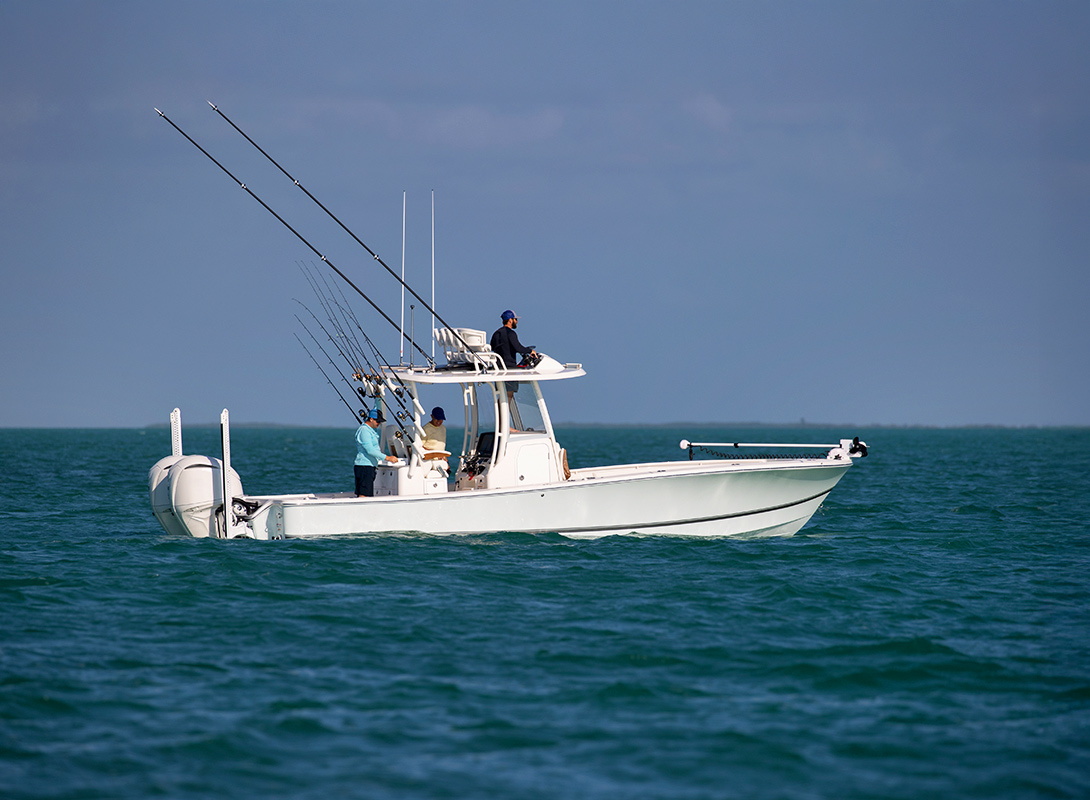
In 2026, the biggest gains aren’t from flashy new features. Rather, they’re quicker sonar processing, sharper transducers, and cleaner installs that actually let your electronics do their job. Upgrade the right pieces and you’ll see tighter bait balls, better bottom separation, and require fewer guesses.
Offshore anglers also now have more upgrade paths than ever, from transducers and display tech to networking and power cleanup. So in 2026 it’s important to know what categories of fishfinder upgrades shine the brightest, and you’ll find a tool that punches way above its weight.
Why Offshore Anglers Are Upgrading Fishfinders in 2026
Deeper water, faster boats, and heavier fishing pressure have raised the bar offshore. When the run is longer and the marks are tighter, a slow or fuzzy sounder turns into wasted time and fuel.
Older units fall short because they struggle to separate targets in deep water, keep bottom lock at speed, and cut through interference from other electronics. The result is cluttered returns, missed bait, and a screen that looks busy without telling the whole truth.
There’s also a safety and efficiency angle that gets ignored until it matters. Cleaner sonar, better charts, and more accurate radar help avoid surprises, while clearer data shortens the search and makes the run home less stressful.
The Biggest Fishfinder Technology Advances in 2026
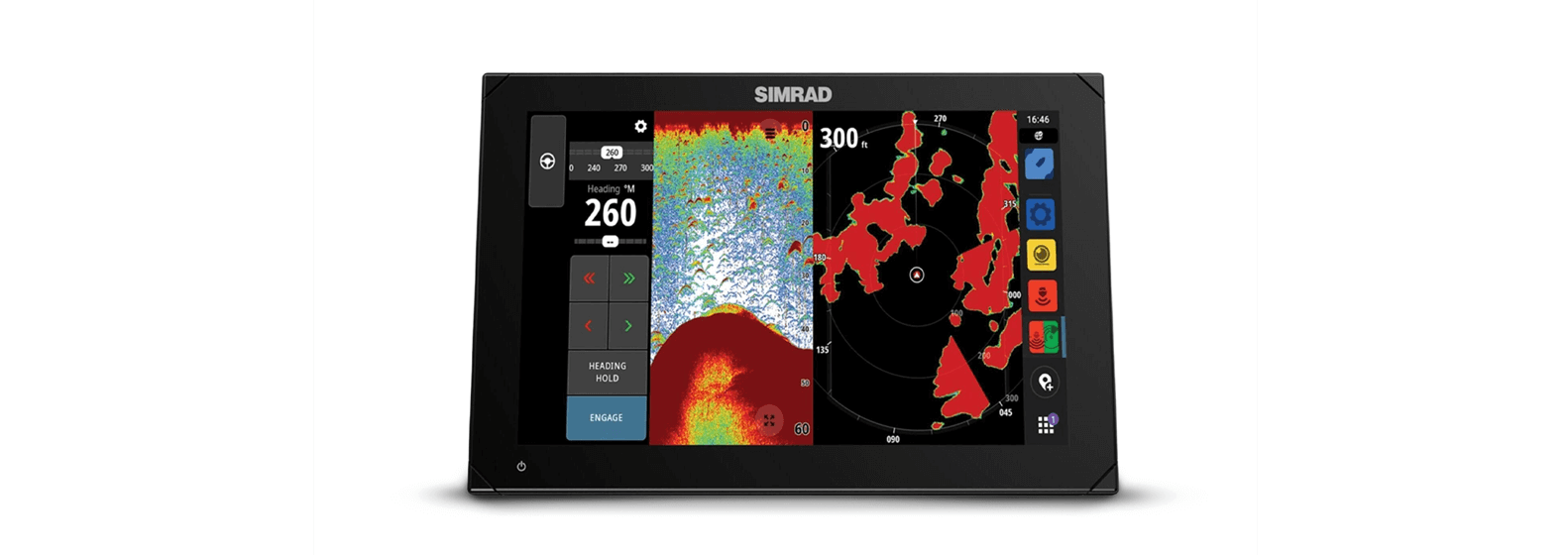
Fishfinder upgrades in 2026 are less about “new toys” and more about solving the same offshore problems with better tools. Sonar has gotten cleaner in deep water, live/forward views have crept further offshore, and displays have gotten brighter and easier to run at speed. Add tighter networking between sonar, charts, radar, and autopilot, and the right setup starts feeling like one system instead of a pile of parts.
Ultra-High Frequency CHIRP for Deep Water
Since 2023, higher-frequency CHIRP options have become more usable offshore because processing has improved and transducer lineups have expanded. The result is less smear and better target separation when the water gets deep - at times when the screen historically would have turned into a snowstorm.
Beyond 500 feet, the payoff is not just “seeing deeper,” it is seeing cleaner. Better definition helps to separate bait from gamefish, hold bottom more reliably, and keep marks readable when speed and sea state are working against you.
Forward-Facing & Live Sonar Offshore
Forward-facing and live sonar systems aren’t just tools for bass fishing anymore. Modern live sonar can help offshore anglers track bait schools, watch pelagic species move through the water column, and fine-tune positioning when slow-trolling, chunking, or targeting structure in relatively shallow bluewater.
That said, live sonar doesn’t make sense for every offshore application. It shines in controlled scenarios (such as reefs, wrecks, and nearshore structure) but offers less value at high speeds, extreme depths, or when traditional CHIRP and side-scan already provide clearer, more efficient coverage.
Larger, Brighter MFD Displays
Bigger, brighter MFDs matter offshore because sunlight and spray are constant, and a dim screen becomes a liability. Modern panels are easier to read at odd angles, and touch plus keys gives options when hands are wet or gloved.
Split-screen is where the upgrade pays for itself offshore. Running sonar, chart, and radar together without squinting reduces head-down time and cuts the “menu diving” that wastes minutes when the bite window is short.
Networked Systems & Integration
A networked helm ties radar, sonar, charts, and autopilot together so data flows instead of getting trapped in one box. That means shared waypoints, consistent chart sources, better situational awareness, and fewer workarounds when something needs to talk to something else.
Brand ecosystems matter because “networked” is not always “compatible.” That’s why staying inside one manufacturer’s ecosystem usually makes integration simpler, while mixing brands can work but often requires planning around protocols, adapters, and feature limitations.
Top Fishfinder Upgrade Categories for Offshore Boats
Offshore upgrades pay off when they solve a real problem, not when they just add more screen. For most boats, the key issue is either the display’s readability at speed, the transducer’s ability to hold bottom and separate targets, or the system’s ability to process sonar cleanly. Start with how and where the boat is used, then build the stack in the order that actually improves what shows up on the screen.
High-Performance Multifunction Displays (MFDs)
Bigger is better for center consoles until the size starts forcing bad helm ergonomics, and that sweet spot tends to be in the mid-to-large range. A single large display is clean and simple, but dual displays shine offshore when one stays locked on charts/radar and the other lives on sonar. If the budget only allows one, prioritize brightness and resolution over extra features that will stay buried in menus.
Offshore-Grade Transducers (The Real Upgrade)
A better transducer changes what the system can “see,” while a better screen mostly changes how nice it looks. Offshore, target separation and bottom tracking are earned in the water, not on the dash. When anglers say a new fishfinder “found fish,” a lot of the time the transducer is the reason.
Thru-Hull vs Transom Mount Offshore
Transom mount transducers can work, but they are the first to suffer when aerated water and speed start messing with the signal. Thru-hulls cost more and take commitment, but they usually deliver the most reliable performance at cruise and in rougher conditions. For serious offshore use, consistency beats convenience.
CHIRP Power Ratings Explained
CHIRP sweeps a band of frequencies, which helps the unit paint cleaner targets than single-frequency sonar. Power influences how well that detail holds as depth increases, especially when the water is rough or the bottom is hard. Buy power that fits the depths you fish, and make sure the transducer and sonar hardware can actually use it.
Matching Transducers to Hull Type
Hull shape and installation location decide whether the transducer sees clean water or a bubble bath. Stepped hulls, pads, and aggressive deadrise can all complicate placement, and a “wrong spot” install can make premium gear look broken. Pick the style that fits the hull, then take placement seriously.
Black Box Sonar Modules
A black box sonar module makes sense when the display is good but the sonar processing is the weak link. It can add horsepower for deeper water performance, higher-detail returns, and cleaner separation, especially when paired with a capable transducer.
Not everyone needs one. If typical depths are moderate and marks are already crisp, money usually goes further on the transducer and install quality first.
Choosing the Right Fishfinder Upgrade for Your Boat
The right upgrade depends less on what’s “best” and more on what your boat can support and how you fish offshore. Hull design, fishing style, and electrical cleanliness decide whether you get crisp returns or a cluttered display. Start with those constraints, then pick upgrades that match the job instead of forcing a setup that never really settles in.
Boat Size & Hull Type Considerations
Boat size affects where gear can be mounted and how much screen you can run without crowding the helm. Hull design matters even more, because the transducer only performs if it sees clean water, especially on stepped hulls and boats that run fast. Pick the transducer style and placement plan first, then choose displays and modules that fit the install.
Fishing Style (Bottom vs Pelagic vs Trolling)
Bottom fishing rewards bottom lock, clean separation, and a transducer that can hold detail when the structure gets ugly. Pelagic hunting leans on range, bait definition, and screen readability when the boat is moving and decisions are fast. And trolling puts a premium on stable performance at speed and layouts that let sonar, chart, and radar stay visible without constant button work.
Electrical System Readiness
Offshore electronics are only as good as the power feeding them, and weak voltage shows up as glitches, dim screens, and noisy returns. Battery capacity should cover the full load at typical RPM, not just at the dock with one display running. Finally, clean wiring, proper fusing, and good separation from high-noise circuits help prevent interference that can make good sonar look broken.

Common Fishfinder Upgrade Mistakes Offshore Anglers Make
A lot of offshore builds blow the budget on a bigger screen and then pair it with a mediocre transducer. The problem here is that the display can only show what the transducer can read, so underspending there caps the whole setup.
Another common miss is mixing brands and assuming “networked” means “it’ll all play nice.” Incompatibility shows up later as missing features, adapter chaos, and systems that technically connect but never work smoothly.
The last mistake is treating install quality like an afterthought. Bad mounting, sloppy wiring, and electrical noise can make premium gear look average, or worse, unreliable when the sea state kicks up.
DIY Installation Tips for Offshore Fishfinders
Mount the display where it stays readable in full sun and usable at speed from the normal helm position. You should also use a rigid mount or helm pod that won’t flex in chop, and leave clearance for tilt, buttons, and sightlines to the water and instruments.
Route cables with protection in mind, using supported runs, drip loops, and sealed pass-throughs to keep water out and strain off the connectors. And, keep sonar and network cables away from high-current wiring and sources of interference, with chafe protection added anywhere a run can rub.
Stable, noise-free power matters offshore, so fix voltage drop, ground issues, and poor terminations before blaming the transducer or display. DIY works for straightforward swaps and clean wiring, but hire help for thru-hull work, persistent interference, or complex networking integrations.
Recommended Fishfinder Brands for Offshore Use
Offshore performance is less about a single box and more about the ecosystem behind it (i.e. displays, transducers, sonar modules, radar, charts, networking, and how it integrates at the helm). The “best” brand is usually the one that matches the boat’s existing gear and the way it’s used, because mixing systems can cost features and add complexity fast.
In practical terms, this means each ecosystem has its strengths offshore, and the right choice depends on whether the priority is sonar performance, navigation integration, or a balanced helm.
Garmin Offshore Systems
Garmin’s ecosystem is typically chosen for tight integration and a straightforward user experience across MFDs, sonar, radar, autopilot, and networking. Offshore, the big advantage is how cleanly the pieces work together once you commit to the system, as waypoints, overlays, and sonar views tend to feel unified instead of stitched together. It’s a strong fit when the goal is a modern “one ecosystem” helm with minimal fuss and predictable compatibility.
Lowrance Offshore Systems
Lowrance is often chosen when the priority is sonar performance and a setup that can grow from a single display into a fully networked helm. The ecosystem works best when it’s built around the fishing job first, with the right transducer, the right sonar processing, and screen layouts that stay useful at speed. It fits crews who like to fine-tune their system and add components over time without boxing themselves into one fixed helm design.
Raymarine Offshore Systems
Raymarine tends to shine in integrated offshore navigation where radar, charts, and autopilot work as a cohesive package, especially for longer runs and low-visibility decision-making. The ecosystem approach is helm-first: build a clean navigation suite, then layer sonar and fishing capability on top with compatible modules and transducers. It’s a solid match for boats that prioritize situational awareness and navigation integration as much as pure fishfinding.
Frequently Asked Questions (FAQ)
The best offshore fishfinder is the one that matches the boat’s transducer, power, and networking plan, because those factors decide whether the returns stay clean at speed and in depth. In practice, the biggest jump usually comes from an offshore-grade transducer and solid sonar processing, not just a newer screen.
A thru-hull is not mandatory, but it is often the most reliable choice when the goal is consistent bottom tracking and fewer dropouts at speed. Transom mounts can work on some hulls, but they are more likely to suffer in aerated water and rougher conditions.
Power needs depend on the sonar type, transducer rating, and typical depths, plus whether the boat can supply stable voltage under load. More power can help hold detail deeper, but only when the transducer, sonar hardware, and install are matched to use it.
Live or forward-facing sonar can be worth it offshore when supporting real-time decisions, like confirming a mark or working tight structure precisely. It loses value when seas are sloppy or the boat stays on plane, where keeping a stable live view is the bigger problem.
DIY works for straightforward swaps, clean wiring, and simple mounting, especially when staying within the same brand ecosystem. Hire help for thru-hull work, persistent interference, or complex networking, where one mistake can burn time and money fast.
Modern CHIRP can reach deep water, but usable depth is limited by transducer design, power, conditions, and installation quality, not marketing claims. A better benchmark is the depth where targets are still readable and separated, not just where the bottom line appears.
Start with the transducer and water flow, because aeration and turbulence are the most common causes of “noise” at speed. Then clean up power and wiring by separating sonar cables from high-current runs, fixing grounds, and addressing voltage drop before chasing settings.