 Shopping from Canada?
  Go to Defender Canada!



Guide to Winterizing Your Boat Motor
Protect your boat engine from freeze damage, corrosion, and costly repairs with this complete step-by-step winterization guide. Learn the right supplies, techniques, and regional tips to keep your motor safe all winter long.
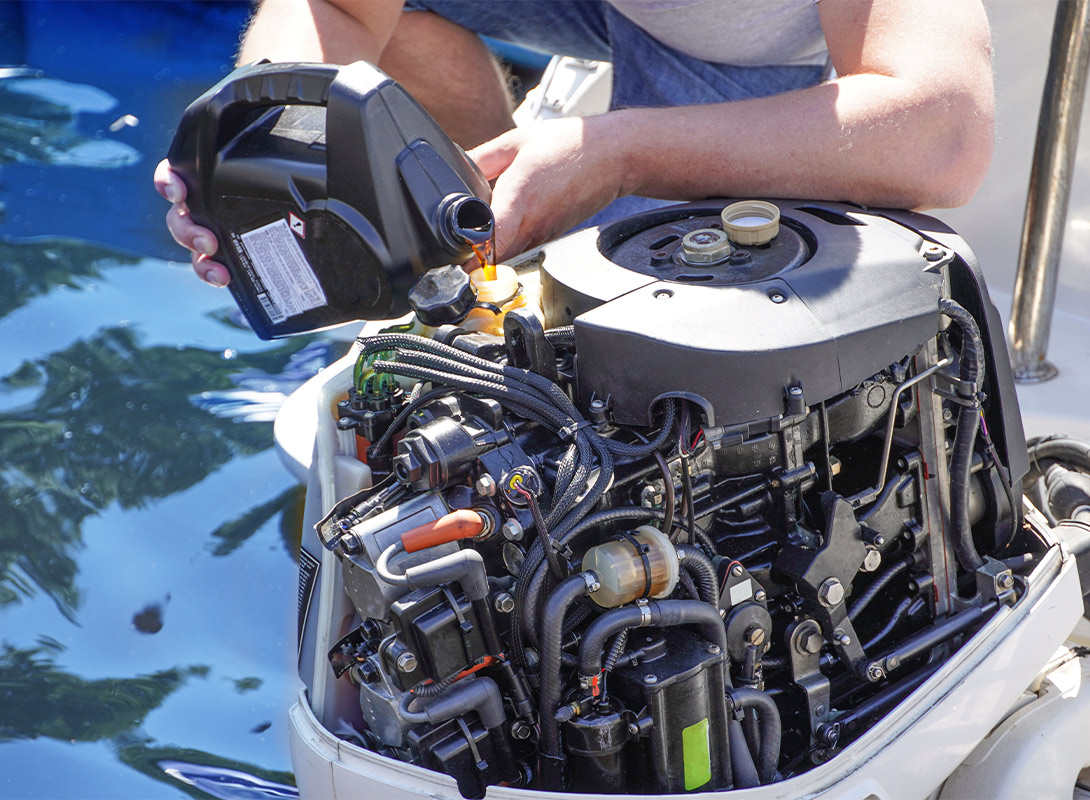
When the air cools and the docks start to clear, boaters face one final task before winter: protecting their engines from damage. Skipping proper winterization can lead to corrosion, cracked blocks, and other costly repairs come springtime.
Every motor type (from outboards to inboards and diesels) needs its own approach to stay protected. A little leftover water or untreated fuel can turn catastrophic when temperatures drop below freezing.
At Defender, we’ve spent decades helping boaters protect their engines through Northeast freezes, Great Lakes winters, and Gulf humidity. This guide walks you through the complete process of winterizing your boat motor to keep it in top condition and ready for the next boating season — including expert tips, regional advice, and the supplies you’ll need to keep your boat motor protected from anything winter throws at it.
Why Winterize Your Boat Motor
Freezing temperatures, trapped moisture, and corrosion are a triple threat to any boat motor left unprotected. Even a small pocket of water in your cooling system can expand and crack an engine block, while humid air and untreated fuel quietly eat away at metal components all winter long.
Tools & Supplies You’ll Need
When winterizing your boat motor, it’s important to use the right tools for the job. A few key supplies make all the difference in keeping your engine safe from freezing, corrosion, and fuel breakdown through the off-season.
Marine Antifreeze
Start with marine-grade antifreeze — your first line of defense against freeze damage and corrosion in your engine’s cooling system. Unlike automotive antifreeze, which uses toxic ethylene glycol, marine formulations are non-toxic, biodegradable, and designed to protect aluminum, bronze, and other metals common in marine engines.
Defender carries a full range of marine antifreeze options, each rated for different climates and storage conditions, from mild winters on the Gulf Coast to deep freezes on the Great Lakes. Using the correct rating ensures your system is fully protected, no matter where you keep your boat.
Why does marine-grade matter?
Marine antifreezes are specifically formulated with polypropylene glycol (in place of the traditional ethylene glycol) to be nontoxic and environmentally safer than other antifreeze products. They also include additional corrosion inhibitors designed to protect valuable engine and water system components. It is worth noting that using ethylene glycol for winterization can actually cause damage to some rubber hoses and gaskets.
Decoding Antifreeze Ratings
Those -50°F, -60°F, or -100°F labels don’t mean what most boaters think.
- The number on the jug indicates the burst protection rating, not the actual freeze point.
- A -50°F antifreeze will begin to slush at about +12°F, but won’t expand or cause damage until temperatures approach its rated burst point.
- -100°F antifreeze offers extra insurance for extreme cold or unheated storage, especially for inboard and sterndrive systems that retain more water.
Pro Tip: Choose your antifreeze based on how cold your storage environment gets — and when in doubt, go stronger. It’s cheaper than a cracked manifold in spring.
Fuel Stabilizer
Top off tanks and add a stabilizer to keep fuel fresh. Choosing the right additive can prevent harmful ethanol separation that gums up injectors and carburetors during long layups. You’ll find proven, high-quality formulas in Defender’s fuel additives collection, built to protect everything from small outboards to diesel powerplants.
Oils & Lubricants
Before you shut down for the season, apply engine fogging oil through your air intake or spark plug ports to coat internal parts with a corrosion-resistant film. This step is essential for humid environments like Florida and the Gulf Coast, where moisture can linger even in storage. Shop Defender’s trusted engine oils and lubricants to give your motor lasting protection.
Oil Change Kits
Round out your prep with a fresh oil and filter change, using marine-grade products designed to prevent sludge and rust while in storage. Defender’s oil change kits make this step simple — removing impurities that cause corrosion and giving your engine a clean slate before months of inactivity. Be sure to remember to also drain and refill your gearcase with the engine-specified lower unit oil, and replace drain plugs or gaskets as needed!
Winterization Accessories
Finally, gather the essentials that make winterization efficient: quality grease, flush muffs, drain pans, funnels, and any small tools you’ll need for system checks and maintenance. These aren’t just accessories — they’re the details that make a winterization job clean, safe, and effective.
Pro Tip: Having your supplies on hand before temperatures drop ensures you can winterize on your own schedule, and not when the first freeze warning hits.
Step-by-Step Boat Motor Winterization
Winterizing your boat motor is a straightforward process when you follow the right steps and take the time to do each one carefully. The sequence below works for most inboards, outboards, and diesel engines, with regional notes to help you adapt for local conditions.
1. Flush the Engine with Fresh Water
Start by flushing the engine to remove salt, silt, and debris from the cooling system. Use flush muffs or a compatible engine flush kit connected to a freshwater hose to circulate clean water through the system until it runs clear.
Shop Boat Motor Parts
Regional Tips:
- Great Lakes & Northeast: Always flush before the first hard frost to prevent internal freeze damage.
- Florida & Gulf Coast: Flush after every saltwater outing to prevent corrosion buildup in cooling passages.
2. Add Fuel Stabilizer and Run the Engine
Add a marine fuel stabilizer to your tank to prevent ethanol separation and varnish buildup during storage. Run the engine for 10–15 minutes to circulate the treated fuel throughout the system, protecting injectors and carburetors.
Shop Fuel Additives & Stabilizers
Regional Tips:
- Northeast: Fill your tank completely to minimize condensation.
- South & Gulf Coast: Add stabilizer even for short-term storage — humidity accelerates fuel degradation.
3. Change Oil and Filters
Old oil can trap moisture and acids that corrode internal parts over the winter. Drain the crankcase, replace filters, and refill with marine-grade oil formulated for seasonal protection.
Shop Oil Change Kits and Marine Lubricants
4. Drain Water Systems and Cooling Lines
Any water left inside your cooling system can freeze and expand, causing catastrophic cracks in blocks and manifolds. Drain all raw water from the engine, manifolds, and heat exchangers, then close drain plugs tightly.
Shop Hoses & Fittings
5. Add Antifreeze Through the Intake
Once the system is drained, introduce marine-grade antifreeze through the raw water intake using flush muffs or a winterizing kit. Run the engine until antifreeze exits the exhaust, confirming the system is fully protected. Do not dilute your antifreeze unless the product you select specifically indicates that it can be used this way.
Shop Marine Antifreeze
6. Fog Cylinders and Lubricate Components
Apply engine fogging oil through the air intake or directly into the spark plug holes to coat pistons and valves with a thin, protective film. Then lubricate moving parts like linkages, throttle cables, and external fittings with marine grease.
Shop Fogging Oils & Lubricants
7. Disconnect the Battery and Store Properly
Cold temperatures and inactivity can drain your battery over time. Remove it from the boat, clean terminals, and connect it to a smart charger or maintainer to preserve its life through the winter.
Shop Battery & Accessories
8. Cover and Secure for Winter
Finish by protecting everything you’ve just worked on. Use a canvas marine cover or shrink-wrap to seal out dirt, debris, and moisture while allowing ventilation to prevent mold and mildew. When shrinkwrapping ensure you use vents to allow ventilation, and add doors to simplify access for any winter projects. Don’t forget to include desiccants such as DampRid inside cabin areas, lockers and other enclosed spaces prior to completely wrapping up. These products are key to absorbing moisture over the off season and help prevent mold and mildew growth.
Anchor Text: Shop Boat Covers & Tarps
Pro Tip: Before covering, double-check drain plugs, clamps, and fittings to make sure everything is tight, dry, and secure.
Special Tips by Motor Type
Every type of engine has its own specs, advantages, and limitations. And with that comes its own winterization needs. Whether you run an inboard, outboard, or diesel, a few small details make the difference between an engine that sleeps soundly through winter and one that wakes up with costly surprises.
Inboard and Sterndrive Engines
Gas inboards and sterndrives need extra attention for their cooling systems and exhaust manifolds, where trapped water can easily freeze. Drain all low points, flush thoroughly, and circulate marine antifreeze through the block and manifolds until it exits the exhaust. \ Shop marine antifreeze and oil change kits to finish the job right
Be sure to inspect bellows, gimbal bearings, and couplers — common failure points that can crack or corrode during storage. A light coat of marine grease on all moving parts helps keep them flexible through the cold.
Learn More: How to Winterize a Gas Inboard or Sterndrive Engine (coming soon)
Diesel Engines and Generators
Diesel systems demand clean, treated fuel and moisture-free lines to prevent algae growth and injector clogs. Replace fuel filters, fill the tank completely, and add a high-quality diesel conditioner or biocide from Defender’s fuel additives collection.
Run the engine briefly to circulate treated fuel and warm the oil before changing it. Check belts, clamps, and cooling hoses for wear, then fog the intake and coat exposed metal parts with a corrosion inhibitor for long-term storage protection.
Learn More: How to Winterize Your Marine Diesel Engine (coming soon)
Outboard Motors
Outboards are easier to winterize but still require care to prevent lower-unit damage and corrosion. Flush with fresh water using flush muffs, drain completely, and tilt the motor down to release trapped water.
Shop Engine Lubricants for easy maintenance.
Fog the cylinders, drain the gearcase oil, and grease fittings and prop shafts to prevent rust and seizure. For portable outboards, store them upright in a dry, well-ventilated area to avoid water intrusion.
Learn More: How to Winterize an Outboard Motor (coming soon)
Why It Matters
Each of these engine types require the same fundamentals to be protected and preserved during the off-season, including clean oil, treated fuel, and corrosion protection. But the details matter. The right steps now mean fewer repairs later, and with Defender’s winterization supplies, every motor type can stay protected through whatever winter throws its way.
Common Mistakes to Avoid: Winterizing a Boat Motor
Even experienced boaters can overlook small steps that lead to big problems. Avoid these common mistakes to keep your motor protected all winter long.
- Forgetting to stabilize fuel: Untreated gas or fuel can separate or varnish over time, clogging injectors and carburetors. Always add a marine fuel stabilizer before storage and run the engine to circulate it.
- Not using marine-rated antifreeze: Automotive products can damage seals and cooling systems. Stick with non-toxic marine antifreeze designed for engines and freshwater systems.
- Leaving water in the exhaust or cooling system: Even a small amount can freeze, expand, and crack manifolds or lines. Always flush and drain completely before adding antifreeze.
- Skipping oil and filter changes: Old oil traps moisture and acids that corrode metal parts over the winter. Finish every lay-up with a clean oil change using Defender oil change kits.
- Storing with batteries connected: Parasitic drain or corrosion can kill a battery over months of inactivity. Disconnect and maintain with a smart charger or maintainer.
Pro Tip: Stock up early and make sure you have everything you need before temperatures drop. Get all your winterization supplies at Defender and protect your boat from costly spring surprises.
Regional Winterization Considerations
Not every boater faces the same winter challenges. How and when you winterize your boat motor depends on where you keep your boat. From deep freezes in the Great Lakes to the salt-laden humidity of the Gulf, a region-specific approach ensures your motor is protected through whatever winter brings.
Northeast
In the Northeast, hard freezes and long winters make full-system protection essential. Drain all water systems, use marine antifreeze rated for extreme cold, and apply corrosion inhibitors to metal parts before storing your boat under a heavy-duty winter cover. \ Pro Tip: Complete winterization before mid-October to stay ahead of the first frost.
Shop Antifreeze & Winterization Supplies
Great Lakes
Great Lakes boaters contend with subzero temperatures, ice, and prolonged layups. Flush engines completely, run fuel stabilizer, and consider fogging oil even for short off-seasons to prevent rust in humid storage spaces. \ Pro Tip: Store boats indoors or shrink-wrapped with ventilation to prevent moisture buildup beneath the cover.
Shop Fuel Stabilizers & Fogging Oils
Gulf Coast
Salt, storms, and humidity take a year-round toll on engines in the GulfFocus on corrosion prevention: flush with fresh water after every run, use fogging oil, and disconnect batteries during extended downtime. Keep in mind that even though freezes in this region are rare - they CAN happen. Monitor your weather carefully and use your own best judgement. The use of antifreeze may be required even in Southern regions to keep your systems safe. \ Pro Tip: Combine your winterization with storm prep to safeguard against surprise tropical systems.
Pacific Northwest
In the Pacific Northwest, winter means months of rain, cold air, and condensation. Fully drain cooling systems, lubricate all moving parts, and use moisture-absorbing desiccants inside compartments to fight mildew. \ Pro Tip: Keep storage areas ventilated and check covers regularly to avoid trapped moisture — a common cause of corrosion in this region.
Shop Boat Covers & Moisture Control Gear
Why It Matters
Adapting your winterization routine to your climate keeps your boat’s systems healthy year after year. Whether you’re sealing against ice, guarding against corrosion, or staying ahead of storm season, Defender’s expertise (stretching back to 1938) ensures your boat stays ready for spring no matter where you dock.
Winterization FAQs
Yes, fogging protects internal metal surfaces from rust and corrosion during long storage. Even modern 4-strokes benefit from a light fogging oil treatment to prevent sticking valves and dry starts.
No. Always use marine-grade antifreeze formulated for engines and potable systems. RV blends don’t provide the same corrosion protection and may not be rated for marine metals or freeze points.
Yes. Batteries naturally discharge over time, and disconnecting them prevents parasitic drain. Keep them topped off with a maintainer or trickle charger.
Typically 1–2 hours, depending on motor type and access. Having your tools and supplies ready — and following this checklist — makes the process faster and more efficient.
Begin once overnight temperatures consistently fall below 40°F (4°C). Southern boaters may winterize later, but completing it before the first cold snap is key to avoiding freeze damage.
Even if it rarely freezes, salt, humidity, and corrosion still pose serious risks. Gulf and coastal boaters should focus on flushing, fogging, and corrosion prevention instead of antifreeze.
Diesel systems need clean, treated fuel and dry tanks to prevent algae growth. Replace filters, fill tanks, and run treated fuel before shutting down.
No. Temperature-controlled storage helps, but trapped water in cooling lines can still freeze and expand. Always run marine antifreeze through your system for peace of mind.
Outboards are easier to flush and drain, but inboards and sterndrives have complex cooling loops that require full antifreeze circulation. See How to Winterize a Gas Inboard or Sterndrive Engine for specifics.
Yes — running it for 10–15 minutes ensures stabilized fuel reaches injectors and carburetors. This step prevents springtime start-up issues and protects internal parts from varnish buildup.