 Shopping from Canada?
  Go to Defender Canada!
Inflatable PFDs
2 Listed
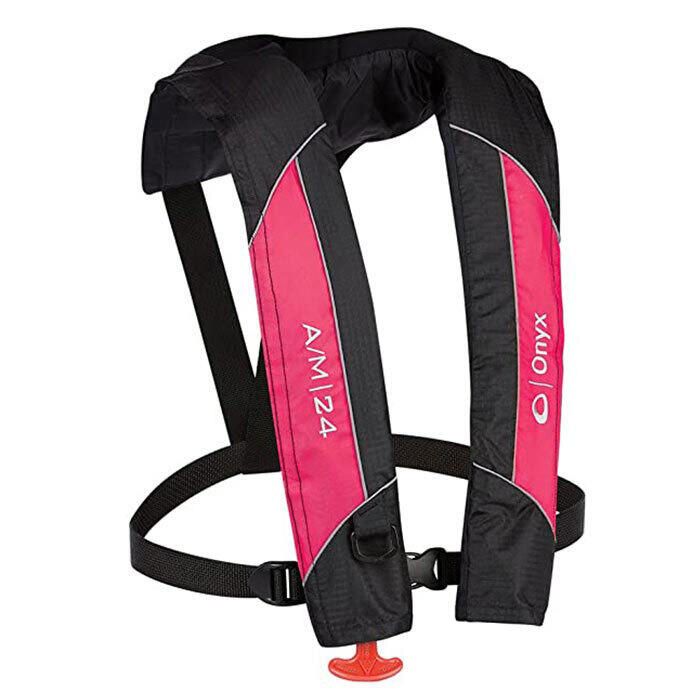
About Inflatable PFDs
FAQ - Defender - Safety-inflatable-pfds
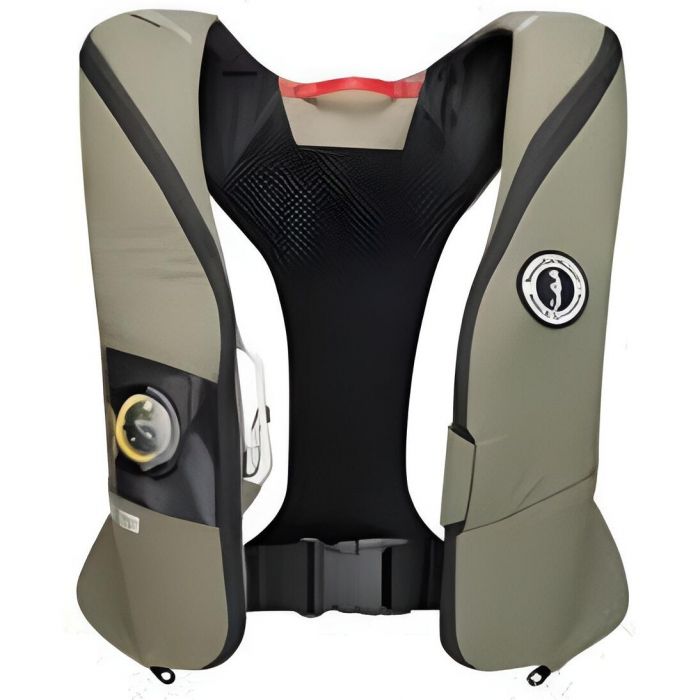
To be USCG approved, inflatable personal flotation devices (PFDs) must meet specific performance standards set by the Coast Guard. This includes having a reliable inflation mechanism, being designed for adult use, and passing rigorous tests for buoyancy and durability. Additionally, these PFDs must be equipped with a manual or automatic inflation system that activates when submerged in water. It's crucial to regularly inspect your inflatable PFD for wear and tear, and ensure that the CO2 cartridges are properly charged and functional, as this can be the difference between safety and disaster on the water.
When it comes to buoyancy in Personal Flotation Devices (PFDs), the type of foam used and the design play a crucial role. Generally, Type I PFDs, also known as offshore life jackets, provide the highest level of buoyancy because they are designed to turn an unconscious person face-up in the water, offering the most flotation support. However, buoyancy isn't the only factor to consider; comfort and fit are equally important for extended wear. If you're looking for the most buoyant option, make sure to choose a PFD that fits snugly and meets the safety standards for your specific boating activities.
An inflatable Personal Flotation Device (PFD) can be used in a variety of boating situations, but it's essential to understand the conditions under which it's most effective. Generally, these PFDs are ideal for calm waters and activities like sailing, fishing, or cruising, where the risk of sudden immersion is lower. However, keep in mind that inflatable PFDs should not be used in rough waters, high-speed activities, or for non-swimmers, as they rely on proper inflation to function. Always check the manufacturer's guidelines and ensure the device is suitable for the specific activity and conditions you'll encounter on the water.
You should avoid wearing an inflatable Personal Flotation Device (PFD) in certain situations, such as when you're engaging in activities that involve heavy physical exertion, like swimming or water skiing. Inflatable PFDs rely on a CO2 cartridge to inflate, which may not function properly if submerged or if you're in a high-impact situation. Additionally, inflatable PFDs are not recommended for non-swimmers or children under certain weight limits, as they may not provide enough buoyancy in emergencies. Always check the manufacturer's guidelines and ensure you have a suitable PFD for your specific boating activities and conditions.
Inflatable PFDs (Personal Flotation Devices) vary in price depending on the brand, features, and type. Generally, you can expect to pay anywhere from $100 to $300 for a quality inflatable PFD designed for boats, yachts, and sailboats. When shopping for inflatable PFDs, consider the specific needs of your boating activities, such as whether you require automatic inflation or manual pull cords. Investing in a reliable and comfortable PFD is crucial for safety on the water, so don't skimp on quality just to save a few bucks.
You can find inflatable PFDs (personal flotation devices) at various marine supply stores, including specialized retailers like Defender.com. They offer a wide selection tailored for boats, yachts, and sailboats, ensuring you get the right fit and features for your needs. When shopping online, look for reputable brands known for their reliability and comfort. Pay attention to the specifications, such as inflation method and buoyancy rating, to ensure the PFD meets safety regulations and your boating activities.
Choosing the right inflatable PFD (Personal Flotation Device) for your boat, yacht, or sailboat starts with understanding the type of boating you'll be doing. Consider factors like the water conditions, your activity level, and whether you'll be wearing it all day. Look for PFDs that are USCG-approved and fit snugly without restricting your movement. Next, think about the inflation method that suits you best-automatic, manual, or hybrid. Automatic inflatables are ideal for unexpected situations, while manual ones give you control over when to inflate. Also, check the buoyancy rating and ensure it meets your needs, especially if you plan to be in rough waters. Comfort and fit are key, so try on a few options to find one that feels right and won't hinder your boating experience.