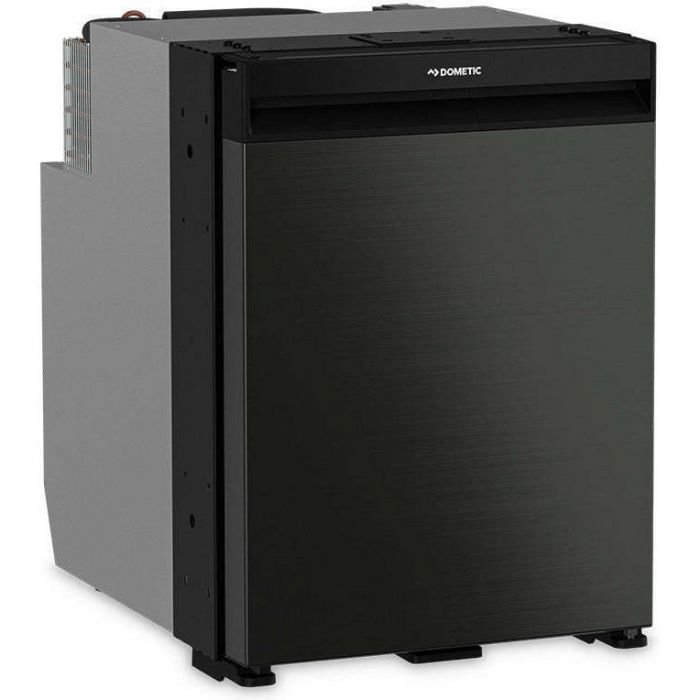
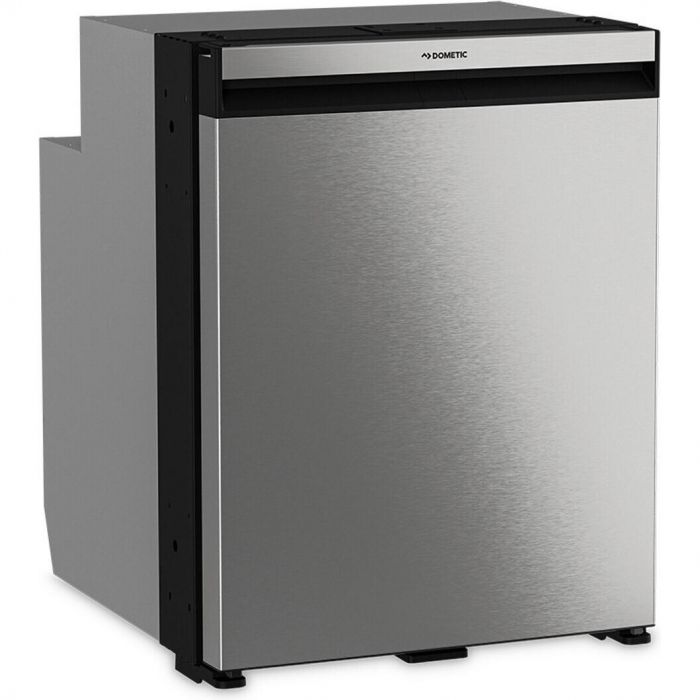
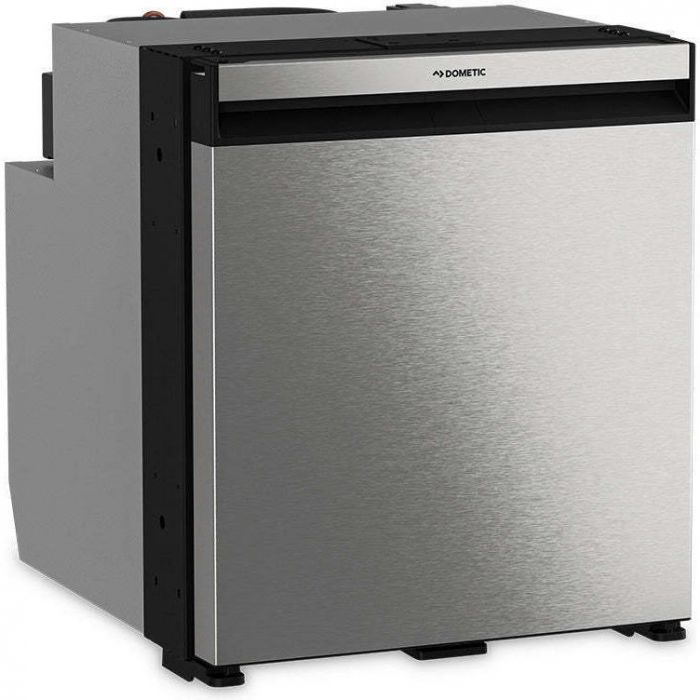
Refrigerators & Freezers

About Refrigerators & Freezers

FAQ - Defender - Refrigerators-freezers

How much are boat refrigerators?

Boat refrigerators typically range from about $300 to over $2,000, depending on size, brand, and features. Smaller, compact models designed for limited space may be on the lower end, while larger, more advanced units with energy-efficient capabilities and additional features can push the price higher. When choosing a boat refrigerator, consider your specific needs, such as storage capacity and power source compatibility. Investing in a reliable unit can save you money in the long run by reducing energy consumption and providing consistent cooling for your perishable goods while you're out on the water.

Where can I buy boat refrigerators?

You can buy boat refrigerators at various marine supply stores, both online and in-person. Defender.com offers a wide selection of boat refrigerators, catering to different sizes and power options, ensuring you find the right fit for your vessel. When shopping for a boat refrigerator, consider factors like energy efficiency, cooling capacity, and installation requirements. Make sure to check the dimensions to ensure it fits your space, and look for models designed specifically for marine use to withstand the unique conditions on the water.

How do I choose a boat refrigerator?

Choosing a boat refrigerator comes down to understanding your space, power needs, and how you plan to use it. Start by measuring the available space on your boat to ensure a snug fit, and consider whether you want a top-loading or front-loading model based on convenience and accessibility. Next, think about the power source: do you have a reliable 12V system, or will you be relying on shore power? Look for energy-efficient models that suit your cruising style, whether you're weekend fishing trips or extended voyages, to keep your catch fresh and your drinks cold without draining your battery.

How does a boat refrigerator work?

A boat refrigerator operates on the same principles as a household fridge, using a refrigeration cycle to remove heat from the interior and keep your food and drinks cold. Most marine refrigerators use either a compressor or a thermoelectric system; compressor fridges are more common due to their efficiency and ability to maintain lower temperatures, especially in warmer conditions. To break it down, the compressor fridge compresses a refrigerant gas, which then circulates through coils, absorbing heat from inside the fridge and releasing it outside. Thermoelectric models, while quieter and simpler, rely on a heat pump effect and are best suited for smaller spaces or less demanding cooling needs. Understanding these systems will help you choose the right fridge for your boat and ensure it runs efficiently while you're out on the water.