 Shopping from Canada?
  Go to Defender Canada!


Fishfinder Transducers
2 Listed
About Fishfinder Transducers
FAQ - Defender - Fishing-fishfinder-transducers
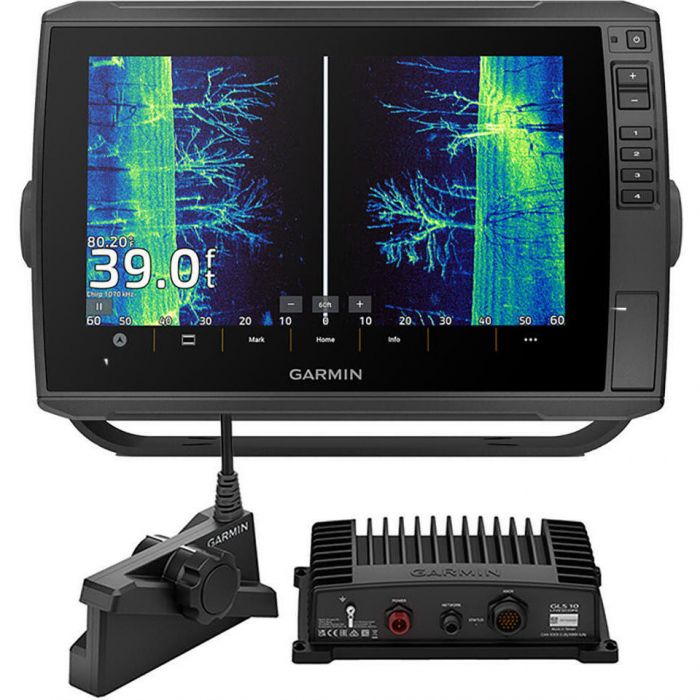
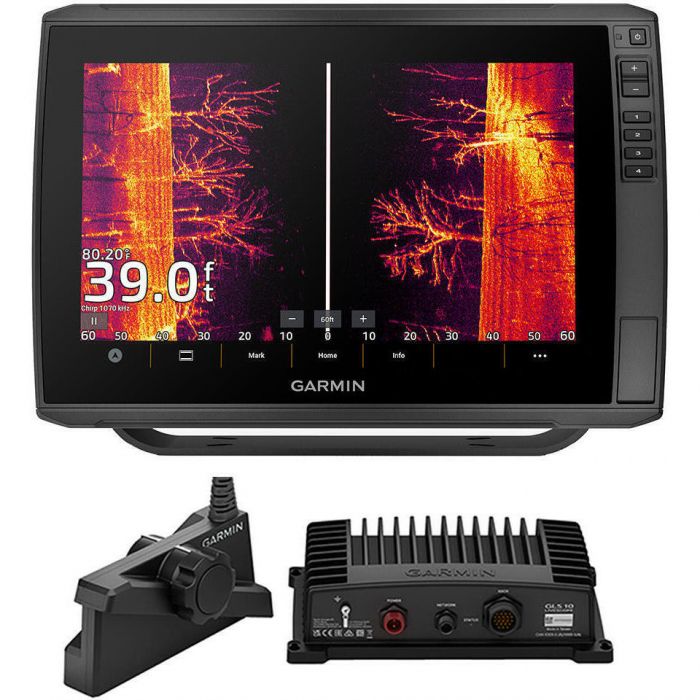
A transducer is a critical component of a fishfinder that converts electrical energy into sound waves, and vice versa. It emits sonar pulses into the water, which bounce off fish and underwater structures, allowing the fishfinder to create a visual representation of what's beneath your boat. When selecting a transducer, consider the type of fishing you'll be doing and the depth of the waters you'll be navigating. Different transducers operate at varying frequencies and beam angles, so you want one that matches your needs for the best performance and accuracy in locating fish.
Yes, most fish finders come with a transducer included in the package. This essential component sends and receives sonar signals, allowing you to see what's happening beneath the surface and locate fish effectively. However, it's crucial to double-check the product specifications before purchasing. Some high-end models might offer transducers as an optional upgrade or may require a separate purchase, so ensure you know what you're getting to avoid any surprises when you're ready to hit the water.
Yes, a transducer should be mounted below the boat's waterline for optimal performance. This positioning allows it to effectively send and receive sonar signals, providing accurate depth readings and fish detection. However, you need to ensure that it's installed correctly to avoid cavitation and interference from the hull. A transducer that's too high or improperly angled can lead to poor performance, so take the time to get it right for the best results on the water.
When installing a fish finder transducer, the placement is critical for optimal performance. Ideally, it should be mounted on the transom, just below the waterline, where it can get a clear view of the water without interference from the hull or turbulence. If you're using a through-hull transducer, make sure it's positioned in a location that minimizes air bubbles and is free from obstructions. Always refer to the manufacturer's guidelines for specific recommendations, and consider testing the placement before finalizing the installation to ensure you're getting accurate readings.
Fish finder transducers are not universally interchangeable; they are often designed to work with specific brands and models of fish finders. While some transducers may have similar connections, the technology and frequency ranges can vary significantly, which can affect performance and accuracy. When upgrading or replacing a transducer, it's crucial to check compatibility with your existing fish finder. Always consult the manufacturer's specifications or documentation to ensure you're getting the right transducer for your setup, as using an incompatible one can lead to subpar performance or even damage your equipment.
A fishfinder transducer works by emitting sound waves into the water and listening for the echoes that bounce back. When these sound waves hit an object, like a fish or the bottom of the lake, they reflect back to the transducer, which interprets the time it takes for the echoes to return and converts that information into a visual display on your fishfinder screen. The transducer is essentially the heart of the fishfinder, translating underwater conditions into actionable data. It can provide depth readings, identify fish, and even show underwater structures, giving you a significant advantage when you're out on the water.
Fishfinder transducer prices can vary widely based on the type, brand, and features you need. On the lower end, you might find basic transducers for around $50, while high-end models with advanced capabilities can run upwards of $500 or more. When selecting a transducer, consider what kind of fishing you do and the depth of water you typically navigate. Investing in a quality transducer can significantly improve your fish-finding capabilities, so weigh your options and choose one that fits your needs and budget.
You can buy fishfinder transducers at a variety of places, but for the best selection and expert advice, check out Defender.com. We offer a range of transducers compatible with various fishfinder brands, ensuring you find the right match for your setup. When shopping for a transducer, consider factors like frequency, beam angle, and installation type to make sure it fits your fishing style and boat. Don't hesitate to reach out to our knowledgeable team if you need guidance on choosing the right transducer for your needs.