 Shopping from Canada?
  Go to Defender Canada!


Fishfinder Combos
2 Listed
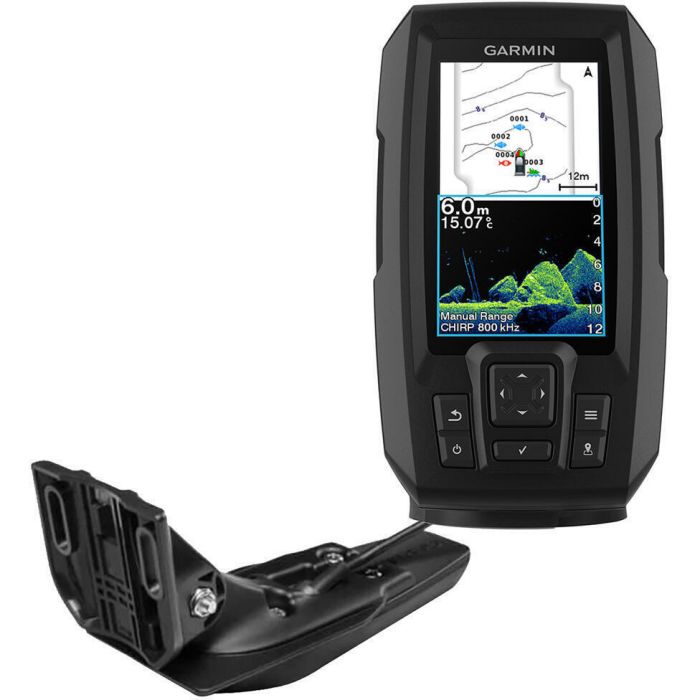
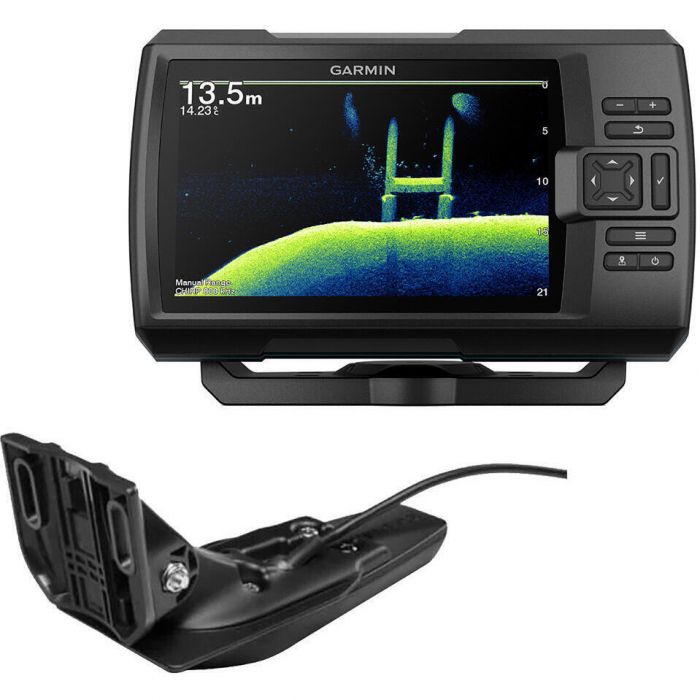
About Fishfinder Combos
FAQ - Defender - Fishing-fishfinder-combos
Fishfinders use sonar technology to locate fish and underwater structures by sending out sound waves. When these sound waves hit an object, they bounce back to the fishfinder, which interprets the data to display the depth, size, and location of fish or underwater features on a screen. The key components of a fishfinder include a transducer, which emits the sonar signals, and a display unit that shows the information. By adjusting the sensitivity and frequency settings, you can optimize the fishfinder for different water conditions and depths, making it an invaluable tool for any angler looking to improve their catch rate.
Networking Garmin fishfinders is a straightforward process that can significantly enhance your fishing experience. Start by ensuring your devices are compatible and updated with the latest software, as this will ensure seamless communication between units. To connect, use the NMEA 2000 network or Wi-Fi, depending on your model. For NMEA 2000, simply connect the fishfinders to the same backbone, ensuring proper power supply and termination. If you're using Wi-Fi, follow the on-screen prompts to establish a connection. Once set up, you can share sonar data, waypoints, and other critical information across your devices, making your fishing trips more efficient and productive.
The best fishfinder GPS combo really depends on your specific needs, but a few standouts in the market are the Garmin Striker Plus 7SV and the Humminbird Helix 7. Both units offer excellent sonar capabilities, clear displays, and robust GPS features that help you find fish and navigate with confidence. When choosing the right combo, consider factors like screen size, ease of use, and additional features like side imaging or down imaging sonar. Make sure to assess your fishing style and the waters you frequent to select a unit that will enhance your experience on the water.
Fishfinder combos can range from about $100 to over $2,000, depending on the features and technology you're looking for. Entry-level models are great for basic navigation and fish detection, while high-end units offer advanced sonar capabilities, GPS, and chart plotting for serious anglers and cruisers. When considering your budget, think about how you plan to use the fishfinder. If you're a weekend angler, a mid-range combo might suffice, but if you're out on the water regularly or pursuing specific species, investing in a higher-end model could pay off in better performance and accuracy.
You can find Fishfinder Combos at a variety of marine supply retailers, both online and in physical stores. Defender.com offers a solid selection of these units, catering to boats, yachts, and sailboats, so you can easily compare features and prices from the comfort of your home. When shopping for a Fishfinder Combo, make sure to consider the specific needs of your vessel and fishing style. Look for features like screen size, sonar capabilities, and GPS integration to ensure you get the right tool for your adventures on the water.
Choosing a fishfinder combo for your boat, yacht, or sailboat boils down to understanding your specific fishing needs and the type of water you'll be navigating. Start by considering the screen size and resolution; a larger, high-resolution display will make it easier to read underwater structures and fish, especially in bright sunlight. Next, think about the features that matter most to you, such as GPS, chart plotting, and sonar capabilities. If you're fishing in deeper waters, look for a unit with a higher frequency transducer for better detail, while shallower waters may benefit from a wider beam for coverage. Don't forget to check for user-friendly interfaces and compatibility with your existing equipment to ensure seamless integration.