AIS

About AIS

FAQ - Defender - Ais

What is marine AIS?

Marine AIS, or Automatic Identification System, is a tracking system used by vessels to communicate their position, course, and speed to other ships and shore stations. This technology enhances safety at sea by providing real-time data that helps prevent collisions and improves situational awareness for all boaters. AIS operates by transmitting information via VHF radio frequencies, allowing vessels to receive and display data from nearby ships. It's a crucial tool for both commercial and recreational boaters, enabling them to navigate more effectively in crowded waters and ensuring they stay informed about the movements of other vessels around them.

How does marine AIS work?

Marine AIS, or Automatic Identification System, is a tracking system that uses VHF radio frequencies to transmit and receive information about vessels. It broadcasts key data like a ship's position, course, speed, and identification to other nearby vessels and shore stations, enhancing situational awareness and safety on the water. The system operates on two frequencies, allowing ships to communicate with each other and receive real-time updates. This is crucial for collision avoidance, especially in busy waterways, as it helps boaters make informed decisions based on the movements of nearby vessels.

How much is an AIS for boats and yachts?

The cost of an AIS (Automatic Identification System) for boats and yachts can vary widely, typically ranging from around $200 to over $2,000. Factors influencing the price include the type of AIS unit-Class A or Class B, the features it offers, and whether it's a standalone unit or integrated with other onboard electronics. When budgeting for an AIS, consider not just the initial purchase price but also installation costs and any necessary accessories, like antennas or cables. Investing in a reliable AIS can enhance safety on the water, providing real-time information about nearby vessels, which is invaluable whether you're cruising, fishing, or just enjoying a day on the water.

Where can I buy an AIS for boats and yachts?

Defender is a trusted source for AIS systems that improve visibility and situational awareness on the water. We help you choose the right AIS solution for your navigation and safety needs.

How do I choose an AIS for boats and yachts?

Choosing an AIS (Automatic Identification System) for your boat or yacht boils down to understanding your needs and the type of boating you do. Start by deciding between Class A and Class B AIS; Class A is mandatory for commercial vessels and offers more features, while Class B is sufficient for recreational boaters and is generally more affordable. Next, consider whether you want a standalone unit or one that integrates with your existing navigation systems. Look for features like GPS accuracy, range, and ease of installation, and don't forget to check for compatibility with your chartplotter or marine electronics. Prioritize reliability and user-friendly interfaces to ensure you can focus on navigating safely rather than fumbling with tech.

AIS

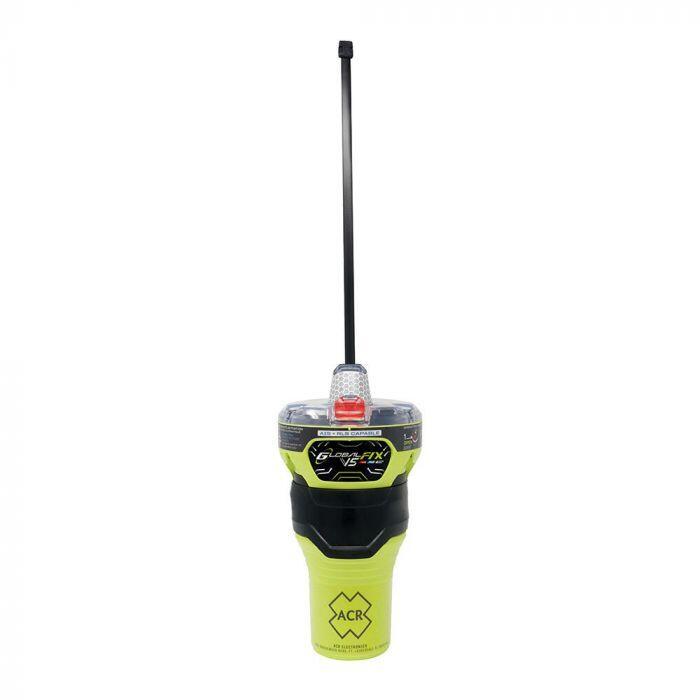
An affordable safety feature, Automatic Identification System, or AIS for boats pinpoints and relays boat information. Some AIS systems relay boat course, speed, and heading as well as registered information on boat length and beam. Defender offers a wide variety of AIS transponders and receivers as well as personal transponders and man overboard alarms.

This is your AIS

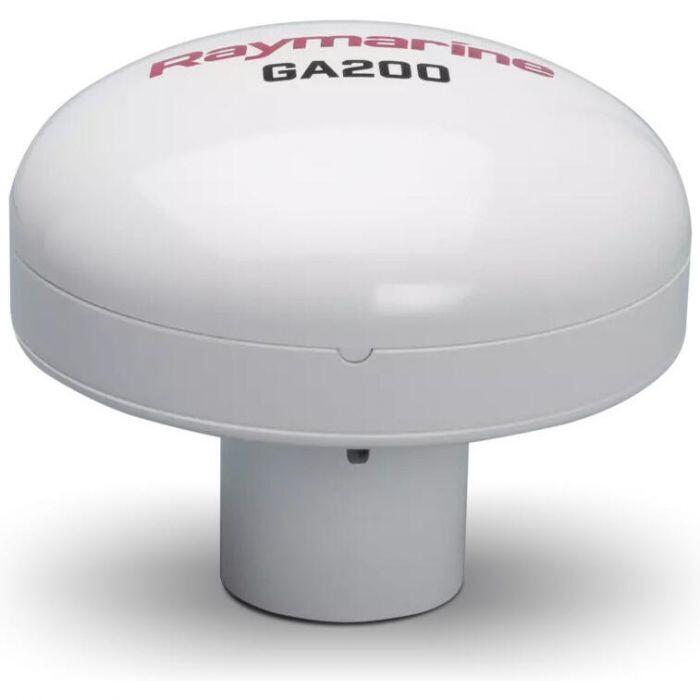
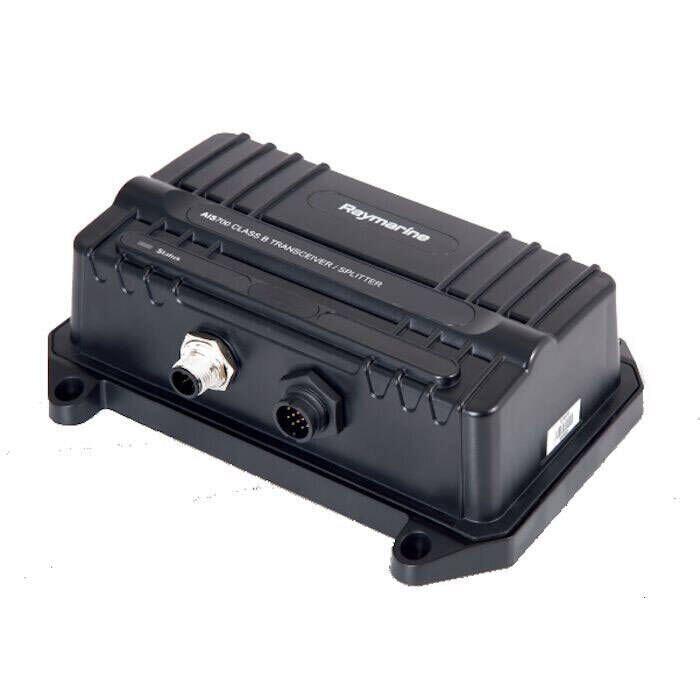
AIS radios are programmed for the purchaser so be sure to consider your application before you buy. Options include transponders that connect to GPS antennas, black boxes with internal GPS, and standalone transponders. Class A and Class B transponders feature SOTDMA technology and allow for split use of the VHF antenna, respectively. Consider carefully then register your new AIS to get the safety feature this technology boasts.

Transponder or receiver?

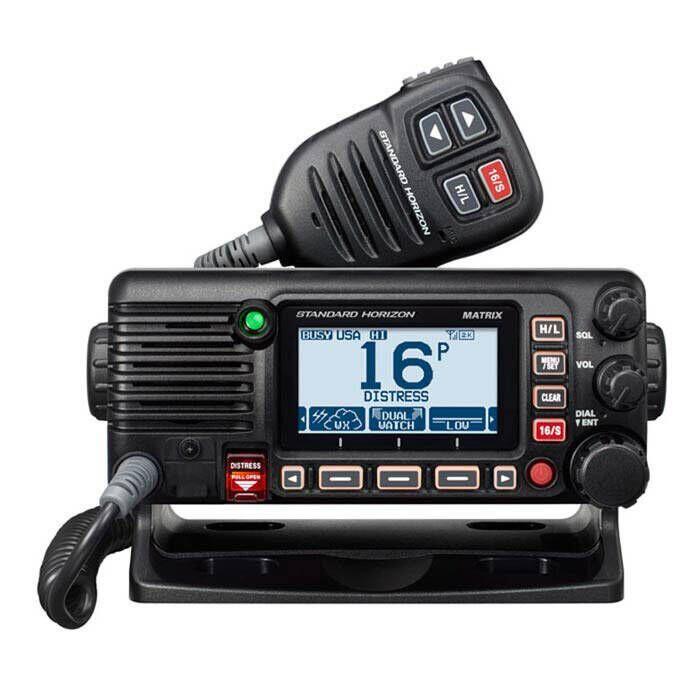
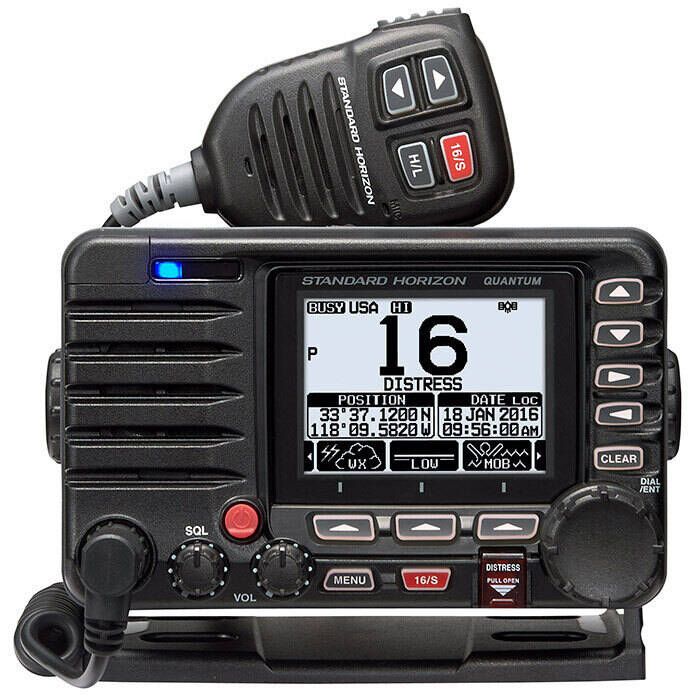
Marine AIS systems offer transponders for transmitting and marine AIS responder units that work with existing plotter software to chart signals. Automatic Identification Systems are also offered as a feature of some VHF radios offered through Defender Marine.

Can we split that?

Sure! Antenna splitters enable VHF antennas to be utilized to pinpoint through a GPS signal. Splitters can also allow for one antenna to deliver VHF, GPS, and AM/FM signals eliminating the need for more antennas aboard. Connect options for boat AIS include a WIFI interface, USB connections, and hardwired connection through NMEA systems and monitors.