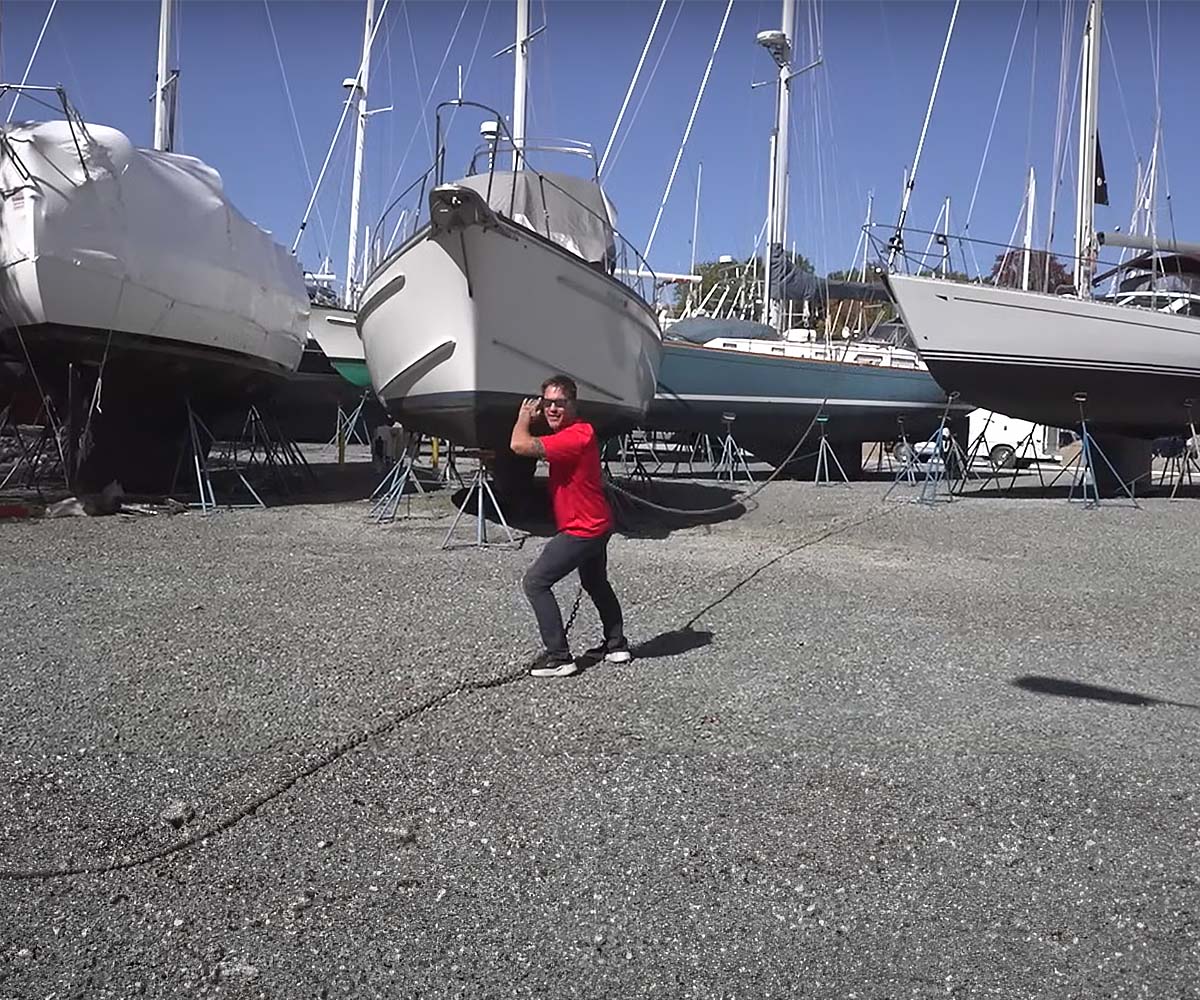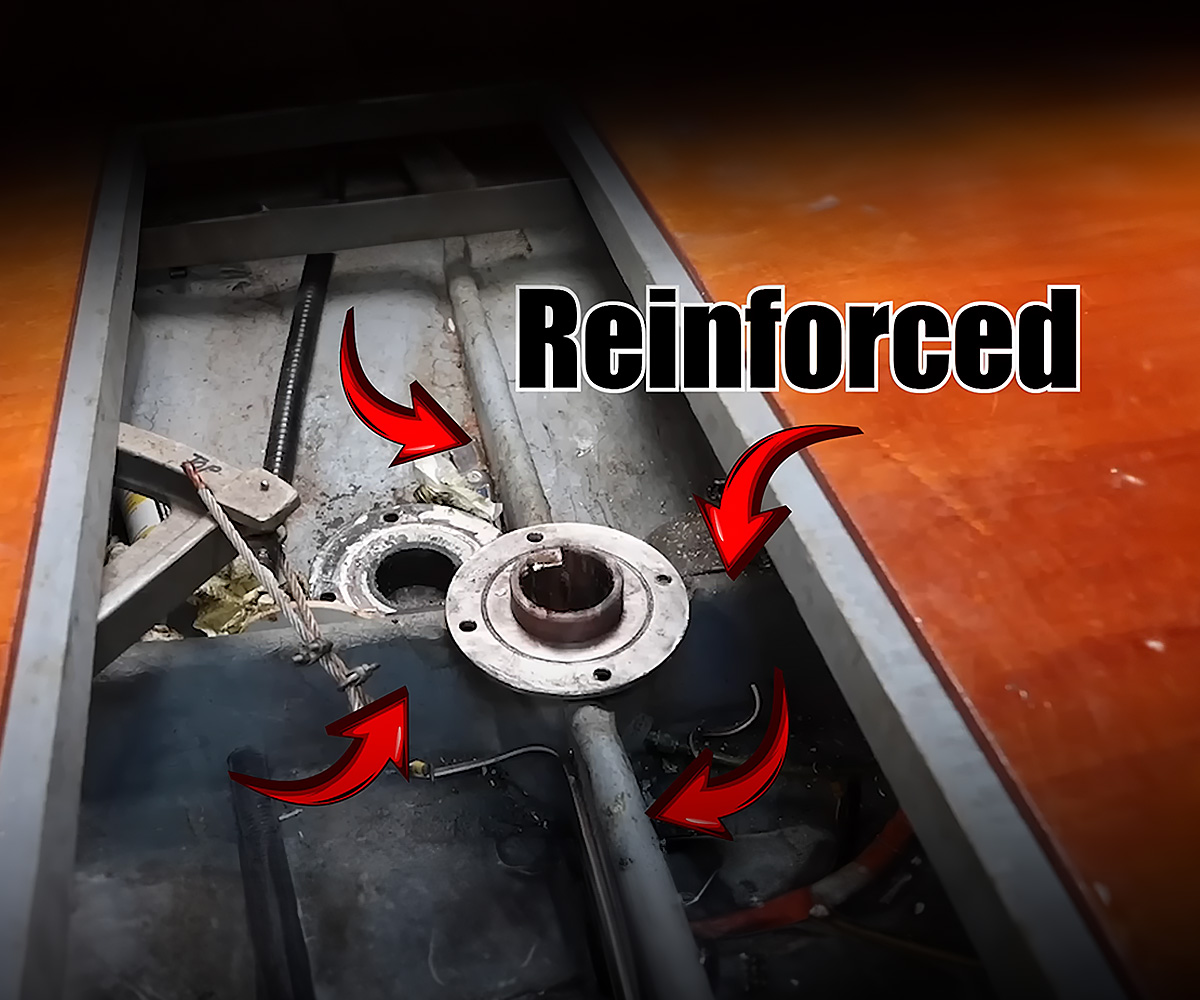
5 Rookie Sailing Mistakes (and How to Avoid Them)
Sailing's a breeze — until rookie mistakes turn it into a comedy sketch, so prep smart, stay organized, and let the waves, not your errors, steal the show.
by James & Ana, Sailing Zingaro | Visit Partner Page
Nov 27, 2024 — Sailing is a world of adventure, but it’s also fraught with opportunities for missteps—especially for newcomers. Whether it’s a misplaced solar panel or poorly secured lines, even small oversights can have big consequences. Here are five rookie mistakes to avoid, with tips to sail smarter and safer.
1. Solar Panels in the Working Area
Placing solar panels on the foredeck might seem convenient, but it’s a slippery mistake. When wet, these panels turn into hazards, making the deck unsafe to walk on. Instead, consider mounting solar panels on an arch, the stern pulpit, or using standoffs to keep them out of the way. Not only does this free up critical deck space, but it also maximizes safety during your voyage.
2. Poorly Placed Fender Holders
Fender holders at the bow may look tidy but become a liability in rough seas. Waves can dislodge the fenders, risking damage or loss. A better solution is securing fenders at the stern pulpit or storing them in a lazarette (deflated if necessary). This keeps them secure and out of harm’s way.
3. Anchor Without a Pin
An unsecured anchor is a disaster waiting to happen. Without a pin, rough seas can jostle the anchor loose, potentially causing damage or even capsizing the boat. Always secure your anchor with a pin or a backup line tied to a cleat, and ensure all anchoring components are robust and properly installed.
4. Using Cheap Ratchet Straps
Mild steel ratchet straps are ill-suited for the marine environment—they rust quickly, buzz in high winds, and can fail under pressure. Opt for strong, durable rope tied with secure knots like the Alaskan Alpine Hitch. This ensures your equipment stays firmly in place without leaving unsightly rust stains.
5. Messy Line Management
Poor line organization can lead to tangled messes, particularly in emergencies. Avoid wrapping working lines around winches or leaving them sprawled on deck. Instead, coil lines into neat loops, hang them on cleats or winches using slip knots, and always ensure they’re easily accessible and ready for use.
The Bottom Line
Sailing is a steep learning curve, but a bit of preparation and attention to detail can save you from rookie errors. By keeping safety, functionality, and organization in mind, you’ll ensure smoother, safer journeys—and look like a pro while doing it.
Watch the Full Video
Related Content
What to Do When Grounded & How to Kedge Off
Learn the lifesaving skill of kedging to free a grounded boat.
Upgrading a Coastal Cruiser for Offshore Sailing
From upgrading a C&C 35 to avoiding container collisions, Captain James has got you covered.
Let's Make Waves Together!
Join our affiliate program today and unlock exclusive discounts and your own partner page, only on Defender!